Whether a Bullmastiff Should Eat Puppy Food Past a Year
One of the most common worries for Bullmastiff owners, especially those with their first giant breed puppy, is knowing exactly when to stop feeding that nutrient-rich puppy food. It feels like you're constantly walking a tightrope between providing enough for their booming growth and accidentally overdoing it, which can have serious consequences. This guide aims to clear up that confusion, helping you understand the right time to transition your beloved Bullmastiff from puppy kibble to an adult diet, ensuring they grow at a healthy, steady pace.
Understanding the Nutritional Blueprint of Puppy Food
Puppy food isn't just a smaller version of adult food; it's a meticulously crafted diet designed to fuel rapid growth and development. For small and medium breeds, this high-octane nutrition is exactly what they need to reach maturity quickly. However, when it comes to a magnificent, large-boned breed like a Bullmastiff, this very benefit can become a detriment if not managed correctly.
The Powerhouse: Why Puppy Food is So Dense
Think of puppy food as a super-charged meal plan. It's packed with higher levels of protein, fat, and calories to support the incredibly fast growth phase that puppies undergo. Beyond just the macronutrients, it also typically contains elevated levels of calcium and phosphorus. These minerals are vital for bone development, especially when a small, wobbly pup is transforming into a more sturdy, athletic young dog. The idea is to give them all the building blocks they need, in abundance, to construct strong bones and lean muscle mass during their formative months. This is critical when you consider how much a Bullmastiff puppy grows in its first year.
For a Bullmastiff puppy, this initial nutritional boost is indeed necessary. They are not like smaller breeds that reach their adult size in a mere six to eight months. Bullmastiffs are growing into massive dogs, sometimes reaching over 100 pounds before their first birthday, and continuing to fill out well beyond that. Therefore, the early stages require a diet that can support this significant physical undertaking. You can find excellent large breed puppy formulas from brands like Ollie or other reputable manufacturers that specifically cater to these needs, often with adjusted calcium-to-phosphorus ratios.
The Double-Edged Sword: When Puppy Food Becomes a Problem
While essential in the early months, continuing to feed a Bullmastiff traditional puppy food for too long can actually be detrimental. The higher caloric density and concentrated mineral content, particularly calcium, can encourage growth that is too fast. For a giant breed, whose bones and joints are developing over a much longer period than a smaller dog, this accelerated growth puts immense stress on their immature skeletal structure.
Imagine building a skyscraper with materials designed for a single-family home – it might stand for a bit, but the foundation will be under undue strain. Similarly, rapid growth in a Bullmastiff can predispose them to orthopedic issues such as Hip Dysplasia in a Bullmastiff and Elbow Dysplasia in a Bullmastiff. These conditions are already a concern for the breed, and improper nutrition during growth can exacerbate the risk significantly. The goal for a Bullmastiff puppy is slow, steady growth, not a sprint. We want their bones, ligaments, and joints to develop at a rate that allows them to solidify and strengthen properly, without being rushed. This is why understanding Why a Bullmastiff Puppy Should Not Grow Fast is so vital for their long-term health.
Pinpointing the Perfect Moment for Transition
Deciding when to switch your Bullmastiff from puppy food to adult food isn't an exact science that you can circle on a calendar, though general age guidelines exist. It’s more about observing your individual dog's development and understanding the nuances of giant breed growth. Rushing the change can be just as problematic as delaying it too long.
Beyond the Calendar: It's About Maturity, Not Just Age
Many resources suggest transitioning puppies around 12 months, but for a Bullmastiff, this often isn't quite right. Bullmastiffs are slow to mature, often not reaching full physical maturity until they are two to three years old. While their height might be mostly established by 12-18 months, they will continue to broaden and fill out for quite some time after that. Therefore, a simple "one year" rule doesn't fully apply to these magnificent giants.
The key indicator isn't just their age in months, but their stage of physical development. You want to see signs that their rapid growth spurt is largely over, and they are moving into a phase of filling out and solidifying. Continuing a calorie-dense puppy food when the dog is already reaching a substantial size can easily lead to excessive weight gain, which is another major stressor on developing joints and overall health. Monitoring What a Bullmastiff Puppy Should Weigh by Month can give you an idea of their trajectory, but visual and tactile assessment are equally important.
Key Indicators Your Bullmastiff is Ready for the Switch
So, what should you look for? Here are some crucial signs that your Bullmastiff is ready to wave goodbye to puppy food:
- Slowing Growth Rate: Are they still shooting up like a weed, or has their vertical growth noticeably slowed down? You might find they aren't needing a larger harness every few weeks anymore.
- Filling Out, Not Just Growing Taller: Instead of getting taller, you'll start to notice them gaining muscle and breadth, filling out their frame rather than extending it. Their gait might become more settled and less "puppy awkward."
- Reaching Significant Adult Weight: While they may not be their absolute adult weight, they should be close to it, or at least have achieved 80-90% of their projected mature weight. This is where knowing a bit about the breed standard for How Tall a Bullmastiff Stands and How Much a Bullmastiff Weighs comes in handy, though individual dogs will vary.
- Increased Activity and Energy Levels Stabilizing: While still playful, their bursts of frantic puppy energy might become a little more controlled, and they might spend more time calmly observing or resting.
Generally, for Bullmastiffs, most veterinarians and experienced breeders recommend waiting until they are between 15 to 18 months old, and sometimes even closer to 24 months for particularly slow-maturing individuals or those on the larger end of the spectrum. It's always best to consult with your veterinarian, as they can assess your specific dog's condition and development.
Executing a Smooth and Stress-Free Transition
Once you've determined your Bullmastiff is ready for the transition, the next step is to actually make the switch. This isn't a one-day event; a sudden change in diet can lead to digestive upset, which no one wants – especially not with a large dog! A gradual approach is key to keeping your Bullmastiff comfortable and their digestive system happy.
The Gentle Slope: A Gradual Introduction to Adult Food
The golden rule for changing any dog's food, but particularly a sensitive giant breed like a Bullmastiff, is to do it slowly. Aim for a transition period of about 7 to 10 days, gradually increasing the amount of new food while decreasing the old. This allows their digestive system to adapt to the new ingredients and nutritional profile without being overwhelmed.
Here’s a common schedule you can follow:
| Day | Old Puppy Food | New Adult Food |
|---|---|---|
| Day 1-2 | 75% | 25% |
| Day 3-4 | 50% | 50% |
| Day 5-6 | 25% | 75% |
| Day 7+ | 0% | 100% |
During this time, keep an eye on their stool. If you notice any diarrhea or significant digestive upset, slow down the process. You might need to extend each step for a few more days until their system adjusts. This gentle method minimizes stress on their gut and makes the whole experience much smoother for both of you.
Selecting the Ideal Adult Diet for Your Bullmastiff
Choosing the right adult food for your Bullmastiff is just as important as the timing of the switch. You're looking for a formula specifically designed for large or giant breeds. These foods are formulated with lower caloric density than standard adult foods, helping to prevent weight gain, and they maintain appropriate calcium and phosphorus levels to support long-term skeletal health without promoting excessive growth.
Look for reputable brands that emphasize quality ingredients. Many large breed adult formulas also include joint-supporting ingredients like glucosamine and chondroitin, which can be beneficial for a breed prone to orthopedic issues. While not a replacement for veterinary care or prescribed supplements, they can offer some proactive support. Shopping on platforms like Chewy or Amazon makes finding the perfect adult formula for your Bullmastiff simpler than ever, allowing you to read reviews and compare ingredients from a wide array of options. Consider discussing your specific choices with your veterinarian, especially if your Bullmastiff has any underlying health concerns.
Observing Your Bullmastiff During the Change
Even with a gradual transition, it's important to monitor your Bullmastiff closely for any signs that they aren't tolerating the new food well. This includes changes in appetite, energy levels, and, most importantly, their bowel movements. Loose stools, diarrhea, or vomiting are clear indicators that their digestive system is struggling.
Should these issues arise, don't hesitate to slow down the transition even further, or even revert to their old food for a day or two before trying again at a slower pace. If symptoms persist or seem severe, contact your veterinarian. They can offer guidance and rule out any other underlying issues. Remember, your Bullmastiff relies on you to ensure their nutritional needs are met, and this transition period is a key part of that ongoing care. It's a journey, not a race.
The Long-Term Vision: Benefits of Correct Nutritional Choices
Making the right feeding choices for your Bullmastiff, particularly around the crucial transition from puppy to adult food, sets the stage for a lifetime of better health. It’s an investment in their future, helping to mitigate risks associated with their size and breed-specific predispositions.
Laying the Foundation for a Robust Adulthood
The most significant benefit of transitioning your Bullmastiff to an appropriate adult large breed food at the right time is the promotion of healthy skeletal development. By avoiding rapid, uncontrolled growth from prolonged puppy food feeding, you reduce the strain on their developing joints and growth plates. This careful management during their formative years can significantly lower the risk and severity of orthopedic conditions like hip and elbow dysplasia, which can be debilitating and expensive to manage later in life.
Think of it as protecting their structural integrity from the inside out. A Bullmastiff's Hips and Elbows Under a Hundred and Thirty Pound Bullmastiff need all the help they can get to remain sound throughout their life. This controlled growth approach, combined with appropriate exercise limits for puppies, creates a stronger, more resilient foundation for their massive frame, supporting them as they grow into impressive, healthy adults. It's all part of making sure they can live out their The Median Bullmastiff Lives Eight and a Half Years as comfortably as possible.
Maintaining Optimal Weight and Energy for Years to Come
Once your Bullmastiff is on an adult diet, the focus shifts to maintaining a healthy weight and ensuring they receive balanced nutrition for their active, mature life. Adult large breed foods are formulated to provide sufficient energy without the excess calories that can lead to obesity. Keeping a Bullmastiff Lean Is the Best Thing You Can Do for their long-term health, as extra weight adds immense pressure to joints and can exacerbate many health issues.
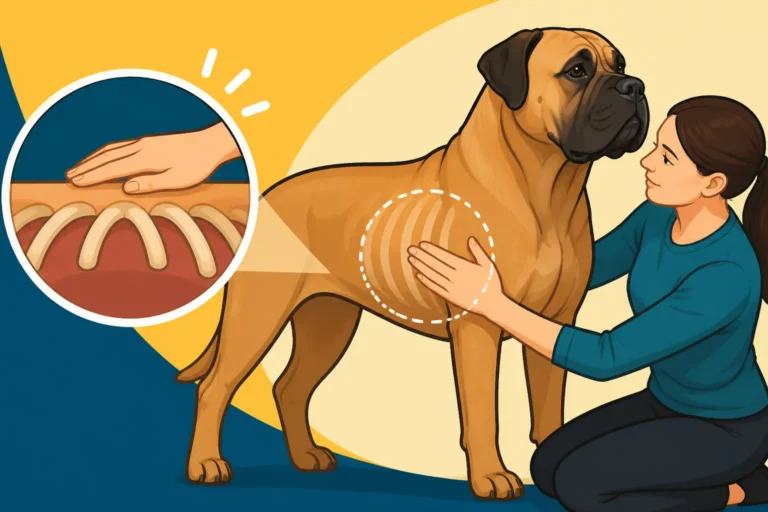
Regular monitoring of their weight and body condition is essential. You should be able to feel their ribs without seeing them, and they should have a discernible waist when viewed from above. If you notice your Bullmastiff starting to gain too much weight, you may need to adjust their food intake or increase their activity slightly. However, always remember that Bullmastiffs are not high-energy dogs; they need moderate, consistent exercise, not strenuous activity. Ensuring they eat the correct amount for their activity level is crucial. How Much an Adult Bullmastiff Eats will depend on the specific food and their individual metabolism, but always follow the feeding guidelines on the bag as a starting point, then adjust as needed. You can check various brands on sites like Chewy to compare nutritional breakdowns and find a fit that works for your Bullmastiff.
By being mindful of their nutritional needs from puppyhood through adulthood, you’re providing your Bullmastiff with the best possible chance at a healthy, happy life. It’s a testament to the care and dedication you have for your gentle giant.
Disclaimer
This article is for general informational purposes only and does not constitute professional advice. Laws, prices and regulations vary by location and change over time. Consult a qualified professional for guidance on your specific situation.