How Tall a Bullmastiff Stands
You see a Bullmastiff lumbering along, and your first thought might be, "wow, that's a truly substantial dog!" But how tall should a Bullmastiff actually stand? It's not just about general largeness; there are very specific breed standards that dictate their height, and understanding these can help you appreciate this majestic breed even more and recognize what a healthy, well-bred dog looks like. This guide will delve into the precise measurements and factors influencing a Bullmastiff's stature.
Understanding the Breed Standard for Height
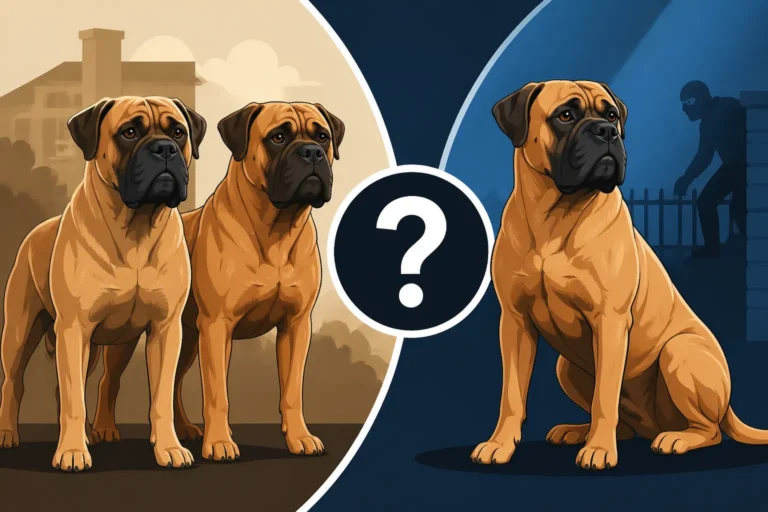
When we talk about a Bullmastiff's height, we're not just guessing; we're referring to a very specific set of guidelines laid out by kennel clubs around the world. These standards exist to maintain the breed's historical function and health, ensuring that breeders strive for consistency in their dogs. A Bullmastiff's height directly correlates to its overall build and how effectively it could perform its original role as a gamekeeper's night dog.
The AKC and KC Standards
The primary authorities for breed standards, such as the American Kennel Club (AKC) and The Kennel Club (KC) in the UK, define very clear height ranges for Bullmastiffs. For males, the AKC standard typically calls for a height of 25 to 27 inches at the shoulder (withers). Females are slightly smaller, generally ranging from 24 to 26 inches at the shoulder. These aren't just arbitrary numbers; they represent the ideal physical capabilities for the breed. A dog significantly outside these ranges might face structural issues or not be able to move with the desired agility and power.
It's important to remember that these are ideals. You might occasionally encounter a Bullmastiff slightly outside this range, but a reputable breeder will always strive to produce dogs within the established guidelines. Deviations can impact not only show ring success but also the dog's long-term health and mobility. For instance, an overly tall Bullmastiff might be prone to growth-related bone issues, while one that is too short might lack the imposing presence and ground covering ability characteristic of the breed.
How Height is Measured
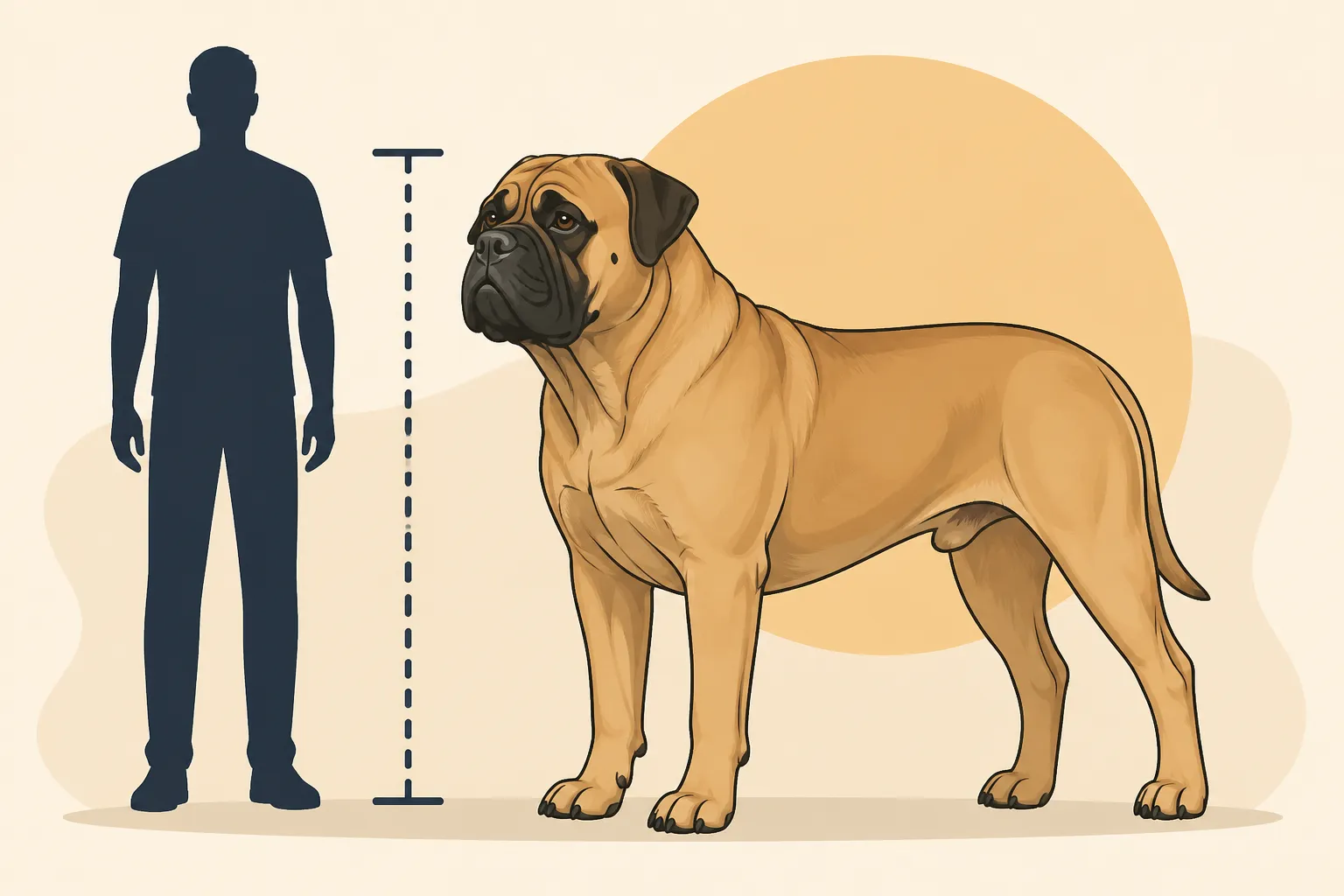
Measuring a dog's height isn't like measuring a child against a doorframe. For dogs, height is always measured at the "withers," which is the highest point of the shoulder blades. To get an accurate measurement, the dog needs to be standing four-square on a flat, level surface, with its head in a natural, upright position, not stretched up or bowed down. A measuring stick, often called a wicket, is then placed across the dog's shoulders, and the height is read at that point.
This method ensures consistency across different dogs and judges, focusing on the dog's structural height rather than how tall it might appear when it stretches its neck or stands in a relaxed posture. It's a critical part of assessing a Bullmastiff's conformation and verifying that it meets the breed's physical requirements. If you're ever curious about your own Bullmastiff's precise height, your veterinarian can demonstrate the proper technique during a regular check-up.
Male vs. Female Bullmastiff Height Differences
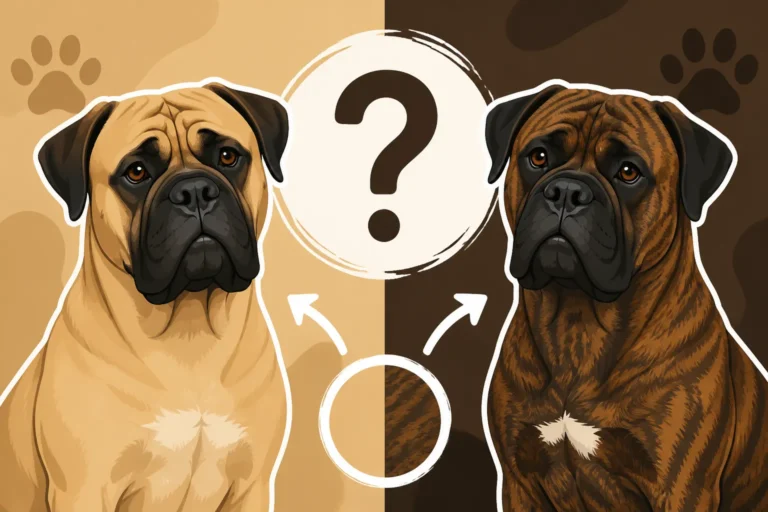
Just like in many other large breeds, there's a noticeable difference in stature between male and female Bullmastiffs. This isn't just a minor variation; it's a consistent characteristic that's built into the breed standard and reflects the differing physical roles the sexes might have played, or simply the natural dimorphism seen in the animal kingdom. Understanding this distinction is key to appreciating the breed fully.
Typical Height Ranges
As mentioned, male Bullmastiffs typically stand between 25 and 27 inches at the withers. Females, on the other hand, usually fall into the 24 to 26-inch range. While a single inch might not sound like a huge difference on paper, when you're talking about a dog of this mass, it translates to a significantly more substantial presence for the males. This difference often comes with a corresponding weight disparity too; males tend to be heavier, sometimes by a good 20 pounds or more, which further accentuates their larger frame. You can learn more about this in How Much a Bullmastiff Weighs.
Imagine standing next to a male Bullmastiff at the upper end of the height range – 27 inches at the shoulder means his head, when held high, will easily reach your waist or higher, making him a truly imposing figure. A female at 24 inches is still incredibly substantial, but her overall profile will appear slightly more refined and less massive than her male counterpart. This isn't to say one is "better" than the other, but rather that they possess distinct characteristics within the breed.
Why the Discrepancy Matters
The height discrepancy isn't just for aesthetics or show rings; it has practical implications for owners. A taller, heavier male Bullmastiff might require even larger crates, like those extra-extra-large sizes you'd find on sites like Chewy, to ensure he can stand comfortably without hunching. His strength on a leash will also be formidable, making early and consistent training paramount. You might find some excellent training leads and harnesses for large breeds on Chewy that can assist with managing his power.
For females, while they are slightly less imposing, they still possess immense strength and protective instincts. The height difference might influence choices in housing, vehicle size for transport, or even how they interact with children. A slightly smaller female might seem less likely to accidentally knock over a toddler, though caution and supervision are always essential with a dog of this size and power. Regardless of sex, every Bullmastiff requires respect for its sheer physical presence and thoughtful integration into family life.
Factors Affecting a Bullmastiff's Final Height
While breed standards give us an ideal range, individual Bullmastiffs can, and often do, vary slightly within or even just outside these parameters. Their final adult height is a complex interplay of several factors, with genetics playing the starring role, but environmental influences also having their say during the critical growth phases.
The Role of Genetics and Lineage
The most significant predictor of a Bullmastiff's adult height is its genetic heritage. A puppy inherits its potential size from its parents and the dogs in its pedigree. Breeders who consistently produce dogs within the standard height range are generally working with strong, well-established lines. If both parents are at the upper end of the standard, their offspring are more likely to be taller, and vice-versa. This is why a responsible breeder will always share information about the parents' sizes and health clearances.
It's not just about the immediate parents, though. The genetic blueprint extends back generations. A particular line might be known for producing very tall dogs, or perhaps more compact ones. This genetic predisposition can sometimes manifest even if the immediate parents are average. For potential owners, inquiring about the lineage and seeing the parents, if possible, can give a good indication of a puppy's likely adult size. This is also why understanding What a Bullmastiff Breeder Should Have Screened is so crucial, as it often includes assessing conformation to standard.
Nutritional Impact on Growth
While genetics set the potential, nutrition during puppyhood and adolescence provides the building blocks. A Bullmastiff puppy needs a carefully balanced diet formulated for large breed puppies. Overfeeding, especially with diets too high in protein or calcium, can lead to rapid growth, which paradoxically can cause developmental orthopedic diseases like hip or elbow dysplasia. This is because their bones and joints aren't given enough time to mature and solidify at an appropriate pace for their substantial future weight. Feeding a Bullmastiff Puppy So It Grows Slowly is incredibly important.
Conversely, underfeeding or providing an imbalanced diet can stunt growth, preventing a Bullmastiff from reaching its genetic height potential and potentially leading to other health issues. The goal is steady, moderate growth, not rapid bulk. Many owners find quality large-breed puppy formulas at retailers like Chewy, which are specifically designed to support this crucial developmental phase. Choosing the right food from the outset is one of the best investments you can make in your Bullmastiff's long-term health and structural integrity.
Health and Developmental Concerns
Beyond genetics and diet, a Bullmastiff's overall health during its growth period can also affect its ultimate height. Serious illnesses, chronic infections, or severe parasitic infestations during puppyhood can divert energy away from growth, potentially leading to a slightly smaller adult size. While often reversible if caught early, prolonged health issues can have lasting impacts.
Furthermore, certain orthopedic conditions that manifest during growth, such as osteochondritis dissecans (OCD) or severe forms of hip and elbow dysplasia, can affect the proper development of bones and joints, which in turn might impact standing height or posture. These conditions can cause pain and restrict natural movement, indirectly influencing how a dog holds itself and appears in stature. Regular veterinary check-ups are essential to monitor a growing Bullmastiff and catch any potential problems early, ensuring they have the best chance to develop into a healthy, full-sized adult.
When a Bullmastiff Reaches Its Full Height
One common misconception with giant breeds like the Bullmastiff is that they stop growing around a year old, like many smaller dogs. In reality, their developmental timeline is much longer and more drawn out. Owners often observe a period of rapid vertical growth followed by a lengthy process of "filling out," which can take a considerable amount of time.
Growth Stages from Puppyhood to Adulthood
A Bullmastiff puppy experiences its most significant height gains during its first 6 to 12 months. During this period, you'll see them sprout upwards at an astonishing rate. They can look quite gangly and awkward, all legs and big paws, as their bones are elongating quickly. By about 12 to 18 months, most Bullmastiffs will have largely reached their adult height. This means they won't typically get much taller after this point, although individual dogs can have slight variations.
However, reaching full height is not the same as reaching full maturity. After hitting their maximum height, Bullmastiffs then spend another 12 to 18 months, sometimes even longer, "filling out." This is where they gain muscle mass, their chest broadens, and their overall frame becomes more substantial and powerful. It's a gradual process where they transition from looking like a large adolescent to a truly formidable adult. Patience is key during this extended development. The First Year With a Bullmastiff Puppy covers some of these stages.
Physical Maturity vs. Mental Maturity
It’s crucial to understand that physical maturity, especially in terms of height, often precedes mental maturity in Bullmastiffs. While they might be close to their adult height by 18 months, their minds are still very much those of a puppy or a teenager. This extended adolescence means they can still be prone to puppy-like behaviors, bursts of energy, and testing boundaries well into their second or even third year. When a Bullmastiff Finishes Maturing delves into this further.
This delayed mental maturity has implications for training and behavior. You're dealing with a physically powerful dog who may not yet have the judgment or impulse control of a mature adult. Consistent training, socialization, and clear expectations are vital during this long developmental period. Don't be fooled by their imposing size; they still need patient guidance and understanding to grow into well-adjusted, reliable companions.
Comparing Bullmastiff Height to Other Large Breeds
When considering a Bullmastiff, it's often helpful to put their size into perspective by comparing them to other large or giant breeds. While all are substantial, there are distinct differences in their overall build and height that influence their presence and care requirements.
Bullmastiff vs. Mastiff and Cane Corso
Many people confuse the Bullmastiff with its larger cousin, the Mastiff (often referred to as the English Mastiff). The Mastiff is a true giant, typically standing taller and weighing considerably more than a Bullmastiff. An adult male Mastiff can easily reach 30 inches or more at the withers and weigh over 200 pounds. So, while a Bullmastiff is a large dog, the Mastiff looms even larger, both in height and mass. If you've seen a Mastiff, you'll notice the Bullmastiff is distinctively shorter and more compact. How a Bullmastiff Differs From a Mastiff provides a deeper comparison.
The Cane Corso, another popular guardian breed, is often compared to the Bullmastiff due to similar protective instincts and substantial build. However, the Cane Corso tends to be slightly taller and often more athletic in build than the Bullmastiff. Cane Corsos typically range from 23.5 to 27.5 inches for males, putting them in a similar height bracket as Bullmastiffs, but their leaner, more agile frame gives them a different overall impression of stature and movement. While both are powerful, the Bullmastiff generally presents a blockier, more heavy-boned appearance.
Bullmastiff vs. More Agile Large Breeds
Comparing the Bullmastiff to other large, strong breeds like the Boxer or Rottweiler further highlights its unique height and build. A Boxer, for example, is a large dog but stands significantly shorter than a Bullmastiff, typically between 21 and 25 inches at the withers. Boxers are also much leaner and more agile, built for speed and quick movements, whereas the Bullmastiff's frame is designed for power and endurance.
Rottweilers are another strong, formidable breed, with males usually standing between 24 and 27 inches, putting them in a similar height range to a Bullmastiff. However, Rottweilers often have a slightly longer back and a more athletic, less "heavy" build than a Bullmastiff. While both possess strong guarding instincts, the Bullmastiff's broader skull, shorter muzzle, and deeper chest give it a distinctively "mastiff" appearance, contrasting with the Rottweiler's more classic working dog silhouette. The Bullmastiff's height, combined with its profound weight, contributes to its "imposing presence" rather than agility.
Practical Implications of a Bullmastiff's Height
A Bullmastiff's significant height and substantial build aren't just details for a show judge; they have very real, day-to-day consequences for owners. From the size of your furniture to how you travel, their stature impacts almost every aspect of living with this magnificent breed.
Living Space and Home Adaptations
First and foremost, a tall dog needs space. While Bullmastiffs are generally calm indoors and aren't typically "bouncy" like some high-energy breeds, their sheer presence requires consideration. A small apartment might feel cramped with a 27-inch tall dog trying to navigate tight hallways or turn around in compact rooms. They need enough floor space to stretch out, sprawl, and get comfortable without constantly bumping into furniture or feeling confined. Whether a Bullmastiff Suits a Small House is a common concern for many prospective owners.
You'll also find that everyday items need to be sized up. Their food and water bowls, for instance, should be large enough to accommodate their muzzle without straining, and elevated stands are often recommended to promote comfortable eating posture and potentially reduce the risk of bloat. Even their beds need to be substantial. Think about orthopedic beds that can support a heavy frame. You'll find a wide array of options designed for giant breeds on Chewy that can make a huge difference in their comfort and joint health. Doors might need to be reinforced if your Bullmastiff likes to lean, and counters will be at nose height, so counter-surfing can become an art form if not properly managed through training.
Transportation and Public Interactions
A Bullmastiff's height also dictates how you can transport them. They simply won't fit comfortably in the back seat of a small sedan. Owners often find themselves needing SUVs, vans, or even trucks to ensure their Bullmastiff has ample room to lie down, stand, and travel safely. Crates for transport will need to be similarly enormous. For instance, finding a crate that comfortably accommodates a fully grown male Bullmastiff can be a challenge. You'll need to look for extra-large options, often found on sites like Chewy, to ensure they have enough room to stand, turn around, and stretch without feeling confined.
In public, their height, combined with their bulk, makes a significant impression. Even a well-behaved Bullmastiff can intimidate people simply due to its size. This means you have a responsibility to ensure your dog is well-socialized and accustomed to various environments and people from a young age. Their height means their head is often at a child's eye level, making it crucial to teach both dog and child appropriate interactions. Despite their gentle nature with family, their size alone demands respect and responsible handling in all situations. What a Bullmastiff Costs to Buy in 2026 and Eight and a Half Years of a Bullmastiff, Priced Out highlight that many of these accommodations contribute to the overall cost of ownership.
Disclaimer
This article is for general informational purposes only and does not constitute professional advice. Laws, prices and regulations vary by location and change over time. Consult a qualified professional for guidance on your specific situation.