How a Bullmastiff Differs From a Mastiff
It’s a common scenario: you’re at the dog park, admiring a majestic giant breed, and someone asks, "Is that a Mastiff or a Bullmastiff?" The truth is, while both breeds are undeniably impressive and share a lineage that traces back to ancient guardians, they possess distinct characteristics that set them apart. It's easy to confuse these powerful canines, but understanding their unique histories, physical traits, and temperaments will help you appreciate the individual brilliance of each. This guide will help you understand the core differences between these magnificent but distinct working dogs.
A Tale of Two Mastiffs: Unpacking Their Histories
To truly understand the Bullmastiff and the Mastiff, we have to travel back in time to their origins. While they both hail from England and share a formidable presence, their evolutionary paths diverged quite significantly, leading to the dogs we know today.
The Ancient Roots of the English Mastiff
The English Mastiff, often simply called a "Mastiff," is one of the oldest and largest dog breeds in the world, with a history stretching back thousands of years. Imagine the Roman legions arriving in Britain, only to be met by native Celtic warriors accompanied by massive, fearless dogs. These were the ancestors of today's English Mastiff. They were historically used as war dogs, guardians of vast estates, and even in brutal pit sports, though thankfully those days are long past. Their immense size alone was a deterrent, and they were prized for their loyalty and protective instincts. They are the original giants, the foundational stock from which many other large breeds, including the Bullmastiff, descended. Their role was primarily to deter, to stand as an unmoving bulwark against any threat to their home or family.
The Bullmastiff's Gamekeeper Origins
The Bullmastiff, on the other hand, is a much more recent creation, meticulously bred in 19th-century England for a very specific job: to assist gamekeepers in protecting private estates from poachers. Imagine sprawling manors with vast tracts of land, teeming with game. Poachers were a serious problem, and gamekeepers needed a dog that could track silently, catch an intruder, and hold them without mauling. The existing Mastiffs were sometimes too slow, and the Bulldogs of the era, while tenacious, were too small to handle a full-grown man.
This led to the deliberate crossbreeding of the English Mastiff (providing size, strength, and guarding instinct) with the Old English Bulldog (contributing tenacity, agility, and a powerful grip). The goal was a dog that was roughly 60% Mastiff and 40% Bulldog. This precise blend resulted in a faster, more agile, and equally courageous guardian. Unlike the Mastiff's more general guarding role, the Bullmastiff had a highly specialized task. They were the "Gamekeeper's Night Dog," bred for their stealth and their ability to catch and hold a poacher quietly until the gamekeeper arrived. If you're curious about their original purpose, you can read more in The Bullmastiff Was Built to Catch Poachers in the Dark. This history is crucial because it explains many of the physical and temperamental differences between the two breeds.
Size and Stature: Giants Among Giants
When we talk about Mastiffs and Bullmastiffs, we're unequivocally discussing giant breeds. However, there's a significant difference in their sheer scale, and it's not just a matter of a few pounds here or there.
English Mastiff: The True Colossus
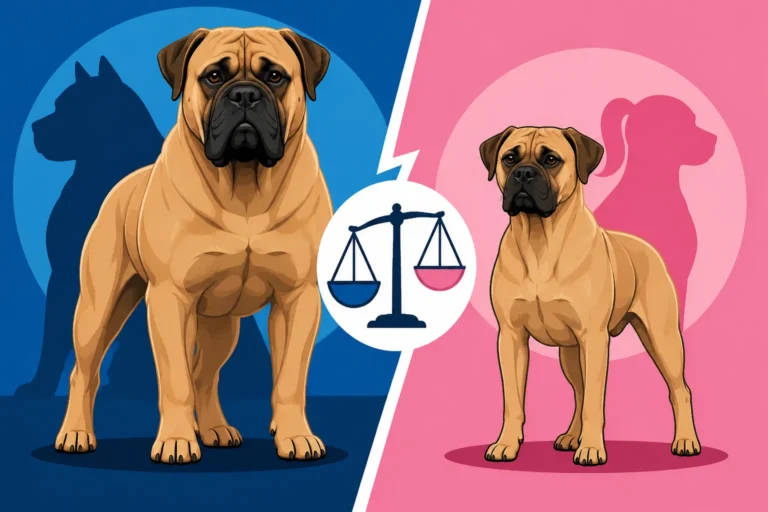
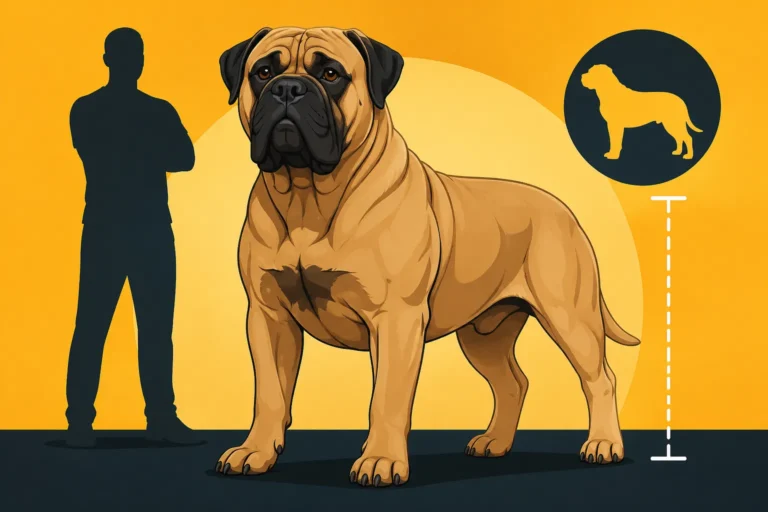
The English Mastiff is often cited as the heaviest dog breed in the world, and for good reason. These are truly colossal animals, embodying the term "gentle giant" with their massive frames and surprisingly calm demeanor. An adult male English Mastiff can easily stand over 30 inches tall at the shoulder and often tips the scales at an impressive 150-250 pounds, with some individuals going even higher. Females are also substantial, typically ranging from 120-170 pounds.
Their build is one of immense substance and power. They have a heavy bone structure, a deep chest, and a broad, powerful body. When an English Mastiff enters a room, they command attention through sheer mass alone. They move with a deliberate, sometimes lumbering gait, a true mountain of muscle and bone. Everything about them speaks of grandeur and immense size, from their large paws to their broad head. Living with such a large dog often means that everyday items, from dog beds to food bowls, need to be specifically designed for their impressive scale, available from retailers like Chewy.
Bullmastiff: The Agile Heavyweight
While still a large and powerful breed, the Bullmastiff is notably smaller and more athletic than its English Mastiff ancestor. An adult male Bullmastiff typically stands between 25-27 inches at the shoulder and weighs anywhere from 110-130 pounds. Females are slightly smaller, usually 24-26 inches and 100-120 pounds. This might still sound huge, and they are, but compared to the Mastiff, they are built for slightly more speed and agility.
The Bullmastiff's history as a poacher-catcher dictated that while they needed to be strong enough to hold a man, they also needed to be quick enough to pursue and catch one over rough terrain. Their build reflects this: powerful, muscular, and symmetrical, without the extreme heaviness of the English Mastiff. They have a more compact, square appearance. They possess a powerful, yet fluid movement that allows them to cover ground efficiently. They are still incredibly strong, capable of easily out-pulling an unprepared owner on a leash, which is why early training is so crucial. If you're wondering how much a Bullmastiff typically weighs, you can find more information in A Hundred and Thirty Pounds of Bullmastiff, Measured.
Distinguishing Physical Traits
Beyond their overall size, a closer look at their physical features reveals even more differences, especially when examining their heads, muzzles, and general body conformation. These traits are direct reflections of their breeding history and the jobs they were designed to do.
Head and Muzzle Differences
This is perhaps one of the most immediate visual cues when trying to differentiate between the two breeds. The English Mastiff boasts a large, impressive, and somewhat rectangular head that is proportionate to its massive body. Their muzzle is long, broad, and deep, with a fair amount of loose skin around the jowls, which contributes to their characteristic drool. Their expression is generally calm and dignified, with kind, dark eyes set widely apart. While they can have a dark mask, it's not as universally prominent or defined as in the Bullmastiff.
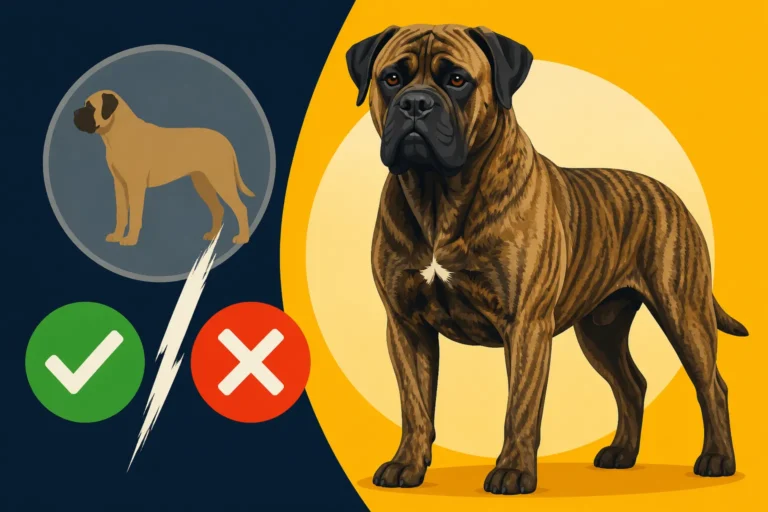
The Bullmastiff, conversely, has a distinctly broader and shorter skull, often described as more "square" when viewed from any angle. Their muzzle is notably shorter than the Mastiff's, approximately one-third the length of the entire head. This shorter muzzle contributes to their powerful bite and grip, a trait inherited from their Bulldog ancestors. A hallmark of the Bullmastiff is its strong, defined black mask that covers the muzzle and often extends up around the eyes. This mask is a breed requirement and gives them a more formidable, alert expression. You can delve deeper into this particular feature by reading The Black Mask Every Bullmastiff Must Have.
Body Build and Coat
When you look at their overall body, you'll notice further distinctions. The English Mastiff generally carries a considerable amount of loose skin, especially around the neck and chest, giving them a somewhat "wrinkled" appearance, particularly when compared to other breeds. Their frame is extremely heavy-boned, giving them a solid, almost ponderous look. They have a broad, deep chest and a long, powerful body. Their coat is short and dense, typically coming in fawn, apricot, or brindle, often with a darker mask.
The Bullmastiff's body, while still incredibly muscular and powerful, is generally tighter-skinned and more athletic in appearance. Their frame is substantial but not as heavy-boned as the English Mastiff, allowing for greater agility. They have a powerful, symmetrical build, with a deep, broad chest and a relatively short back, indicating strength and compact power. Their coat is short, dense, and weather-resistant, usually fawn, red, or brindle, always with that distinctive black mask. The blend of their ancestry, about The Bullmastiff Is Sixty Percent Mastiff and Forty Percent Bulldog, truly shines through in their muscular yet agile physique, making them powerful without being cumbersome.
Temperament and Purpose: Guardians with Different Approaches
Both breeds are natural guardians, deeply loyal to their families, but their historical roles have shaped their temperaments in subtly different ways. Understanding these nuances is key to appreciating their personalities.
The Gentle Giant: English Mastiff's Demeanor
The English Mastiff is often described as the quintessential "gentle giant." Despite their formidable size, they are renowned for their calm, docile, and even placid temperament. They are typically good-natured, patient, and tolerant, especially with children and other pets within their family unit. Their protective instinct is strong, but it often manifests as a quiet, watchful presence rather than overt aggression. A Mastiff’s primary mode of defense is usually to simply be there. Their sheer size and imposing presence are often enough to deter any perceived threat.
They tend to be quite reserved with strangers and are not prone to excessive barking. They will usually observe newcomers with a dignified aloofness, assessing the situation before deciding if a friendly interaction is warranted. They are not high-energy dogs and are quite content to lounge around the house, preferring the company of their family to vigorous activity. This makes them surprisingly well-suited to households that appreciate a large, quiet companion, as long as ample space is available for their enormous bodies.
The Fearless Protector: Bullmastiff's Instincts
The Bullmastiff, while equally loyal and affectionate with its family, possesses a more overtly protective and alert temperament. They are often described as fearless and confident, with a keen awareness of their surroundings. Their historical role required them to be actively involved in apprehending intruders, which translates into a more assertive guarding style. They are excellent watchdogs, though generally not excessive barkers, preferring to act silently as their ancestors did. This silent approach to guarding is something you can read about in Why a Bullmastiff Was Bred to Work Silently.
They are wary of strangers and will naturally position themselves between their family and any perceived threat. The Bullmastiff's protective instincts mean they need early and consistent socialization to ensure they differentiate between a friendly visitor and a genuine threat. Their guarding is less about passive presence and more about active intervention, including their famous "hold" technique without biting. If you're curious about how they were trained for this, check out A Bullmastiff Was Bred to Hold a Man, Not Bite Him. They are devoted companions who thrive on being part of the family, and their devotion often manifests as a desire to keep everyone safe.
Training and Exercise Needs
Considering their size and power, both breeds absolutely require consistent training and proper socialization. However, their different drives and physical compositions mean their exercise and training needs vary.
Managing the Mighty Mastiff
Training an English Mastiff can be a unique experience. They are intelligent but can also be quite independent and possess a "what's in it for me?" attitude. Their sheer size means you must establish yourself as the leader early on, not through force, but through consistent, positive reinforcement. Leash training is paramount; imagine trying to control a 200-pound dog that decides to pull! However, they are generally eager to please their loved ones and respond well to gentle, patient guidance. Keep sessions short, fun, and rewarding.
When it comes to exercise, English Mastiffs are surprisingly low-energy for their size. They are not built for endurance runs or intense athletic feats. A few leisurely walks a day and some supervised playtime in a securely fenced yard are usually sufficient to keep them happy and healthy. Over-exercising a Mastiff, especially as a puppy, can be detrimental to their developing joints. They are perfectly content to be couch potatoes as long as they get their outdoor potty breaks and a bit of fresh air. Providing a high-quality orthopedic bed, readily available on Chewy, is a must for their large joints.
Training the Deliberate Bullmastiff
Bullmastiffs are intelligent and can be very trainable, but they are also known for their strong will and a streak of independence. They are not a breed that will blindly obey every command; they tend to pause, process, and decide if your request is worth their effort. This "deliberate" nature means training requires immense patience, consistency, and a firm but fair hand. Positive reinforcement, using treats and praise, works wonders, while harsh corrections can easily backfire, making them shut down or become resistant.
Early socialization and puppy classes are non-negotiable for a Bullmastiff. Given their size and protective instincts, it’s critical that they learn appropriate behavior around other dogs, people, and different environments from a young age. Their exercise needs are moderate. They enjoy daily walks, playtime, and mental stimulation. While they aren't marathon runners, they are more active than English Mastiffs and benefit from a solid hour or two of activity spread throughout the day. It's vital to begin training them when they are small and manageable, before they reach their full power, as described in Training a Bullmastiff That Weighs More Than You Do.
Health and Lifespan Considerations
Owning any giant breed comes with its own set of health considerations and a generally shorter lifespan compared to smaller dogs. Both Mastiffs and Bullmastiffs share some common challenges, but there are also breed-specific concerns to be aware of.
Common Health Concerns in Both Breeds
Due to their large size, both English Mastiffs and Bullmastiffs are prone to several orthopedic issues. Hip and elbow dysplasia are significant concerns in both breeds, where the joints don't form properly, leading to arthritis and pain. Responsible breeders will screen their breeding stock for these conditions. Another life-threatening condition common to deep-chested breeds like these is gastric dilatation-volvulus (GDV), commonly known as bloat. This is an emergency where the stomach twists, cutting off blood supply. Owners of both breeds must be vigilant for signs of bloat and know when to seek immediate veterinary care. Certain cancers, like osteosarcoma (bone cancer) and lymphoma, are also more prevalent in giant breeds. It’s also crucial for puppies of both breeds to grow slowly on appropriate large breed puppy food, available at stores like Chewy, to support proper bone and joint development and help reduce the risk of orthopedic problems later in life. You can learn more about Why a Bullmastiff Puppy Needs Large Breed Food in another article.
Lifespan Expectations
It's a bittersweet truth that giant breeds generally have shorter lifespans than their smaller counterparts. The immense stress placed on their bodies due to their rapid growth and sheer size takes its toll. English Mastiffs typically live for about 6 to 10 years, with 8 years often being considered a good, long life for the breed. Their massive size contributes significantly to their shorter duration.
Bullmastiffs, while slightly smaller, also fall into a similar range, often living 7 to 9 years. The median Bullmastiff lifespan is roughly eight and a half years, which you can read more about in The Median Bullmastiff Lives Eight and a Half Years. Both breeds are prone to age-related issues in their senior years, including arthritis, mobility challenges, and continued cancer risk. Caring for an aging giant breed often involves managing pain, providing orthopedic support, and maintaining regular veterinary check-ups to ensure their comfort and quality of life for as long as possible.
Key Differences at a Glance
To summarize the main distinctions between these two magnificent breeds, here's a quick comparison:
| Feature | English Mastiff | Bullmastiff |
|---|---|---|
| Origins | Ancient breed, war dogs, estate guardians | 19th Century, bred to catch poachers (Mastiff x Bulldog) |
| Size (Weight) | 120-250+ lbs (heavier) | 100-130 lbs (lighter, more agile) |
| Size (Height) | 27-30+ inches (taller) | 24-27 inches (shorter, more compact) |
| Build | Massive, heavy-boned, often loose skin, ponderous | Muscular, powerful, compact, tighter skin, athletic |
| Head | Large, rectangular, longer muzzle, less defined mask | Broad, square, shorter muzzle, distinct black mask |
| Temperament | Gentle, docile, calm, reserved, watchful deterrent | Fearless, protective, alert, assertive guardian |
| Exercise Needs | Low to moderate, prefers lounging | Moderate, needs daily activity and mental stimulation |
| Lifespan | 6-10 years (typically) | 7-9 years (typically) |
| Protection | Deterrent by size/presence | Active, silent apprehension and holding |
Disclaimer
This article is for general informational purposes only and does not constitute professional advice. Laws, prices and regulations vary by location and change over time. Consult a qualified professional for guidance on your specific situation.