When the AKC Recognized the Bullmastiff
It’s easy to look at a majestic Bullmastiff today, with its impressive stature and calm demeanor, and assume it has always been a recognized and celebrated breed. However, the path to official recognition, particularly by a prominent body like the American Kennel Club (AKC), is a long and arduous one, steeped in history, dedication from passionate breeders, and rigorous standards. This guide will walk you through the fascinating journey of how the Bullmastiff, a breed originally bred for a very specific purpose in rural England, came to earn its place among the esteemed ranks of canine aristocracy in the United States, shedding light on the intricate process and its lasting impact on the breed we know and love.
The Formative Years and Early British Recognition
Before the Bullmastiff could even dream of American recognition, it first had to solidify its identity and gain acceptance in its homeland across the pond. This wasn't a breed that sprang fully formed from ancient lineage; it was a deliberate creation, a "gamekeeper's night dog" engineered for a very specific, demanding job. The development of the Bullmastiff during the 19th century in England was driven by the urgent need to combat poaching on vast estates. Gamekeepers required a dog that was large and powerful enough to tackle and hold a human intruder, but crucially, one that wouldn't inflict serious harm or bark to alert other poachers.
Blending Mastiff and Bulldog for Purpose
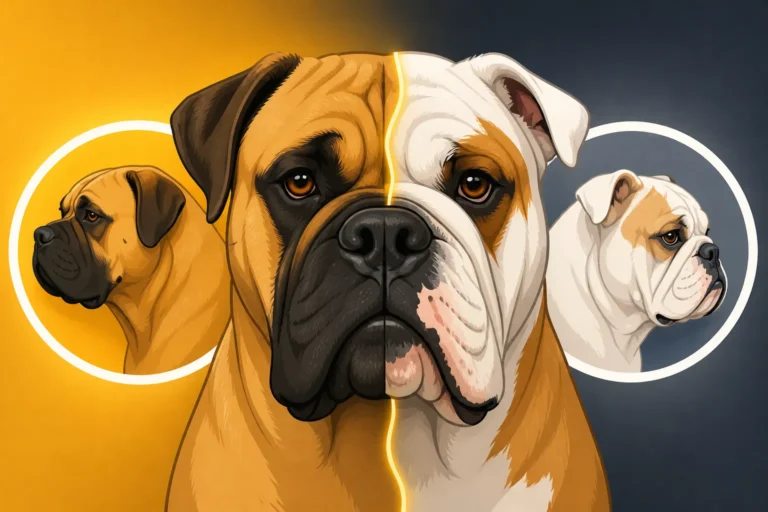
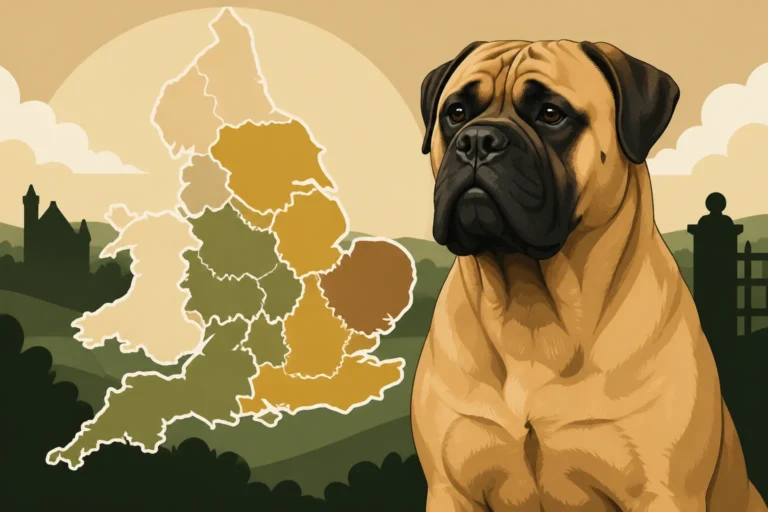
The genius of the early developers lay in their precise blend of existing breeds. They combined the strength, size, and guarding instinct of the Old English Mastiff with the tenacity, courage, and athleticism of the old-style Bulldog. This wasn't the squat, pushed-in-face Bulldog we recognize today, but a more athletic, taller dog closer to its fighting ancestors. The goal was sixty percent Mastiff for bulk and tracking ability, and forty percent Bulldog for speed, agility, and the "hold" instinct. This careful ratio was critical in developing a dog that could silently track a poacher, run them down, and then pin them to the ground without causing grievous injury, holding them until the gamekeeper arrived. It was a utilitarian breed through and through, valued for its working ability above all else. Which English Counties Bred the First Bullmastiffs gives more insight into these origins.
The British Kennel Club's Seal of Approval
The Bullmastiff began as a landrace, a functional crossbreed used by gamekeepers. It took concerted effort from dedicated enthusiasts to standardize the breed and push for official recognition. By the early 20th century, these efforts began to pay off. In 1924, the British Kennel Club officially recognized the Bullmastiff as a distinct breed. This was a monumental step, marking the transition from a working dog "type" to a recognized purebred. This recognition meant that Bullmastiffs could now be officially registered, their pedigrees tracked, and their characteristics judged against a formal breed standard. This brought a level of legitimacy and structure that was essential for the breed's future, laying the groundwork for its eventual journey across the Atlantic. It's truly fascinating to learn about When the Kennel Club Recognized the Bullmastiff and how that pivotal moment shaped the breed's destiny. The concept of What Purity Meant for the Bullmastiff in 1924 became central to its continued development.
Crossing the Atlantic: The Bullmastiff Arrives in America
Once recognized in its homeland, the stage was set for the Bullmastiff to make its mark on the global stage, starting with North America. The breed's unique combination of power, loyalty, and relatively low-key demeanor for such a large dog began to attract attention beyond the British estates.
The Decade the Breed Landed Stateside
The Bullmastiff's arrival in the United States primarily took place in the 1930s. This was a period when interest in diverse dog breeds was growing among American fanciers, and the unique appeal of the Bullmastiff—its imposing appearance coupled with a reputation for being a devoted, protective companion—made it an attractive prospect. Early imports often came from established British kennels, bringing with them the best of the breed's genetics and characteristics developed during its formative years. These foundational dogs were crucial in establishing the breed in the US, forming the basis for American breeding programs and the eventual pursuit of AKC recognition. The Decade the Bullmastiff Crossed the Atlantic truly highlights this important period for the breed.
Key American Importers and Early Advocates
The establishment of any breed in a new country relies heavily on the dedication of its early advocates. For the Bullmastiff, this meant individuals who not only imported dogs but also committed to responsible breeding, exhibition, and public education. These pioneers were instrumental in forming the first breed clubs in America, which are vital for maintaining breed standards, promoting ethical practices, and guiding the breed through the rigorous process of AKC recognition. They worked tirelessly to introduce the Bullmastiff to the American public and to the broader dog fancy, often overcoming initial skepticism about a relatively unknown "new" breed. Understanding Which Americans Imported the First Bullmastiffs helps us appreciate the personal commitments involved in bringing these magnificent dogs to our shores.
Navigating the AKC Recognition Process
Gaining recognition from the American Kennel Club is not a quick or easy feat. It's a multi-year process that demands consistent adherence to breed standards, documented history, and a substantial, geographically dispersed population of purebred dogs. The AKC's stringent requirements are designed to ensure that a breed is well-established, genetically stable, and responsibly managed before it can be officially welcomed into the fold.
The Application and Provisional Status
The first step for any aspiring breed is for a national parent club to form and submit an application to the AKC. This application typically includes detailed information about the breed's history, its purpose, the proposed breed standard (a comprehensive description of the ideal Bullmastiff in terms of appearance, temperament, and movement), and evidence of sufficient numbers of purebred dogs across the country. Once the initial criteria are met, a breed may be granted "provisional status," often allowing it to compete in certain AKC events like obedience or agility, but not yet in conformation (breed ring). This period allows the AKC to observe the breed's growth and the parent club's organizational capabilities. It's a crucial probationary phase, where the breed must prove its stability and the commitment of its fanciers.
Earning Full AKC Recognition
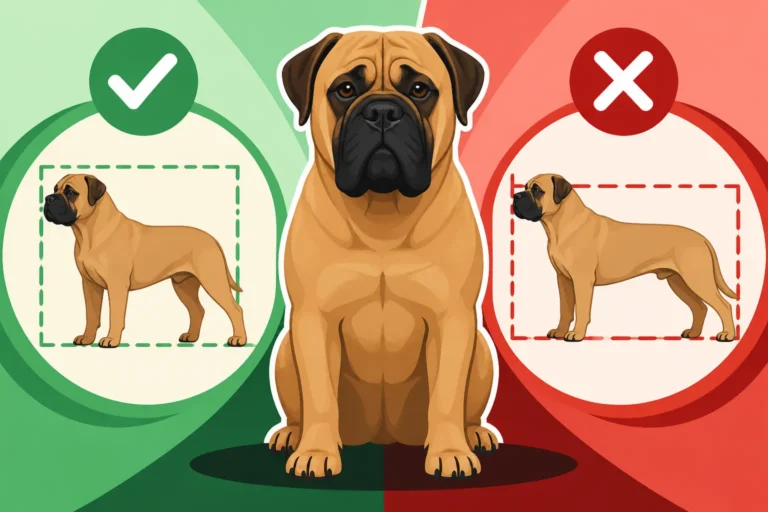
For the Bullmastiff, the journey culminated in full AKC recognition in 1933. This meant the breed could finally compete in the prestigious conformation ring, earning championship titles and participating in events like the Westminster Kennel Club Dog Show. The formal recognition also solidified the breed standard, ensuring that breeders across the country had a unified goal for their breeding programs. The standard dictates everything from acceptable coat colors like fawn, red, or brindle, to proper head shape, bite, and gait. It’s a blueprint for the ideal Bullmastiff. This official status was a testament to the hard work of those early American Bullmastiff enthusiasts, who diligently tracked pedigrees, promoted the breed, and ensured its qualities were consistently maintained. It cemented the Bullmastiff's place in the American purebred dog world, elevating its status and opening doors for greater visibility and acceptance.
The Impact of AKC Recognition on the Bullmastiff Breed
AKC recognition brought with it a cascade of effects, profoundly influencing the Bullmastiff's trajectory in America, from its official classification to its public image and breeding practices.
Placement in the Working Group
Upon recognition, the Bullmastiff was appropriately placed in the AKC's Working Group. This classification is significant because it acknowledges the breed's historical function and inherent traits. Dogs in the Working Group were historically bred to perform specific tasks such as guarding property, pulling sleds, or performing water rescues. The Bullmastiff's original purpose as a gamekeeper's protector aligns perfectly with this group. This placement helps potential owners understand the breed's inherent protective instincts and its need for proper training and socialization. It underscores that while they are wonderful family companions, they are fundamentally powerful working dogs with a strong sense of purpose. For more on this, check out Why the Bullmastiff Counts as a Working Dog.
Standardized Breeding and Health Initiatives
Perhaps one of the most vital benefits of AKC recognition is the promotion of standardized, responsible breeding practices. The existence of a formal breed standard provides clear guidelines for breeders aiming to produce healthy, typey Bullmastiffs. The parent club, the American Bullmastiff Association (ABA), plays a crucial role in disseminating this information and encouraging ethical breeding. This includes recommending specific health screenings, such as for hip and elbow dysplasia, cardiac issues, and eye conditions, to minimize the prevalence of hereditary diseases. Reputable breeders often list their health certifications, available through organizations like the Orthopedic Foundation for Animals (OFA) or Canine Health Information Center (CHIC). Many owners rely on resources like Chewy for information on breed-specific health concerns and to purchase supplements or specialized diets recommended by their vets to support joint health. This commitment to health ensures the well-being of future generations of Bullmastiffs. Learning Which Tests the American Bullmastiff Association Asks For is essential for prospective owners.
The Bullmastiff in American Culture and Popularity
AKC recognition opened the doors for the Bullmastiff to become more visible, influencing its popularity and how it's perceived within the broader American dog-owning community.
Fluctuations in Popularity
Like many breeds, the Bullmastiff's popularity has seen its ups and downs since its AKC recognition. There have been periods when the breed experienced significant surges in interest, often spurred by appearances in media or by celebrity ownership. The Decade the Bullmastiff Was Most Popular offers an interesting look into these peaks. However, owning a Bullmastiff is a serious commitment, requiring a significant investment of time, training, and resources, which sometimes leads to fluctuations in demand. The breed has consistently held a spot in the middle ranks of AKC registrations, maintaining a devoted following among those who appreciate its unique qualities. Despite its impressive presence, the breed's numbers have seen a gradual decline in recent decades, as highlighted in The Bullmastiff Has Been Sliding Down the Rankings for Thirty Years, signaling a need for continued advocacy by the breed's enthusiasts.
Challenges and Continued Advocacy
Even with AKC recognition, the Bullmastiff faces ongoing challenges. Maintaining breed integrity and health in a relatively small gene pool requires vigilance from breeders. Education remains crucial to ensure potential owners understand the breed's needs, temperament, and potential health issues, rather than being drawn solely by its imposing appearance. The breed's protective nature means early and consistent socialization is paramount. Reputable breeders and rescue organizations work tirelessly to place Bullmastiffs in appropriate homes and to support owners throughout their dogs' lives. Resources from places like Chewy are invaluable for new owners, offering everything from large breed specific toys to specialized crates that accommodate their impressive size. The commitment of organizations like the American Bullmastiff Association continues to be vital in safeguarding the breed's future, ensuring that its legacy as a noble, devoted guardian endures for generations to come. It’s also important to consider How Many Bullmastiff Breeders Are Left as it impacts the breed's future.
Bullmastiffs in the Modern American Home
The journey from a gamekeeper's night dog to an AKC-recognized family companion is a remarkable one. Today, the Bullmastiff thrives in American homes, cherished for its loyalty, protective instincts, and calm demeanor.
Temperament and Family Life
Modern Bullmastiffs, while retaining their ancestral guarding instincts, are typically known for their gentle and devoted nature, especially with their families. They are often described as "gentle giants" who form strong bonds with their human companions. This deep attachment means they often follow their owners from room to room, seeking to be close. Their calm disposition makes them excellent house dogs, often content to lounge quietly, provided they receive adequate exercise and mental stimulation. However, their size and natural protective tendencies mean that early socialization and consistent training are non-negotiable. They need to understand their place in the family hierarchy and learn how to appropriately interact with strangers and other animals. This careful upbringing ensures their inherent traits are channeled positively, allowing them to be wonderful, trustworthy members of the family.
Considerations for Prospective Owners
For anyone considering bringing a Bullmastiff into their home, understanding the implications of their breed history and recognition is key. Their substantial size dictates larger expenses for food, veterinary care, and supplies. A large, durable dog bed, perhaps one purchased from a vendor like Chewy, is essential for their joint health. Their protective nature requires an owner who is confident, consistent, and committed to training and socialization from a young age. While their exercise needs are moderate compared to some other working breeds, they still require daily walks and mental engagement. Most importantly, prospective owners must be prepared for the breed's shorter lifespan, which often means facing significant health challenges earlier than with many other breeds. Despite these considerations, for those prepared to meet their needs, a Bullmastiff offers unparalleled companionship and a loyal, watchful presence in the home.
The American Kennel Club's recognition of the Bullmastiff was not just a bureaucratic formality; it was a defining moment that acknowledged the breed's unique heritage and secured its place in the pantheon of purebred dogs. It established the standards that have guided responsible breeders for decades and paved the way for these magnificent dogs to become cherished family members across the country.
| Aspect | Before AKC Recognition (Pre-1933) | After AKC Recognition (1933 Onward) |
|---|---|---|
| Status | Primarily a "type" or crossbreed for specific work | Officially recognized purebred dog |
| Breeding | Variable, informal breeding by gamekeepers | Standardized breeding against a formal blueprint |
| Pedigrees | Often unrecorded or inconsistently tracked | Official registration and verifiable pedigrees |
| Exhibition | Limited to local, informal shows or none | Eligible for AKC conformation and performance events |
| Public Perception | Largely unknown outside working circles | Gaining visibility, perceived as a distinct breed |
| Parent Club | No formal national club in the US | American Bullmastiff Association established |
| Health Initiatives | Primarily individual breeder choices | Coordinated health screening recommendations |
| Classification | No official US classification | Placed in the AKC Working Group |
Disclaimer
This article is for general informational purposes only and does not constitute professional advice. Laws, prices and regulations vary by location and change over time. Consult a qualified professional for guidance on your specific situation.