How Many Bullmastiff Breeders Are Left
It's a question many prospective Bullmastiff owners find themselves asking: just how difficult is it to find a responsible breeder for these magnificent dogs these days? You've likely heard whispers that good breeders are hard to come by, or perhaps you've stumbled upon online listings that feel a bit… off. This guide is here to shed light on the current landscape of Bullmastiff breeding, detailing the challenges reputable breeders face, what makes a breeder truly ethical, and how you can navigate the process to find the healthy, well-adjusted Bullmastiff puppy of your dreams.
The Evolving Landscape of Bullmastiff Breeding
The world of dog breeding, especially for specific purebreds like the Bullmastiff, has seen significant shifts over the past few decades. What was once a relatively common sight in some areas has become a specialized niche, with the number of truly dedicated and ethical breeders dwindling. This isn't just a casual observation; it reflects broader trends within the canine community and society at large.
Historical Popularity Versus Today's Reality
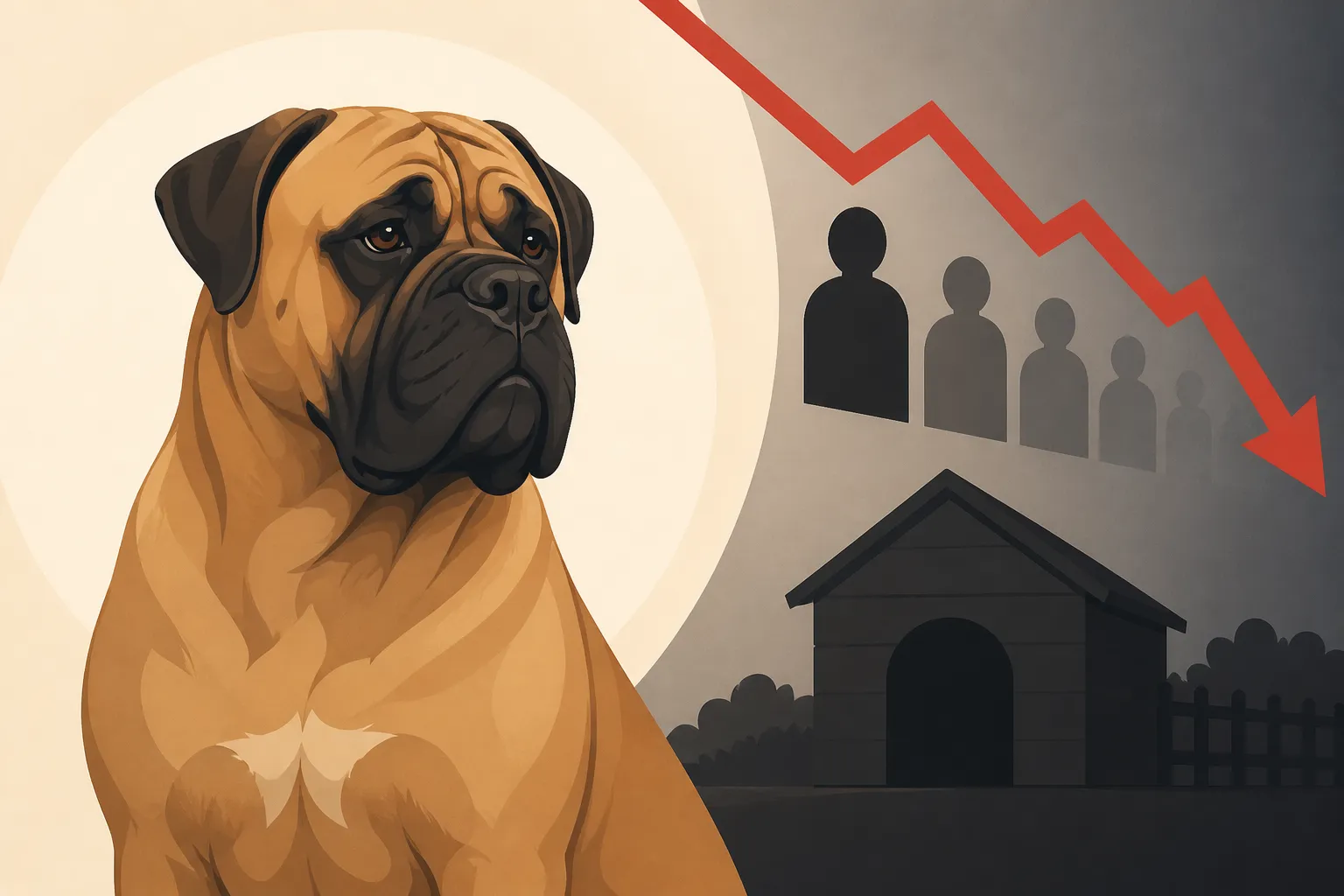
Back in the 1980s and 90s, the Bullmastiff enjoyed a surge in popularity. Their imposing presence, loyal nature, and "gentle giant" reputation captivated many, leading to an increase in registrations and, naturally, more breeders. It felt like everyone knew someone who had a Bullmastiff, or at least had seen one featured prominently in movies or TV shows. Fast forward to today, and while the breed still has a devoted following, its overall numbers have decreased considerably. This decline impacts the visibility and availability of breeders.
The romantic idea of a "backyard breeder" who simply breeds their pet without much thought for health or genetics was more prevalent then, too. While certainly not ideal, the sheer volume meant that even with a percentage of questionable pairings, there were still many reputable breeders dedicated to the breed standard and health. Today, with fewer overall Bullmastiffs, the ratio of truly excellent breeders to those who are simply breeding for profit or without proper knowledge can feel skewed. This shift makes the search for a healthy puppy from a responsible source much more critical and, at times, more challenging.
Factors Contributing to the Decline in Breeders
So, why are there fewer Bullmastiff breeders now? It's a complex web of factors. Firstly, the financial investment required to properly breed and raise a litter of Bullmastiffs is substantial. This isn't just about feeding puppies; it's about extensive health testing for both parents, quality nutrition, veterinary care for the dam and puppies, specialized equipment, and the sheer time commitment. Many individuals who might have considered breeding in the past find these costs prohibitive.
Secondly, the commitment involved is immense. Raising a litter of Bullmastiffs is a 24/7 job for weeks, often requiring time off work or significant sacrifices. Bullmastiffs, being a giant breed, have larger litters that demand more space, more food, and more attention to early socialization. The emotional toll, especially if health issues arise, can also be a deterrent. Thirdly, public sentiment and stricter regulations around animal welfare have also played a role. While these are positive developments overall, they can sometimes make it harder for small, ethical hobby breeders to operate without significant bureaucratic hurdles, inadvertently pushing some out of the practice. For a deeper dive into the numbers, you might want to read Why Bullmastiff Numbers Have Fallen Since the 1990s.
Regional Differences in Breeder Availability
The availability of Bullmastiff breeders isn't uniform across the country, or even across different states. You might find a cluster of dedicated breeders in one region, perhaps where a strong breed club has historically been active, while in other vast areas, there might be only a handful, or none at all. This means that if you're set on a Bullmastiff, you might need to be prepared to travel significant distances – often across state lines or even multiple states – to find a reputable breeder.
Local dog shows, breed-specific events, or even just word-of-mouth within a close-knit Bullmastiff community tend to be the primary ways people discover breeders. Online searches can yield results, but often you'll encounter a mix of legitimate operations and less scrupulous sources. This regional disparity highlights the importance of casting a wide net in your search and being willing to invest time and effort in connecting with breeders who prioritize the well-being of their dogs over convenience or proximity.
Challenges Facing Dedicated Bullmastiff Breeders
Being a responsible Bullmastiff breeder is far from a get-rich-quick scheme; in fact, it's often a labor of love that involves considerable financial and emotional investment. Dedicated breeders are passionate about preserving and improving the breed, but they navigate a landscape filled with significant hurdles that casual observers rarely see.
The Substantial Financial Investment
Let's be frank: responsible Bullmastiff breeding is expensive. It starts long before a puppy is even conceived. Prospective parent dogs undergo a battery of health screenings to ensure they don't pass on genetic predispositions to issues like hip and elbow dysplasia, heart conditions, or certain cancers. These tests, like OFA certifications for joints and echocardiograms for hearts, are not cheap. What a Bullmastiff's Cardiac Screening Costs or Whether a Bullmastiff Breeder Hip Scores are topics that speak to the significant financial outlay involved in just the pre-breeding phase.
Then there's the cost of maintaining breeding-quality dogs with top-tier food, regular veterinary check-ups, and specialized care during pregnancy and whelping. Once the puppies arrive, the expenses multiply: supplemental feeding, vaccinations, deworming, microchipping, and around-the-clock care for sometimes large litters. A responsible breeder isn't cutting corners by skimping on these vital steps. They're investing heavily in the health and well-being of each puppy, and that investment is reflected in the fair price they charge, which is often a fraction of their actual costs. You'll quickly understand Why a Bullmastiff Under a Thousand Dollars Is a Warning if you consider these expenses.
Navigating Health Screening Complexities
Bullmastiffs, like many large purebreds, are prone to certain health conditions. A dedicated breeder sees it as their ethical responsibility to minimize the risk of passing on these issues. This isn't a simple "vet check" before breeding; it involves specific, often specialized, screenings. For example, Subaortic Stenosis Is There Before a Bullmastiff's First Birthday, meaning cardiac clearances are critical. Similarly, Hips and Elbows Under a Hundred and Thirty Pound Bullmastiff are major concerns that require specific x-rays and evaluations.
These tests can be costly and time-consuming, sometimes requiring appointments with board-certified veterinary specialists. Moreover, interpreting the results and making informed breeding decisions requires a deep understanding of genetics and breed-specific health issues. Breeders must stay current with research and recommendations from breed clubs, often consulting with mentors and geneticists. This commitment to health screening is a hallmark of a truly responsible breeder and is a non-negotiable step in producing healthy puppies that have the best chance at a long, fulfilling life.
Finding Suitable, Lifelong Homes
Perhaps one of the biggest challenges for a dedicated Bullmastiff breeder is finding the right homes for their puppies. These aren't just any dogs; they are large, powerful, and require owners who understand their unique needs, temperament, and potential health challenges. A good breeder will spend significant time vetting prospective buyers. This isn't about being nosey; it's about ensuring a lifetime match.
They'll ask about your living situation, your experience with large breeds, your understanding of their exercise and training needs, and your financial ability to care for a giant dog. They'll also make sure you understand the commitment involved, knowing that a Bullmastiff isn't truly mature until around three years old. They might even ask about your vet references or if you're prepared to feed a specific large-breed diet, perhaps one you can easily source from places like Chewy. This meticulous screening process often means waiting lists are long, as breeders prioritize quality homes over quick sales. Their goal is to prevent their puppies from ever ending up in a rescue or shelter, which is why they also usually have a What a Bullmastiff Breeder Contract Requires that includes a take-back clause.
Identifying a Reputable Bullmastiff Breeder
The quest for a Bullmastiff puppy often starts with an online search, but separating the wheat from the chaff is crucial. A reputable breeder is more than just someone with puppies; they are a guardian of the breed's future, dedicated to health, temperament, and ethical practices. Knowing what to look for, and what to avoid, will save you a lot of heartache and ensure you bring home a healthy, well-adjusted companion.
Asking the Right Questions and Expecting Transparency
When you first contact a potential breeder, be prepared to ask a lot of questions – and expect them to ask you even more! A good breeder welcomes your inquiries because it shows you're serious and invested. They should be transparent about their breeding practices, the health of their dogs, and the daily lives of their puppies. Don't shy away from asking Which Questions to Ask a Bullmastiff Breeder, such as details about the parents' pedigrees, temperament, and how they socialize their puppies.
They should be able to tell you about the health history of their lines, not just the immediate parents. In turn, be honest about your living situation, your experience, and your expectations. A truly responsible breeder wants to ensure a perfect match, and that means open communication from both sides. They will want to know if you're buying your dog food and supplies from a reputable source like Chewy, demonstrating you're thinking about your dog's long-term care.
Understanding Health Clearances and Proof
This is where the rubber meets the road for a reputable breeder. Simply stating that "parents are healthy" is not enough. You need to see proof of specific health clearances. For Bullmastiffs, this typically includes:
- Hips and Elbows: Certified by the Orthopedic Foundation for Animals (OFA) or PennHIP. This screens for dysplasia, a debilitating joint condition.
- Cardiac: Examinations by a board-certified veterinary cardiologist, often with an echocardiogram, to rule out conditions like Subaortic Stenosis (SAS).
- Eyes: Cleared by a veterinary ophthalmologist through the Canine Eye Registry Foundation (CERF) or OFA Eye Certification.
- Thyroid: OFA Thyroid certification to screen for hypothyroidism.
A reputable breeder will not only have these clearances but will be happy to show you the official certificates or direct you to public databases where you can verify them, such as the OFA website. They will also educate you on What Health Results a Bullmastiff Breeder Should Show and explain why each test is important for the Bullmastiff breed specifically. If a breeder makes excuses or says these tests aren't necessary, walk away.
Red Flags to Watch For
Unfortunately, not everyone breeding Bullmastiffs has the dogs' best interests at heart. Recognizing red flags is crucial for avoiding puppy mills, unethical breeders, or scams.
Here's what should raise a warning sign:
- No Health Testing/Proof: As mentioned, if they can't or won't provide verifiable health clearances for the parents, it's a huge red flag.
- Lack of Transparency: Breeders who are evasive, won't let you visit their facility (or show you virtual tours), or rush you into a decision are problematic.
- Multiple Breeds/Always Available Puppies: Reputable breeders usually specialize in one or two breeds and don't always have puppies ready. High availability often points to a commercial operation.
- Poor Conditions: If you do visit and find unsanitary conditions, overcrowded kennels, or dogs that appear neglected or poorly socialized, leave immediately.
- No Contract or Health Guarantee: A good breeder will have a comprehensive contract that outlines responsibilities, health guarantees, and often a "take-back" clause if you can no longer keep the dog.
- Price is Too Low: While cost shouldn't be the only factor, an unusually low price for a Bullmastiff puppy often indicates corners were cut in health testing, care, or breeding practices.
- Doesn't Ask You Questions: If a breeder doesn't seem interested in your home, lifestyle, or experience, they are likely more concerned with selling a puppy than placing it responsibly.
- Pushy Sales Tactics: High-pressure sales or demanding an immediate deposit without giving you time to think or ask questions are warning signs.
By being diligent and observing these guidelines, you can significantly increase your chances of finding an ethical breeder who prioritizes the welfare of their Bullmastiffs.
The Role of Breed Clubs and Registries
When you're searching for a Bullmastiff, you'll inevitably encounter references to breed clubs and registries. These organizations play a vital role in maintaining breed standards, promoting responsible breeding, and supporting owners. Understanding their function can significantly aid your search for a reputable breeder and a healthy puppy.
Establishing Standards and Guidelines
Organizations like the American Kennel Club (AKC) and breed-specific clubs such as the American Bullmastiff Association (ABA) are the custodians of breed integrity. They establish the breed standard, which is essentially a blueprint describing the ideal Bullmastiff in terms of physical characteristics, temperament, and movement. This standard guides breeders in their efforts to produce dogs that conform to the breed's historical purpose and aesthetic.
Beyond physical traits, these clubs also often publish ethical guidelines for breeders. These guidelines encourage health testing, proper socialization, and responsible placement of puppies. While not legally binding, reputable breeders adhere to these standards as a matter of principle, demonstrating their commitment to the breed's health and future. For example, the American Bullmastiff Association's requirements in terms of health clearances are often far more extensive than basic veterinary checks.
Breeder Directories and Resources
One of the most valuable resources offered by breed clubs are their breeder directories. The ABA, for instance, often maintains a list of member breeders who have agreed to abide by their code of ethics. This can be an excellent starting point for your search, as it filters out many less reputable operations. However, it's important to remember that being listed in a directory isn't an automatic guarantee of quality; you still need to do your due diligence and ask all the necessary questions.
These clubs also provide educational materials for prospective owners, host events like dog shows and health clinics, and connect you with a network of experienced Bullmastiff enthusiasts. This community can be an invaluable source of advice, mentorship, and support throughout your Bullmastiff's life, from puppyhood to their senior years. Many breeders are active members of these clubs, attending events and contributing to the breed's welfare, and are great resources for finding the right products, like specialized large breed food from Chewy.
Impact on Ethical Breeding Practices
The influence of breed clubs on ethical breeding cannot be overstated. By setting standards and providing resources, they help shape the practices of responsible breeders. They promote the importance of genetic diversity, screening for hereditary diseases, and prioritizing temperament above all else. When you choose a breeder who is an active member of a reputable breed club, you're often choosing someone who is deeply committed to these ethical principles.
These clubs also serve as a platform for breeders to share knowledge, discuss challenges, and collaborate on research initiatives aimed at improving the health of the breed. This collective effort is vital for a breed like the Bullmastiff, which faces specific health concerns. By engaging with these organizations, breeders contribute to a larger mission of preserving the Bullmastiff for future generations, ensuring they remain the loyal, protective, and loving companions they were bred to be.
Ethical Breeding Practices Defined
When we talk about an "ethical breeder," we're not just talking about someone who means well. We're talking about a comprehensive approach to breeding that prioritizes the health, welfare, and long-term success of every single dog and puppy. This goes far beyond simply pairing two dogs and hoping for the best; it's a science, an art, and a profound responsibility.
Comprehensive Health Testing and Genetic Screening
As we touched on earlier, health testing is absolutely paramount. An ethical Bullmastiff breeder doesn't guess about the health of their breeding dogs; they test, verify, and make informed decisions. This isn't just about the parents; it’s about understanding the health history of their entire pedigree, including grandparents and siblings, to identify potential genetic weaknesses. They will be keen to share details about Whether a Bullmastiff Breeder Hip Scores and Whether a Bullmastiff Breeder Screens for Heart Disease.
Furthermore, they understand that some health issues are complex and may involve multiple genes or environmental factors. They engage with veterinary specialists, stay updated on scientific research, and make breeding choices that aim to reduce the incidence of hereditary diseases within their lines. This commitment dramatically improves the chances that your Bullmastiff puppy will lead a long, healthy life, free from preventable genetic ailments.
Puppy Rearing, Socialization, and Environment
The responsibility of an ethical breeder extends far beyond the moment puppies are born. The environment in which puppies are raised, and the early socialization they receive, are critical for their behavioral development. Ethical breeders raise their puppies in a stimulating, clean home environment, exposing them to a variety of sights, sounds, textures, and people. This early exposure helps the puppies develop into confident, well-adjusted adults.
They implement age-appropriate socialization protocols, introduce puppies to different surfaces, sounds, and gentle human interaction from an early age. They also teach basic manners, work on potty training foundations, and ensure each puppy receives individual attention. This intensive early care makes a world of difference in a puppy's temperament and ability to adapt to its new home. It’s also often where breeders begin to make recommendations for appropriate toys or training tools, suggesting trusted retailers like Chewy.
Lifetime Support and Take-Back Contracts
A hallmark of an ethical breeder is their commitment to their puppies for life. This means they don't just sell you a puppy and disappear; they remain a resource and support system for the dog's entire life. They are available to answer questions, offer advice, and help troubleshoot any issues that may arise, whether it's related to health, training, or behavior.
Crucially, an ethical breeder will also have a "take-back" clause in their contract. This clause states that if for any reason you are unable to keep your Bullmastiff at any point in its life, the dog must be returned to them. This ensures that no Bullmastiff they have bred ever ends up in a shelter or rescue, giving them peace of mind and demonstrating their unwavering commitment to their dogs. This long-term relationship is a clear indicator of a breeder's integrity and dedication.
Alternative Avenues: Rescue and Adoption
While finding a reputable breeder is the ideal path for many, it's not the only way to bring a Bullmastiff into your home. Bullmastiff rescue organizations perform invaluable work, offering loving homes to dogs who, through no fault of their own, find themselves in need. Adopting can be an incredibly rewarding experience, and it's an avenue worth exploring.
Why Bullmastiffs End Up in Rescue
You might wonder why a magnificent breed like the Bullmastiff would ever end up in a rescue. The reasons are varied and often heartbreaking, but rarely are they due to inherent flaws in the dog. Common reasons include owners underestimating the breed's size, strength, or specific care needs. A Bullmastiff can easily outweigh an adult, and Training a Bullmastiff That Weighs More Than You Do requires a dedicated owner. They need substantial space, and sometimes life changes like a new baby, a move, or a job loss can make it impossible for families to keep their giant companion.
Health issues, especially the unexpected high costs of conditions like cancer or joint problems, can also lead to surrender if owners are unprepared financially. Sometimes, an owner passes away, leaving their beloved pet without a home. It's rarely about the dog being "bad"; it's usually about circumstances or a mismatch between the dog's needs and the owner's capabilities. These dogs often come with a good history, and rescues work hard to gather as much information as possible.
The Adoption Process in a Bullmastiff Rescue
The adoption process through a reputable Bullmastiff rescue is often quite thorough, mirroring some of the vetting you'd experience with a good breeder. Rescues want to ensure their dogs find forever homes where they will thrive. Typically, the process involves an application, a phone interview, reference checks (including your veterinarian), and a home visit. They'll ask detailed questions about your lifestyle, living situation, previous dog experience, and what you're looking for in a companion.
This rigorous process is for the dog's benefit, ensuring that their next home is truly the right fit. Rescues invest a lot of time, money, and love into each dog, providing necessary veterinary care, training, and rehabilitation. They learn about each dog's personality, quirks, and specific needs so they can make the best possible match with a prospective adopter. You can find out more about this process and general locations by looking into Adopting a Bullmastiff From Rescue and Where Bullmastiff Rescues Operate.
The Benefits of Adopting an Adult Bullmastiff
Adopting an adult Bullmastiff from a rescue offers several unique benefits. Firstly, what you see is what you get. An adult dog's personality, energy level, and full size are already established, eliminating some of the "guesswork" that comes with a puppy. You'll know if the dog is good with children, other pets, or if they have specific quirks. Rescues often foster their dogs in home environments, allowing them to provide detailed insights into the dog's behavior.
Secondly, many rescue Bullmastiffs are already house-trained and may have some basic obedience skills, saving you a lot of effort that goes into raising a puppy. Thirdly, you're giving a second chance to a deserving dog, and the gratitude they show can be incredibly heartwarming. While the lifespan of a Bullmastiff means even an adult dog might not have as many years ahead as a puppy, the depth of companionship can be incredibly rich. Many adopters find immense joy in helping a dog heal and flourish in a loving home, and can use resources like Chewy to ensure they have all the right supplies from day one.
Conclusion: Finding Your Bullmastiff Companion
Whether you choose to seek out a responsible breeder or open your heart and home to a Bullmastiff in need through rescue, the journey to finding your companion is one filled with careful consideration and, ultimately, immense reward. Dedicated Bullmastiff breeders are a special breed themselves, investing countless hours and significant resources into ensuring the health and temperament of their dogs. By understanding their challenges, knowing what questions to ask, and recognizing the hallmarks of ethical practice, you can confidently navigate the process. Similarly, Bullmastiff rescues offer a vital service, giving deserving dogs a second chance at a loving life. Whichever path you choose, remember that the goal is a lifelong partnership with a magnificent Bullmastiff, a journey that promises unwavering loyalty and companionship.
Disclaimer
This article is for general informational purposes only and does not constitute professional advice. Laws, prices and regulations vary by location and change over time. Consult a qualified professional for guidance on your specific situation.