Adopting a Bullmastiff From Rescue
Bringing a Bullmastiff into your life is an incredible commitment, and sometimes, the traditional route of finding a puppy from a breeder isn't the path for everyone. Maybe you're drawn to the idea of giving an adult dog a second chance, or perhaps you're simply ready to bypass the puppy stage entirely. Adopting a Bullmastiff from a rescue can be an immensely rewarding experience, but it also comes with its own set of questions and considerations. This comprehensive guide is here to walk you through the ins and outs of Bullmastiff rescue, helping you understand the process, the costs, and what to expect when you open your heart and home to one of these magnificent, often misunderstood dogs.
The Appeal and Reality of Bullmastiff Rescue
There's something uniquely special about adopting a dog that has already seen a bit of life. For many, the desire to rescue stems from a deep empathy, a wish to provide a loving, stable home to an animal that might have experienced hardship, neglect, or simply a change in circumstances. When it comes to Bullmastiffs, their sheer size and powerful presence can sometimes mean they are surrendered for reasons that aren't about their temperament at all, but rather their owner's inability to manage their needs or unforeseen life events.
The Heart Behind Adopting a Bullmastiff From Rescue
Choosing to adopt from a rescue is truly an act of compassion. You're not just getting a dog; you're offering a lifeline. Many Bullmastiffs in rescue find themselves there through no fault of their own. Their previous families might have moved to a place where large dogs aren't allowed, experienced a financial setback that made their care untenable, or even underestimated the breed's needs for space, training, and companionship. Knowing that you are providing a safe, forever home to a dog that desperately needs one can fill your heart in a way that is truly profound. It’s a chance to rewrite a dog’s story, offering stability and love that might have been missing.
Imagine a gentle giant, perhaps a little confused or nervous, slowly blooming under your care, its trust growing with each patient interaction. This transformation is what many rescue adopters cherish most. You become their anchor, their safe harbor, and the bond forged through that journey can be incredibly deep and powerful. It takes a special kind of dedication, but the rewards—a loyal, loving companion—are immeasurable.
Common Misconceptions About Rescue Dogs
It’s easy to fall into the trap of thinking that all rescue dogs come with insurmountable baggage or severe behavioral issues. While some certainly do, it’s far from the universal truth. Many Bullmastiffs in rescue are simply wonderful dogs who, through no fault of their own, found themselves displaced. They might be house-trained, well-socialized, and simply looking for a new family to love. The biggest misconception is that they are "broken" or "damaged goods." This simply isn't fair.
The reality is that rescue organizations, especially breed-specific ones, work tirelessly to assess each dog’s temperament, health, and history to the best of their ability. They want to make successful matches, so they're often quite transparent about any known quirks or challenges a dog might have. It's about finding the right fit for both the dog and the adopter, rather than just moving animals out the door. Don't let generalized fears prevent you from exploring the incredible dogs waiting for homes.
Why Bullmastiffs End Up in Rescue
Bullmastiffs are majestic, powerful dogs with hearts of gold, but their size and strength can be overwhelming for unprepared owners. This often leads to their surrender. One common reason is simply a lack of understanding about the breed's specific needs. People might not realize just how massive a Bullmastiff truly gets, or how much management their sheer bulk requires, especially in terms of training and space. They are often surrendered because owners didn't realize Whether a Bullmastiff Is Too Much Dog for Most Homes.
Another significant factor is the breed's potential health challenges and their associated costs, which can become astronomical. Unexpected medical emergencies or chronic conditions can quickly exhaust an owner's resources, forcing them to make the heartbreaking decision to surrender their beloved pet. Additionally, lifestyle changes, such as new jobs, moves, or the arrival of children that were not properly introduced to the dog, can also lead to a Bullmastiff losing its home. Sometimes, owners realize they simply don't have the time or energy to dedicate to a dog that craves companionship and gentle leadership.
Finding the Right Bullmastiff Rescue Organization
When you decide to adopt a Bullmastiff, the first crucial step is finding a reputable rescue. This isn't just about finding a dog; it's about partnering with an organization that prioritizes the welfare of the animals and sets you up for success as an adopter. There are breed-specific rescues dedicated solely to Bullmastiffs, as well as general shelters and all-breed rescues that occasionally have them. Each has its own benefits and considerations.
Navigating Breed-Specific Bullmastiff Rescues
Breed-specific Bullmastiff rescues are often the gold standard for finding a purebred Bullmastiff. These organizations are typically run by passionate volunteers who have extensive experience with the breed. They understand the nuances of Bullmastiff temperament, potential health issues, and training needs. Because of this, they are incredibly skilled at matching the right dog with the right family. They’ve often invested significant time and resources into each dog, from extensive veterinary care to behavioral evaluations and even basic training.
These rescues usually have a network of foster homes, which means the dogs are living in a family environment rather than a kennel. This allows the rescue to get a much better sense of the dog's personality, quirks, and how it interacts with children, other pets, and various household routines. This firsthand knowledge is invaluable for finding a compatible match. They can tell you if a dog is truly a "couch potato" or if it still has a surprising amount of energy. The downside? These rescues often have long waiting lists, and their adoption processes can be quite thorough, but this is a testament to their commitment to their dogs.
General Shelters and All-Breed Rescues
You can also find Bullmastiffs in general shelters or all-breed rescues. These organizations often take in a wider variety of dogs and can sometimes be overlooked by those specifically seeking a Bullmastiff. While they may not have the deep breed-specific knowledge of a dedicated rescue, many larger shelters have excellent veterinary care, behavioral assessment teams, and robust adoption programs. They might not be able to tell you the ins and outs of What a Bullmastiff Was Bred to Do to a Poacher like a breed specialist, but they will provide essential health and temperament information.
The challenge here is that Bullmastiffs in general shelters might not have been in foster homes, meaning their behavior in a kennel environment could differ significantly from how they'd act in a home. It's crucial to spend extra time observing the dog, asking detailed questions about their known history, and understanding their assessment process. Don't be afraid to ask if they've conducted any specific behavioral tests or if there's any information about the dog's previous living situation. Always ensure they have a clear return policy should the match not work out, although this is rare with proper due diligence.
Red Flags to Watch Out For in a Rescue
While most rescues operate with integrity and a deep love for animals, it's wise to be aware of potential red flags. A truly reputable rescue will be transparent, thorough, and focused on the welfare of the dog above all else. Be wary of any organization that seems overly eager to rush an adoption, pressures you into making a quick decision, or doesn't seem to care about your living situation or experience.
Other red flags include a lack of veterinary records, an unwillingness to let you meet the dog in a natural setting (if it's in a foster home), or an absence of any screening process beyond a basic fee. If the facility is dirty, the dogs seem neglected, or the staff can't answer basic questions about the dogs' health or behavior, it's time to walk away. A rescue should be a partner in your adoption journey, not just a transaction. Always trust your gut instinct.
Understanding the Adoption Process
Adopting a Bullmastiff from a reputable rescue isn't like buying a puppy online. It’s a thorough, multi-step process designed to ensure that both you and the dog are set up for a successful, lifelong partnership. While each rescue has its own specific procedures, there are common stages you can expect, from the initial application to meeting your potential new family member.
The Application and Interview Stage
Once you've found a rescue you're interested in, the journey typically begins with a detailed application. This isn't meant to be intrusive; it's the rescue's way of getting to know you, your family, your living situation, and your experience with dogs, especially large breeds like Bullmastiffs. Expect questions about your home environment (yard size, fencing), family members (children, other pets), your daily routine, and your past pet ownership history. They might ask about your stance on training, veterinary care, and even how you plan to manage common Bullmastiff traits like drooling or stubbornness.
Following a successful application review, you'll likely be invited for an interview, which might be in person or over the phone. This is your chance to ask all your questions and for the rescue to get a better feel for your personality and expectations. Be honest and open. The rescue isn't looking for perfection; they're looking for compatibility and commitment. If you mention that you're prepared for the financial aspect, they might appreciate that you've considered the lifetime expenses, which include Chemotherapy Is the Bill Most Bullmastiff Owners Face.
The Importance of a Home Visit
Many reputable Bullmastiff rescues will require a home visit. This isn't an inspection designed to critique your housekeeping; it’s an opportunity for the rescue to ensure your home is a safe and suitable environment for a large dog. They’ll look for things like secure fencing, potential hazards, and adequate space for a Bullmastiff to live comfortably. They’ll also want to see where the dog will sleep, eat, and spend its time.
A home visit also allows the rescue to meet all members of your household, including other pets. This helps them assess the overall dynamic and ensure that everyone is on board with the adoption. It's a chance for them to offer advice on preparing your home for a large dog, like securing valuables or setting up a safe space. Think of it as a collaborative step to ensure the best possible outcome for your future Bullmastiff.
Meeting Your Potential Bullmastiff
After clearing the initial hurdles, the most exciting part begins: meeting the Bullmastiff (or Bullmastiffs) that the rescue believes would be a good fit. This isn't a quick grab-and-go; reputable rescues encourage multiple visits. This allows you and the dog to get to know each other in a low-pressure environment. You might spend time walking the dog, playing with it, or simply sitting quietly together.
Pay close attention to the dog's body language and how it interacts with you and your family. Does it seem comfortable? Curious? Overly shy or boisterous? Rescues often have experienced volunteers who can interpret these behaviors and help guide your observations. If you have other dogs, the rescue will often facilitate a supervised "meet and greet" to ensure compatibility. This careful, deliberate approach maximizes the chances of a successful, loving placement for everyone involved.
The Costs Associated with Adopting a Bullmastiff
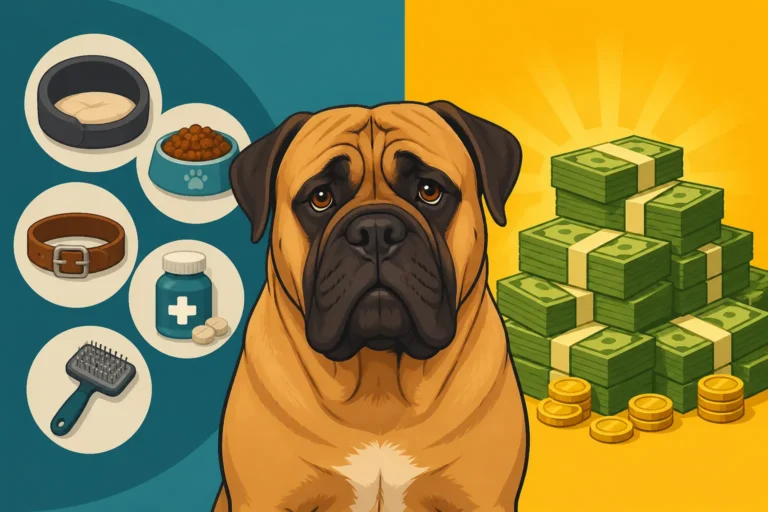
One of the most appealing aspects of rescue is the perception that it's "cheaper" than buying from a breeder. While the initial adoption fee is often less than a puppy price, it's crucial to understand that adopting a Bullmastiff, especially an adult, comes with its own financial considerations. These dogs are giants, and their needs—from food to veterinary care—are proportional to their size.
What a Bullmastiff Rescue Adoption Fee Covers
A typical Bullmastiff rescue adoption fee isn't just a charge for the dog itself. It's a contribution towards the significant expenses the rescue has already incurred in caring for the dog. These fees usually cover a comprehensive package of veterinary services, often far exceeding what you'd get when purchasing a puppy. This generally includes:
- Spay/Neuter Surgery: Almost all rescues require that adopted animals be spayed or neutered to prevent further unplanned litters.
- Up-to-Date Vaccinations: The dog will typically have all necessary vaccinations, including rabies, distemper, parvovirus, and often kennel cough.
- Microchipping: This vital step helps ensure that if your Bullmastiff ever gets lost, it can be identified and returned to you.
- Parasite Treatment: Flea, tick, and heartworm prevention will usually be administered, and deworming often occurs.
- Initial Health Check-up: A thorough veterinary examination ensures the dog is healthy before adoption.
- Behavioral Assessment and Training: Many rescues invest in professional behavioral assessments and sometimes even basic obedience training for their dogs.
The adoption fee essentially reimburses the rescue for a portion of these costs, allowing them to continue their life-saving work. It's an investment in a healthy, well-cared-for companion.
Beyond the Adoption Fee: Initial Setup Costs
While the adoption fee covers many of the initial medical expenses, you'll still have significant setup costs when bringing your Bullmastiff home. These are essential for comfort, safety, and training.
Initial Setup Cost Estimate for a Bullmastiff
| Item | Description | Estimated Cost Shape |
|---|---|---|
| Crate | Giant breed size for safety, house-training, and den space. | Can be a substantial investment. |
| Orthopedic Bedding | Crucial for joint health of a heavy breed. | Quality can vary widely, but expect a higher cost for durability. |
| Food (Large Breed Adult/Senior) | High-quality large-breed formula for the first month. | Significant monthly expense, varies by brand. |
| Collar, Leash, & Harness | Heavy-duty, durable equipment appropriate for strength. | Moderate, but essential for control and safety. |
| Bowls (Food & Water) | Large capacity, sturdy, possibly elevated or slow-feeder. | Relatively low, but good quality lasts. |
| Toys & Chews | Durable, appropriate for strong chewers. | Ongoing, but initial stock is important. |
| Grooming Supplies | Brush, nail clippers/Dremel, dog shampoo. | Low initial cost, but ongoing use. |
| Vet Check-Up (Post-Adoption) | Follow-up with your own vet to establish care. | Standard exam fee, plus any recommended diagnostics. |
| Training Classes/Private Trainer | Essential for continued socialization and manners. | Can be a significant investment, varies by instructor. |
Many of these items, like a giant crate or an orthopedic bed, are larger and therefore more expensive for a Bullmastiff than for smaller breeds. You might want to check out retailers like Chewy for a wide selection of durable gear suitable for a large breed. Remember, these are one-time or infrequent purchases, but they are crucial. Don't skimp on quality for items that directly impact your Bullmastiff's comfort and safety. For a broader look at financial commitments, consider What the First Year With a Bullmastiff Costs.
Budgeting for Ongoing Bullmastiff Ownership
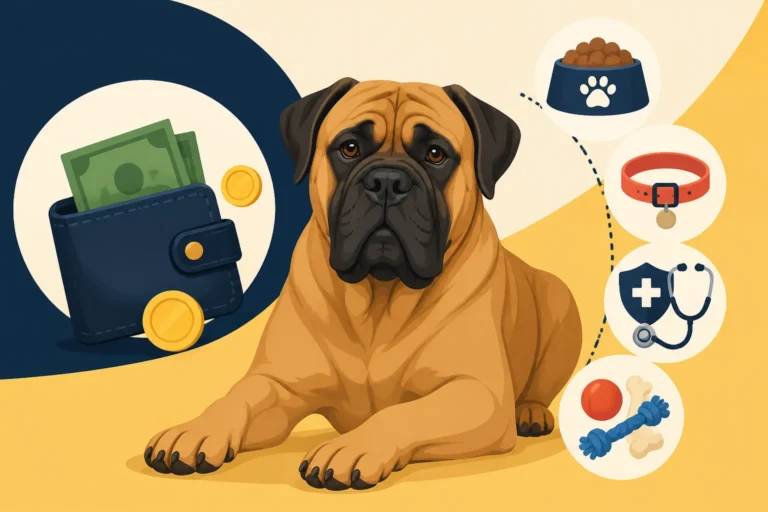
The costs don't stop after the initial setup. Owning a Bullmastiff means committing to ongoing expenses for their entire life. Their size directly impacts many regular bills. Food will be a significant monthly cost; a Bullmastiff eats a substantial amount, and high-quality large-breed food can be pricey. Routine veterinary care, including annual check-ups, vaccinations, and parasite prevention, will also be higher due to their weight-based medication dosages.
Many Bullmastiff owners find pet insurance to be a valuable investment, especially considering the breed's predispositions to certain health issues. Companies like Healthy Paws offer various plans that can help mitigate the financial shock of unexpected illnesses or injuries. This can make conditions like Lymphoma Kills More Bullmastiffs Than Anything Else or orthopedic surgeries less financially devastating. Medications, if needed, will also cost more due to their weight. For a detailed breakdown of recurring expenses, explore What a Bullmastiff Costs Per Month. Being prepared for these ongoing costs is just as important as the initial adoption fee.
Health Considerations for a Rescue Bullmastiff
When adopting a rescue Bullmastiff, understanding their potential health background is paramount. While rescues do their best to provide comprehensive vet care and disclose any known issues, some information might be limited, especially for dogs with unknown histories. Being proactive about their health post-adoption is essential.
Assessing a Rescue Bullmastiff's Health History
A reputable rescue will provide you with all available health records for the Bullmastiff you're considering. This might include vaccination history, spay/neuter certificates, microchip information, and any past veterinary treatments. However, if the dog was a stray or surrendered with minimal information, the history might be incomplete. In these cases, the rescue will rely on their own veterinary assessments since the dog came into their care.
It's critical to review these records carefully and ask detailed questions. Don't be shy about inquiring about any past injuries, chronic conditions, or medications the dog has been on. While the rescue can only share what they know, their transparency is key. Even without a full history, understanding the typical health predispositions of the Bullmastiff breed can help you prepare for future care. Always budget for an immediate follow-up vet visit with your own trusted veterinarian to establish care and get their professional opinion on your new companion's health.
Common Health Issues in Bullmastiffs
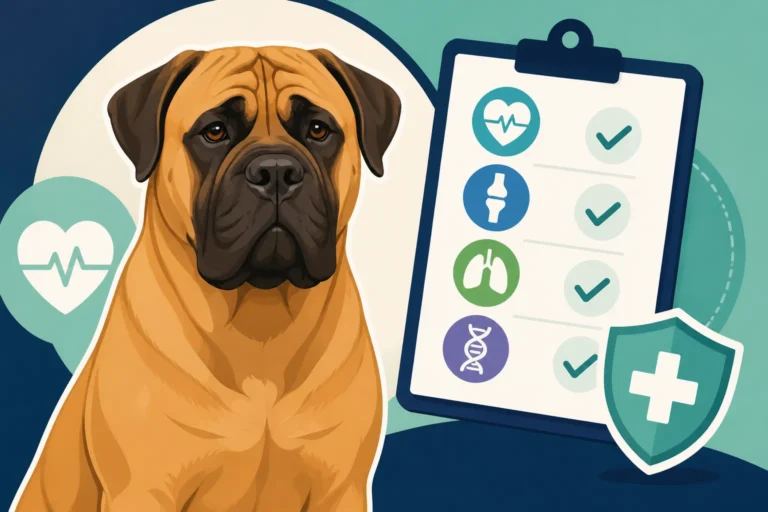
Bullmastiffs, like all purebred dogs, are prone to certain breed-specific health conditions. Being aware of these can help you monitor your rescue Bullmastiff and seek timely veterinary attention if symptoms arise. Some of the most common concerns include:
- Cancer: Lymphoma and mast cell tumors are unfortunately common in Bullmastiffs. It's a heartbreaking reality that Lymphoma Kills More Bullmastiffs Than Anything Else. Regular lump checks and prompt veterinary attention for any suspicious growths are crucial.
- Joint Problems: Due to their massive size and rapid growth, Bullmastiffs are susceptible to conditions like hip and elbow dysplasia. These can cause pain and mobility issues. Understanding Hips and Elbows Under a Hundred and Thirty Pound Bullmastiff is vital for their long-term comfort.
- Bloat (Gastric Dilatation-Volvulus): This life-threatening condition is a significant risk for deep-chested breeds. Owners need to be vigilant about recognizing the signs and seeking immediate emergency care.
- Heart Conditions: Subaortic Stenosis (SAS) is a congenital heart defect that can affect Bullmastiffs. Reputable breeders screen for this, but rescue dogs may not have a clear history.
- Eye Conditions: Entropion (eyelids rolling inward) and "cherry eye" can occur.
- Hypothyroidism: An underactive thyroid can lead to weight gain, lethargy, and skin issues.
A rescue will often have addressed any immediate health concerns, but ongoing vigilance and regular vet check-ups are key to managing these predispositions.
Post-Adoption Vet Care and Follow-up
Once your Bullmastiff is home, schedule a "welcome home" vet visit with your chosen veterinarian within a few days. This allows your vet to thoroughly examine your new dog, review the rescue's health records, and discuss any immediate concerns or preventative care needs. It's an opportunity to establish a baseline for your Bullmastiff’s health and build a relationship with a vet who will be a crucial partner throughout their life.
During this visit, discuss any medications the rescue dog was on, their diet, and any observed behaviors that might indicate underlying health issues. Your vet can also advise on a long-term wellness plan, including diet, exercise, and preventative treatments tailored to your Bullmastiff's age, health status, and lifestyle. This proactive approach ensures your rescue dog gets the best possible start in its new home.
Behavior and Training with a Rescue Bullmastiff
Bringing any new dog home requires patience and understanding, but with a rescue Bullmastiff, it's particularly important to be prepared for a "decompression period." Many rescue dogs have experienced upheaval, and they need time to adjust to their new surroundings and routines. Understanding their potential behavioral quirks and approaching training with positive reinforcement is key to a smooth transition.
Decompression Period: Settling Your New Bullmastiff
The first few weeks and even months with a rescue Bullmastiff are crucial for helping them decompress and settle into their new home. This isn't the time for major introductions or overstimulation. Think of it as a quiet, predictable retreat where they can learn to trust you and understand their new routine. Many experienced rescue adopters refer to the "Rule of Threes" for integration:
- 3 Days: Expect your Bullmastiff to be overwhelmed and possibly shut down. They might not eat much, may be quiet, and mostly observe. Provide a safe, quiet space.
- 3 Weeks: They'll start to settle in, understand the routine, and show more of their personality. They'll feel more comfortable, but some anxieties or quirks might start to surface.
- 3 Months: Your Bullmastiff should feel completely at home, bonded with you, and fully integrated into the family. This is when their true personality often shines through.
During this period, maintain a consistent schedule for feeding, potty breaks, and short, positive training sessions. Avoid overwhelming them with too many new people, places, or experiences. Patience is your most valuable tool.
Addressing Common Behavioral Quirks
Rescue Bullmastiffs, like any dog with a past, might come with some behavioral quirks. These aren't necessarily "bad" behaviors, but rather responses to previous experiences or changes in environment. Common issues can include:
- Separation Anxiety: Many Bullmastiffs are deeply attached to their people and can develop anxiety when left alone, especially if they've been abandoned before. Watch for Signs a Bullmastiff Is Anxious Alone such as destructive chewing, excessive barking, or inappropriate urination. Gradual desensitization and positive reinforcement are often needed.
- Fear or Shyness: Some rescue dogs might be fearful of new people, loud noises, or specific objects. Gentle, positive exposure and building confidence are key. Never force interactions.
- Resource Guarding: A dog who has had to compete for food or toys might guard resources. This needs to be addressed carefully with professional guidance to ensure safety.
- House Training Regression: Even a previously house-trained dog might have accidents in a new environment due to stress or confusion. Consistency and going back to basics are usually effective.
If you encounter challenging behaviors, don't hesitate to seek professional help from a certified positive reinforcement trainer or a veterinary behaviorist. They can provide tailored strategies to help your Bullmastiff adjust and thrive.
Training Strategies for an Adult Bullmastiff
Training an adult Bullmastiff, especially one with an unknown history, might seem daunting, but it's entirely possible and incredibly rewarding. The key is to use positive reinforcement methods. Bullmastiffs are sensitive dogs who respond best to encouragement, treats, and praise, rather than harsh corrections. They thrive on clear, consistent communication and routines.
Start with basic obedience cues like "sit," "stay," "come," and "down," even if you suspect they already know them. This helps build your bond and establish your role as a trusted leader. Focus on consistency and short, engaging sessions to maintain their interest. Remember, Training a Bullmastiff That Weighs More Than You Do requires not just strength, but smart strategies. Loose-leash walking is another critical skill to master early on, as their size can make walks challenging if they pull. If you're feeling overwhelmed, enrolling in an adult obedience class or hiring a private trainer can provide invaluable support and guidance.
Integrating Your Rescue Bullmastiff into Your Family and Home
A successful adoption means a happy Bullmastiff and a happy family. Integrating your rescue dog smoothly into your existing household, especially if you have children or other pets, requires careful planning, patience, and supervision. Creating a safe and consistent environment from day one will set everyone up for success.
Introducing Your Bullmastiff to Other Pets and Children
Bringing a large, powerful Bullmastiff into a home with existing pets or children requires a thoughtful, controlled approach.
For other dogs:
Introductions should always be neutral territory, like a park, and on-leash initially. Allow them to greet each other briefly, then walk parallel to each other, gradually decreasing the distance. Look for relaxed body language – loose tails, soft eyes. Avoid tense situations or forced interactions. Once home, supervise all interactions, especially around food and toys. Provide separate feeding areas and high-value treats to avoid potential resource guarding. For more insight, you might want to read How a Bullmastiff Behaves With Other Dogs.
For cats or other small animals:
This can be trickier, especially if the Bullmastiff has an unknown prey drive. Keep initial introductions brief and highly supervised, with the Bullmastiff on a leash or behind a barrier. Reward calm behavior. Ensure the cat has safe escape routes and high perches. Never leave them unsupervised until you are absolutely confident in their relationship, which can take weeks or months.
For children:
Bullmastiffs are generally known for being good with children, earning them the reputation found in A Bullmastiff With Children. However, supervision is non-negotiable, especially with young children who might not understand a dog's boundaries. Teach children how to interact respectfully with the dog, and teach your Bullmastiff polite manners around kids (no jumping, gentle play). Always provide your Bullmastiff with a "safe space" where they can retreat from children if they feel overwhelmed. This could be their crate or a separate room.
Creating a Safe and Comfortable Environment
Your home needs to be ready for a Bullmastiff. Think big! This means large, comfortable bedding, a giant crate if you plan to crate train, and adequate space for them to move around without knocking things over. Child-proofing extends to dog-proofing: secure cleaning supplies, toxic plants, and small items they might ingest.
Consider durable products for a giant breed. Investing in robust toys and chew items is important for mental stimulation and to redirect destructive chewing. Retailers like Chewy offer a wide array of heavy-duty options designed for strong chewers. Secure your trash cans and consider a gate to restrict access to certain areas if needed. Bullmastiffs are often prone to counter-surfing, so keeping food off counters is essential. A designated, comfortable resting spot is crucial – perhaps an orthopedic bed in a quiet corner where they can retreat and feel secure.
Ongoing Support and Resources for Rescue Owners
You don't have to go it alone! Many Bullmastiff rescues offer ongoing support to their adopters, often through social media groups, email lists, or direct contact with volunteers. These networks are invaluable for troubleshooting issues, sharing successes, and getting advice from people who understand the breed.
Beyond the rescue, there are numerous online communities, forums, and local dog clubs dedicated to Bullmastiffs. These can be great places to connect with other owners, share experiences, and find recommendations for trainers, vets, or dog walkers in your area. Embrace these resources; they can provide a wealth of knowledge and emotional support as you navigate life with your wonderful rescue Bullmastiff.
The Lifelong Commitment: What to Expect as Your Rescue Bullmastiff Ages
Adopting a rescue Bullmastiff is a commitment for life, and it's essential to understand the journey ahead, especially as they enter their senior years. While their time with us is often shorter than we'd wish, every moment is precious, and their care needs evolve over time.
Understanding the Bullmastiff Lifespan
It’s a tough truth that Bullmastiffs, like many giant breeds, generally have shorter lifespans than smaller dogs. While individuals can certainly live longer, The Median Bullmastiff Lives Eight and a Half Years. This means that if you adopt an adult Bullmastiff, you might have fewer years with them than if you adopted a puppy. This isn't a reason to shy away from older rescues; it's a reason to cherish every moment and be prepared for their specific needs as they age.
Knowing their typical lifespan allows you to be more proactive about their health as they approach their senior years. This means more frequent vet check-ups, being vigilant for signs of common age-related conditions, and focusing on their comfort and quality of life. Each year with a Bullmastiff is a gift, and understanding this from the outset helps you make the most of your time together.
Caring for a Senior Rescue Bullmastiff
As your Bullmastiff transitions into their senior years, typically around age six, their needs will shift. Caring for a Bullmastiff Past Six involves adapting their routine and environment to ensure their continued comfort and well-being.
- Veterinary Care: Senior Bullmastiffs benefit from more frequent vet check-ups, often twice a year, to monitor for age-related conditions such as arthritis, heart disease, kidney issues, and cognitive decline. Early detection is key to managing these conditions effectively.
- Mobility Support: Joint pain and stiffness can become more pronounced. Orthopedic beds are no longer a luxury but a necessity. Ramps can help them get into cars or onto furniture (if allowed). Gentle exercise, like short, frequent walks, helps maintain muscle mass and joint flexibility.
- Dietary Adjustments: Senior Bullmastiffs might benefit from a diet specifically formulated for older dogs, which are often lower in calories and higher in joint-supporting nutrients. Brands like Ollie, which offer fresh, customized meal plans, can be a great option for senior dogs with specific dietary needs or a reduced appetite.
- Environmental Adjustments: Ensure they have easy access to food and water, consider raised bowls, and provide non-slip surfaces on hard floors to prevent falls.
- Mental Stimulation: Keep their minds active with gentle puzzle toys or short, easy training sessions to help prevent cognitive decline.
Your veterinarian will be your best resource for guiding you through the senior years, helping you make informed decisions to keep your Bullmastiff comfortable and happy for as long as possible.
The Immeasurable Rewards of Adopting a Bullmastiff
Despite the challenges, the costs, and the often too-short lifespan, adopting a Bullmastiff from a rescue offers immeasurable rewards. There's a profound satisfaction in seeing a dog flourish under your care, a dog that might have otherwise been overlooked or deemed "unadoptable." The loyalty, affection, and goofy charm of a Bullmastiff are unparalleled. They are gentle giants who form deep bonds with their families, offering quiet companionship and a sense of protective presence.
You become a hero in their story, providing the love and stability they deserve. The purrs, the leans, the contented snores – these small moments build into a lifetime of cherished memories. While the journey might have its ups and downs, the wag of a Bullmastiff's tail and the deep gaze into their soulful eyes will remind you that every effort, every cost, and every moment shared was absolutely worth it.
Disclaimer
This article is for general informational purposes only and does not constitute professional advice. Laws, prices and regulations vary by location and change over time. Consult a qualified professional for guidance on your specific situation.