Training a Bullmastiff That Weighs More Than You Do
One of the most profound joys of Bullmastiff ownership is sharing your life with such a magnificent, powerful dog. However, that power comes with a responsibility: to train them so that their strength is always an asset, never a liability. There's a particular challenge that often catches new owners off guard, and that's the sheer physical disparity when you're trying to walk a dog that can easily outweigh you by 50, 70, or even 100 pounds. This guide is here to walk you through how to effectively train a Bullmastiff, ensuring they are a well-mannered, cherished member of your family, no matter their impressive size.
Understanding the Bullmastiff Mindset: More Than Just Muscle
Before we even talk about specific commands or techniques, it's crucial to understand the unique psychological makeup of a Bullmastiff. These aren't your typical eager-to-please working dogs like a Border Collie or a Labrador. They have a distinct history and a "thinking" nature that informs their trainability.
The Bullmastiff's Original Purpose and Temperament
Imagine the dense, misty estates of 19th-century England. Gamekeepers needed a dog that could patrol vast lands silently at night, deter poachers, and, if necessary, apprehend them without causing fatal injury. This wasn't a breed designed for attack, but for deterrence and control. The solution was the Bullmastiff, a carefully balanced blend of Mastiff (for size and presence) and Bulldog (for tenacity and a lower center of gravity). Their job was to track a poacher, then "pin" or "hold" them down until the gamekeeper arrived. They were bred for a strong "holding" instinct rather than a biting one. This means they possess an inherent watchfulness and a deep protective drive, but often express it with a physical presence rather than overt aggression. A Bullmastiff Was Bred to Hold a Man, Not Bite Him
This historical role means your Bullmastiff comes hardwired with certain traits. They are naturally observant and tend to be quiet. A Bullmastiff isn't usually one to bark incessantly at every leaf that blows by. Their silent guardian nature was a crucial trait for gamekeepers who didn't want their presence announced. Why a Night Working Dog Was Bred Not to Bark This quiet demeanor, combined with their imposing size, makes them excellent natural deterrents. However, it also means they might not respond to frantic calls or sudden movements with the same urgency as other breeds. They prefer to assess, then act.
Intelligence and the "Deliberate" Bullmastiff
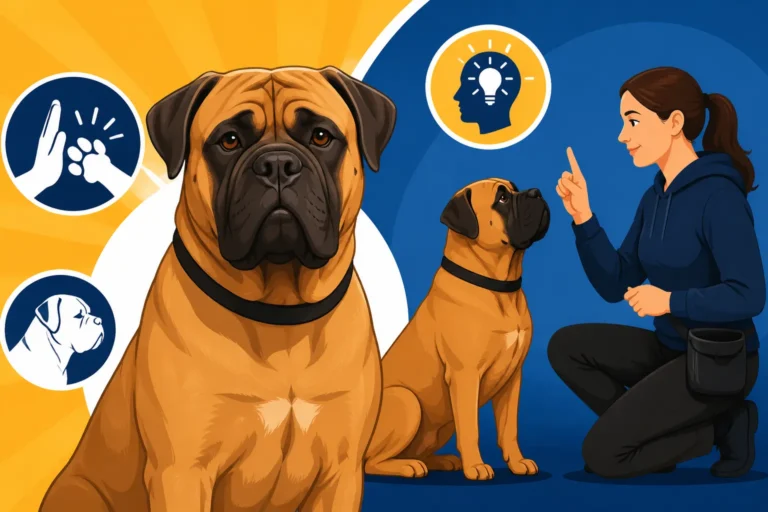
Yes, Bullmastiffs are intelligent. They soak up information, remember routines, and can learn a vast array of commands. However, their intelligence comes with a healthy dose of independence and a deliberate nature. You might give a command, and your Bullmastiff won't immediately snap into action. Instead, you'll often see a moment of stillness, a slight head tilt, and then, maybe, they'll comply. This isn't defiance, not usually. It's often a Bullmastiff assessing if the command is truly necessary, if it's worth their effort, or if there's a more efficient way to achieve the desired outcome (which, in their mind, might involve doing nothing at all). Why a Bullmastiff Pauses Before Obeying
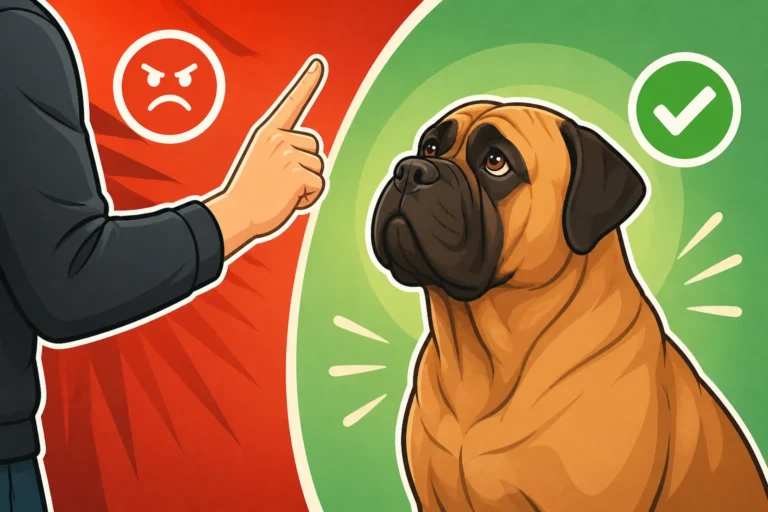
This deliberateness means that simple repetition isn't always enough. You need to make training engaging, rewarding, and consistently clear. They need to understand the "why" behind what you're asking, or at least believe that there's a valuable reward coming their way. Don't mistake their thoughtful pause for a lack of understanding; they're often processing. This breed respects fairness, consistency, and a calm, confident leader. Trying to bully or force a Bullmastiff will almost always backfire, leading to a frustrated owner and a stubborn, uncooperative dog.
The Critical Importance of Early and Consistent Training
With a dog that can reach 100-130 pounds or more, the stakes for good training are incredibly high. What might be a minor inconvenience with a smaller dog—like jumping or pulling on a leash—becomes a serious safety concern with a Bullmastiff.
Why "Start Them Young" Is Non-Negotiable
When you bring home a Bullmastiff puppy, they are adorable, clumsy, and seem so manageable. But don't let their puppy fluff fool you: they are growing at an astonishing rate. What starts as a cute little tug on the leash quickly becomes a full-body drag as they gain size and strength. You have a very short window, essentially from 8 weeks to about 6-9 months, where your Bullmastiff puppy is physically manageable enough for you to establish foundational behaviors without being overpowered. Why a Bullmastiff Must Be Trained Before It Is Strong If you wait until they are 80 pounds and pulling your arm out of its socket, you've missed a critical developmental period, and trying to correct those ingrained behaviors becomes exponentially harder.
Puppy classes are invaluable, not just for basic obedience, but for handling practice. Getting your puppy comfortable with having their feet touched, their ears examined, and their body manipulated by various people is crucial for vet visits, grooming, and general control. Imagine trying to trim the nails of a 120-pound dog who has never had their paws touched before – it's a battle you likely won't win without extreme measures or sedation. Early, positive exposure to different environments, people, and appropriate play with other puppies lays the groundwork for a confident, well-adjusted adult Bullmastiff. When to Start Training a Bullmastiff Puppy
Consistency as Your Greatest Training Tool
Bullmastiffs thrive on routine and predictability. This means that everyone in the household must be on the same page regarding rules, commands, and expectations. If one person allows jumping on guests, but another punishes it, your Bullmastiff will become confused and stressed. They will test boundaries, and if they find inconsistencies, they will exploit them.
Daily, short training sessions are far more effective than infrequent, long ones. Think 5-10 minutes, two or three times a day, embedded within your daily routine. This could be practicing a "sit" before dinner, a "stay" while you answer the door, or a "come" in the yard. The key is to make it a part of life, not a separate, formal event. Immediate reward for desired behavior is vital. A treat, a verbal "good!" or a quick pat should follow the action within 1-2 seconds. This clear connection helps your Bullmastiff understand exactly what they did right. When training a dog as physically impressive as a Bullmastiff, consistency doesn't just build good habits; it builds trust and respect, which are the foundations of control without brute force.
Foundation Training: Commands for Control
For a Bullmastiff, certain commands aren't just polite suggestions; they are absolutely essential for safety and manageability. These are the tools that will empower you to guide your powerful companion rather than simply reacting to their strength.
Mastering the "Sit," "Stay," and "Come"
These are the bedrock of any dog's training, but with a Bullmastiff, they take on an added dimension of importance.
- "Sit": This command provides an instant moment of calm and control. When your 100-pound dog is getting excited, a firm "Sit" can bring them back to attention. Teach "sit" by luring with a treat: hold a treat near their nose and move it slowly over their head, towards their tail. Their nose will follow the treat, and their rear end will naturally drop. As soon as their rear touches the ground, mark the behavior with a verbal "Yes!" or a clicker, and give the treat. Repeat this many times in short sessions. Once they understand the physical action, add the verbal cue "Sit" just as their rear is descending.
- "Stay": This is where you build duration and distance. Start with very short "stays" (1-2 seconds) with you standing right in front of them, gradually increasing time and distance. Always release them with a clear release word like "Okay!" or "Free!" before they break the stay. If they break, calmly put them back in position and try again. A long line can be a valuable tool here, allowing you to gently guide them back without having to physically chase them.
- "Come" (Recall): This is arguably the most critical life-saving command for any dog, but especially for a breed that can cover ground quickly and might have a strong prey drive (though Bullmastiffs are generally not high-drive hunters, their size still means they can get into trouble quickly). Teaching a reliable recall requires high-value rewards (think cooked chicken or cheese, not just kibble) and starting in a distraction-free environment like your home or a securely fenced yard. Begin by calling their name, then "Come!" in an excited, happy tone. As they approach, praise enthusiastically and reward generously. Gradually introduce distractions and practice on a long line (a 30-foot lead available from pet stores or Amazon is perfect) in larger, safe areas. Never punish your Bullmastiff for taking a moment to "come" to you, even if they were doing something naughty. The return itself must always be a positive experience. How Reliable a Bullmastiff's Recall Is
The Indispensable "Leave It" and "Drop It"
These two commands are absolute game-changers for managing a large, curious dog, preventing them from ingesting harmful items, or protecting your belongings.
- "Leave It": This teaches your Bullmastiff to disengage from something tempting. Start with a low-value treat in your closed hand. Say "Leave It" as you present your fist. The moment your dog looks away from your hand, even for a split second, say "Yes!" and reward them with a different, higher-value treat from your other hand. The goal is to teach them that ignoring the temptation leads to a better reward. Gradually progress to placing a low-value treat on the floor, covering it with your foot, then your hand, building up to them leaving tempting items completely alone. This is invaluable when encountering discarded food on walks or preventing them from snatching something off a counter.
- "Drop It": This teaches them to release something they already have in their mouth. This is particularly important for a strong-jawed breed. Begin by offering a high-value treat in exchange for an item they have in their mouth (like a toy). As they open their mouth to take the treat, say "Drop It!" When they release the item, immediately praise and reward them. Repeat this often. The key is to make "dropping" an item a positive experience, not a confiscation. This will be a lifesaver when they pick up something inappropriate, whether it's a forgotten remote control or something far less savory on a walk.
Leash Training: When Your Dog Outweighs You
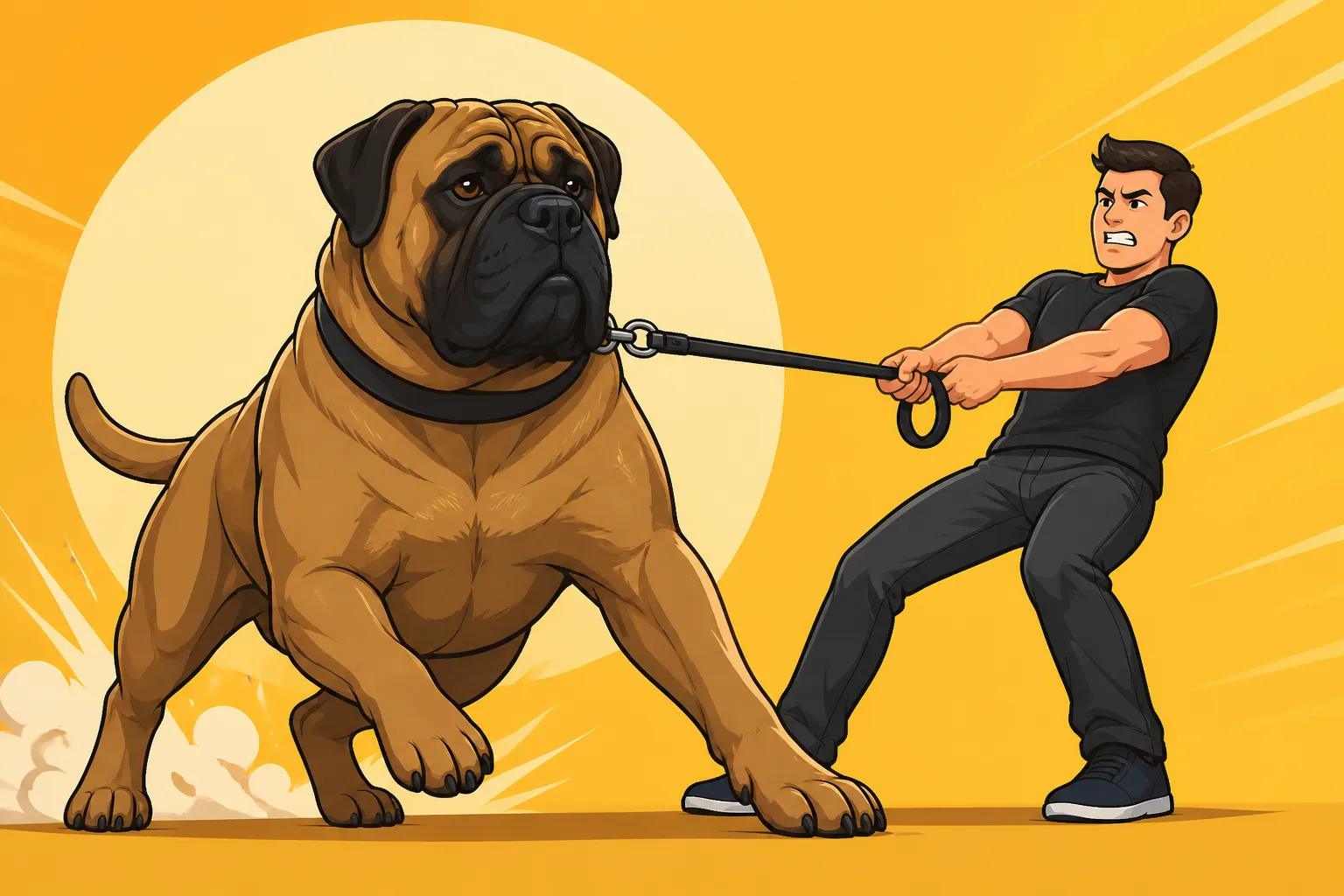
This is often the most significant challenge for Bullmastiff owners. A large dog pulling on a leash isn't just uncomfortable; it's dangerous, leading to falls, injuries, and a generally unpleasant experience for both of you.
Equipment Choices: Harnesses, Head Halters, and Leashes
Choosing the right equipment is the first step toward successful loose-leash walking. There's no single "best" option, as what works for one Bullmastiff might not work for another.
- Flat Buckle Collars: These are standard for ID tags but offer minimal control against a determined puller, and can put strain on the dog's neck. Avoid using them as the sole point of attachment for leash training a powerful dog.
- Front-Clip Harnesses: These are often highly effective for Bullmastiffs. Instead of clipping on the back, the leash attaches to a ring on the dog's chest. When the dog pulls, they are gently redirected to the side, making it much harder for them to surge forward with full force. Brands like Easy Walk or Freedom Harness are popular choices. They distribute pressure more evenly across the chest, making them more comfortable than a collar. Which Harness Suits a Bullmastiff
- Head Halters (Halti, Gentle Leader): These work similarly to a horse's halter, giving you control over the dog's head, which in turn controls the body. They sit comfortably over the muzzle and behind the ears. When the dog pulls, their head is gently turned to the side, disrupting their forward momentum. Many owners find these incredibly effective for gaining immediate control over strong pullers. It's crucial to introduce head halters slowly and positively, as some dogs initially resist them. Pair it with treats and praise until your Bullmastiff associates it with good things. Whether a Head Halter Suits a Bullmastiff
- Leashes: A standard 6-foot nylon or leather leash is usually sufficient. Avoid retractable leashes, which teach dogs that pulling is acceptable and offer minimal control over a powerful dog. They can also snap, causing injury.
When selecting equipment, always ensure a proper fit. Too loose, and your Bullmastiff can slip out; too tight, and it's uncomfortable or chafing. Many options can be found on Amazon, allowing you to compare features and reviews to find the best fit for your specific dog.
| Leash Training Tool | Pros | Cons | Best For |
|---|---|---|---|
| Flat Buckle Collar | Comfortable for ID, no pulling | No control for strong pullers, neck strain if pulled | Dogs with excellent leash manners, carrying ID. |
| Front-Clip Harness | Redirects pulling, comfortable, easy to use | Some dogs can still pull with determination, can sometimes tangle front legs | Most Bullmastiffs, general loose-leash training. |
| Head Halter | Excellent immediate control, prevents pulling | Some dogs dislike it initially, requires positive introduction | Strong pullers, owners needing maximum control, rehabilitating leash manners. |
| Back-Clip Harness | Comfortable, great for non-pullers, good for car safety | Can encourage pulling (like a sled dog harness) | Dogs with established loose-leash walking, or for short trips. |
Teaching Loose-Leash Walking
This isn't about simply stopping your dog from pulling; it's about teaching them to walk politely by your side, on a loose leash.
- Start Indoors: Begin in a distraction-free environment. Hold the leash with a gentle loop. The moment your Bullmastiff pulls, stop moving. Stand completely still. Only when the leash slackens, even slightly, do you start walking again. This teaches them that pulling gets them nowhere.
- Reward Slack: The instant your Bullmastiff walks with a loose leash, praise them and give them a treat. Repeat this frequently. You're rewarding the absence of pulling.
- Change Direction: If your Bullmastiff starts to forge ahead, calmly change direction. This disorients them slightly and forces them to pay attention to where you're going.
- Practice Short Sessions: Bullmastiffs, especially puppies, have short attention spans. Keep training sessions brief and positive, gradually increasing duration and introducing distractions as they improve.
- Be Consistent: Never allow your Bullmastiff to pull, even "just for a second." Every time they pull and get to move forward, you're reinforcing the pulling behavior. Teaching a Bullmastiff to Walk on Leash This is a commitment, but the payoff of a well-behaved Bullmastiff on a walk is immense.
Addressing Bullmastiff Stubbornness and Independence
Their deliberate nature, while endearing in some ways, can translate to what many owners perceive as stubbornness. It's not defiance for the sake of it; it's often a calculation of effort versus reward, or simply a lack of motivation.
Motivation Beyond the Simple "Good Dog"
To effectively train a Bullmastiff, you need to understand what truly motivates them. A simple "good dog" or a pat on the head might be enough for some breeds, but often, a Bullmastiff needs more.
- Food: This is almost universally effective. High-value treats are your best friend. Think small pieces of cooked chicken, cheese, hot dogs, or liverwurst. Vary the treats to keep things exciting. What's high value for one dog might be low value for another, so experiment. What Motivates a Bullmastiff
- Play: If your Bullmastiff loves a game of tug or fetch, use short bursts of play as a reward. Make sure you initiate and end the play, so it remains a privilege.
- Praise and Affection: Once they're consistent with a command, incorporating genuine praise and affection can strengthen the bond, but it usually needs to be paired with other motivators, especially in the early stages.
- Environmental Rewards: Sometimes, the reward is simply getting to do what they wanted to do in the first place. For example, asking for a "sit" before opening the door to the yard, or a "stay" before letting them greet a favorite person.
Keep training sessions fun and engaging. If it feels like a chore to you, it will feel like a chore to your Bullmastiff. Use a cheerful tone, celebrate successes, and make them feel like they've won the lottery for doing something as simple as sitting. This builds a positive association with training.
Patience and Persistence: The Long Game
Bullmastiffs are notoriously slow to mature. While their physical growth happens quickly, their mental and emotional maturity often doesn't fully develop until they are around two to three years old. A Bullmastiff Is Not Grown Up Until Three This means you'll encounter "teenage" phases where they seem to forget everything they learned, test boundaries constantly, and push against your leadership. This is normal, but it requires even more patience and persistence from you.
Dealing with plateaus and regression is part of the Bullmastiff training journey. Don't get discouraged if your perfectly trained Bullmastiff suddenly decides they don't know "sit" anymore. Revisit the basics, lower your expectations temporarily, and double down on consistency and high-value rewards. Frustration is your enemy. Yelling, harsh physical corrections, or punishment will erode trust and can make your Bullmastiff shut down or become fearful. They are sensitive beneath their tough exterior and do not respond well to heavy-handed tactics. Why Harsh Correction Fails on a Bullmastiff Instead, remain calm, firm, and persistent. Your steady, predictable leadership is what they respect and respond to best.
Socialization and Managing Public Encounters
Proper socialization for a Bullmastiff isn't just a nicety; it's a necessity. Their imposing size and natural protective instincts mean that negative experiences or a lack of exposure can lead to fear-based reactivity or aggression, which is extremely dangerous in a dog of their stature.
Early and Ongoing Socialization
The goal of socialization isn't just for your Bullmastiff to "like" everyone and everything. It's about teaching them to be neutral and confident in the face of novel stimuli. They should learn that new people, places, sounds, and other animals are generally not a threat and don't require their intervention.
- Puppyhood is Key: During the critical socialization period (roughly 8-16 weeks), expose your Bullmastiff puppy to as many different positive experiences as possible. This includes meeting a wide variety of people (different ages, genders, hats, uniforms), visiting various locations (parks, pet stores, busy streets from a distance), and hearing different sounds (traffic, alarms, children playing).
- Controlled Interactions: Don't just throw your puppy into a chaotic environment. Ensure all interactions are positive and controlled. If your puppy seems overwhelmed, create distance. Always pair new experiences with treats and praise.
- Appropriate Dog-Dog Interactions: Introduce your Bullmastiff puppy to other vaccinated, well-socialized dogs. This teaches them canine manners. Avoid dog parks until your Bullmastiff is fully mature and has solid recall, as a bad experience there can be detrimental.
- Ongoing Exposure: Socialization doesn't end when puppyhood does. Continue to expose your adult Bullmastiff to new situations throughout their life to maintain their confidence and neutrality.
A well-socialized Bullmastiff will be much more relaxed in public, less prone to overreacting, and a joy to take out and about.
Handling Stranger and Dog Interactions
Despite their intimidating appearance, most well-socialized Bullmastiffs are gentle giants with their families and often polite, if reserved, with strangers. However, their size can still be an issue.
- Polite Greetings: Bullmastiffs have a tendency to "lean" or "body block" people as a way of greeting or guarding. While endearing to owners, this can be overwhelming for guests or even knock them over. Teach your Bullmastiff a polite "sit" or "four on the floor" when people approach. Reward them heavily for keeping all four paws on the ground. Teaching a Bullmastiff Not to Jump Up
- Managing Introductions: When introducing your Bullmastiff to new people, keep it calm and controlled. Have the person ignore your Bullmastiff initially until the dog settles. Then, they can offer a treat or a gentle pet under the chin. Teach your Bullmastiff to greet new people without jumping or overwhelming them. How a Bullmastiff Greets a Stranger
- Dog-Dog Encounters: Bullmastiffs can be selectively social with other dogs, especially as they mature. Same-sex aggression, particularly between two intact males, can be a concern. Always supervise interactions, especially with unknown dogs. If you notice any tension, calmly separate your Bullmastiff and redirect their attention to you. It's always better to avoid a potential conflict than to manage one. For your peace of mind and the safety of others, if your Bullmastiff shows signs of discomfort or reactivity towards other dogs, it's best to simply pass them by with distance and a confident leash hold.
Seeking Professional Help and Advanced Training
Even the most experienced dog owners can hit a wall, especially with a breed as powerful and strong-willed as a Bullmastiff. There's no shame in seeking guidance.
When to Call in a Professional Trainer
Recognizing when you need professional help is a sign of responsible ownership. If you're struggling with:
- Aggression: Any signs of aggression towards people or other animals should be addressed immediately by a qualified professional.
- Severe Leash Pulling: If you're constantly being dragged and feel out of control, a trainer can provide hands-on guidance and techniques specific to your Bullmastiff.
- Fear or Anxiety: If your Bullmastiff is showing excessive fear, phobias, or separation anxiety, a trainer or veterinary behaviorist can help develop a behavior modification plan.
- Stubbornness Beyond Your Skill: If you feel like you're constantly battling your Bullmastiff and making no progress, a fresh perspective from a professional can be invaluable.
When looking for a trainer, prioritize those who use positive reinforcement methods and have experience with large, powerful breeds like Bullmastiffs. Avoid trainers who advocate for harsh corrections, shock collars, or dominance theory, as these can severely damage your Bullmastiff's trust and can even escalate behavioral issues. Many resources exist for finding reputable trainers; often, local breed clubs or your veterinarian can provide recommendations. For those who prefer online, accessible support, platforms like BAXTER & Bella offer comprehensive programs and community support that can guide you through various training challenges from the comfort of your home. Whether a Bullmastiff Needs a Professional Trainer
Continuing Education for You and Your Bullmastiff
Training isn't a one-and-done event; it's a lifelong journey. Just like humans, dogs benefit from continued learning and mental stimulation.
- Beyond Basic Obedience: Once your Bullmastiff has mastered the basics, consider advanced obedience classes or even dog sports. While Bullmastiffs aren't typically agility stars, many enjoy activities like carting (pulling a small cart), obedience trials, or even canine good citizen (CGC) certification. Whether a Bullmastiff Makes a Therapy Dog The CGC test is an excellent benchmark for any well-mannered dog and builds confidence in both dog and owner.
- Mental Stimulation: A bored Bullmastiff can be a destructive Bullmastiff. Even if they don't require extensive physical exercise, their intelligent minds need to be engaged. Puzzle toys, interactive feeders, scent work, and practicing new tricks can provide valuable mental enrichment. This helps prevent boredom-related behaviors like chewing, digging, or excessive barking. What Mental Work a Bullmastiff Needs
- Your Own Learning: Continue to educate yourself about canine behavior and training. Read books, attend seminars (in person or online), and stay connected with other Bullmastiff owners. The more you understand about canine learning and your specific breed, the better equipped you'll be to communicate and bond with your powerful companion.
Consistency, Patience, and Realistic Expectations: The Keys to Success
Ultimately, training a Bullmastiff is less about conquering their size and more about channeling their magnificent nature into a harmonious partnership. It's a journey that requires commitment and a deep understanding of their unique personality.
Embracing the Journey with Your Gentle Giant
Accept that there will be good days and bad days. There will be moments of triumph when your Bullmastiff performs flawlessly, and moments of utter frustration when they seem to have forgotten every single command. This is normal. Celebrate every small victory – the walk where they didn't pull, the visitor they greeted politely, the moment they chose to "leave it" when tempted. These small successes build up over time to create a truly well-behaved dog.
Your Bullmastiff isn't a robot, and they're not always going to be perfect. The goal isn't absolute obedience but a dog that is safe, manageable, and a joy to live with. Embrace the process, appreciate their unique Bullmastiff quirks, and understand that the bond you build through consistent, positive training is far more valuable than any perfectly executed command.
The Lifelong Rewards of a Well-Trained Bullmastiff
The effort you put into training a Bullmastiff, especially during their formative years, will pay dividends throughout their relatively short lifespan. A well-trained Bullmastiff is a calm, confident, and reliable companion. They can go more places with you, meet new people without incident, and handle novel situations with grace.
A Bullmastiff, when properly trained and socialized, is one of the most magnificent and devoted companions you could ever wish for. Their loyalty is unwavering, their presence comforting, and their gentle nature a constant source of joy. By investing the time and effort into understanding and training your Bullmastiff, you're not just creating a well-behaved dog; you're nurturing a truly exceptional family member who will enrich your life in countless ways.
Disclaimer
This article is for general informational purposes only and does not constitute professional advice. Laws, prices and regulations vary by location and change over time. Consult a qualified professional for guidance on your specific situation.