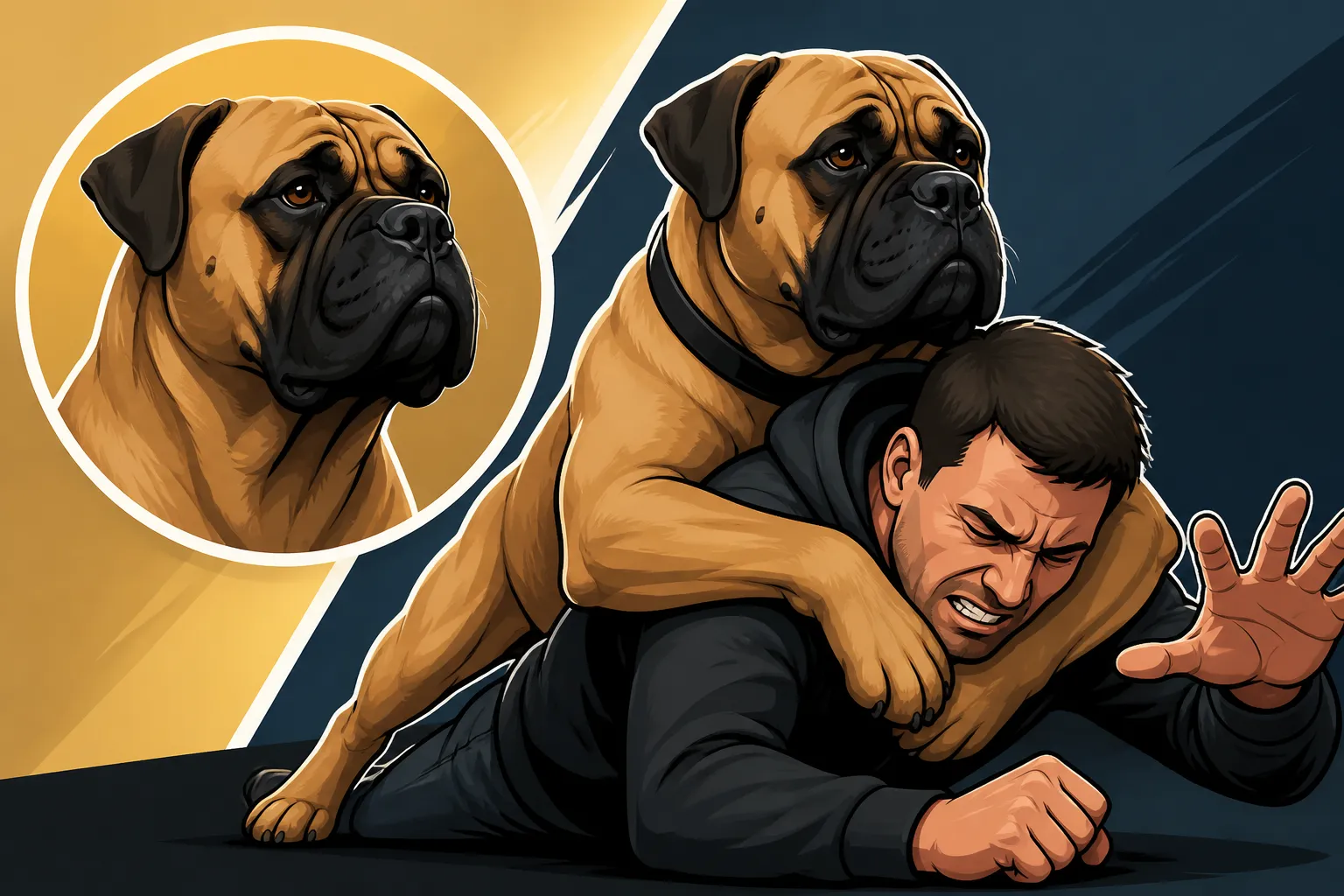
A Bullmastiff Was Bred to Hold a Man, Not Bite Him
One of the biggest misconceptions about the magnificent Bullmastiff is their historical purpose. Many folks imagine them as fierce attack dogs, bred to maul trespassers, and that idea still makes people wary today. The truth, however, is far more nuanced and speaks volumes about the gentle giants we know and love: they were developed to apprehend and hold a man, not to inflict serious harm, and understanding this distinction is key to truly appreciating and living successfully with a Bullmastiff.
The Bullmastiff's Original Purpose: "Hold, Not Harm"
To really get a handle on why Bullmastiffs act the way they do, we need to take a trip back in time to their origins. These incredible dogs weren't just stumbled upon; they were meticulously created for a very specific, and rather dangerous, job. It wasn't about bloodlust or aggression; it was about control and protection.
The Gamekeeper's Dilemma
Picture the vast estates of 19th-century England, teeming with game like deer and pheasants, all protected by gamekeepers. These dedicated individuals faced a constant struggle with poachers, who would often work under the cover of darkness. A gamekeeper's life was tough, and catching these individuals without getting injured themselves was paramount. Traditional guard dogs, like some of the larger Mastiff types, were often too slow to catch a fleeing poacher, while smaller, faster dogs lacked the deterrent presence or the power to physically control an adult man. This was the dilemma: they needed a dog that could quickly track and stop a human intruder, but without causing lethal injury. They needed a dog that could be a formidable presence, but also manageable once the poacher was apprehended.
The Sixty-Forty Blend: Mastiff and Bulldog Influence
This specific need led to the deliberate breeding program that resulted in the Bullmastiff. The foundation was primarily the English Mastiff, bringing its immense size, presence, and calm, stable temperament. However, the Mastiff alone wasn't quite agile enough. To add speed, tenacity, and that crucial "holding" ability, the old-fashioned Bulldog was introduced. This wasn't the squat, heavily wrinkled Bulldog we know today, but a more athletic, powerful ancestor. The goal was a perfect balance: 60% Mastiff for substance, calm, and guarding instinct, and 40% Bulldog for courage, agility, and the physical capability to grip and hold without resorting to biting. This unique blend created a dog that was powerful, fast enough to catch a man, and had the instinct to pin them down until the gamekeeper arrived. The Bullmastiff Is Sixty Percent Mastiff and Forty Percent Bulldog delves deeper into this fascinating genetic heritage.
The Goal: Apprehension Without Mutilation
The critical part of the Bullmastiff's job description was "apprehension without mutilation." A gamekeeper didn't want to find a dead poacher; that would lead to legal trouble, inquiries, and a whole lot of unwanted attention. The dog's role was to disable the poacher, usually by silently tracking, knocking them down, and then holding them by pinning them to the ground or holding onto an arm or leg, using its sheer weight and strength. This "holding" was a firm, unwavering grip, a powerful restraint, but not a tearing, shredding bite designed to injure. The dark brindle coat, prevalent in early Bullmastiffs, even served a purpose: it helped them blend into the shadows, allowing for a stealthy approach, earning them the nickname "The Night Dog." Their silent working style meant no barking to alert the poacher, only sudden, decisive action. This historical context is vital when we discuss What a Bullmastiff Was Bred to Do to a Poacher.
Understanding the "Holding Instinct" in Modern Bullmastiffs
While modern Bullmastiffs aren't patrolling game preserves, that deeply ingrained "holding instinct" is still a fundamental part of their genetic makeup. It manifests in various ways, often subtly, and understanding it can help owners interpret their dog's behavior correctly.
The Gentle Giant's Grab
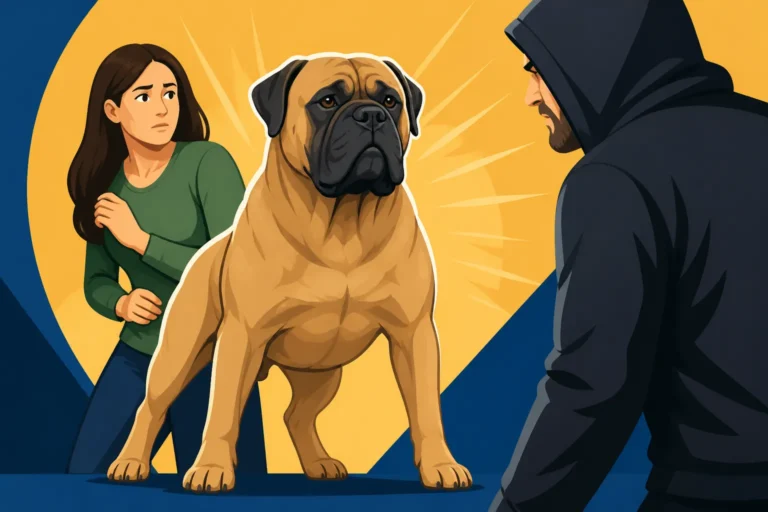
For most modern Bullmastiffs, the "holding instinct" rarely manifests as a full-on physical apprehension of a human. Instead, it often translates into a tendency to "lean" or "body block." Have you ever had your Bullmastiff lean their entire weight against your legs, pushing you gently but firmly? Or perhaps they stand between you and a perceived threat, like a delivery driver at the door, essentially acting as a living barrier? This is a diluted, domesticated version of that ancient drive. They're not trying to hurt you; they're trying to control movement, to position themselves as a protective force. It’s their way of saying, "I've got this, don't worry," or "I need to keep you safe." This characteristic lean is one of the most endearing and, at times, comical traits of the breed.
Body Language of a Modern Bullmastiff "Hold"
Recognizing when your Bullmastiff is engaging its "holding" or guarding instinct is all about reading their body language. It's often subtle. You might notice them stiffen, their ears perk up, their gaze becomes fixed, and their body might shift subtly to place themselves between you and a person or object they perceive as unusual or potentially threatening. There might be a low growl, but it's often a warning, not an immediate prelude to a bite. Their tail might be low and stiff, not wagging. They might not bark much; remember, they were bred for silent work. Instead, they might move with a deliberate, powerful gait, placing themselves directly in the path of whatever has drawn their attention. It’s a very serious, composed demeanor, indicative of their deep sense of responsibility. Why a Bullmastiff Holds Instead of Biting explains more about this intrinsic behavior.
The Role of a Bullmastiff's Confidence
A well-bred, well-socialized Bullmastiff is inherently confident. This confidence is crucial because it means they rarely resort to aggression out of fear or insecurity. They don't need to bark hysterically or lunge wildly because they trust their own ability to handle a situation. This calm confidence is what allowed the original Bullmastiffs to approach a poacher silently and deliver that decisive hold. In a modern setting, it means they are observant, discerning, and generally reserved with strangers. They will size up a situation, and if they determine there's no real threat, they'll usually relax. If they perceive a threat, their response will be measured and powerful, focusing on deterrence or redirection rather than outright attack. This profound confidence is part of their appeal, making them reliable guardians rather than reactive liabilities.
How a Bullmastiff's Temperament Supports Its Guarding Role
The Bullmastiff's temperament is perfectly suited to its historical role. They are not high-strung or overly reactive; instead, they possess a thoughtful, deliberate nature that makes them excellent family guardians.
Calm and Deliberate: The Bullmastiff's Approach
Bullmastiffs are renowned for their calm and deliberate nature. They aren't dogs that fly off the handle at every squirrel or passing car. They observe. They process. And then, if necessary, they act. This measured approach is a direct inheritance from their gamekeeper days. A dog that barked indiscriminately or reacted without thinking wouldn't have been useful in silently apprehending a poacher. This means that when a Bullmastiff does react, it's usually for a good reason in their eyes, and it's a well-considered response, not a frantic one. This calm demeanor makes them wonderful house dogs, often content to snooze at your feet, but always with one ear open, ready to assess any changes in their environment. It’s this thoughtful quality that often makes a Bullmastiff seem to The Bullmastiff That Pauses to Decide Whether You Are Worth It before obeying a command – they're not being disobedient, they're assessing the request!
Loyalty and Family Protection
Few breeds rival the Bullmastiff's deep-seated loyalty to their family. They form incredibly strong bonds with their people and consider themselves integral members of the household. This loyalty fuels their protective instincts. They don't see themselves as merely pets; they view themselves as guardians of their human pack. This means they will naturally be watchful and alert when it comes to their family's safety, especially children. This isn't taught aggression; it's an inherent sense of responsibility. They want to keep their loved ones safe and will often position themselves strategically to do so. If you have guests, your Bullmastiff will likely observe them carefully, making sure they pose no threat to their human family. This profound loyalty is one of the most cherished aspects of owning a Bullmastiff. How Protective a Bullmastiff Is further explores this wonderful trait.
The Silent Deterrent
One of the most effective aspects of a Bullmastiff's guarding nature is their sheer presence. A large, powerful dog, moving with purpose and confidence, is often enough to deter any ill-intentioned individual. They aren't prone to excessive barking; in fact, they were bred to be relatively quiet. Why a Bullmastiff Was Bred to Work Silently is a key historical factor. A sudden, deep growl or a silent, watchful stance from a 100+ pound dog is often far more intimidating than frantic yapping. This quiet, imposing nature makes them excellent deterrents without being a nuisance. Many Bullmastiff owners find that their dogs rarely bark unless there's a genuine reason, such as an unfamiliar person directly at the door or an unusual sound outside. Their presence alone often speaks volumes.
Early Socialization and Training: Laying the Foundation
Despite their naturally protective instincts, a Bullmastiff needs careful and consistent socialization and training from a young age. This isn't about making them less protective, but about ensuring they are appropriately protective.
The Critical Puppy Period
The period from 8 to 16 weeks is absolutely crucial for a Bullmastiff puppy's development. This is when they absorb the most information about the world around them, and positive experiences during this time will shape their adult temperament. Expose your Bullmastiff puppy to a wide variety of sights, sounds, smells, people, and other well-behaved dogs. Take them on car rides, visit pet-friendly stores, and enroll them in puppy classes. The more positive experiences they have in novel situations, the more confident and less reactive they will be as adults. Avoiding this critical socialization period can lead to a fearful or overly reactive dog, which can be dangerous given their size and strength. A well-socialized Bullmastiff understands that most new experiences are not a threat. The First Year With a Bullmastiff Puppy offers invaluable advice on this period.
Positive Reinforcement and Consistency
Bullmastiffs respond best to positive reinforcement training methods. They are sensitive dogs, despite their tough exterior, and harsh corrections or punitive training can damage their trust and lead to resentment or fear. Use treats, praise, and toys to reward desired behaviors. Consistency is also key. Everyone in the household needs to be on the same page with commands and expectations. Because Bullmastiffs are intelligent but can also be stubborn, short, engaging training sessions are more effective than long, repetitive ones. Start with basic obedience commands like "sit," "stay," "come," and "leave it." These commands are not just about manners; they are about establishing a clear communication channel and building a strong relationship based on mutual respect and trust. Programs like BAXTER & Bella offer online resources that can guide new puppy owners through these crucial early training steps with positive methods.
Professional Guidance for a Powerful Breed
Given their size, strength, and protective instincts, seeking professional guidance for training a Bullmastiff is highly recommended, especially for first-time owners. A qualified trainer experienced with large breeds can help you navigate common challenges and ensure your Bullmastiff grows into a well-mannered, confident companion. They can help you with proper leash etiquette, managing greetings with strangers, and addressing any burgeoning behavioral issues before they become ingrained. Even experienced owners can benefit from a fresh perspective or advanced training classes. Organizations like the American Kennel Club often have resources to find certified trainers in your area. For those who prefer online learning or need supplemental resources, platforms like BAXTER & Bella provide comprehensive modules that you can work through at your own pace, covering everything from puppy basics to more advanced obedience. This kind of structured guidance is invaluable when you're Training a Bullmastiff That Weighs More Than You Do.
Managing a Bullmastiff's Protective Nature Responsibly
Owning a Bullmastiff means accepting and managing their protective nature responsibly. It's about channeling their instincts in a positive way, not suppressing them entirely.
Recognizing Boundaries and Triggers
Part of responsible Bullmastiff ownership is learning to recognize your dog's personal boundaries and understanding what might trigger their guarding instincts. Every dog is an individual, but common triggers include strangers entering their home space uninvited, sudden loud noises, or perceived threats to their family members. Pay attention to your Bullmastiff's body language in different situations. Do they stiffen when the doorbell rings? Do they become vigilant if a stranger approaches you too quickly on a walk? Understanding these cues allows you to proactively manage situations, rather than react to them. For example, if you know your dog is uncomfortable with direct eye contact from strangers, you can politely ask visitors to avoid it or give your dog a "place" command.
Leash Handling and Public Etiquette
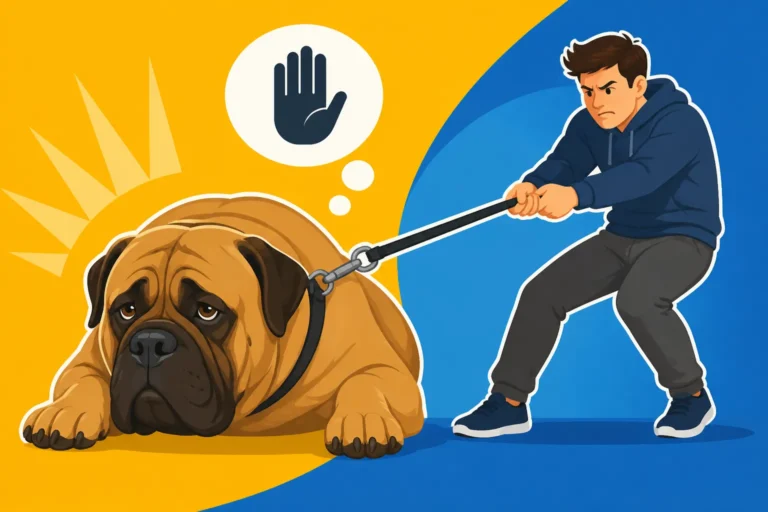
A Bullmastiff's strength means that proper leash handling is non-negotiable. An untrained Bullmastiff can easily pull an adult off their feet. Invest in a sturdy, well-fitting harness, perhaps one designed for large, strong pullers, which can be found on sites like Amazon. Focus on loose-leash walking from day one. Consistent training will teach your Bullmastiff that pulling doesn't get them where they want to go faster. When out in public, be mindful of your dog's size and presence. Not everyone is comfortable around large dogs. Keep your Bullmastiff close and under control, especially in crowded areas or when passing children or other dogs. Teaching a solid "heel" and "stay" command is vital for public safety and your own peace of mind. Remember, a Bullmastiff’s powerful physique requires an equally powerful commitment to training.
Home Security and Visitor Protocols
Your home is your Bullmastiff's territory, and they will naturally feel responsible for guarding it. This is why having clear protocols for visitors is essential. When someone comes to the door, have a plan. Some owners prefer to crate their Bullmastiff or put them in another room until the guest has settled in. Others train their dogs to go to a specific "place" or bed and remain there quietly while guests enter. Always introduce new people calmly and positively. Keep initial interactions supervised and positive, rewarding your Bullmastiff for calm behavior. Explain to your guests that your dog is protective and may need a moment to warm up. Over time, your Bullmastiff will learn to associate visitors with positive experiences, making them more accepting. Fencing is also crucial; a Bullmastiff needs secure boundaries to prevent them from wandering and to ensure their guarding instincts don't lead to issues with neighbors or passersby.
When the Holding Instinct Goes Wrong: Misinterpretation and Mismanagement
While the Bullmastiff's holding instinct is noble, it can be problematic if misunderstood or mismanaged. This isn't about the breed being inherently aggressive, but about human failure to provide appropriate guidance.
Fear-Based Reactivity vs. True Aggression
It's crucial to distinguish between fear-based reactivity and true aggression. A Bullmastiff that acts out, growling, lunging, or even nipping, is often doing so because they are fearful or insecure, not because they are inherently aggressive. This fear can stem from a lack of proper socialization, past negative experiences, or even genetic predisposition if they come from poorly bred lines. A truly aggressive dog attacks with intent to harm; a reactive dog acts out of a desire to create distance or make the perceived threat go away. Understanding the root cause of the behavior is the first step in addressing it. If your Bullmastiff is showing signs of fear or reactivity, it's a plea for help, not a sign of a "bad" dog.
The Dangers of Inconsistent Training
Inconsistent training is one of the biggest pitfalls for Bullmastiff owners. If commands are not enforced consistently, if boundaries are constantly shifting, or if different family members have different rules, a Bullmastiff will become confused and may start to make their own decisions. Given their size and protective nature, this can quickly lead to problems. For example, if one person allows jumping on guests, but another punishes it, the dog doesn't know what's expected. This inconsistency undermines your leadership and can exacerbate protective tendencies, leading the dog to believe they must be in charge of determining who is a threat and how to deal with them. The phrase "stubborn Bullmastiff" often stems from a lack of consistent, clear guidance rather than actual stubbornness. How Stubborn a Bullmastiff Is explores this further.
Seeking Expert Behavioral Help
If your Bullmastiff is exhibiting concerning behaviors – excessive reactivity, aggression towards strangers or other animals, or a "holding" instinct that crosses into inappropriate physical restraint – do not hesitate to seek expert behavioral help. This isn't something to "train out" on your own with YouTube videos. A qualified veterinary behaviorist or a certified professional dog trainer specializing in large, guardian breeds can assess the situation, identify the underlying causes, and develop a safe, effective behavior modification plan. Early intervention is key. Waiting too long can make the problem more entrenched and harder to resolve, potentially putting your dog and others at risk. Remember, the goal is always a well-adjusted, confident Bullmastiff who knows how to appropriately interact with the world.
Living with a Bullmastiff: Everyday Scenarios
Understanding their history and instincts helps us navigate daily life with these magnificent dogs. What does this "hold, not harm" philosophy look like in your living room or on your daily walk?
Interactions with Strangers
When it comes to strangers, a Bullmastiff will typically be reserved. They are not usually the type to greet everyone with effusive enthusiasm. Instead, they will observe and assess. If a stranger is calm and respectful, your Bullmastiff will likely accept their presence, perhaps after a few minutes of quiet evaluation. However, if someone is overly boisterous, moves too quickly, or acts in a way the Bullmastiff perceives as confrontational, their protective instincts might kick in. This is where your training and management come into play. Teach your Bullmastiff a strong "leave it" or "stay" command when new people approach. Many owners find it best to let the Bullmastiff initiate contact, or at least keep greetings brief and controlled. It's about trust – trusting you to handle the situation, and trusting the stranger to be polite. How a Bullmastiff Greets a Stranger covers this in more detail.
Living with Children and Other Pets
Bullmastiffs are generally known for being incredibly patient and tolerant with children in their own family. Their calm demeanor and impressive bulk mean they are often unperturbed by the antics of toddlers. They can be incredibly gentle giants, often acting as furry nannies, supervising playtime from a nearby rug. However, supervision is always paramount, especially with very young children, simply because of the Bullmastiff's size. An accidental bump from a 130-pound dog can easily knock a small child over. Teach both your children and your Bullmastiff how to interact respectfully. For example, children should learn not to bother the dog when it's eating or sleeping. When it comes to other pets, Bullmastiffs can often coexist peacefully, especially if raised with them. However, they can have same-sex aggression with other dogs, especially males. Introductions to new animals should always be done carefully and under strict supervision. This breed's powerful presence means they must be taught appropriate boundaries from day one. More on this topic can be found in A Bullmastiff With Children.
Being the Responsible Bullmastiff Owner
Being a responsible Bullmastiff owner means constant vigilance and proactive management. It means understanding their needs for proper exercise (which is often less than you'd think for such a large dog), consistent training, and ample mental stimulation. It means advocating for your dog, politely correcting misconceptions about their breed, and ensuring they are always perceived as a well-behaved, stable member of the community. This might involve educating visitors on how to interact with your dog, or choosing to avoid busy dog parks if your dog is not comfortable in chaotic environments. Your commitment ensures that your Bullmastiff can fulfill their role as a loving family member and guardian, rather than becoming a misunderstood liability. What a Bullmastiff Does All Day explores their daily needs.
Distinguishing Myth from Reality in Bullmastiff Behavior
There are a lot of myths swirling around large, powerful breeds like the Bullmastiff. It's important to separate fact from fiction to truly appreciate and understand these dogs.
The "Aggressive Breed" Stereotype
One of the most persistent and frustrating myths is that Bullmastiffs are inherently aggressive. This couldn't be further from the truth. As we've discussed, they were bred for control and apprehension, not random aggression. Their imposing size and historical role can unfortunately lead to mischaracterizations. True aggression in a Bullmastiff is almost always a result of poor breeding (lack of stable temperament), inadequate socialization, abusive training, or fear. A well-bred, well-socialized, and well-trained Bullmastiff is generally a calm, loyal, and devoted companion. They are protectors, yes, but not aggressors. This stereotype is unfair and often leads to breed-specific legislation that punishes responsible owners and their gentle dogs.
Why a Bullmastiff Is Not a Biting Dog by Nature
The key distinction in their history — "hold, not bite" — is crucial here. Unlike some breeds developed for fighting or hunting game that required killing, the Bullmastiff's job was to subdue. Their large, powerful jaws were for holding, applying pressure, and preventing movement, not for tearing flesh. While any dog can bite, a Bullmastiff's natural inclination, when acting on its protective instinct, is to control rather than to wound. This is reflected in their often-reserved demeanor and their deliberate actions. They are not prone to nervous nipping or snapping. When a Bullmastiff does bite, it is a serious breach of their inherent nature and usually indicative of significant underlying issues that need immediate, professional attention.
The Importance of Breed-Specific Knowledge
For anyone considering a Bullmastiff, gaining breed-specific knowledge is paramount. Don't rely on stereotypes or anecdotal evidence. Research their history, their temperament, and their unique needs. Understand that they are not a "set it and forget it" breed; their size, strength, and guarding instincts require a dedicated owner who is committed to ongoing training and socialization throughout their lives. This knowledge will not only prepare you for the challenges and joys of Bullmastiff ownership but also allow you to be an ambassador for the breed, dispelling myths and showcasing the true nature of these magnificent "Gamekeeper's Night Dogs." Without understanding Whether a Bullmastiff Is Too Much Dog for Most Homes, people often get into situations they're not prepared for.
Here's a quick comparison of the Bullmastiff's historical approach:
| Characteristic | "Hold" (Bullmastiff's Nature) | "Bite" (Not the Bullmastiff's Primary Instinct) |
|---|---|---|
| Purpose | Apprehension, restraint, control | Inflicting injury, tearing flesh |
| Method | Pinning, body blocking, firm grip, deterring presence | Aggressive tearing, repeated strikes |
| Motivation | Protection, duty, maintaining order | Fear, territorial aggression (often mismanaged), attack |
| Desired Outcome | Poacher held until gamekeeper arrives unharmed | Poacher severely injured or killed |
| Modern Manifestation | Leaning, silent vigilance, standing guard | Reactivity, aggression due to fear/poor training |
Disclaimer
This article is for general informational purposes only and does not constitute professional advice. Laws, prices and regulations vary by location and change over time. Consult a qualified professional for guidance on your specific situation.