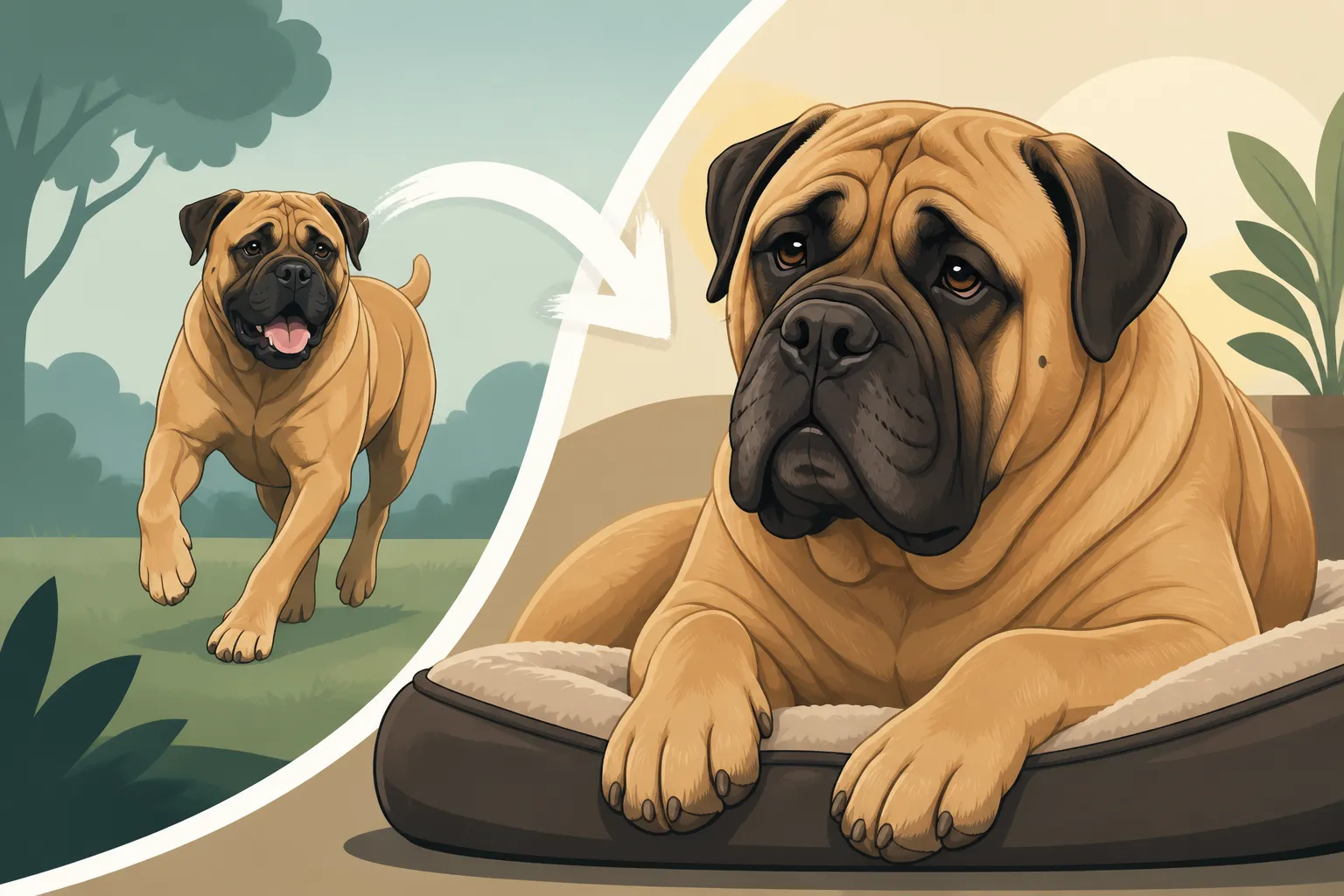
When a Bullmastiff Slows Down With Age
It's a bittersweet moment when you start noticing your big, powerful Bullmastiff, who once seemed like an unstoppable force, beginning to slow down. That boundless energy and playful exuberance can gradually give way to a more deliberate pace, and you might find yourself wondering if it's just a phase or the inevitable march of time. This guide is here to help you understand the natural aging process in Bullmastiffs, what signs to look for, and how you can best support your beloved companion as they transition into their golden years.
Understanding the Bullmastiff Lifespan and Seniority
Owning a Bullmastiff is a unique experience, a journey filled with love, laughter, and often, a hefty dose of drool. But for all their wonderful qualities, one truth hits Bullmastiff owners particularly hard: their time with us is often shorter than we'd wish. This reality shapes how we perceive their aging process.
The Typical Lifespan of a Bullmastiff and Why It Feels Short
Let's be blunt: Bullmastiffs, like many large and giant breeds, tend to have shorter lifespans than their smaller counterparts. On average, a Bullmastiff lives about eight and a half years. This can feel incredibly unfair when you've fallen so deeply in love with these gentle giants. It means that the "slowing down" often starts earlier than what many people expect from a dog, especially if they're used to breeds that routinely hit the double digits.
The sheer size and rapid growth rate of a Bullmastiff contribute to accelerated aging. Their bodies work incredibly hard in those first few years, and that can take a toll. It’s not just an arbitrary number; it’s a biological reality. So, when you start seeing your Bullmastiff move a little less enthusiastically, or take longer to get up, it's often a genuine sign of their body telling them to conserve energy. This isn't a flaw in your dog; it's simply the nature of the breed. We want to enjoy every single moment, but we also need to be realistic about their journey. For more on this, you might find The Median Bullmastiff Lives Eight and a Half Years insightful.
When Does "Senior" Truly Begin for a Bullmastiff?
Unlike humans who might celebrate their 65th birthday as a marker for senior citizen status, the definition of "senior" for a Bullmastiff is a bit more nuanced and often comes earlier. Generally, large and giant breeds like Bullmastiffs are considered senior around 5-7 years of age. For a Bullmastiff, six years old is definitely in senior territory, and for some, the signs might even begin to appear around five.
This means that a Bullmastiff can be considered a senior while still appearing quite youthful to the casual observer. They might still have a good amount of energy and playfulness, but subtle changes will start to emerge. It’s crucial for owners to recognize this earlier onset of seniority to proactive care adjustments. Thinking of your dog as "senior" at age six allows you to start preventative measures, like specialized diets, joint supplements, and more frequent vet check-ups, before major issues arise. Delaying this recognition can mean missing opportunities to support their health and comfort. We delve more into this in The Age a Bullmastiff Is Considered Senior.
Physical Manifestations of Aging in Bullmastiffs
The most obvious signs that your Bullmastiff is slowing down are often physical. Their once fluid movements might become stiff, their playful bursts shorter, and their overall energy levels diminished. These changes are part of the natural aging process, but they can also signal underlying conditions that need attention.
The Gradual Decline in Mobility and Energy
One of the first things many Bullmastiff owners notice is a change in their dog's willingness or ability to move. Perhaps they're slower to get off the couch, take more time to navigate stairs, or hesitate before jumping into the car. This isn't laziness; it's often a direct result of aging joints and muscles. Arthritis is incredibly common in large breeds, and the wear and tear on their substantial frames can lead to chronic pain and stiffness. You might see them struggling to rise, a common issue we discuss in Why an Aging Bullmastiff Struggles to Rise. Their muscle mass can also begin to diminish, making movements even more challenging, as explored in Why an Aging Bullmastiff Loses Muscle.
It’s important to distinguish between a natural slowdown and a sudden lameness or severe pain, which always warrants a vet visit. However, a gradual reduction in energy for walks, fewer bursts of "zoomies," and longer naps are all typical signs. They might still enjoy a short stroll, but their capacity for long hikes or intense play sessions will likely decrease. Providing comfortable, supportive bedding becomes paramount. Many owners find orthopedic beds, readily available from retailers like Amazon, make a huge difference in their dog's comfort and ability to rest.
Sensory Changes and How They Impact Daily Life
Just like humans, Bullmastiffs can experience a decline in their senses as they age. Hearing and sight are the most common to be affected, and these changes can subtly alter their behavior and how they interact with their environment.
- Hearing Loss: You might notice your Bullmastiff doesn't respond to their name or commands as readily, or they sleep through noises that once would have roused them. This can range from mild hearing impairment to complete deafness. If your dog's hearing is diminishing, it's important to start using hand signals in conjunction with verbal commands, or even transition entirely to visual cues. Always approach them from the front to avoid startling them. Deafness in an Aging Bullmastiff offers more insight here.
- Vision Impairment: Cloudiness in their eyes (lenticular sclerosis) is common and usually doesn't impact vision significantly, but cataracts can lead to blindness. If your Bullmastiff starts bumping into furniture, hesitates in unfamiliar environments, or seems disoriented in dim light, their vision might be declining. Keeping furniture in consistent places, using bright lighting, and providing clear pathways can help a visually impaired dog navigate their home safely.
These sensory changes can lead to increased anxiety or confusion in some dogs, as their world becomes less predictable. Patience and consistency are key to helping them adapt.
Weight Management and Metabolism Shifts in Senior Bullmastiffs
As a Bullmastiff slows down, their metabolism also shifts, and they tend to burn fewer calories. This means that if their diet isn't adjusted, they can easily gain weight, which further exacerbates joint issues and puts strain on their organs. Keeping a Bullmastiff lean throughout their life is critical, but it becomes even more vital in their senior years.
Monitoring their weight and body condition regularly is essential. You should still be able to easily feel their ribs without pressing hard, and they should have a discernible waist when viewed from above. If your Bullmastiff is gaining weight, it’s time to talk to your vet about reducing their calorie intake or switching to a senior-specific food, which typically has fewer calories and sometimes added joint support. Exercise, even gentle, consistent walks, remains important for maintaining muscle tone and helping with calorie expenditure. These dietary and exercise adjustments are key components of Caring for a Bullmastiff Past Six.
Behavioral and Cognitive Changes in an Aging Bullmastiff
Beyond the physical, the way your Bullmastiff thinks and behaves can also change as they age. Some of these shifts are directly linked to physical discomfort or sensory decline, while others might signal cognitive dysfunction, akin to canine dementia.
Changes in Sleep Patterns and Routine
You might find your once predictable Bullmastiff's sleep schedule becoming a bit erratic. They might sleep more during the day but seem restless or wakeful at night. This can be due to discomfort from arthritis, needing to go outside more frequently due to decreased bladder control, or simply changes in their internal clock.
An aging Bullmastiff might pace at night, pant, or whine, seemingly for no reason. Providing a comfortable, easily accessible sleeping area, ensuring they have ample opportunities for potty breaks before bed, and maintaining a consistent routine can help. Sometimes, underlying pain or even cognitive issues are contributing, so it's always worth discussing these changes with your veterinarian. They might suggest pain management or other strategies to help your Bullmastiff (and you) get a better night's rest.
Cognitive Decline and Maintaining Mental Engagement
While not every senior Bullmastiff develops canine cognitive dysfunction (CCD), it's a possibility that owners should be aware of. Signs of CCD can include:
- Disorientation: Getting "stuck" in corners, staring at walls, or appearing confused in familiar surroundings.
- Changes in Interaction: Less interest in greeting family members, increased irritability, or seeking less attention.
- Sleep-Wake Cycle Disturbances: As mentioned, sleeping more during the day and being restless at night.
- House-Soiling: Accidents in the house despite being previously house-trained.
- Activity Level Changes: Decreased interest in play or exploration, or repetitive behaviors like pacing.
It can be heartbreaking to see your intelligent, devoted Bullmastiff struggling with these issues. While there's no cure for CCD, there are things you can do to slow its progression and improve their quality of life. Keeping their mind active with gentle puzzle toys or short, familiar training sessions can be beneficial. Even something as simple as scattering treats for them to "hunt" can provide mental stimulation. Online training platforms like BAXTER & Bella offer ideas for gentle enrichment activities that can be adapted for senior dogs, helping to keep their brains engaged.
Temperament Shifts and Social Interactions
A Bullmastiff's temperament is generally calm and affectionate, but age can bring subtle shifts. Some senior Bullmastiffs become more withdrawn, preferring to rest quietly rather than engaging in boisterous play. Others might become a bit more irritable or sensitive, especially if they are experiencing pain or discomfort. They might snap or growl if startled or if a painful area is touched.
It's vital to respect their changing boundaries and to educate children and other pets to give them space. Pay attention to their body language for signs of discomfort or stress. If your Bullmastiff becomes uncharacteristically aggressive or anxious, it's essential to rule out any medical causes first, as pain or illness can often manifest as behavioral changes. Understanding What Changes in a Bullmastiff After Six can help you anticipate some of these shifts.
Supporting Your Aging Bullmastiff: Practical Care Tips
Watching your Bullmastiff slow down can be tough, but your role now shifts to making their senior years as comfortable, happy, and fulfilling as possible. Proactive care and environmental adjustments can make a world of difference.
Adapting Exercise Routines for Comfort
While your Bullmastiff might not be up for marathon walks anymore, regular, gentle exercise is still crucial for maintaining muscle tone, joint flexibility, and overall mental well-being. Instead of one long walk, consider several shorter, slower strolls throughout the day. Focus on soft surfaces like grass rather than hard concrete, which can be tougher on aging joints.
Listen to your dog. If they lag behind, seem stiff afterward, or show signs of pain, shorten the duration or intensity of their activity. Swimming can be an excellent low-impact exercise for senior Bullmastiffs if they enjoy it and have good mobility to get in and out of the water safely. Even a game of "find the treat" indoors can provide mental and gentle physical stimulation. Remember, the goal is consistent, comfortable movement, not intense exertion.
Nutritional Adjustments and Supplementation
As discussed, senior Bullmastiffs often require fewer calories. Switching to a high-quality senior dog food formulated for large breeds can be beneficial. These foods usually have appropriate protein levels to help maintain muscle mass, lower fat content, and sometimes include ingredients that support joint health.
Beyond diet, many senior Bullmastiffs benefit from joint supplements. Glucosamine, chondroitin, MSM, and Omega-3 fatty acids (like fish oil) are popular choices that can help lubricate joints and reduce inflammation. Talk to your veterinarian about the best supplements and dosages for your individual dog, especially if they are already on other medications. Sometimes, they might also recommend other medications for pain management, such as NSAIDs, to improve your Bullmastiff's comfort and mobility. Whether a Bullmastiff Needs Joint Medication Early is a related read you might find helpful.
Creating a Comfortable and Accessible Environment
Making your home senior-dog-friendly can dramatically improve your Bullmastiff's quality of life.
- Orthopedic Beds: A supportive, thick orthopedic bed is a must. It distributes their weight evenly, takes pressure off sore joints, and provides insulation from cold floors. Brands like Big Barker, often found on Amazon, are designed specifically for large and giant breeds. Which Bed a Bullmastiff Needs elaborates on this.
- Ramps and Steps: If your Bullmastiff loves to be on the couch or in the car, consider ramps or pet steps. This prevents them from having to jump, which can be hard on their joints and lead to injury.
- Non-Slip Surfaces: Hardwood floors or tile can be challenging for a dog with reduced mobility. Lay down rugs or carpet runners in high-traffic areas to provide traction and prevent slips and falls.
- Easy Access to Necessities: Ensure their food and water bowls are easily accessible. A raised feeder can sometimes help if bending down causes discomfort. Make sure their potty area is close and easy to reach, especially if bladder control is becoming an issue.
- Consistent Environment: If your Bullmastiff is experiencing vision or cognitive decline, keep their environment consistent. Avoid rearranging furniture and ensure clear pathways.
Regular veterinary check-ups become even more important as your Bullmastiff ages. These visits allow your vet to catch potential issues early, manage chronic conditions, and adjust their care plan as needed. How Often a Bullmastiff Needs a Wellness Exam is a great resource for understanding this aspect of senior care. Embracing these changes and providing attentive, loving care will ensure your Bullmastiff enjoys their senior years with dignity and comfort.
| Age (Approx.) | Key Physical Changes | Key Behavioral Changes | Care Considerations |
|---|---|---|---|
| 0-1 Year | Rapid growth, developing muscles & bones | Puppy energy, learning boundaries, high trainability | Large breed puppy food, early socialization & training |
| 1-3 Years | Reaching full size, filling out | Adolescent energy, testing boundaries, still maturing | Consistent training, moderate exercise, careful growth |
| 3-5 Years | Prime adult, peak physical condition | Stable temperament, established routine | Regular exercise, adult maintenance diet |
| 5-7 Years | Early senior, subtle signs of slowing | Longer naps, less intense play, possibly more reserved | Vet check-ups, joint supplements, weight monitoring |
| 7+ Years | Established senior, noticeable decline in mobility | Increased napping, stiffness, potential sensory/cognitive changes | Adjusted exercise, senior diet, orthopedic support, pain management |
Disclaimer
This article is for general informational purposes only and does not constitute professional advice. Laws, prices and regulations vary by location and change over time. Consult a qualified professional for guidance on your specific situation.