How Well a Bullmastiff Swims
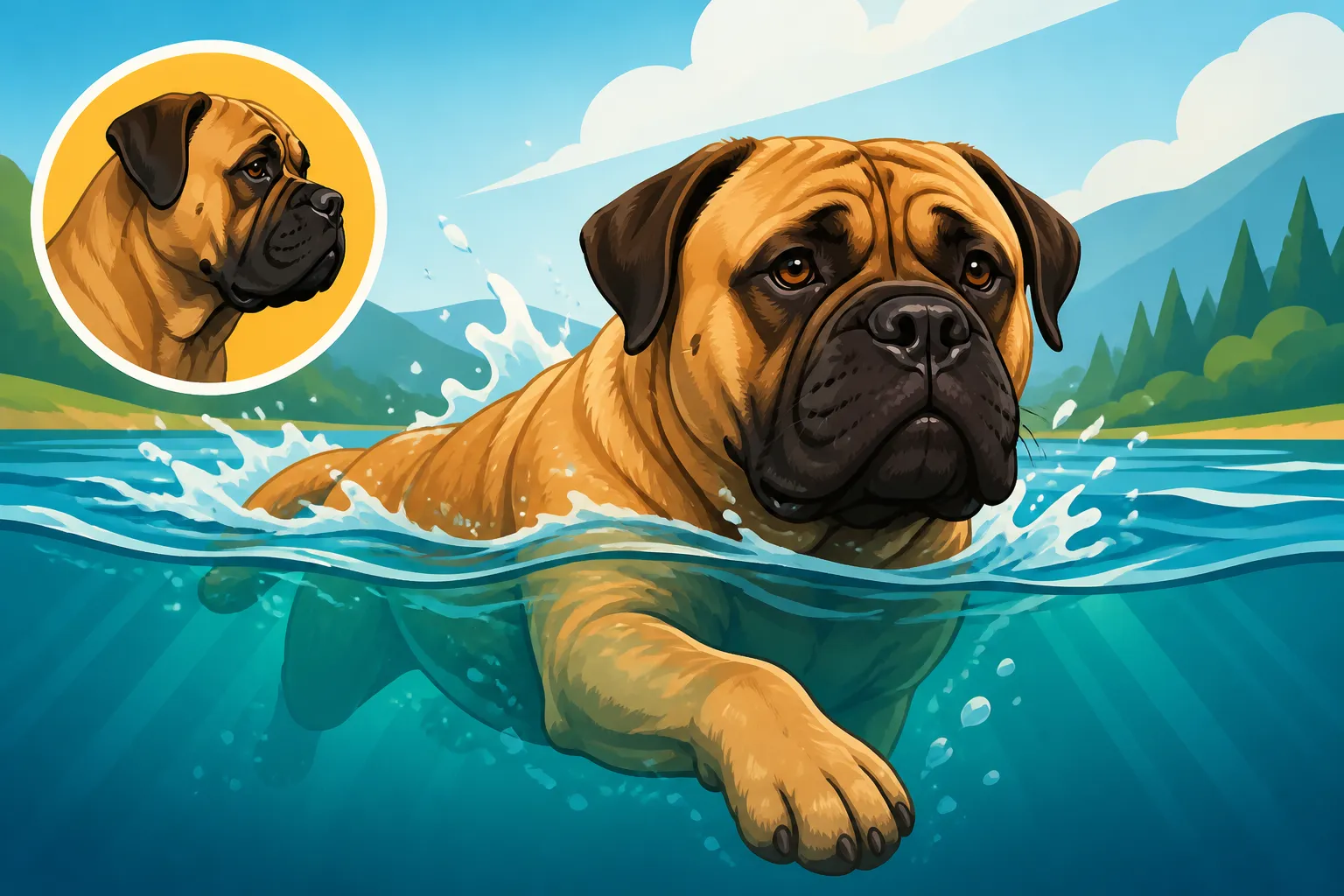
Many Bullmastiff owners find themselves at a crossroads when it comes to water activities. You see other dogs splashing happily, retrieving toys from lakes, and swimming with ease, and you naturally wonder if your majestic Bullmastiff can join in the fun. However, the truth is that while some Bullmastiffs might tolerate water, they are generally not built for swimming, and pushing them into it without understanding their physical limitations can be dangerous. This guide will dive deep into why Bullmastiffs typically aren't strong swimmers and how to approach water safely, if at all, for your beloved companion.
The Bullmastiff's Physical Build and How It Affects Swimming
It's tempting to think that all dogs are natural swimmers, but that's a common misconception, especially when it comes to breeds with specific physical traits like our Bullmastiffs. Their unique conformation, while perfect for their original purpose as estate guardians, can actually work against them in the water. Understanding these limitations is the first step in keeping your Bullmastiff safe.
Brachycephalic Challenges and Breathing in Water
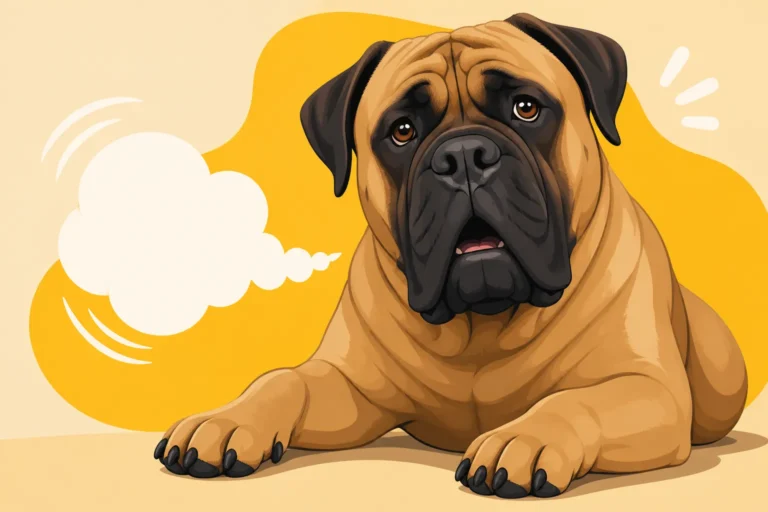
One of the most significant factors impacting a Bullmastiff's ability to swim is their brachycephalic (short-nosed) head structure. While not as extreme as a Bulldog, their flatter faces and shorter muzzles mean they often have compromised airways. Imagine trying to breathe deeply and consistently while exercising intensely, all with a partially obstructed windpipe. Now, picture doing that in water, where every breath needs to be precise to avoid inhaling water. It’s incredibly difficult and exhausting for them.
When a Bullmastiff is in the water, their head position during swimming can further compress their airways. They might snort, gasp, or struggle to keep their noses clear of the surface, making them tire out much faster than a long-nosed breed. This isn't just uncomfortable; it's a serious risk for aspiration pneumonia if they inhale too much water, or even drowning due to exhaustion. This is also why you need to be very mindful of What Temperature Is Dangerous for a Bullmastiff and Why a Bullmastiff's Short Muzzle Cannot Cool It when considering any exercise, especially in water. Their respiratory system simply isn't designed for sustained exertion in an aquatic environment.
Dense Bone Structure and Buoyancy
Another characteristic that puts Bullmastiffs at a disadvantage in the water is their dense, heavy bone structure. These dogs were bred for power and substance, and that translates to a lot of weight for their size. Unlike breeds with lighter bone and more body fat, which naturally float better, a Bullmastiff's musculature and heavy bones mean they have to work incredibly hard just to stay buoyant. Think of it like a human trying to float without any body fat – it requires constant effort.
Because they sink more easily, Bullmastiffs expend a tremendous amount of energy simply keeping their heads above water and propelling themselves forward. This can lead to rapid fatigue, even in shallow water. A few minutes of paddling for a Bullmastiff might be the equivalent of a much longer, more strenuous swim for a Labrador. Their strong, powerful legs, while great for chasing down a poacher on land, aren't ideally shaped for efficient swimming strokes. This heavy build also means that if they do get into trouble, pulling them out of the water can be a massive undertaking, especially if you're dealing with a soaking wet Training a Bullmastiff That Weighs More Than You Do.
Short Coat and Lack of Insulation
Bullmastiffs boast a sleek, short coat that's easy to care for and sheds minimally for such a large dog. Why a Bullmastiff's Coat Takes Ten Minutes a Week is a testament to its low-maintenance nature. However, this coat is designed for warmth on land, not for insulating against cold water or aiding in buoyancy. Breeds that are natural swimmers, like retrievers, often have a double coat that provides insulation and repels water, allowing them to stay comfortable and float a bit easier.
A Bullmastiff's short coat offers minimal thermal protection. If the water is even slightly chilly, they can quickly become cold, leading to shivering and further exhaustion. This isn't just about comfort; hypothermia can be a real concern if they spend too much time in cool water. Furthermore, their coat doesn't trap air effectively to assist with buoyancy, meaning they rely entirely on muscular effort to stay afloat. When a Bullmastiff gets out of the water, that short coat offers little to no protection against the chilling effects of evaporation, making it crucial to have towels ready to How to Cool a Bullmastiff Down and dry them off quickly, especially if the air temperature isn't warm.
Introducing Your Bullmastiff to Water Safely
Even with their physical challenges, some Bullmastiffs genuinely enjoy splashing around or wading. The key is a slow, positive, and safe introduction, always prioritizing their comfort and safety above all else. Never force your Bullmastiff into the water; it could create a lifelong fear and even put them in a dangerous situation.
Gradual Introduction and Positive Reinforcement
The first step is to introduce water gradually and make it a positive experience. Start small: a kiddie pool in the backyard with just a few inches of water, or simply walking near the edge of a calm lake or stream. Let them investigate at their own pace. Throw a favorite buoyant toy just at the edge, encouraging them to step in. Praise them lavishly for any interaction with the water, even if it's just dipping a paw. Treats are your best friend here! Remember, Why a Bullmastiff Cannot Be Physically Made to Do Anything; their stubborn streak means force will only backfire.
If they show curiosity, you can gently encourage them to wade a little deeper. Some Bullmastiffs love to just stand in the cool water on a hot day, and that's perfectly fine. If they enjoy it, great! If they don't, that's okay too. Not every dog needs to be a swimmer. The goal isn't to make them Olympic athletes, but to ensure they have a safe and enjoyable experience if they choose to participate. Keep sessions short, maybe just How Short a Bullmastiff's Training Session Should Be, and always end on a positive note. For tips on patience in training, you might find insight from BAXTER & Bella's online resources, which often emphasize positive reinforcement for all types of dog behaviors.
Essential Safety Gear for Swimming Bullmastiffs
For any Bullmastiff who ventures beyond wading depth, a well-fitting dog life vest is not just recommended, it's absolutely essential. This isn't optional; it's a non-negotiable piece of equipment. A good life vest will provide the crucial buoyancy that their dense bodies lack, allowing them to float more easily and conserve energy. Look for a vest with a strong handle on the back, which will be invaluable if you need to quickly lift or guide your dog out of the water. Make sure it fits snugly, without chafing, and doesn't impede their leg movement.
You can find excellent life vests on platforms like Amazon, with various sizes and features to ensure a proper fit for your large Bullmastiff. Choose one with bright colors so your dog is easily visible in the water. Consider a vest that extends along the length of their body for maximum buoyancy and support. Beyond the vest, always have a long lead or tether nearby, especially in new environments or if you're unsure of currents. Even if your Bullmastiff is comfortable, currents can be deceptive, and a How to Walk a Bullmastiff That Outweighs You means you need all the help you can get to keep them safe.
| Essential Swim Gear | Purpose | Why it's critical for Bullmastiffs |
|---|---|---|
| Dog Life Vest | Provides buoyancy and visibility | Compensates for dense bones, helps them float, conserves energy, and has a handle for easy retrieval. |
| Long Leash/Tether | Safety in open water or new areas | Allows you to guide and control, especially if current is present or they tire quickly. |
| Floating Toys | Encourages interaction, positive reinforcement | Motivates them to enter water without pressure, provides a goal. |
| Fresh Water & Bowl | Prevents ingestion of lake/pool water | Hydrates without risking bacteria or chemicals from swim water. |
| Towels | Dries quickly to prevent chilling | Important due to short coat and susceptibility to cold post-swim. |
| Shade/Rest Area | Allows for breaks and prevents overheating | Crucial for brachycephalic breeds prone to overheating. |
Supervising Your Bullmastiff in and Around Water
Constant, vigilant supervision is paramount whenever your Bullmastiff is near water. This isn't a "set it and forget it" activity. Even if they're wearing a life vest and seem to be doing well, their energy can deplete rapidly due to their body type. Watch closely for signs of fatigue: excessive panting, struggling to keep their head up, frantic paddling, or trying to climb out. At the first sign of distress, gently guide them to safety or lift them out using the life vest's handle.
Be aware of the environment. Lakes and rivers can have strong currents, sudden drop-offs, or submerged hazards. Pools often have slippery edges and steps that can be hard for a heavy dog to navigate. Always test the water temperature yourself; if it feels cold to you, it's definitely too cold for your Bullmastiff. Remember, Why Eighty Degrees Is Dangerous for a Bullmastiff applies to air and water temperature, making overheating a major concern. Never let them swim alone or without you right there. Their sheer size and potential for exhaustion mean that swift intervention might be the only thing that saves them from a dangerous situation.
Recognizing When Swimming Isn't Right for Your Bullmastiff
It's a hard pill to swallow sometimes, but recognizing your Bullmastiff's limits is a vital part of responsible ownership. Not every dog is meant to be a swimmer, and for Bullmastiffs, there are clear signs and health considerations that might mean water activities are best avoided altogether.
Signs of Discomfort or Distress
Your Bullmastiff communicates through body language, and it's essential to be fluent in their signals, especially around water. If they resist going near the water, pull away, or show general apprehension, respect that. Whining, excessive panting (beyond normal exertion), frantic paddling with no forward motion, eyes wide with fear, or trying desperately to climb onto you are all red flags. These are not signs of a dog "having fun" or "just needing to get used to it"; they are clear indicators of stress and potential danger.
Even if they seem to be enjoying themselves initially, watch for signs of rapid fatigue. A Bullmastiff can go from playful to dangerously exhausted in moments. Their breathing might become labored, or they might start making gurgling noises as they accidentally ingest water. If you notice any of these symptoms, immediately remove them from the water and allow them to rest in a cool, safe place. Never push them past their comfort zone, as this can lead to trauma or life-threatening situations. Understanding Signs a Bullmastiff Has Heatstroke is also critical here, as exertion in water can still lead to overheating.
Health Considerations and Water Activities
Beyond their general build, specific health conditions common in Bullmastiffs can make swimming a high-risk activity. Cardiac issues, such as Subaortic Stenosis Is There Before a Bullmastiff's First Birthday, mean that strenuous exercise like swimming can put an undue strain on their heart. If your Bullmastiff has any known heart condition, even a mild one, swimming should likely be off-limits unless specifically cleared by your vet. The same goes for respiratory problems or conditions like laryngeal paralysis.
Joint issues are another major concern. Bullmastiffs are prone to conditions like hip and elbow dysplasia, as detailed in Hips and Elbows Under a Hundred and Thirty Pound Bullmastiff. While swimming is often touted as a low-impact exercise, the effort required for a Bullmastiff to stay afloat and propel themselves can still put stress on their joints, especially if they are struggling or making awkward movements. Recovery from something like How a Bullmastiff Recovers From Cruciate Surgery would mean no swimming for a significant period. Always consult your veterinarian before introducing your Bullmastiff to swimming, especially if they have any pre-existing health conditions or are Caring for a Bullmastiff Past Six and may have age-related mobility issues.
Alternative Ways to Keep Your Bullmastiff Cool and Exercised
If your Bullmastiff isn't a natural swimmer, or if health concerns dictate that water isn't safe for them, don't despair! There are plenty of other ways to keep them cool and exercised, especially during warmer months. Remember, The Exercise Limit for a Bullmastiff Puppy is important at a young age, and as adults, they still don't need excessive exercise.
Shallow wading in a kiddie pool is often a huge hit for many Bullmastiffs. They can cool their paws and bellies without the full effort of swimming. Sprinklers or a gentle hose spray can also provide a fun and refreshing experience. For mental stimulation, consider puzzle toys filled with frozen treats. A frozen KONG or lick mat can keep them engaged and cool. For physical exercise, focus on walks during cooler parts of the day (early morning or late evening) and ensure they have access to plenty of fresh water and shade. Indoor play, training sessions, or even just relaxing in an air-conditioned space with you are perfectly acceptable and often preferred activities for these gentle giants. BAXTER & Bella also offers a variety of online resources and training modules that can provide ideas for mental enrichment and low-impact exercise suitable for a Bullmastiff.
Sometimes the best thing we can do for our Bullmastiffs is to acknowledge their unique needs and adapt our activities accordingly. While a majestic splash might look great on Instagram, their safety and comfort should always be the priority.
Disclaimer
This article is for general informational purposes only and does not constitute professional advice. Laws, prices and regulations vary by location and change over time. Consult a qualified professional for guidance on your specific situation.