Why a Bullmastiff Grunts and Groans
If you've ever owned a Bullmastiff, you're undoubtedly familiar with the symphony of grunts, groans, sighs, and snorts that emanate from these gentle giants. It's perfectly normal to wonder what all those unique sounds mean, or even if they’re a sign that something is amiss with your beloved companion. This guide will delve into the fascinating world of Bullmastiff vocalizations, helping you understand why your big dog makes these distinct noises and when they might be trying to tell you something important.
The Bullmastiff's Vocal Repertoire Beyond the Bark
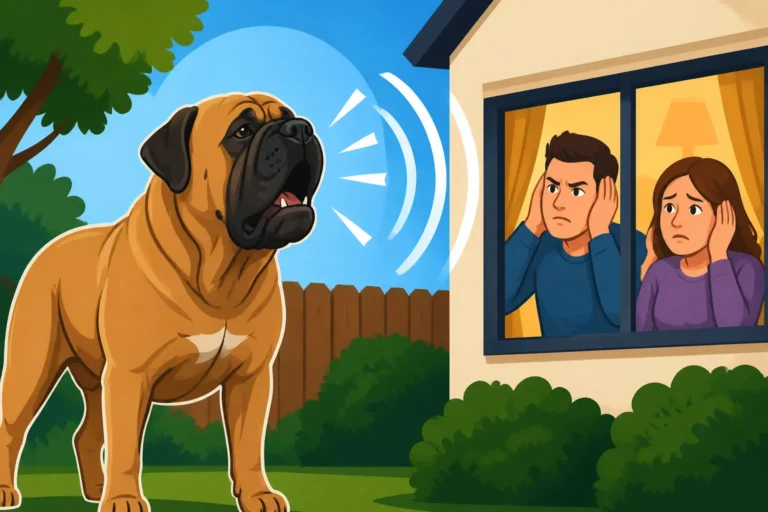
Unlike many breeds known for their incessant barking, Bullmastiffs have a more subtle, yet equally expressive, way of communicating. Their deep, resonant grunts and groans are a signature part of their personality, often catching first-time owners by surprise.
A Breed Bred for Silence, Not Muteness
It's easy to forget, given their imposing size, that the Bullmastiff was originally bred in England by gamekeepers to be a silent guardian. Their role was to track and hold poachers without alerting them with loud barking, relying instead on stealth and strength. This history has ingrained in them a tendency towards quietness compared to many other breeds. So, while they might not bark to announce every squirrel that passes by, they're far from mute. They've simply developed an extensive vocabulary of lower, more guttural sounds to express themselves. Think of it as their specialized dialect – a series of huffs, snorts, and rumbling grumbles that, once you learn to interpret, speak volumes. It's a key reason why you might often find yourself asking, "What was that sound?" when they're simply expressing themselves in their own unique way, a testament to their heritage as the "Silent Guardian."
Comfort and Contentment: The Happy Noises
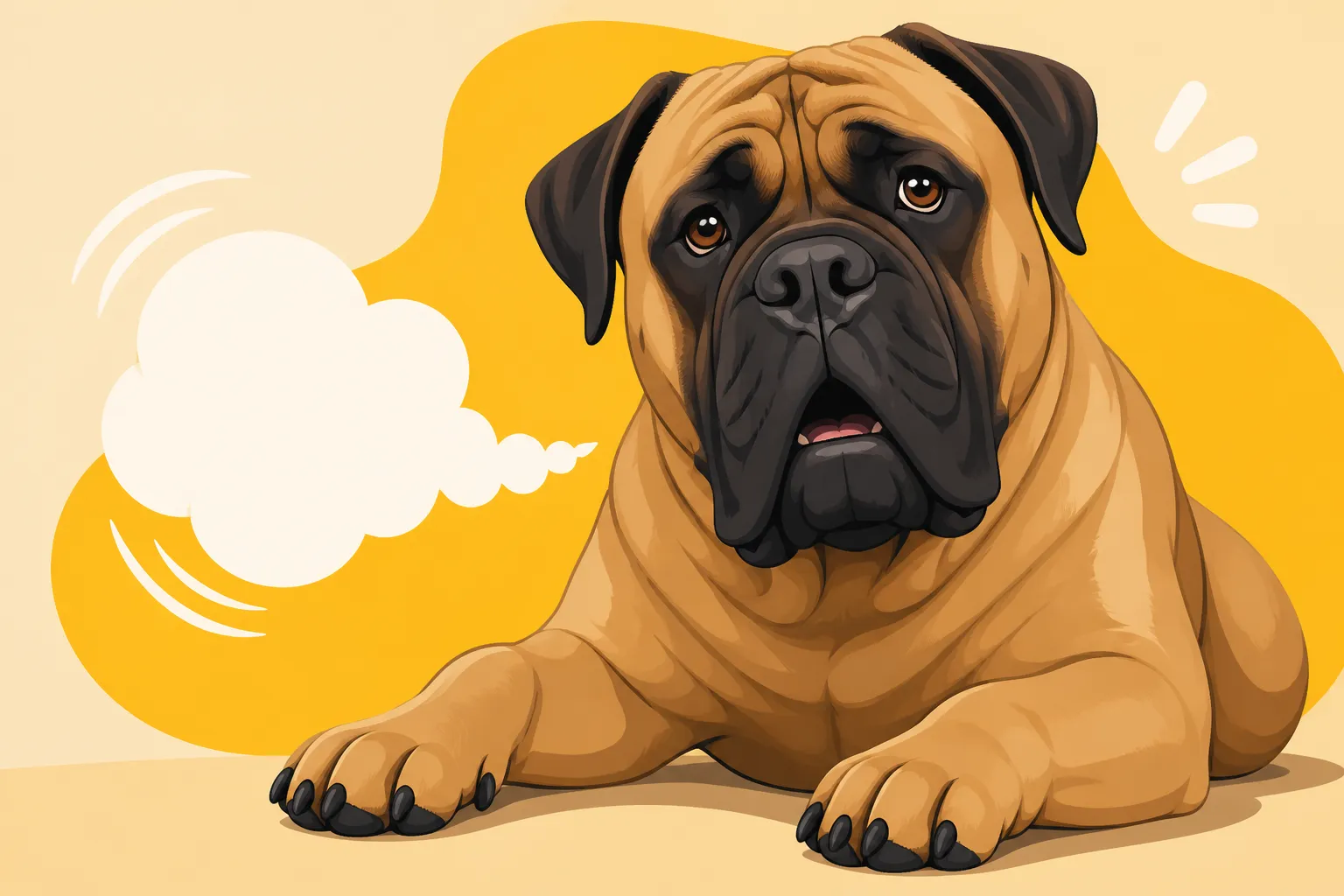
Many of the grunts and groans you hear from your Bullmastiff are simply expressions of sheer contentment and comfort. Picture this: your massive companion has just finished a delightful meal, perhaps a hearty bowl of their favorite kibble. They then lumber over to their favorite spot on the rug, or their plush orthopedic dog bed (many owners find excellent options on Amazon that provide ample support for their large frames), and with a dramatic heave, they settle down. As their heavy body sinks into comfort, a deep, resonant sigh or a satisfied groan might escape them. This isn't a sign of pain or distress; it's the sound of ultimate relaxation, a canine equivalent of a human "ahhh" after a long day. You'll often hear these happy noises when they are stretching out after a nap, shifting into a more comfortable position, or simply enjoying a quiet moment in your presence. These are the sounds that melt your heart, letting you know your Bullmastiff is utterly at peace in their domain. Knowing what these contented sounds indicate can bring immense reassurance, affirming that your Bullmastiff is truly happy and comfortable in their home. These are the sweet reminders of their placid nature and easy-going temperament, especially when they're enjoying a cozy snooze in their Which Bed a Bullmastiff Needs.
Communicating Needs and Wants Through Grunts and Groans
Beyond expressing comfort, Bullmastiffs are masters of using their grunts and groans to communicate their immediate needs and desires. Learning to differentiate these nuanced vocalizations is a crucial part of living harmoniously with this intelligent breed.
The "I Want Something" Grunt
Your Bullmastiff isn't always subtle. While they might not bark for attention, they have perfected the art of the "I want something" grunt. This can manifest in several ways: a soft, almost pleading grumble directed towards their empty food bowl, a persistent low huff when they want to go outside for a potty break, or a gentle, rumbling groan accompanied by a heavy head nudging your hand. When a Bullmastiff wants to be petted, they might lean their substantial weight against you, issuing soft, almost melodic grunts as if to say, "More, please!" Why a Bullmastiff Leans on People. Owners often develop an intuitive understanding of these sounds, learning to distinguish between the "I need a walk" grunt and the "I want that treat you're eating" groan. It’s a fascinating aspect of their communication style, often requiring you to pause and interpret their intentions, making you feel truly connected to their unspoken language. These sounds are their way of engaging with you, often signaling that they require your attention for a specific, often immediate, need.
The "I Disapprove" or "I'm Annoyed" Rumbles
Sometimes, a Bullmastiff's grunts are less about desire and more about mild protest or displeasure. These are the sounds of a dog who is not thrilled with the current situation but is too dignified (or perhaps too lazy) to make a bigger fuss. Imagine you've asked your Bullmastiff to move from their prime napping spot on the sofa. You might be met with a long, drawn-out groan, almost a sigh of resignation, as they slowly uncoil their large body. It's not aggressive, but rather a clear, albeit gentle, expression of "Do I have to?" or "This is highly inconvenient." Similarly, if another pet invades their personal space, or if you accidentally step on their paw, you might hear a low, rumbling sound of complaint. This isn't anger, but a firm "hey, watch it!" These "disapproval" noises are a core part of their deliberate temperament; they don't rush into anything, and their vocalizations often reflect this thoughtful, sometimes begrudging, consideration of your request. Why a Bullmastiff Pauses Before Obeying They're letting you know, in their own unique way, that they're acknowledging your command, even if they don't quite agree with it, or would prefer not to comply immediately.
Physical Reasons and Environmental Cues
Beyond emotional expression, many grunts and groans are simply physiological reactions to the world around them, or even to the physical act of being a large dog.
Stretching, Shifting, and Settling In
Being a majestic, heavy dog like a Bullmastiff comes with its own set of physical considerations. Just imagine carrying around 100 to 130 pounds all day! Getting up from a deep sleep, stretching out after a long nap, or even just shifting positions to get more comfortable can be quite an effort. This exertion often comes with an accompanying grunt or groan. It's akin to a human letting out an audible "oof" when standing up after sitting for too long. As your Bullmastiff ages, these sounds might become more frequent, especially if they are developing arthritis or other joint issues, which are not uncommon in large breeds. Providing an orthopedic bed, perhaps one you researched and found on Amazon, can make a significant difference in their comfort, reducing the need for these effortful groans. What an Orthopedic Bed for a Bullmastiff Costs These sounds are often just a natural part of their daily movements, particularly when they're navigating getting in and out of tight spaces or onto their favorite napping spot. It's a testament to the physical demands of their substantial size.
Temperature Regulation and Comfort
Bullmastiffs are a brachycephalic breed, meaning they have a relatively short muzzle. While not as extreme as some other brachycephalic dogs, this conformation affects their ability to cool themselves efficiently. Consequently, in warmer weather or after even moderate exertion, you might hear more snorting, huffing, and grunting as they try to regulate their breathing and body temperature. Why a Bullmastiff's Short Muzzle Cannot Cool It These sounds can be an early warning sign that your Bullmastiff is feeling the heat and needs to cool down. It's vital to pay attention to these subtle cues, especially when the temperature climbs above what is comfortable for them. Always provide ample fresh water and a cool, shaded place for them to rest. If the grunts become more labored or are accompanied by heavy panting, drooling, or lethargy, it’s a strong indication of overheating, which can quickly become dangerous for this breed. What Temperature Is Dangerous for a Bullmastiff Understanding this particular aspect of their physiology helps you keep them safe and comfortable, recognizing that their unique sounds are often tied to their physical needs.
Health Concerns: When Grunts Signal Trouble
While many grunts and groans are harmless, it's crucial for Bullmastiff owners to recognize when these vocalizations might be signaling pain or a health issue. A sudden increase in frequency, a change in the type of sound, or grunting that is accompanied by other symptoms should always warrant closer attention. For instance, if your typically quiet Bullmastiff starts groaning every time they try to stand up, or if their grunts are coupled with limping, stiffness, or a reluctance to move, it could indicate musculoskeletal pain such as Hip Dysplasia in a Bullmastiff or Elbow Dysplasia in a Bullmastiff.
Other serious conditions, like bloat, can also manifest with unusual sounds, discomfort, and a distended abdomen. Signs a Bullmastiff Is Bloating If you observe grunting along with signs of lethargy, loss of appetite, changes in breathing, or any other deviation from their normal behavior, it's always best to consult your veterinarian promptly. These majestic dogs are incredibly stoic and often hide pain well, so any vocalization that seems out of character or persistent should be taken seriously. A veterinarian can help determine if the grunts are normal background noise or a signal that your beloved Bullmastiff needs medical attention.
Here's a quick comparison to help you differentiate:
| Characteristic | Normal Grunts/Groans | Concerning Grunts/Groans |
|---|---|---|
| Context | Settling, stretching, greeting, mild requests, eating | Difficulty moving, during/after exercise, when touched, unexplained |
| Accompanying Behavior | Relaxed body language, tail wags, eye contact | Restlessness, limping, lethargy, decreased appetite, panting, guarding a body part |
| Frequency | Intermittent, consistent with known triggers | Sudden increase, constant, without clear trigger |
| Sound Quality | Soft, low, rumbling, sigh-like | Sharp, strained, high-pitched, whiny, yelps |
| Body Language | Loose, relaxed | Stiff, hunched, tense, reluctant to lie down or stand |
| Appetite/Thirst | Normal | Decreased or absent, excessive thirst |
Managing and Understanding These Unique Vocalizations
Living with a Bullmastiff means embracing their unique communication style. By understanding the nuances of their grunts and groans, you can better care for and connect with your large companion.
Learning Your Bullmastiff's "Language"
The key to truly understanding your Bullmastiff's grunts and groans is careful observation. Spend time simply watching and listening to your dog. Pay attention to the context in which these sounds occur. Does a particular grunt always precede a trip to the food bowl? Does a low moan always accompany their effort to get up after a long nap? Do they only snort more after a vigorous play session, indicating they might be a bit winded? Over time, you’ll start to build a mental dictionary of their unique language. You'll learn to distinguish the happy "I'm comfortable" sigh from the "I want a treat" rumble. This close attention will not only help you respond appropriately to their needs but will also deepen the bond you share. It’s a wonderful way to connect with your Bullmastiff on a deeper level, transforming what might seem like random noises into meaningful conversations. This commitment to understanding their subtle cues is part of what makes Bullmastiff ownership so rewarding. They may not bark much, but How Quiet a Bullmastiff Is Indoors certainly doesn't mean they aren't communicative.
When to Intervene or Seek Help
While many grunts are normal, knowing when to be concerned is paramount. If you notice any of the "concerning" signs listed in our table above, or if your Bullmastiff's vocalizations suddenly change in character, intensity, or frequency, a trip to the vet is always the safest course of action. It's better to be overly cautious than to miss an early sign of a health problem. Regular wellness exams are crucial for Bullmastiffs, as they can help catch issues like joint problems or other conditions early. How Often a Bullmastiff Needs a Wellness Exam
Beyond health, if the grunting is tied to behavioral issues, such as anxiety when left alone, a professional dog trainer or behaviorist can offer valuable guidance. Resources from reputable online training platforms, such as BAXTER & Bella, might offer courses or advice on understanding canine communication and addressing underlying behavioral causes if you suspect stress or anxiety is behind excessive vocalizations. Proactive care, including keeping your Bullmastiff at a healthy weight to minimize joint strain, is also incredibly important for their long-term well-being and can reduce grunts related to physical discomfort. Keeping a Bullmastiff Lean Is the Best Thing You Can Do Ultimately, your Bullmastiff relies on you to interpret their unique language, ensuring their comfort and happiness throughout their lives.
Disclaimer
This article is for general informational purposes only and does not constitute professional advice. Laws, prices and regulations vary by location and change over time. Consult a qualified professional for guidance on your specific situation.