Why a Bullmastiff Leans on People
If you've ever owned a Bullmastiff, you know the feeling: that sudden, gentle, yet incredibly firm pressure of their solid body leaning against your legs or shoulder. It’s an endearing quirk for many, but it can also make you wonder exactly why your massive companion chooses to use their impressive weight this way. Is it just a big hug, a demand for attention, or something rooted deeper in their unique breed history? This comprehensive guide will explore the multifaceted reasons behind why a Bullmastiff leans on people, helping you decode this charming, sometimes bewildering, behavior.
The Instinctive Roots of the Bullmastiff Lean
To truly understand why a Bullmastiff leans, we need to take a little trip back in time to their origins. These magnificent dogs weren't just bred for looks; they were working animals with a very specific, demanding job. Their purpose inherently shaped many of their behaviors, including their propensity for physical contact.
A Legacy of Guarding and Proximity
Bullmastiffs were developed in 19th-century England by gamekeepers to protect vast estates from poachers. Their job wasn't to viciously attack or maul intruders, but to silently track them, then corner and hold them until the gamekeeper arrived. This "holding" action was often achieved by physically pinning the poacher to the ground, using their bulk and strength to incapacitate without causing severe injury. Think about that: a dog bred to use its body as a tool for control, not just its mouth.
This historical role imprinted a strong instinct for physical presence and control into the breed. When your Bullmastiff leans on you, it's a modern, much gentler echo of this ancient behavior. They are instinctively trying to maintain proximity, establish a physical connection, and perhaps even subtly "contain" you within their personal space. It's not aggressive; it's a deep-seated part of their being. This direct physical contact is a core component of their protective nature. You might notice this behavior intensify if they perceive a stranger or another animal as a potential threat. They might even try to subtly How a Bullmastiff Body Blocks a Stranger, positioning themselves between you and whatever they deem suspicious, with that characteristic lean as the primary signal.
Establishing Presence and Territory
A Bullmastiff's sheer size and bulk mean they don't need to make a lot of noise to get their point across. While many guard dogs are known for their booming barks, the Bullmastiff was actually valued for its quiet effectiveness. They needed to operate in silence, surprising poachers. This is why you often find that The Silent Guard: Why a Bullmastiff Barks So Little. Instead of vocally announcing their presence, they used their physical mass.
Leaning, therefore, becomes a powerful, non-verbal communication tool. It's a way for your Bullmastiff to say, without a single sound, "I am here. You are in my space, or I am in yours, and this is where I intend to be." For some Bullmastiffs, it's a subtle form of territorial marking or simply a strong declaration of their presence in a calm, confident manner. They feel grounded when they have that physical connection, and for a dog bred to cover large grounds and then hold fast, that sense of being rooted next to their human is incredibly reassuring.
Behavioral Reasons: Comfort, Affection, and Communication
Beyond their historical instincts, Bullmastiffs lean on people for a myriad of everyday behavioral reasons, ranging from pure adoration to seeking specific responses from their beloved humans. These are often the most common and easily recognizable drivers behind the lean.
Seeking Comfort and Affection
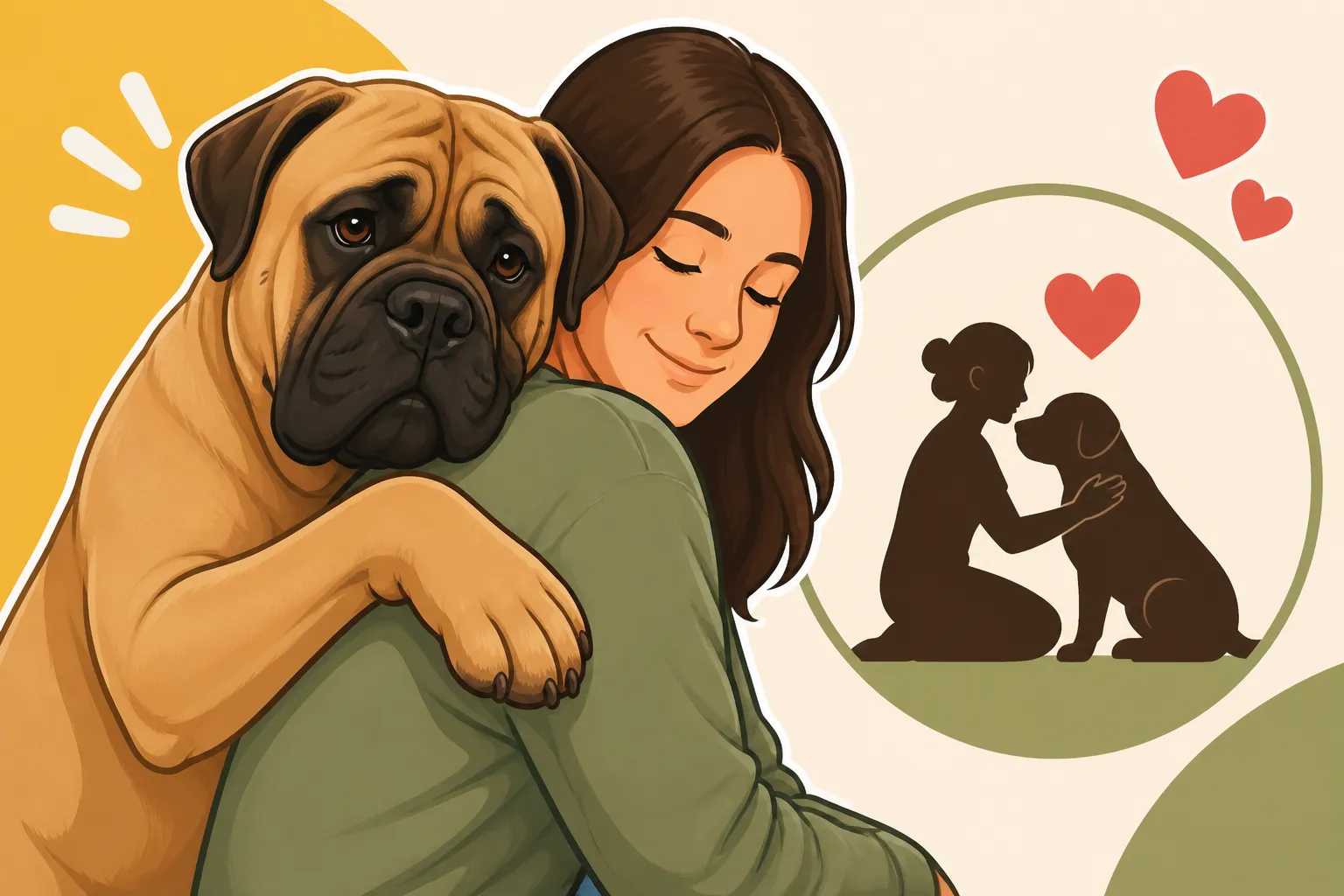
Let’s be honest, despite their imposing appearance, most Bullmastiffs are giant teddy bears at heart. They thrive on companionship and physical closeness with their family. A lean is one of their primary expressions of affection. It’s their way of saying, "I love you. I want to be close to you. You are my safe person."
When your Bullmastiff leans into you while you’re relaxing on the couch, reading a book, or just standing around, they’re likely soaking up your warmth and presence. It’s a comforting gesture for them, and often for us too. This isn't just a fleeting touch; it's a full-body commitment to closeness. They feel secure and content when they can physically connect with you. It’s an intimate form of bonding, demonstrating their trust and deep attachment. This can often go hand-in-hand with their desire to always be near you, following you from room to room, even if they just lie down on the floor nearby. This behavior is strongly linked to Why a Bullmastiff Follows You Room to Room, as they simply want to share your space and feel connected.
A Demand for Attention or Reassurance
Sometimes, that lean isn't just about passive affection; it's a very clear and intentional request. Bullmastiffs are smart, and they quickly learn what behaviors elicit a positive response from their owners. If a gentle lean often results in head scratches, belly rubs, or a kind word, they will absolutely use it as a tool to get your attention.
It can also be a plea for reassurance. If your Bullmastiff is feeling a little unsure, perhaps in a new environment, or during a thunderstorm, they might lean into you more heavily. It's their way of seeking comfort and stability from their primary caregiver. They're looking for you to be their rock, a solid presence in an uncertain world. It’s important to pay attention to the context of the lean. Is it a calm, contented lean, or is there a subtle tremor, wide eyes, or other signs of anxiety? Recognizing these nuances helps you respond appropriately, offering comfort when needed, or gently redirecting them if they're being overly pushy for attention. Many training programs, like those offered by BAXTER & Bella, emphasize understanding canine communication to build a stronger bond and address such subtle cues effectively.
Navigating the Bullmastiff Lean in Daily Life
While the Bullmastiff lean is a cherished trait for many owners, it’s also a behavior that needs to be understood and, at times, managed. Given their impressive size, a lean can quickly become a trip hazard or simply uncomfortable if not properly addressed.
Understanding Different Types of Leans
Not every lean is created equal, and discerning the subtle differences can help you respond more effectively. Is it a soft press, a persistent nudge, or a full-body push? Understanding the context and accompanying body language is key.
Here's a quick guide to help you decode your Bullmastiff's leans:
| Type of Lean | Likely Meaning | Suggested Response |
|---|---|---|
| Gentle, Sustained Press | Affection, comfort, contentment, bonding. | Acknowledge with calm pets, soft words. Enjoy the moment of connection. If it’s not inconvenient, lean back! |
| Nudge & Look Up | Seeking attention, "pet me," "play with me," "I'm bored." | Assess if you have time for attention. If yes, engage. If not, gently redirect (e.g., offer a puzzle toy, or a chew from Amazon) or give a polite "later" command. |
| Full-Body Push | Dominance (subtle), demanding, "move over," insecurity in new situations. | Firmly but gently push back to establish personal space, or lead them to their spot. If it’s insecurity, offer calm reassurance. Consider training for "place" command. |
| Lean with Head Rest | Extreme comfort, deep affection, "I'm all yours." | This is a high compliment! Enjoy the moment. This indicates immense trust and love. |
| Lean when Anxious | Seeking reassurance, feeling overwhelmed, "keep me safe." | Offer calm, comforting words and gentle strokes. Avoid overly coddling, which can reinforce anxiety. Work on confidence-building exercises. |
| Lean Around Strangers | Protective instinct, subtle guarding, establishing proximity. | Remain calm and confident. Acknowledge their presence. If guests are comfortable, allow a polite sniff. Teach a "leave it" or "stay" command for public settings. |
Setting Boundaries and Encouraging Appropriate Behavior
As much as we adore our Bullmastiffs, a 100-plus pound dog leaning with full force can be problematic. This is especially true if you have young children who could be easily knocked over, or elderly family members with mobility issues. A Bullmastiff With Children can be wonderful, but boundaries are still essential for safety.
The key here is consistent training and clear communication from puppyhood. While it’s tempting to let a cute puppy lean all over you, remember that puppy will soon be an adult. Teach your Bullmastiff that while leaning is sometimes welcome, there are times and places where it's not appropriate.
- "Off" or "Space" Command: Train a command like "off" or "space" that means they need to remove their weight from you. Use positive reinforcement: when they move off, even for a second, reward them with a treat.
- Redirect Their Attention: If they lean for attention, redirect them to a more appropriate activity, like a chew toy or a designated resting spot.
- Physical Barriers: Sometimes, simply stepping away or using a piece of furniture as a barrier can help reinforce the message that leaning isn't always allowed. For instance, if your Bullmastiff is constantly trying to lean on you while you’re cooking, a baby gate can provide a temporary boundary.
- Consistency is Crucial: Everyone in the household needs to be on the same page. If one person allows leaning and another doesn't, it creates confusion for your Bullmastiff.
The Importance of Socialization and Training
For a dog of the Bullmastiff’s stature and strength, proper socialization and consistent training are non-negotiable. It’s not just about managing the lean; it’s about shaping a well-mannered, confident companion. Training a Bullmastiff That Weighs More Than You Do isn't just about obedience; it’s about building a trusting relationship where you are the calm, consistent leader.
Early exposure to various people, places, sights, and sounds helps your Bullmastiff develop into a well-adjusted adult, reducing any anxiety that might lead to excessive leaning for reassurance. Puppy classes and ongoing obedience training can provide valuable tools and guidance. The goal is to encourage their natural calm temperament and thoughtfulness. A Bullmastiff is known for its deliberate nature, often pausing to consider before acting, truly reflecting The Bullmastiff That Pauses to Decide Whether You Are Worth It. This thoughtfulness can be harnessed through consistent, positive training methods. Many online platforms and resources, like those from BAXTER & Bella, offer structured training programs that can be incredibly helpful for large breeds. Remember that while a lean can be endearing, training them Teaching a Bullmastiff Not to Lean is vital for their safety and yours.
When Leaning Signals Something More
While typically a benign and even heartwarming behavior, it’s important to recognize that a change in leaning behavior can sometimes be a subtle indicator of an underlying issue. As dog owners, we become attuned to these shifts in our pets' habits.
Subtle Signs of Discomfort or Pain
Dogs are masters at hiding pain, a remnant of their wild ancestors who couldn't show weakness without inviting danger. However, a sudden or marked increase in leaning, especially if it feels more like seeking support rather than connection, could be a silent cry for help.
If your Bullmastiff starts leaning more heavily, or appears to be bracing themselves against you more than usual, it could be a sign of physical discomfort. This might include joint pain, an injury, or even a general feeling of malaise. For a large breed prone to joint issues, like hip or elbow dysplasia, leaning might be a way to alleviate pressure or seek stability. Pay attention to other subtle signs such as reluctance to move, limping, changes in appetite, or excessive licking. If you notice your Bullmastiff increasingly leaning in a way that suggests pain, especially if it coincides with other changes, it’s time for a vet visit. For example, if you suspect Signs a Bullmastiff's Hips Hurt, leaning could be part of their coping mechanism.
Over-Excitement or Anxiety
Beyond physical discomfort, changes in leaning can also stem from emotional states. In situations of high excitement, like greeting a favorite person after a long absence, a Bullmastiff might lean heavily as an outlet for their overflowing joy. This is often accompanied by a wagging tail, relaxed body, and happy panting.
Conversely, intense anxiety can also manifest as leaning. If your Bullmastiff is in a new, overwhelming environment, or if they're particularly sensitive to loud noises, they might lean into you with more urgency, seeking your presence as a grounding force. In these cases, the lean might be accompanied by other stress signals like lip-licking, yawning, panting, or a tucked tail. It’s crucial to observe the full picture of their body language to differentiate between happy leaning and anxiety-driven leaning. Knowing how How Sensitive a Bullmastiff Is can help you interpret these signals correctly. If you suspect anxiety, creating a calm environment and providing gentle reassurance can help, and consulting with a professional trainer or veterinary behaviorist for tailored strategies is always a good idea. Sometimes, a comfortable, secure bed, like an orthopedic model widely available on Amazon, can also offer a sense of security and a designated 'safe space' that might reduce anxiety-related leaning.
Disclaimer
This article is for general informational purposes only and does not constitute professional advice. Laws, prices and regulations vary by location and change over time. Consult a qualified professional for guidance on your specific situation.