Why a Bullmastiff Steps Between You and a Stranger
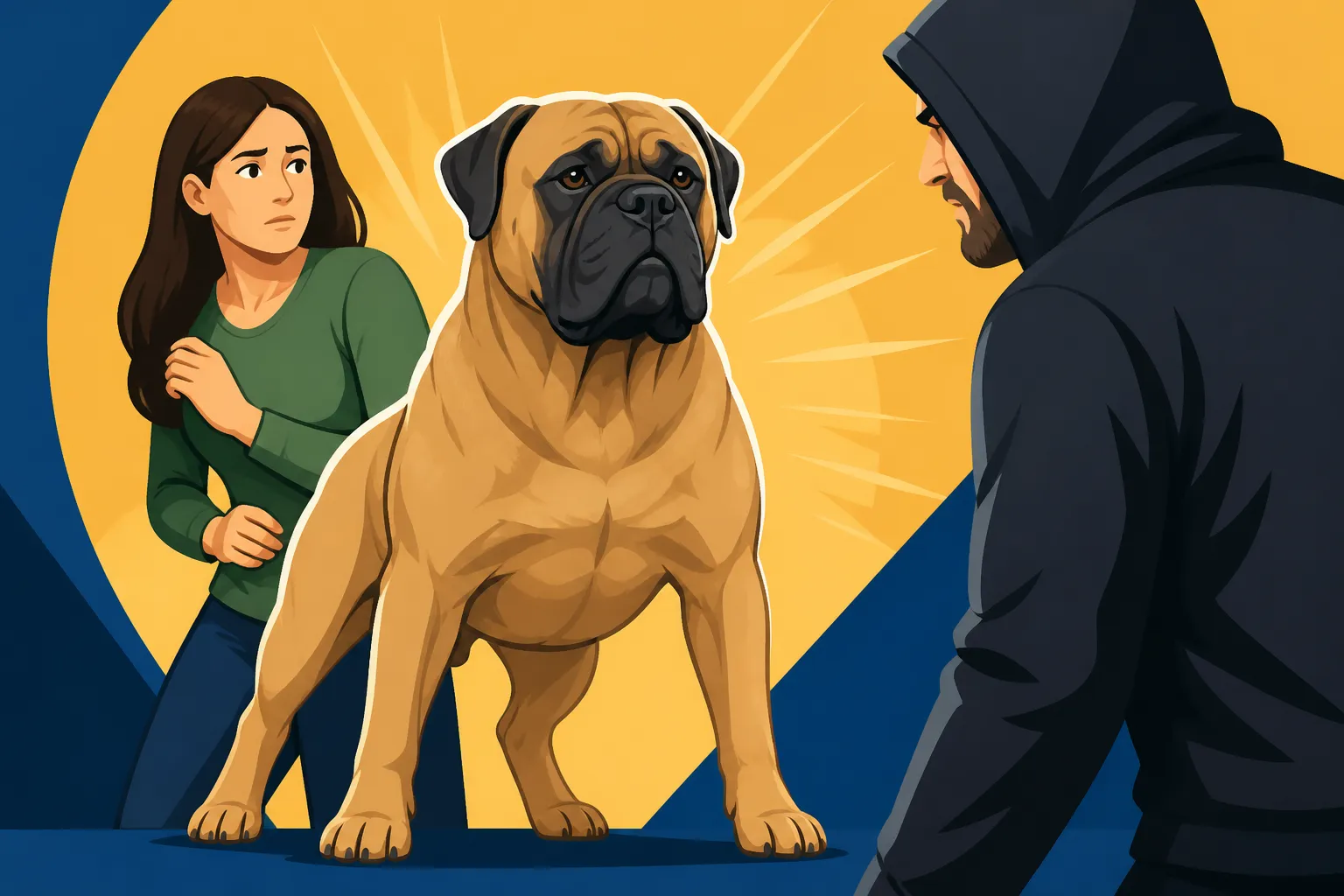
It’s a scenario many Bullmastiff owners recognize instantly: you’re having a friendly chat with someone new, perhaps a neighbor or a delivery driver, and suddenly, your massive, loyal companion gently but firmly plants themselves right between you and the other person. It’s not an aggressive growl or a lunge, but a deliberate, physical barrier that leaves you wondering, "What on earth was that about?" This guide will delve into the fascinating and deeply ingrained protective instincts that lead a Bullmastiff to seemingly "body block" a stranger, helping you understand this behavior and how to navigate it in your daily life.
Understanding the Bullmastiff's Instinct to Guard
The behavior of a Bullmastiff stepping between you and a perceived stranger isn't arbitrary; it's a direct echo of their historical purpose and genetic makeup. These dogs weren't just bred for size; they were crafted for a very specific, nuanced job.
The Historical Role of a Gamekeeper's Dog
To truly understand why your Bullmastiff acts as a living shield, we have to look back to their origins on vast English estates. Bullmastiffs were developed by gamekeepers in the 19th century to deter poachers. Their job wasn't to viciously attack or maim, but to track silently, intercept, and hold intruders until the gamekeeper arrived. This required immense physical strength, courage, and a strong protective instinct, but also a remarkable level of control and discernment. They needed to be able to immobilize a person without causing grievous harm, a crucial distinction that shaped their temperament.
This "holding" instinct translates beautifully into the modern Bullmastiff's protective actions. When your Bullmastiff positions itself between you and someone new, they are essentially performing a soft version of their ancestral role. They are creating a physical barrier, signaling their presence and readiness to intervene if necessary, without resorting to outright aggression. It's their way of saying, "I've got this. You're safe with me." They were bred for silence and to be a deterrent through presence, not necessarily through a cacophony of barking. If you've ever wondered A Bullmastiff Was Bred to Hold a Man, Not Bite Him, this is where that behavior originates. Their very design was about control and protective presence.
How a Bullmastiff Interprets a "Stranger"
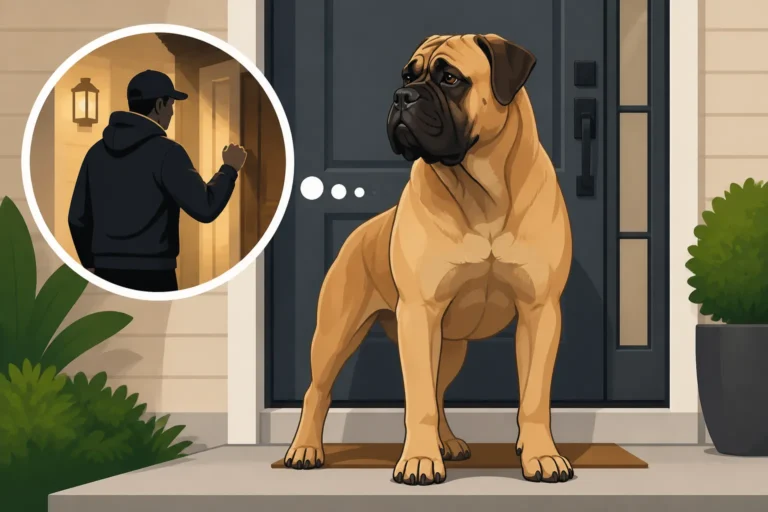
For a Bullmastiff, the term "stranger" isn't always about a genuinely threatening individual. Their interpretation can be much broader. It often simply means "someone new or unfamiliar in close proximity to my person." This could be the mail carrier, a plumber working in your home, a new friend you’ve invited over, or even a family member they haven't seen in a while and whose scent or demeanor has changed slightly.
Their initial response is rarely hostility. Instead, it’s a deep, watchful assessment. They observe, listen, and gauge the situation. Their protective switch is often flipped not by malice, but by perceived novelty or an unknown variable close to their family. This is why consistent, positive exposure to various people and situations from a young age is so critical. Without it, their natural wariness can solidify into suspicion, making these protective maneuvers more frequent and intense. They often need time to process and accept new individuals into their sphere, and how they How a Bullmastiff Greets a Stranger can be a slow, deliberate process of observation before acceptance.
The Mechanics of "Stepping Between"
The act of a Bullmastiff inserting themselves between you and another person is a fascinating display of their protective instincts and body language. It's usually a carefully orchestrated maneuver, even if it feels sudden to you.
Body Language Cues Before the Move
While the "step between" might seem out of nowhere, your Bullmastiff is usually sending subtle signals beforehand. They might stiffen their posture, lower their head slightly, or fixate their gaze on the stranger. Sometimes, you might hear a low, rumbling growl that doesn't quite escalate into a full bark – it's more of a vibrational warning. Their ears might be slightly back or to the side, indicating intense focus, and their tail might be held stiffly, not wagging. These are all preparatory actions, part of their internal process to assess and prepare to act.
It’s crucial to recognize these precursor cues because they offer a window into your dog's mindset and give you an opportunity to intervene or reassure them before they feel the need to physically interpose themselves. This isn't usually an aggressive charge but a deliberate, measured movement designed to establish a presence and maintain a perceived safe distance between you and the perceived "threat." It's also linked to their general tendency to be close, and sometimes, Why a Bullmastiff Leans on People is another physical expression of this connection and guarding instinct.
The Protective Barrier They Create
When a Bullmastiff steps between you and a stranger, they are doing much more than just walking in front of you. They are actively creating a physical and psychological barrier. Their massive bulk and solid stance immediately convey a sense of gravitas and an unspoken warning. It’s a clear message: "This person is with me, and I am watching you." This isn't about aggression; it's about deterrence and control. They use their size, presence, and silent watchfulness to manage the perceived situation.
This behavior highlights their deep, inherent need to keep their human family safe, a trait directly inherited from their gamekeeper ancestors who had to protect their charge without necessarily engaging in a fight. They are not merely blocking your view; they are acting as a buffer, soaking up any potential perceived threat. Understanding How Protective a Bullmastiff Is helps you realize this isn't misbehavior, but a manifestation of their core identity.
Managing and Responding to This Behavior
While rooted in good intentions, a Bullmastiff constantly stepping between you and others can be disruptive and, frankly, a bit embarrassing. The key is consistent training, socialization, and clearly established boundaries.
Early Socialization and Training are Key
The foundation for managing your Bullmastiff's protective instincts lies in early, positive socialization. From the moment you bring your puppy home, expose them to a wide variety of sights, sounds, people, and experiences in a controlled, positive manner. This helps them understand that most new encounters are not threats. Puppy classes are excellent for this, as are frequent, calm visits to pet-friendly stores or parks where they can observe and interact with different people from a safe distance.
It's not just about exposure, but about creating positive associations. Every time they calmly observe a stranger, reward them with praise and a high-value treat. This teaches them that calm behavior in the presence of new people is desirable. Training programs, whether in-person or online, like those offered by BAXTER & Bella, can be incredibly helpful. They provide structured guidance on how to introduce new experiences and reinforce good behavior. Remember, a Bullmastiff is not "grown up" until much later than many breeds, so consistency in socialization and training needs to continue well into their adolescence. Knowing When to Start Training a Bullmastiff Puppy means starting early and never letting up. When you do have visitors, knowing How to Introduce a Bullmastiff to a New Person can make all the difference.
Setting Clear Boundaries and Expectations
As the owner of a powerful, protective breed, you need to be the clear leader in your Bullmastiff's eyes. They need to trust that you are capable of handling situations and that they don't need to take charge. This means setting clear boundaries and expectations for their behavior around guests and strangers.
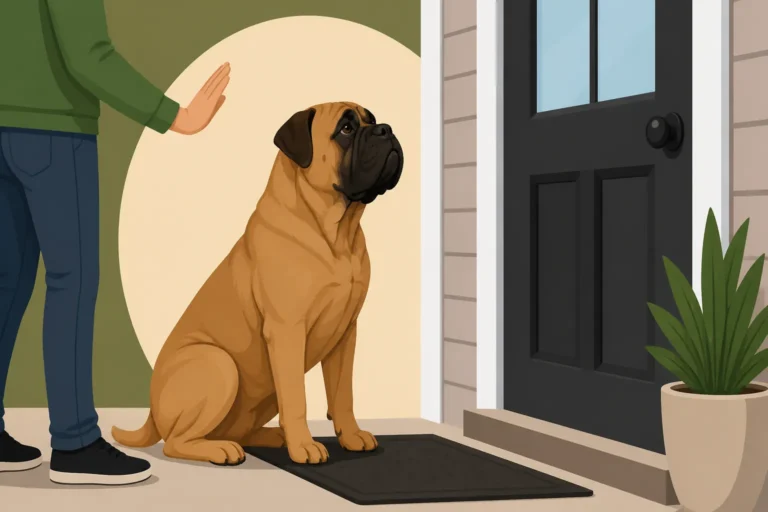
Commands like "place" or "stay" are invaluable. Teach your Bullmastiff to go to a designated mat or bed when guests arrive and to remain there calmly until you release them. This gives them a job, keeps them out of the direct path, and allows them to observe without feeling the need to intervene. Reward them generously for staying in their place. Many excellent orthopedic dog beds, suitable for a large breed like a Bullmastiff, can be found on Amazon. These can become their "safe zone" when people visit.
Consistency is paramount. Every time they try to step between you and someone, gently but firmly redirect them back to their designated spot. Don't punish their protective instinct, but channel it into appropriate behavior. Remember, Training a Bullmastiff That Weighs More Than You Do requires consistent effort and a clear communication style, as you can't physically force them.
Interpreting Bullmastiff Protective Behavior
Here's a quick guide to understanding the nuances of your Bullmastiff's protective actions:
| Behavior | Interpretation | Recommended Response |
|---|---|---|
| Subtle "step between" | Mild concern, establishing presence, observation. | Redirect calmly to "place," reward for staying. |
| Stiffening/Focused Stare | Heightened watchfulness, assessing situation. | Reassure verbally, redirect, show confidence. |
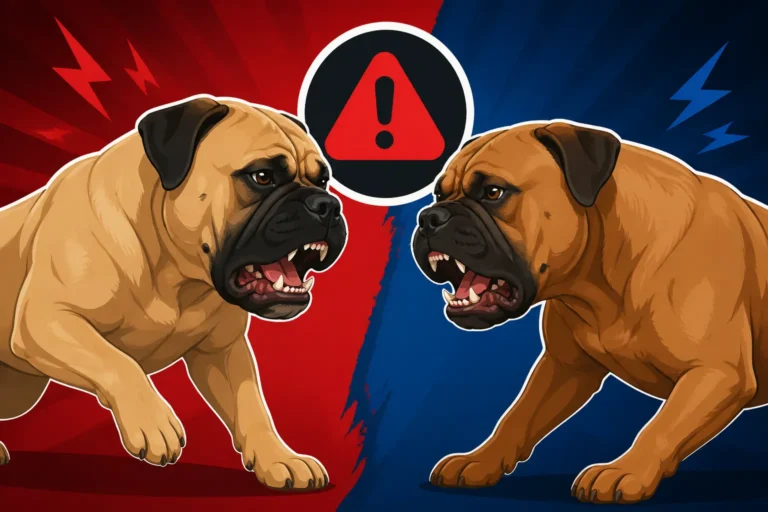
| Low Growl/Rumble | Warning, discomfort, indicating readiness to act. | Immediately intervene, create distance, remove dog if needed. |
| Leaning on you near stranger | Seeking reassurance, but also blocking. | Gently push away, direct to "place," reward calm. |
| Body Blocking a familiar person | Still assessing, or trying to control the interaction. | Reinforce boundaries, ensure positive interaction occurs. |
By understanding the roots of this unique Bullmastiff trait and consistently applying positive training and clear boundaries, you can ensure your loyal guardian remains a well-mannered companion who protects you without overstepping.
Disclaimer
This article is for general informational purposes only and does not constitute professional advice. Laws, prices and regulations vary by location and change over time. Consult a qualified professional for guidance on your specific situation.