Same Sex Aggression in Bullmastiffs
Dealing with same-sex aggression (SSA) in Bullmastiffs is one of the most heartbreaking and challenging issues an owner can face. You bring home a sweet, gentle giant, and suddenly, as they mature, interactions with other dogs of the same sex become fraught with tension, growls, and sometimes, terrifying fights. It's confusing, isolating, and often leaves you feeling like you've failed your beloved dog. This guide is here to help you understand why same-sex aggression can emerge in Bullmastiffs, how to recognize its signs, and most importantly, how to manage and, in some cases, prevent it, so you and your Bullmastiff can live a calmer, safer life.
Understanding What Same-Sex Aggression Truly Means in Bullmastiffs
When we talk about aggression in dogs, it's often a loaded term that conjures up images of out-of-control, dangerous animals. But for a Bullmastiff, same-sex aggression (SSA) is a very specific type of behavioral challenge that needs careful definition and understanding. It's not about being a "bad" dog; it's often a complex interplay of genetics, environment, and communication.
Defining Same-Sex Aggression (SSA)
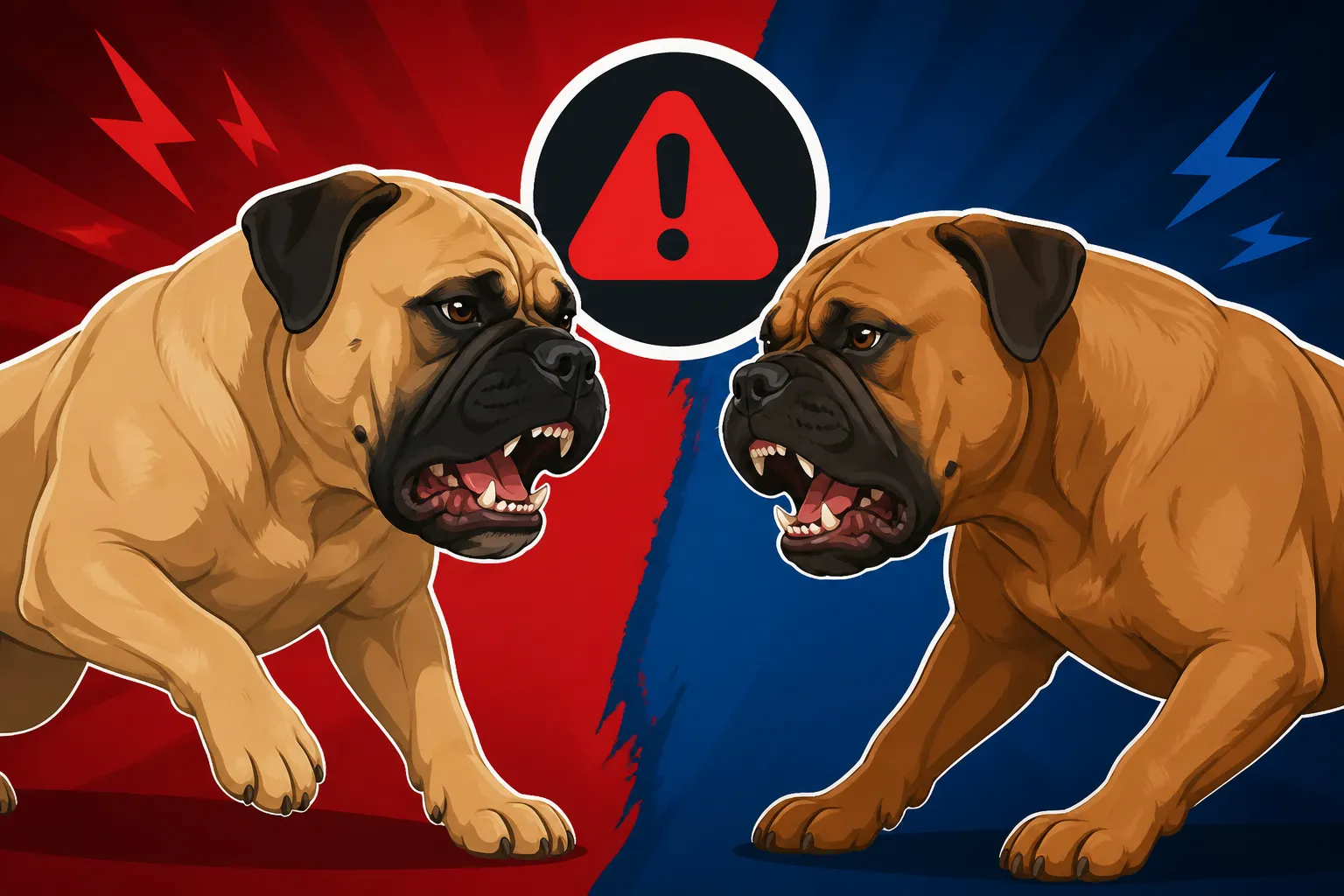
Same-sex aggression, in simple terms, refers to aggressive behavior directed exclusively or predominantly towards other dogs of the same gender. This isn't about general dog-on-dog aggression, where a dog might be reactive to any canine, regardless of sex. Instead, it's a specific intolerance that often emerges as dogs reach social maturity, typically between one and three years of age for large breeds like the Bullmastiff. One day, your male Bullmastiff might be fine with a female Golden Retriever at the park, but the moment another male Bullmastiff or even a male Labrador approaches, hackles go up, the body stiffens, and a low growl might rumble in their chest. This behavior can range from subtle posturing and intense staring to full-blown physical altercations. It's not uncommon for owners to describe it as their dog "just doesn't like" other dogs of the same sex, and this "dislike" can manifest unpredictably, making walks, dog park visits, or even multi-dog households incredibly stressful.
This aggression isn't always about outright fighting; sometimes it's more about a rigid intolerance, a desire for space, or a challenge for resources or status within their immediate environment. It could be triggered by proximity, eye contact, shared toys, or even just the presence of another intact same-sex dog. Recognizing this nuance is crucial because it helps us move beyond simply labeling a dog as "aggressive" and instead focus on the specific context and triggers. It’s important to distinguish this from fear-based aggression, which can look similar but stems from anxiety rather than a challenge for social standing or resources.
Why Bullmastiffs Are Prone to SSA
Bullmastiffs, with their impressive stature and protective instincts, often carry a predisposition to certain behavioral traits, and same-sex aggression can be one of them. While not every Bullmastiff will exhibit SSA, the breed's history and genetic makeup contribute to a higher likelihood compared to some other breeds. These dogs were originally bred as gamekeeper's night dogs, tasked with tracking and holding poachers without inflicting harm, but they needed to be formidable and resolute. This historical role cultivated a dog that is self-assured, discerning, and often, quite territorial and protective of its family and space. This combination of confidence and inherent guarding tendencies can easily translate into an intolerance for other dogs perceived as challengers, especially those of the same sex who might be seen as rivals for resources or status.
Think about it: a dog bred to be a silent, powerful deterrent isn't necessarily going to be a "go-with-the-flow" type when it comes to social dynamics with other powerful canines. Their strong will and imposing presence can lead to a less forgiving attitude in social interactions. This is especially true for intact males, where hormonal influences can amplify territorial and competitive behaviors. Females can also exhibit SSA, often stemming from resource guarding, maternal instincts, or a strong desire to maintain their position within a social hierarchy. It's a heavy burden for these dogs to carry, as their natural instincts can clash with our modern expectations of dog park etiquette. Understanding that this trait has roots in their very purpose helps us approach it with more empathy and less judgment. Why a Bullmastiff Fights Its Own Sex delves deeper into these specific breed tendencies.
The Difference Between Play and Aggression
Sometimes, the lines between enthusiastic, boisterous play and true aggression can seem blurry, particularly with large, powerful breeds like Bullmastiffs who can play rough. A common worry for Bullmastiff owners is misinterpreting their dog's interactions, especially when things get intense. True play, even when it looks vigorous, has a certain ebb and flow. There are play bows, exaggerated movements, self-handicapping (where a larger dog might deliberately fall down to even the playing field), and frequent pauses. Both dogs should be soliciting play and be able to disengage easily if one decides to stop. Their body language will be loose and bouncy, with relaxed mouths and soft eyes, even amidst mock growls and wrestling.
Aggression, even when subtle, tells a different story. The body language becomes stiff, rigid, and focused. Growls aren't playful; they're warning signs. Lip curling, baring teeth, hackles raised along the spine, a hard stare, and a closed mouth indicate a serious intent. If one dog is trying to disengage but the other persists, or if there's a clear intention to dominate, intimidate, or harm, you're looking at aggression, not play. It's crucial for Bullmastiff owners to become fluent in canine body language. What might look like a harmless "stand-over" in play can quickly escalate if interpreted as a challenge by a dog with SSA. Early intervention and recognizing these subtle cues are key to preventing dangerous situations. When in doubt, it’s always better to separate and reassess rather than waiting for an incident to occur.
The Roots of Same-Sex Aggression: Nature vs. Nurture
The development of same-sex aggression in Bullmastiffs isn't a simple equation. It's often a complex interplay of inherent breed characteristics, genetic predispositions passed down through generations, the powerful influence of hormones, and the crucial experiences a dog has (or lacks) during its formative years. Understanding these different layers helps us appreciate that it's rarely one single factor, but rather a combination that sets the stage for SSA.
Genetic Predispositions and Breed History
Just like a Bullmastiff's physical traits—their imposing size, wrinkled brow, and powerful build—are passed down, so too can certain behavioral tendencies. While there isn't a single "aggression gene," a predisposition to behaviors like territoriality, guarding, and a strong sense of self-preservation can certainly be inherited. Bullmastiffs were purpose-bred for a very specific job: to guard vast estates at night. This required a dog that was courageous, discerning, and able to assess threats with confidence. They needed to be serious and formidable, not overly gregarious with strangers or other dogs. This selective breeding for specific traits, over generations, means that some Bullmastiffs are simply "hardwired" with a lower tolerance for perceived challenges from other dogs, particularly those of the same sex.
A good breeder will carefully select for stable temperaments, but even in the best lines, the underlying genetics for guarding and assertiveness are present. It's part of what makes a Bullmastiff a Bullmastiff. Therefore, while responsible breeding can mitigate the likelihood of extreme aggression, it cannot erase the breed's fundamental nature. What a Bullmastiff Was Bred to Do to a Poacher offers fascinating insight into their historical temperament. This means that an owner must always be aware that these underlying tendencies exist and be prepared to manage them with training and thoughtful socialization, rather than expecting a dog completely devoid of its ancestral drives.
Hormonal Influences and Spay/Neuter Decisions
The role of hormones, particularly testosterone in males, cannot be overstated when discussing same-sex aggression. Intact male Bullmastiffs are more likely to display challenging behaviors towards other intact males, driven by a natural instinct to compete for mates and territory. The presence of testosterone can increase their drive to protect resources, assert dominance, and react strongly to perceived threats or challenges from other males. This isn't to say that all intact males will be aggressive, or that neutering is a guaranteed cure, but it is a significant factor. Neutering, especially if done before social maturity, can often reduce the intensity or frequency of SSA in males by removing a significant hormonal driver for competitive behavior.
For females, the hormonal cycle can also play a role, though it's often more subtle. Intact females, particularly when in heat or pseudo-pregnancy, can exhibit increased irritability, territoriality, and intolerance towards other females. This can be exacerbated in multi-female households. While spaying can help regulate these hormonal fluctuations, it's also worth noting that aggression issues, once established, aren't always magically resolved by surgery alone. Behavioral modification and management remain critical. The decision to spay or neuter is a complex one with health and behavioral implications, and it's something to discuss thoroughly with your veterinarian and an experienced Bullmastiff owner or trainer.
Early Socialization and Environmental Factors
While genetics lay the groundwork, early socialization and environmental factors sculpt the final behavioral outcome. The critical socialization window for puppies (roughly 3 to 16 weeks) is paramount. During this time, positive, controlled exposure to a wide variety of people, sounds, sights, and, crucially, other well-adjusted dogs is vital. A Bullmastiff puppy who has limited or negative interactions with other dogs during this period may grow up to be fearful or reactive, which can manifest as aggression. If they only interact with littermates or a limited number of known dogs, they might not learn appropriate canine social cues or how to navigate diverse dog personalities.
Lack of proper socialization can create a dog that views other dogs, especially unfamiliar ones of the same sex, as threats rather than potential companions. Imagine a Bullmastiff puppy only ever interacting with its littermates and then, at six months old, being thrown into a busy dog park. It's overwhelming and can quickly lead to defensive aggression. Even outside this critical window, ongoing positive experiences throughout adolescence are important. A Bullmastiff needs to learn that other dogs, even same-sex ones, can exist peacefully in their world without posing a threat. Environmental factors like living in a household with existing tension between dogs, experiencing a traumatic incident with another dog, or inconsistent handling from owners can all exacerbate an underlying predisposition to SSA. This is why a strong foundation of The First Year With a Bullmastiff Puppy is so critical.
Recognizing the Signs of Same-Sex Aggression in Your Bullmastiff
Spotting same-sex aggression early, even in its subtle forms, is crucial for effective management and intervention. Bullmastiffs are often masters of subtle communication before they resort to overt aggression, and learning to read these cues can help you de-escalate situations before they become dangerous. Many owners only recognize the problem when it’s already escalated, but your Bullmastiff is likely giving you clear warnings long before that.
Subtle Cues and Escalation Ladder
Bullmastiffs communicate with their entire body, and understanding these signals is like learning a new language. Before a full-blown fight, a Bullmastiff displaying SSA will almost always offer a series of warning signs, an "escalation ladder," if you will. The earliest signs might be incredibly subtle: a stiffening of the body, a fixed stare that isn't friendly, a slow wag of a rigid tail rather than a loose, happy wag, or a slight shifting of weight. You might notice their ears pin back or their lips tighten slightly. As tension builds, these cues become more pronounced: hackles (the hair on their neck and back) might raise, a low rumble of a growl might emerge from deep in their chest, or they might try to "air snap" or lunge without making contact.
Ignoring these subtle signals or misinterpreting them as mere "grumpiness" can allow the situation to escalate. A Bullmastiff who is consistently ignored when giving subtle warnings will often feel compelled to use more overt aggression to be understood. This is why it's so important to be proactive rather than reactive. By intervening at the first sign of tension – perhaps by calmly redirecting your dog, increasing distance, or using a known command – you can often prevent a situation from reaching a dangerous boiling point. Familiarize yourself with the full spectrum of canine body language to protect your dog and others.
Common Triggers for Aggressive Behavior
Identifying the specific triggers for your Bullmastiff's same-sex aggression is paramount. It’s not always random; often, there are patterns to when and where your dog exhibits these behaviors. Common triggers can include:
- Proximity: Simply being too close to another dog of the same sex, especially in confined spaces or narrow pathways.
- Eye Contact: A direct stare from another dog can be interpreted as a challenge, especially by a confident Bullmastiff.
- Resource Guarding: This is a big one. Sharing toys, food bowls, beds, or even a preferred human can ignite conflict. If you have two same-sex Bullmastiffs at home, this is often the root of their issues.
- Territoriality: Protecting their home, yard, or even the car from other same-sex dogs.
- Intact Status: As mentioned, intact males reacting to other intact males is very common.
- Greeting Rituals: Some Bullmastiffs struggle with direct, head-on greetings or being approached from behind.
- High-Arousal Situations: Dog parks, busy streets, or even vigorous play can tip some dogs into an aggressive state more easily.
- Frustration: Being on a leash and unable to get away from or approach another dog can lead to "leash reactivity," which often looks like aggression.
Understanding these triggers allows you to proactively manage situations, rather than waiting for them to happen. If you know your Bullmastiff tends to react when another male dog stares at him, you can learn to intervene by turning a corner or distracting your dog before that stare even happens. This proactive approach is key to keeping everyone safe and reducing your dog's stress.
When a Dominance Theory Falls Short
For years, the concept of "dominance" was used to explain almost all forms of canine aggression, especially same-sex aggression. The idea was that dogs were constantly striving for a higher place in a rigid "pack hierarchy," and aggression was a way to establish or maintain that top spot. Owners were often advised to be the "alpha" and physically assert control over their dogs. However, modern canine behavior science has largely debunked this simplistic view, especially as an explanation for complex behaviors like SSA. While hierarchy exists in dog groups, it's far more fluid and context-dependent than the old "alpha" model suggests.
Applying a broad "dominance" label to same-sex aggression often leads to counterproductive and even harmful training methods. Punishing a dog for growling, for example, might suppress the growl, but it doesn't address the underlying emotion (fear, anxiety, insecurity, or genuine intolerance) and can make the dog more likely to bite without warning in the future. Instead of seeing SSA as a dog "trying to dominate," it's more helpful to view it through the lens of individual temperament, learned behavior, frustration, or a lack of coping skills. It might be a dog saying, "I'm uncomfortable," "I feel threatened," or "I don't like sharing." Approaching the issue from this perspective opens the door to more humane and effective training strategies like counter-conditioning and positive reinforcement, focusing on changing the dog's emotional response rather than just suppressing symptoms.
Living with Same-Sex Aggression: Management Strategies
Once same-sex aggression has emerged in your Bullmastiff, the primary goal shifts from outright prevention to meticulous management. This isn't about "curing" the behavior entirely, but rather about creating a safe and predictable environment where your Bullmastiff (and any other dogs) can thrive without constant conflict or stress. Effective management is a lifelong commitment, but it brings peace of mind and significantly improves the quality of life for everyone involved.
Creating a Safe Environment for All Dogs
If you have multiple same-sex dogs in your household and aggression is an issue, creating a meticulously structured and separate environment is paramount. This means minimizing opportunities for conflict. Rotate access to common areas like living rooms and yards, so dogs get individual "alone time" in shared spaces. Feed dogs separately in their crates or different rooms to prevent resource guarding over food. Provide separate, identical toys, beds, and water bowls in different locations to reduce competition. It's often safer to never leave same-sex aggressive dogs unsupervised, even for a moment. This might sound extreme, but the consequences of a serious fight are devastating.
Consider implementing "crate and rotate" protocols, where dogs are crated in separate areas when you're not actively supervising them. This isn't a punishment; it's a safety measure that provides a calm, safe space for each dog. When you are home, work on managing their interactions, ensuring they have plenty of personal space. Use baby gates or internal doors to physically separate areas of your home. If walks are a trigger, avoid popular dog walking routes during peak times and seek out quiet trails or open spaces where you're less likely to encounter other dogs. Your goal is to drastically reduce your Bullmastiff's exposure to triggers, thereby reducing stress and opportunities for aggressive outbursts. How a Bullmastiff Accepts a New Dog emphasizes the need for careful introductions, which is essentially a management strategy for living with multiple dogs.
Leash Handling and Muzzle Training
For dogs with same-sex aggression, exceptional leash handling skills are non-negotiable. A Bullmastiff that weighs upwards of 100 pounds can be incredibly difficult to control if they lunge or pull towards another dog. Invest in good quality equipment like a strong harness (one that clips in the front can help with pulling) or a head halter. A standard flat collar often provides insufficient control for a powerful Bullmastiff in an emergency. Practice walking in a controlled manner, focusing on leash manners and attention to you, even in distracting environments. The goal is to always be prepared to redirect your dog or create distance when you see a potential trigger approaching. Training a Bullmastiff That Weighs More Than You Do offers practical advice on managing a powerful dog on leash.
Muzzle training is another critical tool for safely managing same-sex aggression and should be embraced, not feared. A well-fitted basket muzzle, like those found on Amazon, allows your dog to pant, drink, and even take treats, but prevents bites. It's an invaluable safety device that allows you to safely expose your dog to triggers at a distance (for counter-conditioning purposes, which we'll discuss later) or to simply ensure safety in unpredictable situations, such as vet visits or crowded public areas. Introduce the muzzle gradually and positively, using high-value treats, so your Bullmastiff associates it with good things. It should never be used as a punishment, but as a tool that signals safety for everyone.
Professional Help: Trainers and Behaviorists
Navigating same-sex aggression is incredibly complex, and trying to go it alone can be overwhelming and ineffective. This is where professional help becomes invaluable. A certified professional dog trainer (CPDT) or, for more severe cases, a certified veterinary behaviorist (DACVB) or a qualified applied animal behaviorist (CAAB) can provide tailored guidance and support. They can accurately assess your Bullmastiff's specific triggers and motivations, rule out any underlying medical conditions that might contribute to aggression, and develop a safe, effective behavior modification plan.
Look for professionals who use positive reinforcement, force-free methods. Anyone suggesting dominance-based tactics, physical corrections, or harsh punishments should be avoided, as these can exacerbate aggression in Bullmastiffs and erode trust. A good trainer will help you with practical skills like leash handling, desensitization, and counter-conditioning. A veterinary behaviorist, who is a veterinarian with specialized training in behavior, can also prescribe medication if anxiety or reactivity is a significant component of the aggression, which can help your Bullmastiff be more receptive to training. Don't hesitate to seek help; it's a sign of a responsible owner committed to their dog's well-being and the safety of the community. Online programs, like those offered by BAXTER & Bella, can also provide foundational training skills that support these more specialized interventions, helping you build a stronger bond and better communication with your dog.
Preventing Same-Sex Aggression in Bullmastiff Puppies
While some predispositions to same-sex aggression can be genetic, many cases can be mitigated, if not entirely prevented, through careful planning, responsible breeding choices, and diligent socialization during puppyhood. Laying a strong foundation from the very beginning gives your Bullmastiff the best chance at being a well-adjusted, confident adult who can navigate the world without conflict.
Choosing the Right Breeder and Puppy
The journey to preventing same-sex aggression begins long before you even bring a puppy home. Responsible breeders are crucial. They prioritize temperament, health, and longevity in their breeding programs. A good breeder will be transparent about the temperaments of their breeding dogs and their pedigrees, especially concerning any history of aggression, shyness, or reactivity. They will health test their dogs rigorously and be able to articulate why they made specific pairings. When you visit a breeder, observe the dam's (mother's) temperament carefully; she should be calm, friendly, and confident, not fearful or aggressive. Ask about the sire's (father's) temperament too.
Furthermore, a responsible breeder will begin early socialization with their puppies, exposing them to various sights, sounds, and gentle handling. They will also spend time observing the individual personalities of the puppies. While it's hard to predict adult behavior from a young puppy, some breeders might be able to guide you towards a puppy whose temperament is a better fit for your household, especially if you have other dogs. Avoiding "backyard breeders" or pet stores, where genetic history and early socialization are often unknown or neglected, is a critical step in setting your Bullmastiff up for success.
Critical Socialization Periods
The period from approximately 3 to 16 weeks of age is known as the critical socialization window. During this time, a puppy's brain is highly receptive to new experiences, and positive exposure shapes their perception of the world. For a Bullmastiff puppy, this means safe, controlled, and positive introductions to a wide variety of people, environments, sounds, and, importantly, other friendly, vaccinated dogs. Enrolling your Bullmastiff puppy in a well-run puppy class is highly recommended. These classes provide a supervised environment for play and interaction with other puppies and people. The First Year With a Bullmastiff Puppy details how crucial these early months are.
However, "socialization" doesn't mean letting your puppy run wild at the dog park. Quality over quantity is key. Focus on brief, positive interactions where your puppy feels safe and has good experiences. Allow them to meet calm, adult dogs who are known to be dog-friendly, rather than overwhelming them with boisterous or pushy dogs. If you notice your Bullmastiff puppy becoming stressed or overwhelmed during an interaction, remove them from the situation calmly. Continue socialization throughout adolescence, exposing your Bullmastiff to novel situations and keeping experiences positive. This continuous positive exposure helps them develop confidence and good coping skills when encountering new dogs, even of the same sex.
Structured Introduction to Other Dogs
Even with excellent early socialization, how you introduce your Bullmastiff puppy or adolescent to new dogs, especially same-sex ones, matters immensely. Don't just throw them together and hope for the best. Always facilitate introductions in a neutral territory, like a park or an unfamiliar street, where neither dog feels the need to defend their "turf." Both dogs should be on leashes (but ensure the leashes are loose, to avoid tension) and controlled by calm handlers. Start with parallel walking at a distance, gradually decreasing the distance as both dogs show relaxed body language.
Avoid direct, head-on greetings, which can be perceived as confrontational. Allow for natural sniffing and exploration. Keep initial meetings short and positive, ending on a good note before either dog becomes over-aroused or stressed. For same-sex dog introductions, particularly with adult Bullmastiffs, consider a professional trainer's guidance. They can observe the nuanced body language and intervene if necessary. A positive first impression can set the tone for future interactions, but a bad one can create lasting fear or reactivity. Being deliberate and thoughtful in every introduction helps reinforce the idea that other dogs, even same-sex ones, are not a threat. How a Bullmastiff Accepts a New Dog further emphasizes the importance of careful introductions.
When Cohabitation Becomes Impossible: Rehoming and Alternatives
It’s a tough truth, but sometimes, despite your best efforts, training, and management strategies, same-sex aggression in Bullmastiffs can reach a point where cohabitation is simply not safe or fair to the dogs or the humans involved. Recognizing this painful reality is a difficult but responsible act of love. There’s no shame in admitting you’ve reached your limit.
Recognizing When You've Reached Your Limit
The decision to rehome a beloved pet, especially due to behavioral issues, is agonizing. It's often accompanied by immense guilt, sadness, and the feeling that you've somehow failed your dog. But sometimes, for the safety and well-being of all animals in the household, and indeed your own sanity, it becomes the most compassionate choice. You’ve reached your limit when:
- Safety is Compromised: There have been multiple serious fights, resulting in injuries to dogs or humans. The risk of future injury is constant and high.
- Constant Stress: You live in a perpetual state of anxiety, constantly managing, separating, and worrying about the next conflict. This stress impacts your quality of life and that of your dogs.
- No Progress with Professional Help: Despite working with qualified trainers or veterinary behaviorists, the aggression is not diminishing, or it's worsening.
- Quality of Life Suffers: One or both dogs are perpetually stressed, anxious, or isolated due to constant management, meaning they aren't living full, happy lives. They may be exhibiting signs of chronic stress, such as excessive shedding, pacing, or withdrawal.
- Financial Strain: The cost of managing ongoing aggression, including vet bills for injuries, medication, and multiple professional consultations, becomes unsustainable.
It's okay to acknowledge that you've done everything you can. Your love for your Bullmastiff doesn't diminish by making a difficult decision for their safety and happiness.
Safe and Responsible Rehoming Practices
If you've made the difficult decision that rehoming is the best path forward, it's crucial to do so responsibly and ethically. Your goal should be to find a home that is truly equipped to handle a Bullmastiff with same-sex aggression, ideally as a single dog or with compatible opposite-sex companions, and with owners who understand the breed's needs and challenges.
- Be Honest and Transparent: When discussing your Bullmastiff with potential adopters or rescues, be completely upfront about the aggression issues, triggers, and all management strategies you've employed. Hiding the problem only sets the dog (and the new owner) up for failure and potential tragedy.
- Contact Breed-Specific Rescues: Bullmastiff rescues are often the best resource. They specialize in the breed, understand their unique temperaments, and have networks of experienced foster homes and adopters who are prepared for these types of challenges. They can often provide a safe haven and find a suitable placement. Adopting a Bullmastiff From Rescue explains how these organizations operate.
- Work with Your Trainer/Behaviorist: Your professional behavioral consultant might have connections or recommendations for suitable rehoming options or can help you draft an honest profile for your dog.
- Screen Potential Adopters Thoroughly: If you're attempting to rehome independently, conduct rigorous interviews, ask for vet references, and ideally, perform home checks. Look for individuals or families with extensive dog experience, a willingness to continue with management/training, and a home environment that minimizes triggers (e.g., no other same-sex dogs, secure fencing).
- Consider a Placement Contract: A contract can outline expectations for care and ensure the dog is returned to you if the new placement doesn't work out, rather than ending up in a shelter.
This process can take time, but waiting for the right home is a testament to your commitment to your Bullmastiff's future.
Managing a Single-Dog Household (or Opposite-Sex Pairing)
For many Bullmastiffs with severe same-sex aggression, becoming an "only dog" is the best possible outcome. In a single-dog household, the primary triggers for their aggression are removed, leading to a significant reduction in stress for the dog. They can relax, feel secure in their home, and dedicate their affection and attention solely to their human family. This dramatically improves their quality of life, allowing their true, gentle Bullmastiff personality to shine without the constant pressure of defending their position against a perceived rival.
If your Bullmastiff is aggressive towards only one sex, but not the other, then a carefully considered opposite-sex pairing might be an alternative. For example, a male Bullmastiff with male-on-male aggression might happily and peacefully coexist with a spayed female. However, even in these situations, slow, structured introductions and ongoing supervision are vital. Ensure the female is spayed to avoid accidental litters and reduce any hormonal triggers for either dog. Even with opposite-sex pairings, resource guarding can still be an issue, so separate feeding and management of high-value items are still wise practices. Ultimately, the goal is to create a harmonious home where every dog feels safe, loved, and respected, even if it means rethinking the traditional multi-dog dynamic.
Training and Behavior Modification Techniques
Managing same-sex aggression in Bullmastiffs is a journey, not a quick fix. While prevention through early socialization is ideal, for dogs already exhibiting SSA, specific training and behavior modification techniques are essential. These methods focus on changing your Bullmastiff's emotional response to triggers and equipping them with better coping mechanisms, rather than simply suppressing their natural instincts.
Counter-Conditioning and Desensitization
These two techniques are often used hand-in-hand and are the cornerstones of addressing reactivity and aggression.
Desensitization involves gradually exposing your Bullmastiff to the triggering stimulus (another dog of the same sex) at a level so low that they don't react. This means starting at a significant distance where your Bullmastiff acknowledges the other dog but remains calm and relaxed.
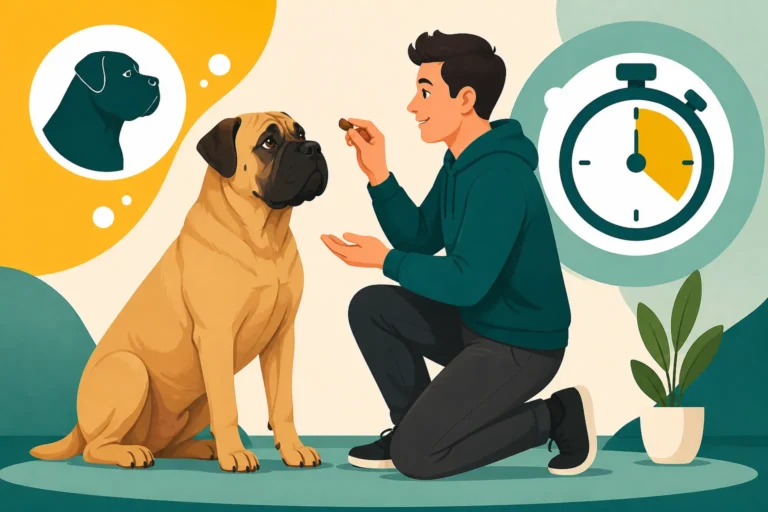
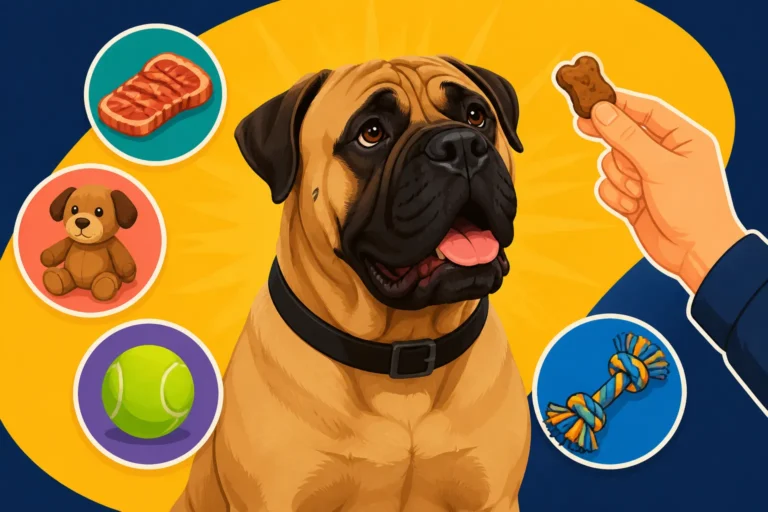
Counter-conditioning then pairs this non-threatening exposure with something highly positive, like high-value treats or a favorite toy. The goal is to change your Bullmastiff's emotional association with the trigger from negative (fear, anxiety, aggression) to positive (good things happen when that dog is around).
Here’s how it might look:
You spot another same-sex dog far in the distance on a walk. Before your Bullmastiff stiffens or fixates, you immediately start feeding them small, delicious treats. As the other dog passes, the treats stop. You repeat this, moving closer to the trigger only when your Bullmastiff consistently remains calm and focused on you. The distance is key—if your Bullmastiff reacts, you're too close and need to increase the distance. This process is slow, deliberate, and requires immense patience and consistency. It teaches your Bullmastiff that the appearance of a same-sex dog predicts something wonderful, rather than something to be feared or challenged. Online training platforms, such as BAXTER & Bella, offer modules that build fundamental obedience and focus, which are critical precursors to successful counter-conditioning.
Building a Stronger Bond and Trust
A strong, positive relationship built on trust and mutual respect is the foundation for all effective behavior modification, especially when dealing with aggression. Your Bullmastiff needs to see you as their reliable leader and protector, someone who consistently makes good choices for them and ensures their safety. This isn't about "dominance" or force; it's about clear communication, consistency, and positive reinforcement.
Spend quality time with your Bullmastiff, engaging in activities they enjoy, whether it's gentle play, training sessions, or simply relaxing together. Practice basic obedience cues like "watch me," "stay," "come," and "leave it" in a variety of environments, making every interaction rewarding. A Bullmastiff who is confident in your guidance and trusts that you will handle perceived threats is less likely to feel the need to take matters into their own paws. This strong bond allows your Bullmastiff to look to you for direction in tense situations, rather than reacting on instinct. What Motivates a Bullmastiff explores how to best connect with your Bullmastiff and find their drivers.
The Role of Consistent Leadership
Consistent leadership doesn't mean being a dictator; it means providing clear boundaries, predictable routines, and calm guidance. A Bullmastiff thrives on structure and knowing what is expected of them. Inconsistent rules, unpredictable reactions from owners, or allowing behaviors that promote aggression (like resource guarding without intervention) can exacerbate SSA. Every family member must be on the same page regarding training protocols, management strategies, and how to respond to triggers.
This means consistently enforcing rules, rewarding desired behaviors, and calmly redirecting undesired ones. If your Bullmastiff knows that you will intervene to keep them safe and manage the situation with other dogs, they can relax. If they feel they must constantly be "on guard," their stress levels will remain high. Remember, Bullmastiffs are intelligent and discerning; they will test boundaries, and they will only follow a leader they deem worthy and trustworthy. How a Bullmastiff Responds to Correction emphasizes the need for fairness and positive methods in their training. By providing confident, consistent leadership, you empower your Bullmastiff to make better choices and rely on you to navigate challenging social situations.
Debunking Myths and Misconceptions About Bullmastiff SSA
When dealing with same-sex aggression in a powerful breed like the Bullmastiff, it's easy to fall prey to outdated theories or well-meaning but ultimately harmful advice. Clearing up these common myths is crucial for effective and humane management, allowing you to focus on strategies that actually work to support your dog.
It's Not Always About "Dominance"
As mentioned earlier, the pervasive myth that all aggression stems from a dog trying to be "dominant" or "alpha" over you or another dog of the same sex has done more harm than good. While a Bullmastiff's innate confidence and desire for personal space can be misinterpreted, true dominance theory, as applied to training, is scientifically outdated and often leads to confrontational training methods. These methods, like alpha rolls, scruff shakes, or physical punishments, are not only ineffective but can actively worsen aggression, especially in a proud and powerful breed like the Bullmastiff. Such tactics breed fear and resentment, breaking the bond of trust and potentially making a dog more dangerous as they learn to defend themselves against their own handler.
Instead, modern behavioral science views aggression through a more nuanced lens. Same-sex aggression is often about resource guarding, fear, anxiety, frustration, genetic predisposition, or simply a deep-seated intolerance that a dog struggles to manage. It's rarely about a calculated attempt to seize control of the "pack." Understanding this shift allows owners to approach the problem with empathy, focusing on teaching coping skills, building confidence, and managing the environment, rather than engaging in a power struggle that no one wins. Your Bullmastiff isn't trying to rule the world; they're trying to communicate discomfort or establish boundaries in a way that sometimes escalates.
The Impact of Punishment-Based Training
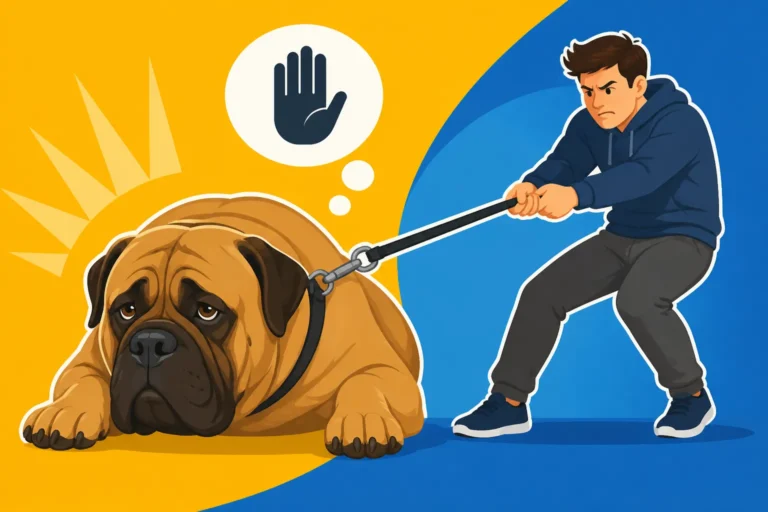
The temptation to use punishment to stop aggressive behaviors in a Bullmastiff can be strong, especially when you're feeling frustrated or fearful. Techniques such as choke chains, prong collars, shock collars, harsh verbal corrections, or physical intimidation are often touted as quick fixes for strong-willed dogs. However, for same-sex aggression, these methods are almost universally counterproductive and harmful. While punishment might temporarily suppress an aggressive display (e.g., stopping a growl), it doesn't address the underlying reason for the behavior. In fact, it often makes it worse.
Consider a Bullmastiff growling at another male dog. If you punish the growl, the dog learns that growling (a warning signal) is "bad." What happens next time? They might skip the growl and go straight to a bite, because their warning was ignored or punished. Punishment also creates negative associations. If your Bullmastiff is punished every time another same-sex dog appears, they learn to associate that dog (and your presence) with pain or fear. This increases their anxiety and reactivity, rather than decreasing it. For a sensitive breed like the Bullmastiff, who forms deep bonds with their family, harsh treatment can lead to emotional shutdown, fear of the handler, or increased defensive aggression. How a Bullmastiff Responds to Correction strongly advocates for positive, trust-building methods.
Is a Lifetime of Management Inevitable?
This is a question that weighs heavily on the hearts of many Bullmastiff owners dealing with same-sex aggression. The realistic answer is that for many Bullmastiffs, a significant degree of management will likely be a lifelong commitment. While consistent training, desensitization, and counter-conditioning can dramatically improve a Bullmastiff's behavior and response to triggers, completely "curing" deep-seated same-sex aggression is rare, especially if it has a strong genetic component or is well-established.
This doesn't mean a lifetime of misery or isolation for your dog. A lifetime of management simply means consistently applying the strategies we’ve discussed: careful supervision, structured interactions, avoiding known triggers, using safety tools like muzzles, and seeking professional guidance when needed. It means accepting your Bullmastiff for who they are and working within their limitations to give them the happiest, safest life possible. Many Bullmastiffs with SSA can live wonderfully full and happy lives as "only dogs" or in homes with carefully selected opposite-sex companions. The goal isn't necessarily to have a dog that loves every other dog at the park, but to have a dog that is calm, predictable, and safe in the environments you choose for them. This shift in perspective can be incredibly liberating for both you and your beloved Bullmastiff.
Navigating Social Situations with a Same-Sex Aggressive Bullmastiff
Taking a Bullmastiff with same-sex aggression out in public can feel like navigating a minefield. The anxiety of encountering another dog, especially one of the same sex, can be overwhelming for both you and your Bullmastiff. However, avoiding all public outings isn't always feasible or beneficial. The key is strategic, controlled exposure that builds confidence rather than compounds stress.
Strategic Exercise and Enrichment
A Bullmastiff, despite its somewhat lazy reputation, still needs appropriate physical and mental exercise to be well-adjusted. A frustrated or under-stimulated Bullmastiff can have their existing behavioral issues, including aggression, exacerbated. However, for a dog with SSA, traditional dog parks or busy walking trails are often off-limits. This means you need to get creative with their exercise and enrichment.
Consider early morning or late-night walks in quiet neighborhoods or on less-trafficked trails where encounters are minimal. Explore securely fenced private dog parks if available, or even rent a Sniffspot for private off-leash time. Focus on quality, controlled exercise over chaotic exposure. Mental stimulation is just as vital: puzzle toys, scent work, training sessions, and even trick training can tire a Bullmastiff's brain and fulfill their natural drives. A tired Bullmastiff is often a less reactive Bullmastiff. Remember, How Much Exercise a Bullmastiff Needs is often less than you'd think for their size, but quality matters.
Advocating for Your Bullmastiff in Public
When you are out with your Bullmastiff, you are their advocate and their shield. This means actively managing situations and clearly communicating with other dog owners. Don't be afraid to say, "My dog needs space," "Please keep your dog away," or "We're in training." Many people don't understand canine body language or simply assume all dogs are friendly. Your clear communication protects your Bullmastiff from unwanted interactions and potential triggers.
Be proactive. If you see another same-sex dog approaching, even from a distance, calmly cross the street, turn around, or step behind a car. If you can, use a highly visible leash or vest that says "Needs Space" or "Do Not Pet." These visual cues can help other owners understand your boundaries without you having to say a word. Carrying high-value treats to create a positive association (counter-conditioning) and to redirect your dog’s attention is always a good idea. Remember, your priority is your Bullmastiff's safety and comfort, not social etiquette.
Managing Expectations for "Dog Friendliness"
This is perhaps one of the hardest adjustments for owners to make. We often envision our dogs as social butterflies, happily romping with other canines. For a Bullmastiff with same-sex aggression, you might need to let go of that vision. It's a painful realization, but accepting that your Bullmastiff may never be a "dog park dog" or a socialite at doggy daycare is a crucial step in managing their behavior effectively and reducing your own stress.
Instead of trying to force interactions, focus on achieving neutrality. The goal is for your Bullmastiff to be able to exist peacefully in the presence of other same-sex dogs without reacting, rather than actively engaging with them. This means celebrating small victories: a calm walk past another male dog at a distance, or a brief, non-reactive moment in a vet waiting room. Your Bullmastiff doesn't need to love every dog, but they do need to trust you to keep them safe and manage the environment so they don't feel compelled to escalate. By adjusting your expectations, you can greatly reduce pressure on your dog and find peace in their true nature.
Disclaimer
This article is for general informational purposes only and does not constitute professional advice. Laws, prices and regulations vary by location and change over time. Consult a qualified professional for guidance on your specific situation.