Which Rewards a Bullmastiff Works For
It can feel incredibly frustrating when you're trying to teach your big, beautiful Bullmastiff something new, only to be met with a blank stare or a stubborn refusal. You've heard that consistency is key, but what if your dog just isn't motivated by what you're offering? This guide is here to help you unlock the secrets to what truly makes your Bullmastiff want to work with you, exploring a variety of rewards that appeal to their unique personality and instincts.
Understanding Your Bullmastiff's Motivation
Bullmastiffs are special dogs, aren't they? They're often described as "the silent guardians," and their independent, thoughtful nature means they're not always as eager to please as some other breeds. What works for a bouncy Golden Retriever might completely flop with your deliberate Bullmastiff. It’s not that they’re unintelligent or disobedient; it’s just that they have a strong sense of self and will weigh the value of what you're asking against what's being offered. Understanding this inherent trait is the first step to successful training.
The Bullmastiff's Unique Personality and Drive
Unlike some high-drive working breeds that live to retrieve or herd, the Bullmastiff was historically bred to guard gamekeepers and deter poachers on large estates. Their job required them to be brave, observant, and capable of holding an intruder, but not necessarily to obey complex commands at lightning speed. This history has shaped their personality: they are typically calm, confident, and observant, with a strong protective instinct but often a low desire for repetitive, high-energy tasks. This means that while they are trainable—don't let anyone tell you otherwise!—you need to understand their natural rhythm. You might find that your Bullmastiff has a more thoughtful approach to learning, often pausing to process your request before deciding if it's worth their effort. This isn't defiance; it's deliberation. Knowing this can help manage your expectations and prevent you from becoming discouraged during training sessions.
They aren't looking for endless drills; they're looking for a partnership where their effort feels genuinely rewarded. Think of it less as commanding an employee and more as collaborating with a slightly stubborn, but ultimately loyal, business partner. If you expect them to bounce and beg for a treat, you might be disappointed. Instead, anticipate a quiet, deliberate acceptance, sometimes even with a look that says, "Alright, you made a good offer, I'll do it this time." This nuanced understanding is crucial, especially when you consider Why a Bullmastiff Pauses Before Obeying. Their unique drive means you often need to be more creative and flexible with your reward strategy.
Moving Beyond "Typical" Dog Rewards
When we think of dog training, the first thing that often comes to mind is tiny, smelly treats. And while food is undeniably a powerful motivator for many dogs, relying solely on it can be limiting, especially for a breed as discerning as the Bullmastiff. Some Bullmastiffs might not be particularly food-motivated if they're not genuinely hungry, or if the treat isn't "worth it." Moreover, if your Bullmastiff is highly food-motivated, solely using food can lead to a dog that's only interested in what's in your hand, rather than engaging with you.
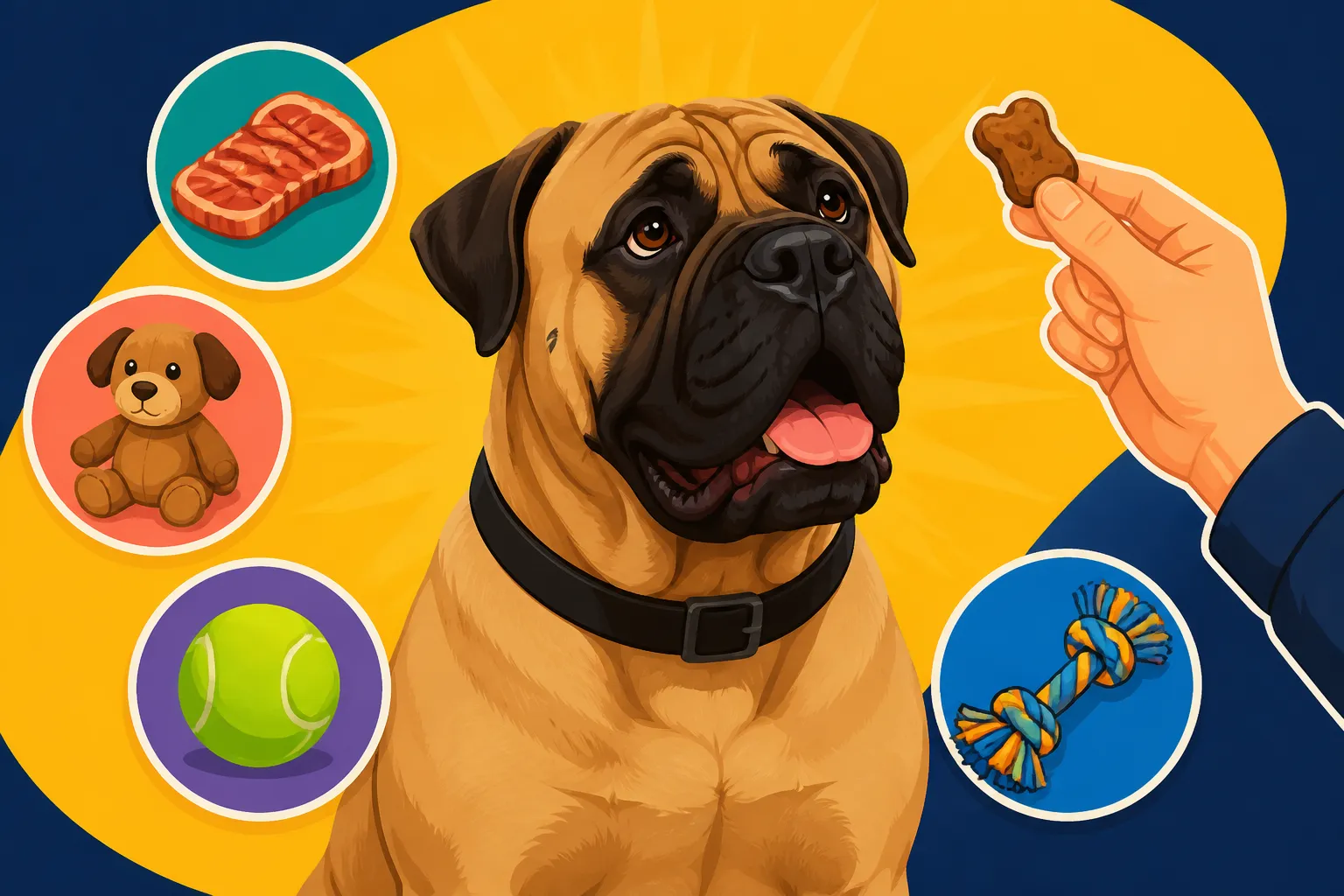
It's important to broaden your definition of a "reward." A reward is anything that increases the likelihood of a behavior being repeated. This could be a delicious piece of chicken, sure, but it could also be a favorite squeaky toy, a quick game of tug, a hearty verbal praise, a good scratch behind the ears, or even access to something they really want, like going outside or meeting a friendly person. The key is to observe your individual Bullmastiff and figure out what they find rewarding. What gets their tail wagging? What makes their ears perk up? What do they genuinely choose to do if given the option? This personalized approach is what will truly help you in Training a Bullmastiff That Weighs More Than You Do and navigating their impressive strength and will.
Food: The Universal (But Not Only) Motivator
Let's be real, most dogs, including our Bullmastiffs, have a soft spot for food. It’s a primary drive, and when used correctly, it can be an incredibly effective tool in your training arsenal. However, it's not just about what you give them, but how and when you give it.
High-Value Treats for High-Stakes Training
Not all treats are created equal in the eyes of a Bullmastiff. For basic commands in a low-distraction environment, their regular kibble might suffice. But when you're working on something challenging, introducing a new command, or training in a distracting environment, you'll need to pull out the "big guns." These are what we call "high-value treats," and they can make all the difference.
Think about what truly gets your Bullmastiff excited. For many, it's small pieces of cooked chicken, cheese, hot dogs, or even bits of steak. Some dogs adore natural, single-ingredient treats like freeze-dried liver. You want something intensely palatable, easy to chew and swallow quickly, and small enough that it doesn't fill them up too fast. The scent should also be appealing – a strong aroma can really capture their attention, especially outdoors. Keep these special treats reserved only for training sessions to maintain their high value. If you're struggling to find suitable options, browsing a wide selection on platforms like Amazon can give you plenty of ideas for single-ingredient or limited-ingredient training treats. Remember, a Bullmastiff's palate can be How Fussy a Bullmastiff Is, so experiment!
Using Mealtime to Your Advantage
One fantastic, often overlooked resource for training is your Bullmastiff's daily meal. Instead of just dumping a bowl of food down, you can use portions of their regular How Much Food a Bullmastiff Needs as rewards throughout the day. This is particularly effective for puppies and young Bullmastiffs. Have them earn their breakfast or dinner by performing a few known commands like "sit," "stay," or "down." You can even scatter their kibble in the yard for a fun "sniffari" that engages their brain, rewarding them for foraging.
This approach not only saves you money on extra treats but also teaches your Bullmastiff that you are the source of all good things, strengthening your bond and making you more relevant in their eyes. It also helps with portion control, which is essential given that Keeping a Bullmastiff Lean Is the Best Thing You Can Do for their long-term health. By making them "work" for their meals, even for just a minute or two, you integrate training into their daily routine without them even realizing it.
Considerations for Food-Motivated Bullmastiffs
While food is powerful, it's crucial to use it thoughtfully. For a highly food-motivated Bullmastiff, there are a few things to keep in mind:
- Avoid Over-reliance: Don't let your Bullmastiff become so dependent on food that they won't perform a known command without seeing a treat first. Gradually fade the food lure as they understand the behavior, moving to intermittent rewards.
- Prevent Weight Gain: Those high-value treats can pack on the pounds quickly for a large breed. Cut treats into tiny, pea-sized pieces. If using human food, ensure it's healthy and safe. Always factor training treats into their daily caloric intake to prevent obesity.
- Manage Excitement: Some Bullmastiffs can get overly excited by food, jumping or pawing. Work on impulse control exercises, requiring them to calmly wait for the treat. "Leave It" and "Take It" are excellent commands to practice.
- Potential for Resource Guarding: While not typical for all Bullmastiffs, some may develop resource guarding if not properly managed, especially if high-value food is always present. Ensure they are comfortable with you approaching their food bowl and taking things away and giving them back, especially when they are puppies in The First Year With a Bullmastiff Puppy.
Here's a quick comparison of treat types:
| Treat Type | Pros | Cons | Best Use Case |
|---|---|---|---|
| Regular Kibble | Economical, readily available, good for daily reinforcement | Lower value, less exciting for difficult tasks | Known commands, low-distraction environments |
| Commercial Training Treats | Convenient, consistent size, often palatable | Can be expensive, ingredient quality varies, some are crumbly | General training, quick rewards |
| Cooked Meats (Chicken, Hot Dog) | High-value, strong scent, motivating | Requires prep, can be messy, must be safe for dogs | High-distraction, new commands, advanced training |
| Cheese | High-value, easy to cut, many dogs love it | High fat content, can upset sensitive stomachs, potential allergens | Special rewards, short bursts of training |
| Freeze-Dried Liver | Very high-value, lightweight, easy to store | Can be expensive, some dogs find it too crumbly | Critical recall, focused attention, quick rewards |
Play and Affection: Building Connection and Drive
Beyond food, many Bullmastiffs are deeply motivated by interaction with their beloved humans. This could manifest as a desire for a game, a comforting touch, or enthusiastic praise. Tapping into these social and intrinsic motivators strengthens your bond and makes training a more joyful, collaborative experience.
Toys as Training Rewards
While not all Bullmastiffs are obsessed with toys in the way a Border Collie might be, many have one or two special toys that they absolutely adore. For some, it’s a robust tug toy; for others, a squeaky plush, or even just a plain, durable rubber ball. If your Bullmastiff has a favorite, this toy can be a fantastic reward, especially for energetic behaviors or to mark the end of a successful training session.
Instead of just handing them the toy, use it as a reward for a behavior. Ask for a "sit" before throwing the ball, or a "down" before starting a short game of tug. The key is to make the toy contingent on their compliance. Keep these special "training toys" out of sight when not in use to maintain their novelty and value. A quick, enthusiastic game of tug or a throw of a favorite ball can release energy and provide a mental break, keeping those How Short a Bullmastiff's Training Session Should Be productive and fun. For durable toys that can withstand a Bullmastiff's powerful jaws, brands found on Amazon often have excellent options that last longer than cheaper alternatives.
The Power of Praise and Physical Touch
Bullmastiffs are deeply affectionate dogs with their families, and never underestimate the power of your praise and touch. A calm, warm verbal "Good boy!" or "Yes!" delivered with genuine enthusiasm can be a potent reward, especially when paired with a gentle scratch behind the ears, a chest rub, or a stroke down their strong back. This isn't just about making them feel good; it reinforces the behavior by associating it with positive human interaction.
For Bullmastiffs, who thrive on connection with their people, this kind of social reinforcement is vital. It acknowledges their effort and strengthens the bond between you. Over time, as your Bullmastiff learns to associate verbal praise and petting with the primary rewards (like food or toys), these social rewards can become powerful motivators on their own. This is especially useful as you start to fade out food rewards for behaviors they've mastered, transitioning to a more natural, conversational form of reinforcement. Remember that for a Bullmastiff, often a calm, steady praise is more effective than an over-the-top, high-pitched squeal, which might just get you a puzzled look.
Incorporating Play into Training Sessions
Training doesn't have to be all serious business. In fact, injecting playfulness into your sessions can make your Bullmastiff more engaged and eager to participate. Short bursts of play can serve as fantastic motivators and breaks, especially when working on more complex commands or during What Mental Work a Bullmastiff Needs. For instance, after a successful "stay," release them with an excited "Okay, let's play!" and immediately engage in a favorite game.
You can use play to build drive and focus. If your Bullmastiff is a bit sluggish, a quick game of "find the treat" or a round of tug before starting a new command can get their brain in gear. Make training a game! Brands like BAXTER & Bella, known for their online puppy training programs, often emphasize incorporating play into lessons, which can be particularly beneficial for engaging breeds like the Bullmastiff from a young age. This approach makes learning fun and dynamic, preventing boredom and building a positive association with training. This is a great strategy to employ when you are just starting out and When to Start Training a Bullmastiff Puppy.
Environmental and Life Rewards
Sometimes, the greatest reward for your Bullmastiff isn't something you give them directly, but rather access to something they naturally desire in their environment. These "life rewards" or "environmental rewards" are incredibly powerful because they tap into your dog's intrinsic motivations.
Access to Desired Activities
Think about what your Bullmastiff wants to do. Do they want to go outside? Do they want to sniff that interesting lamppost on your walk? Do they want to greet a friendly person or dog? These desires can be used as leverage in training. For example:
- Doorway Manners: Before letting your Bullmastiff out the door for a walk, ask for a "sit" and "wait." The reward for holding the position calmly is the opened door and the exciting walk ahead. This is a perfect way to build good habits when Teaching a Bullmastiff to Walk on Leash.
- Greeting People/Dogs: If your Bullmastiff gets overly excited when greeting, require them to sit calmly for a few seconds before being allowed to say hello. The reward is the interaction they desire.
- Freedom to Explore: On a walk, if they pull towards something interesting, stop. Only when the leash goes slack, and they look back at you, do you proceed. The reward is getting to investigate that exciting scent.
These rewards are effective because they are directly relevant to your Bullmastiff's immediate desires, making the requested behavior feel truly worthwhile. It's about teaching them that good things happen when they listen to you and cooperate.
The Joy of a "Job Well Done"
Bullmastiffs, despite their sometimes stoic demeanor, can take immense satisfaction in a "job well done." This isn't about external rewards as much as it is about the internal fulfillment they get from performing a task or solving a problem. Engaging them in activities that use their natural intelligence and physical capabilities can be highly rewarding.
Consider scent work, for instance. A Bullmastiff's nose is a powerful tool, and allowing them to use it to search for hidden treats or toys can be incredibly satisfying for them. Or perhaps enrolling them in a Whether Puppy Class Is Enough for a Bullmastiff and then an advanced obedience class where they learn to perform a sequence of commands, culminating in a complex task. The focus and mental engagement required for such activities are their own reward. When they successfully complete a challenge, you might see a subtle shift in their posture, a calm confidence, or a soft nudge, indicating their contentment. This is why engaging them in What Mental Work a Bullmastiff Needs is so vital for their overall well-being.
Novelty and Exploration
Bullmastiffs, while often content to lounge, also appreciate novelty and the opportunity to explore. A change of scenery, a new walking route, or access to a previously restricted area can be a fantastic reward. For instance, if you usually only let them into a certain part of the yard after they've done their business, you can make that access contingent on a quick "down" or "stay" first.
Similarly, an outing to a dog-friendly park they haven't visited before, or even just a ride in the car to a new hiking trail, can be a great reward for exceptional behavior at home. It breaks up routine and provides mental stimulation. These experiences broaden their world and prevent boredom, which can sometimes manifest as unwanted behaviors. Think of these as special "treats" that aren't edible but are incredibly enriching for their mind and spirit.
Training your Bullmastiff doesn't have to be a battle of wills. By understanding their unique motivations and offering a diverse range of rewards—from delectable high-value treats to engaging play, heartfelt praise, and access to desired experiences—you can build a stronger bond and a more cooperative, well-behaved companion. Keep it varied, keep it fun, and always pay attention to what truly lights up your magnificent Bullmastiff's world.
Disclaimer
This article is for general informational purposes only and does not constitute professional advice. Laws, prices and regulations vary by location and change over time. Consult a qualified professional for guidance on your specific situation.