Whether a Bullmastiff Passes a Canine Good Citizen Test
Many Bullmastiff owners, myself included, have looked at their enormous, often-opinionated, yet utterly devoted companion and wondered, "Can this magnificent creature really pass a Canine Good Citizen test?" It can feel like a mountain to climb, especially when your gentle giant has their own ideas about how fast they should walk or who deserves their immediate attention. The truth is, while it presents unique challenges, a Bullmastiff is absolutely capable of achieving this meaningful certification. This guide will demystify the Canine Good Citizen test, explore the specific Bullmastiff traits that can be both helpful and challenging, and lay out practical, empathetic training strategies to help your loyal friend shine.
Understanding the Canine Good Citizen Test: More Than Just Obedience
When you hear "Canine Good Citizen" (CGC), your mind might immediately jump to perfectly aligned show dogs or intricate obedience routines. But that's really not what the program is about. It's a foundational certification that proves your dog is a polite, well-mannered member of society, ready to accompany you responsibly in public settings. It's about life skills, not ribbons.
What the CGC Program Aims For
The CGC program, developed by the AKC, is all about responsible pet ownership and making sure dogs can comfortably and safely navigate our human world. It's designed to identify dogs that have good manners at home and in the community. You're not being judged on competition-level precision, but rather on whether your dog can demonstrate basic obedience and composure in various common situations. For a Bullmastiff, whose imposing size can sometimes lead to unfair assumptions, passing the CGC is a powerful statement. It tells everyone that despite their large stature, your dog is under control, respectful, and friendly (or at least, calmly neutral). It's a huge confidence booster for you as an owner, too, knowing you have a reliable partner by your side.
The Ten Test Items in Detail
The CGC test consists of ten specific items, each designed to simulate real-world interactions and expectations. Thinking about all ten can feel a bit overwhelming, especially when picturing your strong-willed Bullmastiff in a new environment. But let's break them down:
- Accepting a Friendly Stranger: Your dog should allow a stranger to approach you and speak to you in a natural, friendly manner. They shouldn't show shyness or resentment.
- Sitting Politely for Petting: The stranger pets your dog, and your dog should remain in a sitting position, showing no aggression or overwhelming enthusiasm like jumping.
- Appearance and Grooming: This involves allowing someone to gently brush them, handle their paws, and look in their ears. It tests their tolerance for handling.
- Out for a Walk (Walking on a Loose Leash): Your dog should walk by your side without pulling, even with turns and stops. This is a big one for Bullmastiff owners!
- Walking Through a Crowd: You'll walk your dog through a small group of people, demonstrating that they can navigate distractions calmly.
- Sit and Down on Command/Stay in Place: Your dog needs to respond reliably to "sit" and "down," and then "stay" in position while you walk a short distance away.
- Coming When Called: You'll call your dog from a short distance, and they should promptly and cheerfully come to you.
- Reaction to Another Dog: Your dog should remain calm and polite when another dog and handler pass by. No lunging, barking, or undue excitement.
- Reaction to Distraction: Your dog should show confidence and composure when faced with mild distractions, such as a dropped object or a sudden noise.
- Supervised Separation: Your dog is left with a trusted person for three minutes while you go out of sight. They should not show extreme anxiety or disruptive behavior.
As you can see, these are not advanced tricks. They are fundamental behaviors that make a dog a joy to live with and take out in public. For a Bullmastiff, each of these items presents a unique opportunity to showcase their excellent disposition, while also highlighting areas where their natural instincts might need a little extra guidance.
Bullmastiff Temperament: Assets and Hurdles for CGC Success
Bullmastiffs are magnificent creatures, a blend of power and profound loyalty. Their unique temperament means they approach challenges, including the CGC test, with their own particular style. Understanding these inherent traits is key to effective training.
The Bullmastiff's Natural Advantages
It's easy to focus on the challenges, but Bullmastiffs actually bring a surprising number of strengths to the CGC table. First and foremost, their inherent calmness and confidence are huge assets. Unlike some breeds that might be prone to yappiness or frantic energy, a well-adjusted Bullmastiff tends to be steady and observant. They're often not easily ruffled by novel sights or sounds, which can make items like "reaction to distraction" and "walking through a crowd" more manageable than you might initially think.
Their famous quiet nature, a direct result of their history as "silent catch dogs" for gamekeepers, means excessive barking is rarely an issue. The Silent Guard: Why a Bullmastiff Barks So Little. This is a massive advantage when you need your dog to remain composed in a test environment with other dogs and people. Furthermore, while they might take a moment to process a command, Bullmastiffs are generally keen to please their trusted owner. Once they understand what you want and feel motivated, their devotion means they'll work hard to achieve it. Their profound loyalty is also a benefit for the "coming when called" command, as they truly want to be with you. They thrive on companionship, and once you've earned their respect, they will often stick by your side, quite literally, with a characteristic lean. A Bullmastiff Was Bred to Hold a Man, Not Bite Him. This desire for proximity, channeled correctly, can make the "stay" command easier to teach, provided they know you'll return.
Common Bullmastiff Challenges to Overcome
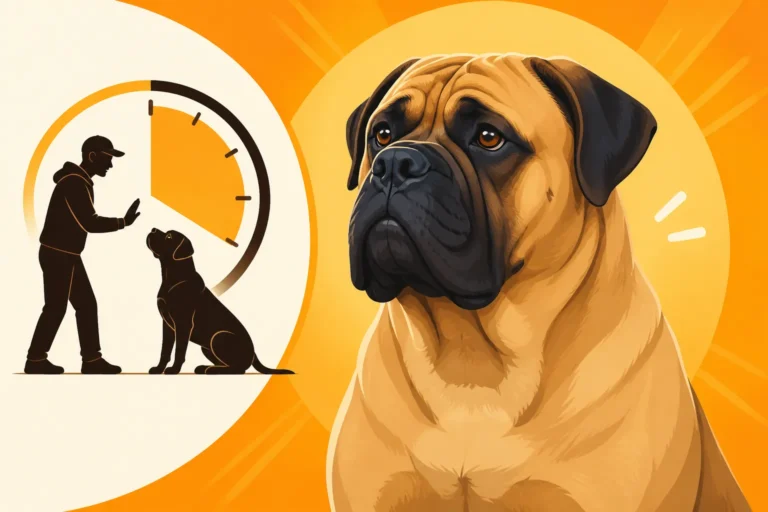
Now, let's talk about the hurdles. Every Bullmastiff owner knows their dog has a mind of its own. This isn't stubbornness in a malicious sense; it's often a deliberate, thoughtful processing of information. The Bullmastiff That Pauses to Decide Whether You Are Worth It. They might know the command, but they're going to take a moment to decide if it's really necessary or if there's a better Bullmastiff-approved alternative. This "deliberate speed" can make quick responses a challenge, especially in a timed or pressure-filled situation.
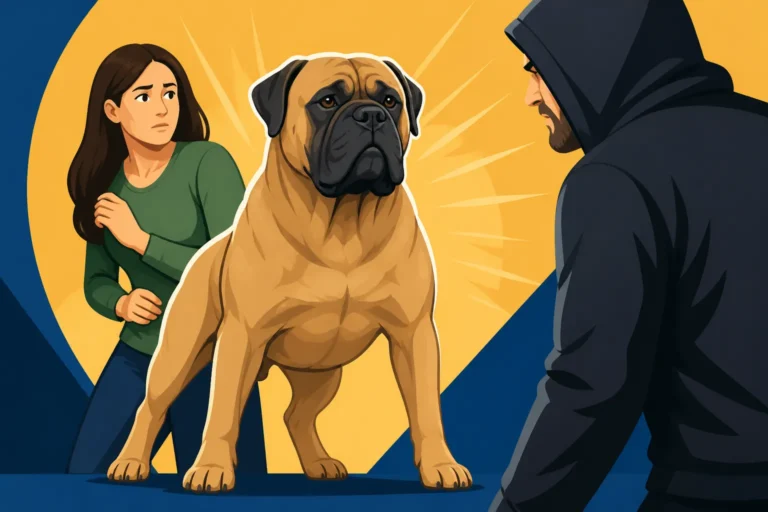
Then there's the strength. Oh, the strength! A full-grown Bullmastiff can easily outweigh a human, and if they decide to pull on the leash, it's a battle of wills and physics. Training a Bullmastiff That Weighs More Than You Do. Teaching a reliable loose-leash walk is perhaps one of the most critical, and sometimes frustrating, aspects of CGC training for this breed. Their natural guarding instincts also come into play. While they are usually gentle and calm, their innate protectiveness can manifest as a watchful wariness towards strangers. This can make the "accepting a friendly stranger" and "sitting politely for petting" items tricky, as they might prefer to observe rather than enthusiastically engage. Ensuring proper socialization from a young age is paramount to helping them differentiate between a true threat and a friendly visitor.
Finally, that deep bond with their owner, while lovely, can be a double-edged sword for the "supervised separation" item. A Bullmastiff might express their displeasure at being left alone, even with a trusted person, through whining, pacing, or even a low groan. This isn't true separation anxiety in many cases, but simply their strong preference to be right by your side. Addressing these challenges requires patience, consistency, and a deep understanding of what motivates your specific Bullmastiff. What Motivates a Bullmastiff.
Smart Training Strategies for Your Bullmastiff's CGC Journey
Training a Bullmastiff for the Canine Good Citizen test isn't just about drilling commands; it's about fostering a confident, well-adjusted dog. It requires a strategic and often creative approach that plays to their strengths and respectfully addresses their unique quirks.
Building a Strong Foundation Early
The journey to a successful CGC really begins the moment you bring your Bullmastiff puppy home. When to Start Training a Bullmastiff Puppy. Consistent, positive reinforcement training from day one is paramount. Keep training sessions short, fun, and highly rewarding to capture and maintain their interest. Remember, Bullmastiffs aren't typically driven by endless repetitions; they need to understand the why and be well-compensated for their efforts. High-value treats (think cooked chicken or cheese, not just dry kibble), enthusiastic praise, and favorite toys are your best friends.
Early and extensive socialization is also crucial. Expose your Bullmastiff puppy to a wide variety of sights, sounds, people, and appropriate dog interactions. This helps them develop confidence and reduces the likelihood of them becoming overly wary or reactive as adults. Take them to safe public places, let them observe the world, and make every new experience positive. Puppy classes are an excellent way to start this foundation, not just for the obedience aspect but for the controlled socialization it provides. A structured online training program, like the one offered by BAXTER & Bella, can also be incredibly helpful, providing a clear curriculum and support as you navigate puppyhood and adolescence with your strong-willed companion. The First Year With a Bullmastiff Puppy. This kind of consistent, guided training helps ensure your Bullmastiff learns to trust your leadership and respond reliably.
Tackling Specific CGC Items with Bullmastiff Flair
Let's break down how to approach some of the trickier CGC items with your Bullmastiff:
- Accepting a Friendly Stranger & Sitting Politely for Petting: This is all about positive associations. Practice with a rotating cast of friends and family. Instruct them to approach calmly, speak to you first, and then offer a gentle, non-threatening pet to your Bullmastiff's chest or shoulder (avoid reaching over their head, which can be perceived as threatening). Reward your dog lavishly with treats and praise for remaining calm and in a sit. If they start to lean or jump, gently block them, ask for a sit again, and only allow the petting when they are settled. Gradually increase the duration and enthusiasm of the petting.
- Walking on a Loose Leash: This is often the biggest hurdle due to their power. Invest in appropriate equipment. Many Bullmastiff owners find success with a front-clip harness or a head halter, both of which give you more leverage and control without causing pain. You can find a wide array of options for these on Amazon. Practice in quiet areas first, rewarding every step your Bullmastiff takes without tension on the leash. Gradually introduce more distractions. Consistency is absolutely key here; one loose-leash walk doesn't undo years of pulling. Teaching a Bullmastiff to Walk on Leash.
- Sit, Down, and Stay in Place: Bullmastiffs are intelligent, but they take their time. Make your cues clear and consistent. When teaching "stay," start with very short durations (seconds!) and minimal distance, slowly building up as your dog succeeds. Use a release word (like "okay" or "free") to signal the end of the stay, always followed by praise and a reward. Make "stay" a positive experience, not a test of endurance or a punishment.
- Coming When Called: This command is critical for safety. Make coming to you the most exciting, rewarding event in your Bullmastiff's day. Use an enthusiastic tone, back away from them to encourage movement, and offer their absolute favorite treats or a quick game of tug when they arrive. Practice in secure, distraction-free areas, then slowly introduce more challenging environments. Never punish your Bullmastiff for taking their time to come; always make coming back to you a positive experience. How Reliable a Bullmastiff's Recall Is.
- Reaction to Distraction: This is where their calm nature can shine. Create controlled scenarios at home: drop a pot, jingle keys, have someone walk by briskly. Reward your Bullmastiff for remaining calm and looking to you. The more positive exposure they have to various sights and sounds, the less likely they are to react excessively on test day.
Test Day Jitters and Beyond: A Bullmastiff's Journey
The day of the test can bring its own unique set of nerves, for both you and your Bullmastiff. But with thoughtful preparation and the right mindset, you can navigate it successfully.
Preparing for the Test Environment
The actual CGC test environment is rarely your peaceful backyard. It's often held in a community center, a training facility, or even a local park, meaning new smells, new sounds, and other dogs. To prepare your Bullmastiff, try to expose them to similar settings beforehand. Take short trips to pet-friendly stores (if allowed), walk around busy park edges during off-peak hours, or simply drive to a new location and practice a few commands. The goal isn't to perfect the commands in these places, but to desensitize your Bullmastiff to novel environments so they aren't overwhelmed on test day.
On the day itself, keep things calm. A good walk or play session before the test can help burn off any excess energy, but don't exhaust them or over-practice. A well-hydrated, well-fed (but not overly full) dog is a happier dog. Bring their highest-value treats – something they absolutely adore and only get on special occasions. Arrive a little early to allow your Bullmastiff to sniff around, relieve themselves, and get accustomed to the space before the pressure is on. Remember, your calm demeanor will directly influence theirs. If you're stressed, they'll pick up on it.
What Success Looks Like for Your Bullmastiff
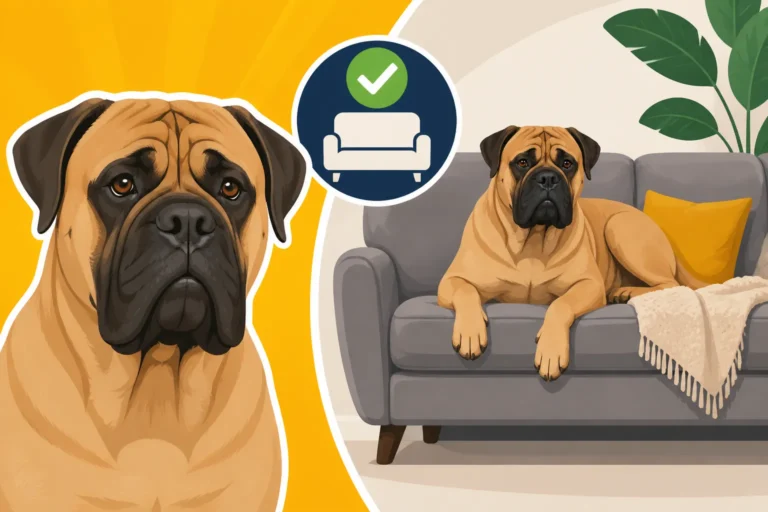
Passing the Canine Good Citizen test with your Bullmastiff is a huge accomplishment, and it truly speaks volumes about their character and your dedication as an owner. It's not just a piece of paper; it's tangible proof that your powerful companion is a polite, well-mannered member of society. This certification can open doors for you, making it easier to find pet-friendly housing, get discounts on pet insurance, and sometimes even volunteer in places like hospitals or nursing homes. More importantly, it reinforces the incredible bond you share and bolsters your confidence in handling your large dog in public. Whether a Bullmastiff Deserves Its Gentle Reputation.
Even if you don't pass every single item on your first attempt, the journey of training for the CGC will undoubtedly make your Bullmastiff a better companion. The process strengthens communication, builds trust, and hones those essential manners that make life together more harmonious. Many Bullmastiffs do pass with flying colors, demonstrating their capacity for calm obedience and their gentle nature. It's a testament to the breed's underlying desire to be good companions, and with consistent, positive training tailored to their unique temperament, your Bullmastiff can absolutely be one of them.
| CGC Test Item | Bullmastiff Trait (Advantage) | Bullmastiff Trait (Potential Challenge) | Training Focus |
|---|---|---|---|
| Accepting Friendly Stranger | Naturally calm, observant | Initial wariness, guarding instinct | Frequent, positive introductions; reward calm behavior |
| Sitting Politely for Petting | Enjoys affection once comfortable | Can lean/jump if excited; subtle guarding | Practice polite greetings, "off" command; reward sustained sit |
| Appearance & Grooming | Stoic, often tolerant of handling | Can be sensitive to new hands or tools | Positive grooming experiences from puppyhood; desensitization |
| Walking on Loose Leash | Moderate energy, prefers proximity to owner | Sheer physical strength; deliberate pace | Consistent positive reinforcement, appropriate walking gear |
| Walking Through Crowd | Calm, focused on owner if trained | Can be distracted by novelty/strangers | Gradual exposure, focus games, reward calm navigation |
| Sit & Down on Command | Intelligent, eager to please (once motivated) | Deliberate responses, "selective hearing" | Clear cues, high-value rewards, short engaging sessions |
| Stay in Place | Loyal, prefers proximity to owner | Independence, desire to follow owner | Build duration/distance slowly, always positive release |
| Coming When Called | Devoted to owner, strong bond | Can be distracted, evaluates urgency | Make recall fun and highly rewarding; practice in varied settings |
| Reaction to Distraction | Confident, usually quiet, not easily startled | Can be watchful or easily aroused if not exposed | Controlled exposure, positive association with distractions |
| Supervised Separation | Strong bond with owner, seeks companionship | Can show mild anxiety or vocalize disapproval | Practice short, positive separations from young age; comfort items |
Disclaimer
This article is for general informational purposes only and does not constitute professional advice. Laws, prices and regulations vary by location and change over time. Consult a qualified professional for guidance on your specific situation.