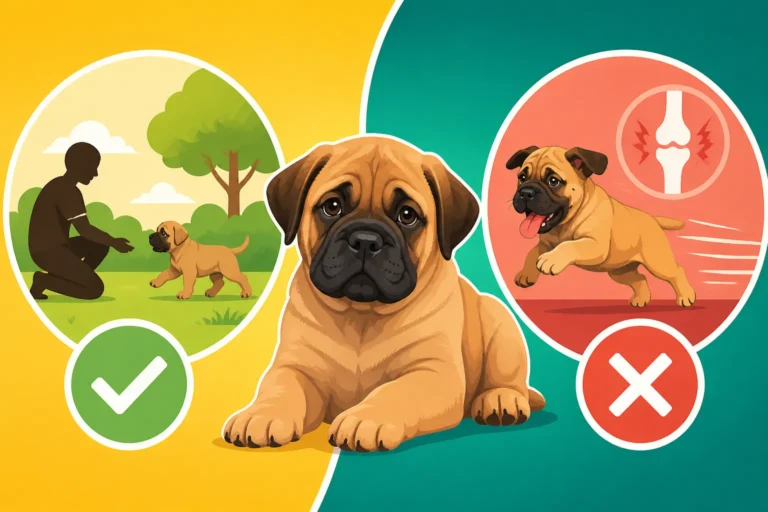
Whether Two Male Bullmastiffs Can Live Together
Bringing a second dog into your home is a big decision, but when that second dog is another male Bullmastiff, you're not just adding a pet; you're introducing a complex dynamic that requires careful consideration, meticulous planning, and an unwavering commitment to management. Many owners, drawn by the breed's impressive presence and affectionate nature, underestimate the deeply ingrained territorial and dominance drives that can surface between two powerful males. This guide will walk you through the realities of managing a multi-male Bullmastiff household, offering practical advice to foster peace and ensure the safety and well-being of everyone involved.
Understanding Bullmastiff Temperament and Same-Sex Aggression
Before you even consider bringing a second male Bullmastiff into your life, it's absolutely crucial to understand the inherent traits of the breed. These aren't just big, cuddly lumps; they are dogs bred for a specific, demanding job, and those instincts are still very much present, even in our beloved couch potatoes. Ignoring these fundamental aspects is like trying to build a house without a foundation – it’s destined for trouble.
The Bullmastiff's Natural Protective Instincts
Bullmastiffs were originally developed to protect gamekeepers from poachers on large estates. Their job wasn't to maul, but to track, silently corner, and hold an intruder until the gamekeeper arrived. This history has imbued them with a strong protective instinct and a keen awareness of their territory and their "pack." They are naturally wary of strangers and often have a deep, quiet confidence. This protective nature, while wonderful when directed appropriately towards your family, can become a double-edged sword when you introduce another alpha-type personality into their perceived domain. They can be incredibly tolerant and patient, but their protective drive extends to resources, space, and their status within the home. It's not just about protecting you; it's about protecting their everything. A Bullmastiff Was Bred to Hold a Man, Not Bite Him delves into this history, explaining how their protective instincts were honed.
Same-Sex Aggression: A Breed Trait to Acknowledge
Here's the tough truth: same-sex aggression, particularly between males, is not uncommon in many mastiff and guardian breeds, and Bullmastiffs are no exception. It's not a flaw in their character, but rather a strong, instinctual drive rooted in competition for resources, mates (even if neutered, the hormonal programming can linger), and social hierarchy. When two intact males are involved, the risk escalates significantly. Even neutered males can exhibit this behavior because while testosterone fuels much of the aggression, the learned behaviors and ingrained temperaments often persist. Many Bullmastiff owners find that while their individual male is a gentle giant, he might take serious offense to another male trying to assert himself in his house. This isn't a behavior you can simply train away with a few commands; it's a deep-seated part of their genetic makeup that needs to be managed consistently and thoughtfully. To understand more about this specific challenge, read Same Sex Aggression in Bullmastiffs.
Factors Influencing Aggression in Bullmastiffs
Several factors can amplify or trigger same-sex aggression in Bullmastiffs. Genetics play a huge role; if a dog comes from lines where aggression has been present, they may be predisposed. Early socialization, or the lack thereof, is another critical element. A Bullmastiff puppy that wasn't adequately socialized with other male dogs during its crucial developmental window might not have learned appropriate canine communication and boundaries. Resource guarding – over food, toys, beds, or even your attention – is a major flashpoint. A Bullmastiff's inherent protectiveness can easily morph into guarding behavior when another male is present, leading to growling, snapping, or even full-blown fights. The age at which maturity hits, typically around 2-3 years for Bullmastiffs, can also reveal these latent tendencies. A previously friendly young male might become less tolerant as he fully matures and starts to assert his adult status. Environmental stress, changes in routine, or even perceived unfairness can also contribute to an eruption of aggression.
Introducing a Second Male Bullmastiff: The Critical First Steps
So, you've decided to take the plunge. Maybe you already have one incredible male Bullmastiff and your heart yearns for another, or perhaps you're considering two littermates. Whatever the scenario, the introduction phase is paramount. Get it wrong, and you could be facing years of tension, fights, and constant stress. Get it right, or at least manage it expertly, and you set the stage for a potentially harmonious, albeit carefully managed, household.
Puppy vs. Adult: Which is Easier?
Generally speaking, introducing a puppy to an existing adult male Bullmastiff is often considerably easier than bringing in another adult male. A young puppy, especially one under six months, is perceived as less of a threat by an adult dog. The adult's parental instincts might even kick in, leading to a degree of tolerance and gentle correction. However, this isn't a foolproof plan. That cute, submissive puppy will eventually mature into a full-grown Bullmastiff, complete with his own instincts and desire for status. The dynamic will change, often dramatically, around 18-36 months of age when the younger dog hits adolescence and then full maturity. This is when the real tests often begin, and what was once tolerance can turn into fierce competition.
Bringing in another adult male is the most challenging scenario. You're essentially asking two established individuals, each with their own sense of self-importance and territory, to share prime real estate. If you go this route, their personalities, past experiences, and individual temperaments become even more critical. A calm, submissive adult male might integrate better, but finding one with absolutely no history of same-sex issues is a needle in a haystack for a breed with these tendencies. It's a high-stakes gamble.
Neutral Territory Introductions
Never, ever, just open the door and let two male Bullmastiffs meet inside your home. Your existing Bullmastiff views your home as his castle, and a new dog walking in is seen as an invasion. The first meeting, and ideally several subsequent meetings, must occur on neutral ground – think a park they've never been to, a friend's fenced yard, or even a local training facility. Both dogs should be on leash, handled by separate, confident adults. Keep the initial interaction brief and positive. Look for loose body language, sniffing, and a general lack of tension. Avoid direct eye contact between the dogs, as this can be perceived as a challenge. Walk them parallel to each other at a distance, gradually decreasing the space as they show comfort. These controlled, low-stress interactions help them associate each other with positive, calm experiences rather than territorial confrontation. Professional trainers often use this "parallel walk" method as a foundational step.
Supervision and Management Strategies
Even after a successful neutral introduction, constant, vigilant supervision is non-negotiable in the early days, weeks, and potentially months of cohabitation. This means no unsupervised time together, even if you just step out for a minute. When you cannot directly supervise, the dogs should be separated in secure crates or behind solid barriers. This isn't just for their safety, but for your peace of mind. Consider using baby gates or solid doors to create distinct "zones" within your home where each dog can relax without constantly being on guard.
Feeding time is a prime opportunity for conflict. Feed them in separate rooms or crates. High-value treats and toys should also be given individually and out of sight of the other dog. Any perceived competition over resources can quickly escalate. This intense management might sound exhausting, and honestly, it is. But it’s the reality of preventing serious altercations and laying the groundwork for a stable, albeit structured, relationship between your boys. Consistency is key here; a single lapse in supervision can undo weeks of careful management.
Living Together: Daily Management and Harmony
Once the initial introduction period has passed and you've established some basic tolerance, the real work of creating a harmonious, multi-male Bullmastiff home begins. This isn't about ignoring their natural tendencies but actively working with them through consistent daily management and strategic training. Think of it as running a tight ship – every crew member knows their role, and there are clear rules to prevent mutiny.
Resource Guarding: A Major Flashpoint
Resource guarding is perhaps the most common catalyst for conflict between male Bullmastiffs. This isn't just about food bowls; it can extend to anything a dog values: favorite resting spots, specific toys, your lap, or even a coveted path to the water bowl. Bullmastiffs, with their protective instincts, can be particularly prone to this. To mitigate this, a few rules are essential:
- Separate Feeding: Always feed your male Bullmastiffs in separate rooms or, at the very least, in separate, sturdy crates where they cannot see or reach each other. This eliminates any competition over food. Once they are finished, pick up all bowls promptly.
- High-Value Items: Bones, chews, and special toys should always be given when the dogs are separated. This ensures each dog can enjoy their prize without feeling threatened or needing to defend it.
- Shared Spaces, Individual Items: While they might share the living room, ensure there are enough beds or resting spots for both dogs, and then some. This reduces the need to "claim" a single prime spot. Rotate toys regularly to keep interest high and prevent one dog from becoming overly possessive of a single item.
- Your Attention: Even your attention can be a resource. Be mindful of how you interact with each dog. Avoid playing favorites or showering one with affection while the other watches jealously. Equal attention, or at least attention given separately, can prevent friction. For instance, spend five minutes petting one dog, then put them in a 'stay' or 'place' command, and give five minutes to the other.
This level of management might seem extreme, but it's often the difference between a peaceful household and one fraught with tension.
Individual Space and "Time Outs"
Every dog needs their own safe haven, and this is especially true in a multi-male Bullmastiff household. Crate training is not just a tool for puppies; it’s an invaluable asset for adult Bullmastiffs. Each dog should have their own generously sized crate where they can retreat, rest, and feel secure without interference from the other. This isn't a punishment; it's their personal apartment. Using a crate from Amazon that is suitably robust for a large breed is a wise investment.
These individual spaces also serve as "time out" zones. If you notice even subtle signs of tension – stiff body language, prolonged stares, a low growl, or even one dog constantly displacing the other – it’s time for a cool-down period. Separate them calmly into their individual crates or rooms. This prevents minor annoyances from escalating into serious fights. Teaching them a "place" command, where they go to a specific bed or mat and stay there, is also incredibly useful for managing their presence in shared spaces. This allows you to control their interactions and ensure respectful boundaries are maintained.
Training and Socialization as Ongoing Tools
Training isn't a one-time event; it's a lifelong commitment, particularly with a Bullmastiff, and even more so with two. Consistent obedience training, focusing on commands like "sit," "stay," "down," "leave it," and a solid "recall," is crucial for managing their behavior and reinforcing your role as the benevolent leader. Strong training helps you interrupt undesirable behaviors before they escalate. Training a Bullmastiff That Weighs More Than You Do offers excellent insights into mastering this.
While you might limit their interactions with each other to prevent conflict, continued positive socialization with other well-behaved dogs (especially females or very tolerant males) can be beneficial. This helps keep their social skills sharp without challenging their home dynamic. Enroll in advanced obedience classes or even try fun activities like scent work where they can work individually in a group setting. Programs like those offered by BAXTER & Bella can provide online resources and guidance for consistent training, helping you maintain structure and build a strong relationship with each dog individually, which ultimately contributes to a more stable household. Remember, a well-trained dog is a more confident dog, and confidence can sometimes reduce the need to assert dominance aggressively.
Recognizing the Red Flags and Knowing When to Intervene
Living with two male Bullmastiffs means becoming a master of observation. You need to be acutely aware of their body language and the subtle cues they give off, because a full-blown fight can erupt in seconds, and with dogs of this size and power, the consequences can be devastating. Learning to read the room, so to speak, is your superpower in preventing serious altercations.
Subtle Signs of Tension
It’s rarely a sudden explosion; most dog fights are preceded by a series of subtle, escalating signals. Your job is to catch these before they boil over. Look for:
- Stiffening Body Language: A dog that suddenly becomes rigid, raises its hackles slightly, or holds its tail stiffly.
- Hard Stares: Prolonged, direct eye contact between the dogs. This is a challenge, not a friendly glance.
- Lip Licking and Yawning (in context): These can be signs of stress or appeasement, indicating one dog is uncomfortable.
- Growling or Snarling: Any vocalization of discontent should be taken extremely seriously. A low growl is a warning shot.
- Blocking or Posturing: One dog placing themselves between the other and a resource (like you, a door, or a toy). Elevated head, puffed chest, or a "T-stand" (one dog standing over the other's neck or shoulders).
- Displacement Behaviors: One dog repeatedly nudging the other away from a spot or a person, or overtly moving into the other dog's space without invitation.
- Avoidance: One dog consistently trying to get away from the other, lowering their head, or tucking their tail. This dog is trying to de-escalate, but if the other dog presses, it can still lead to conflict.
Become a student of canine communication. There are many great resources available, often through online platforms or books you can find on Amazon, that illustrate these subtle signals. Ignoring them is like ignoring a flickering check engine light – eventually, something major is going to break down.
Escalation and Intervention Techniques
If you miss the subtle cues and the situation escalates, quick and safe intervention is critical. Never put your hands directly into a dog fight, especially with Bullmastiffs. Their bite force and sheer power can cause serious injury to you.
Instead, use methods that create a barrier or distraction:
- Loud Noise: A sharp, unexpected clap, whistle, or even yelling "NO!" can sometimes momentarily startle them into pausing.
- Physical Barrier: If accessible, a large piece of plywood, a chair, or even tossing a blanket over one of the dogs can create a visual and physical barrier.
- Water Hose: A quick spray from a garden hose can be very effective in breaking up a fight, if you're outdoors.
- Break Stick: For very serious, lock-jawed fights (which hopefully you'll never encounter), a break stick can be used to open their jaws, but this is an advanced technique for emergencies only and requires training to use safely.
Once separated, do not immediately allow them to interact again. Secure them in separate areas and give everyone (including yourself) time to calm down. Trying to "make them be friends" right after a fight is a recipe for disaster. Then, reflect on what triggered the fight and re-evaluate your management plan to prevent a recurrence.
When Coexistence Isn't Possible
This is the hardest part for any dog owner, but it's a reality you must be prepared for: sometimes, despite your best efforts, two male Bullmastiffs simply cannot live together safely. Their personalities might clash too severely, their drive for dominance might be too strong, or past experiences might have made one or both unwilling to tolerate another male.
Signs that coexistence might be impossible include:
- Frequent Fights: If fights are a regular occurrence, even with strict management, the stress on both dogs (and you) is immense.
- Constant Tension: Even without overt fighting, if one or both dogs are perpetually stressed, stiff, or on edge in the other's presence, their quality of life is suffering.
- Injuries: Any fight resulting in injuries to either dog or a human is a serious red flag.
- Your Quality of Life: If you are constantly walking on eggshells, anxious, and unable to enjoy your dogs or your home, it's not sustainable.
In these heartbreaking situations, rehoming one of the dogs to a single-dog household, or one with a well-matched female, might be the kindest and safest solution for everyone. It's not a failure on your part, but an acknowledgment of a fundamental incompatibility that cannot be overcome. Prioritizing the dogs' long-term well-being and safety over your personal desires is the mark of a truly responsible owner. It's a painful decision, but sometimes, it's the right one.
Essential Equipment and Support for Multi-Male Households
Successfully managing two male Bullmastiffs isn't just about training and understanding temperament; it also relies heavily on having the right tools and knowing when to call in professional help. Think of it as having the right safety gear when engaging in a high-stakes activity – it makes all the difference in preventing accidents and ensuring success.
Crate Training and Management Tools
As mentioned earlier, crate training is indispensable. Each Bullmastiff needs their own spacious, sturdy crate where they feel safe and can be separated when unsupervised or for meal times. Look for heavy-duty metal crates from reputable brands, available on platforms like Amazon, that can withstand a powerful Bullmastiff's strength. These crates are an investment in safety and sanity.
Beyond crates, other management tools include:
- Baby Gates/Dog Gates: Invest in tall, sturdy pressure-mounted or hardware-mounted gates to create secure zones within your home. These allow you to easily separate your dogs without locking them completely away in crates, offering more flexibility in daily living.
- Muzzles: While often associated with aggression, a well-fitted basket muzzle can be a temporary safety tool, especially during introductions or when you anticipate a high-stress situation where accidental bites could occur. It's a preventative measure, not a punishment, and dogs can still drink and pant comfortably in a good basket muzzle.
- Separate Leashes and Collars: Always have distinct gear for each dog, ensuring easy handling. Consider strong, wide collars or harnesses for better control when walking them, as How to Walk a Bullmastiff That Outweighs You illustrates the challenges.
- Interactive Toys: Puzzle toys or chew toys can keep dogs individually engaged and mentally stimulated when separated, reducing boredom and potential frustration that could contribute to tension.
Professional Guidance and Resources
Let's be frank: managing two male Bullmastiffs can be incredibly challenging, and it's absolutely okay to seek help. This isn't a sign of weakness but a sign of a responsible owner committed to doing what's best for their dogs.
- Experienced Dog Trainers: Look for trainers specializing in large breeds, guardian breeds, or behavior modification for aggression. They can assess your specific situation, help you read your dogs' body language, and develop a tailored management and training plan. They can also guide you through safe introduction protocols and provide invaluable hands-on coaching. Some remote programs, like those offered by BAXTER & Bella, can also provide foundational training support that complements in-person coaching.
- Veterinary Behaviorists: For severe or complex cases of aggression, a board-certified veterinary behaviorist might be necessary. These professionals have both veterinary and behavioral training and can identify underlying medical conditions contributing to behavior, prescribe medication if appropriate, and create comprehensive behavior modification plans.
- Online Communities and Support Groups: While not a substitute for professional help, connecting with other owners of multiple male Bullmastiffs (or similar breeds) can offer a sense of community, shared experiences, and practical tips for daily management. Just be sure to filter advice and prioritize professional guidance.
Remember, the goal is not just to prevent fights, but to ensure both your Bullmastiffs can live fulfilling, low-stress lives. Sometimes, achieving that goal means bringing in the experts.
A Snapshot of Multi-Male Bullmastiff Dynamics
To help visualize the difference between a potentially successful and a highly challenging multi-male Bullmastiff household, here's a quick comparison. This isn't a guarantee, but a guide to the factors at play.
| Feature | Potentially Successful Household | Highly Challenging Household |
|---|---|---|
| Existing Dog | Calm, secure, well-socialized, no history of same-sex aggression | Anxious, territorial, insecure, history of reactivity |
| New Dog (Puppy) | Submissive, easily integrated, good genetics | Confident, pushy, uncertain genetics |
| New Dog (Adult) | Mellow, proven history in multi-dog (male/female) home, social | Assertive, dominant, insecure, history of altercations |
| Owner Experience | Experienced with large breeds, confident, consistent, proactive | First-time large breed owner, hesitant, inconsistent, reactive |
| Management | Strict, consistent, separate feeding, crate training, boundaries | Loose, inconsistent, free-roaming, no established boundaries |
| Training | Ongoing, positive reinforcement, high obedience levels for both | Sporadic, reactive, minimal obedience |
| Resource Guarding | Actively managed, separate resources for high-value items | Ignored, dogs compete for everything |
| Household Stress | Low, calm atmosphere, dogs often relax in proximity | High, constant tension, dogs always on alert |
Conclusion
The dream of a home filled with two majestic male Bullmastiffs can certainly be beautiful, but the reality demands significant dedication, education, and unwavering vigilance. It's not a path for the faint of heart or the casually committed. While it's absolutely possible for two male Bullmastiffs to coexist, it's rarely effortless. It requires proactive management of their deeply ingrained instincts, careful introductions, consistent training, and the creation of a structured environment where each dog feels secure and valued, without needing to constantly defend their place. You will need to become an expert in their body language and be prepared to intervene, or even re-evaluate, if the dynamic proves too stressful or dangerous. Ultimately, the success of such a household hinges on your ability to understand, respect, and thoughtfully manage the powerful nature of these magnificent dogs.
Disclaimer
This article is for general informational purposes only and does not constitute professional advice. Laws, prices and regulations vary by location and change over time. Consult a qualified professional for guidance on your specific situation.