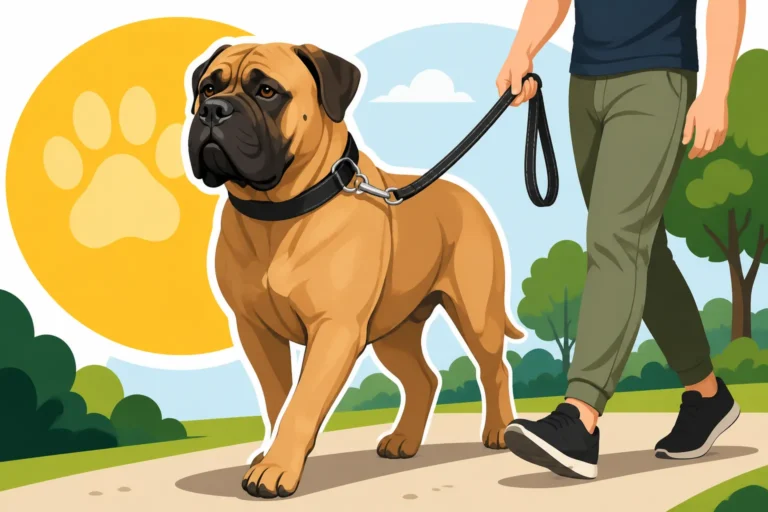
Why a Bullmastiff Needs Less Exercise Than It Looks
It’s a common misconception that because Bullmastiffs are big, muscular dogs, they must need hours and hours of strenuous exercise every day. Owners often feel guilty if their massive canine companion isn't constantly running, jumping, or fetching. But the truth is, pushing a Bullmastiff into an overly intense or prolonged exercise regimen can actually do more harm than good for these magnificent, deliberate dogs. This guide will dive deep into why your Bullmastiff’s exercise needs are likely far less than you imagine, and how to create a routine that truly supports their unique physiology and gentle nature.
The Misleading Appearance: Why Bullmastiffs Look Like They Need More
Let's be honest, a Bullmastiff is an impressive sight. Their sheer size, broad chest, and powerful build suggest a dog built for endurance and high-impact activities. It's easy to look at a 120-pound dog and assume it needs to be jogging miles with you or playing intense games of frisbee for hours. However, this visual assessment often leads to misunderstandings about their actual physical capabilities and historical purpose.
Bred for Short Bursts, Not Marathons
Unlike breeds like Border Collies or German Shorthaired Pointers, who were bred for sustained activity over long periods, the Bullmastiff's lineage tells a very different story. These dogs were developed in 19th-century England by gamekeepers to deter poachers. Their job was to silently track an intruder, then corner and hold them without mauling. This required immense strength, courage, and a powerful, intimidating presence, but also a capacity for quiet stealth and patience.
Think about it: a poacher might be tracked for a short distance, but the real work was the confrontation – a sudden, explosive burst of energy to cover ground quickly and then hold. This isn't a job for a marathon runner; it's for a sprinter and a strongman. Therefore, their musculature is geared towards short, powerful actions rather than prolonged cardiovascular output. Pushing them for long runs can strain their joints and put undue stress on their heart and respiratory system, which are not designed for that kind of sustained effort. You might find it helpful to read about The Bullmastiff Was Built to Catch Poachers in the Dark to fully appreciate their historical role.
Brachycephalic Features and Heat Sensitivity
Another crucial factor contributing to their lower exercise needs, and one often overlooked, is their brachycephalic (short-nosed) facial structure. While not as extreme as some other brachycephalic breeds, Bullmastiffs do have shorter muzzles and often constricted airways compared to longer-nosed dogs. This makes them less efficient at cooling themselves down. Dogs pant to evaporate moisture from their tongues and respiratory tracts, which helps regulate their body temperature. A shorter muzzle and narrower airways make this process much harder.
This physiological reality means they are highly susceptible to overheating, especially in warm weather or during intense exercise. A short walk on a warm day can quickly turn into a dangerous situation. Owners must be acutely aware of What Temperature Is Dangerous for a Bullmastiff and recognize Signs a Bullmastiff Has Heatstroke. It’s not about their willingness to go; it’s about their ability to do so safely. If you try to push a Bullmastiff through a long jog on a sunny afternoon, you're not building their fitness; you're risking their life.
Understanding the Bullmastiff's True Energy Profile
So, if they're not built for endless activity, what is their typical energy level? It's much calmer and more deliberate than many people expect, especially once they're past the boisterous puppy stage. Their size and solid build also mean they use more energy just moving their own weight, so a short walk for a Bullmastiff might be equivalent to a much longer one for a smaller, lighter breed.
The "Active Couch Potato" Lifestyle
Many Bullmastiff owners affectionately describe them as "active couch potatoes." This means they enjoy bursts of activity but are equally, if not more, content to lounge around the house. They love their people and want to be where the action (or lack thereof) is. A Bullmastiff's ideal day often involves a morning constitutional, maybe a short play session, followed by several hours of napping, then another brief walk or playtime in the evening. This balance is key to their well-being.
Ignoring this inherent temperament can lead to a frustrated owner and a dog pushed beyond its comfortable limits. You might find your Bullmastiff simply stopping mid-walk, refusing to move, or showing signs of discomfort if they're forced into activities they're not built for. Understanding What a Bullmastiff Does All Day will give you a clearer picture of their natural rhythms. Their calm demeanor is a feature, not a bug!
Joint Health: A Major Consideration
The sheer weight and rapid growth rate of a Bullmastiff put significant stress on their joints, especially during puppyhood and adolescence. Conditions like hip and elbow dysplasia are unfortunately prevalent in large and giant breeds. Over-exercising a young Bullmastiff before their growth plates have closed can exacerbate these issues, potentially leading to debilitating arthritis later in life.
This is why controlled, low-impact exercise is crucial, particularly for puppies. Running on hard surfaces, jumping repeatedly, or engaging in intense, prolonged play should be strictly limited. Vets often advise against long, forced walks or strenuous activities until a Bullmastiff is at least 18-24 months old, when their skeletal system is more mature. Slow and steady growth is vital for their long-term joint health. Read The Exercise Limit for a Bullmastiff Puppy and Why a Bullmastiff Puppy Should Not Run on Concrete for more detailed guidance on protecting your young giant's development.
Crafting the Ideal Exercise Routine for Your Bullmastiff
Now that we understand why their exercise needs are modest, let's talk about how to provide appropriate activity that keeps them healthy and happy without overdoing it. The goal is consistent, moderate activity balanced with plenty of rest.
Daily Walks and Outdoor Exploration
Short, regular walks are the cornerstone of a Bullmastiff's exercise routine. Aim for two to three walks a day, each lasting 20-30 minutes. These aren't speed records; they're opportunities for sniffing, exploring, and moving their big bodies at a comfortable pace. Varying your routes can keep things interesting for them. A leisurely stroll around the block or a gentle ramble through a local park is perfect.
On hotter days, remember to adjust. Morning walks at dawn or evening walks after the sun has set are safer options. Always carry water for both of you. A collapsible water bowl, easily found on Amazon, can be a lifesaver. Listen to your dog; if they're panting excessively, lagging behind, or seeking shade, it's time to head home.
Here's a sample daily exercise schedule:
| Time of Day | Activity | Duration | Notes |
|---|---|---|---|
| Early Morning | Leash Walk | 20-30 min | Brisk but not strenuous, sniffing allowed. |
| Mid-day | Yard Play/Potty Break | 10-15 min | Supervised, low-key, weather permitting. |
| Late Afternoon | Leash Walk | 20-30 min | Same as morning, adjust for heat. |
| Evening | Indoor Play/Mental Work | 10-15 min | Puzzle toys, gentle tug, training session. |
Playtime and Mental Stimulation
While physical exercise is important, mental stimulation is equally vital for these intelligent, thoughtful dogs. Short bursts of play in a fenced yard can be wonderful. Think gentle tug-of-war, hide-and-seek with treats, or rolling a large, durable ball around. Avoid high-impact jumps or quick stops and starts that can jar their joints.
Brain games and training sessions are also fantastic ways to tire out a Bullmastiff without over-exerting their body. Short training sessions, perhaps 5-10 minutes, where you work on basic obedience or teach new tricks, can be surprisingly effective. Interactive puzzle toys, which can be found easily on Amazon, are excellent for engaging their minds as they figure out how to get a treat. Even just 10-15 minutes of dedicated mental work can leave them feeling satisfied and ready for a nap. Programs like BAXTER & Bella, offering online training resources, can be a great way to incorporate consistent mental challenges into your Bullmastiff's routine, helping them develop into well-behaved companions without excessive physical strain.
Managing Adolescent Energy and Maturity
Bullmastiffs mature slowly, often not reaching full mental and physical maturity until they are around three years old. This means you might have a physically enormous but still mentally goofy and energetic youngster on your hands. It’s critical to remember that their growing bodies are still vulnerable. While they may act like they want to run and play all day, you, as their owner, need to be the responsible party and enforce appropriate limits.
During this adolescent phase, continue with controlled walks and supervised, gentle play. Avoid dog parks where unknown dogs might engage them in overly rough play, which could lead to injury. Instead, opt for one-on-one playdates with calm, well-matched companions. Consistency in training and a stable routine will help channel their youthful exuberance into positive behaviors rather than destructive ones born of boredom.
The Risks of Over-Exercising a Bullmastiff
It’s easy to think that if some exercise is good, more must be better, but this simply isn't the case for a Bullmastiff. Pushing them too hard can lead to a host of problems, some of which can be life-threatening.
Orthopedic and Joint Damage
As mentioned, their heavy build predisposes them to joint issues. Repetitive impact from running on hard surfaces, jumping, or long-distance walking can accelerate wear and tear on their joints. This can worsen existing conditions like hip or elbow dysplasia, leading to pain, lameness, and premature arthritis. Imagine carrying an extra 50 pounds on your back while trying to run a marathon – that's a bit like what you're asking of their joints if you overdo it. Long-term, this could mean expensive surgeries or lifelong pain management for your beloved dog. Providing them with supportive bedding, like an orthopedic bed often available on Amazon, is crucial, especially as they get older to alleviate pressure points and support weary joints.
Heatstroke and Respiratory Distress
Given their brachycephalic nature, heatstroke is a very real and dangerous threat for Bullmastiffs. Pushing them during warm weather or for extended periods can cause their body temperature to spike dangerously, leading to organ damage, neurological issues, and even death. It happens much faster than many owners realize. Symptoms can include excessive panting, drooling, weakness, stumbling, bright red gums, and collapse. This is an emergency requiring immediate veterinary attention. Always err on the side of caution when it comes to heat and exercise for your Bullmastiff. For more on this, check out Why a Bullmastiff's Short Muzzle Cannot Cool It.
Cardiovascular Strain
While Bullmastiffs are not typically known for the same high incidence of cardiac issues as some other giant breeds, their large size and lower exercise tolerance mean that strenuous activity can still put a strain on their heart. Undiagnosed heart conditions, such as subaortic stenosis, which can sometimes be present in Bullmastiffs, can be dangerously aggravated by intense exercise. Regular vet check-ups are crucial to monitor their overall health, especially if you have any concerns about their heart or breathing. Getting them checked out early for conditions like Subaortic Stenosis Is There Before a Bullmastiff's First Birthday is always a good idea.
In conclusion, your Bullmastiff is a magnificent, loyal companion who thrives on companionship and moderate activity, not athletic prowess. Embrace their inner couch potato, provide consistent but gentle exercise, plenty of mental enrichment, and protect them from the risks of overheating and joint strain. You'll find that meeting their true needs leads to a healthier, happier life for both of you.
Disclaimer
This article is for general informational purposes only and does not constitute professional advice. Laws, prices and regulations vary by location and change over time. Consult a qualified professional for guidance on your specific situation.