How Far a Bullmastiff Should Walk Daily
Many Bullmastiff owners wrestle with a common dilemma: how much daily exercise is truly right for their big, beloved companion? It's a tricky balance, as too little activity can lead to boredom and unhealthy weight gain, while too much, especially for a growing puppy or an aging dog, can put undue stress on their massive joints and overall health. Finding that sweet spot is crucial for their well-being and longevity. This comprehensive guide will help you understand the appropriate daily walking distances and overall exercise considerations, ensuring your Bullmastiff stays happy, healthy, and a joy to live with through every stage of their life.
Understanding the Bullmastiff's Unique Exercise Needs
It's easy to look at a majestic Bullmastiff and assume they need to run for miles, given their formidable size and working history. However, their physical build and original purpose tell a different story about their actual exercise requirements. Getting this right is fundamental to their long-term health.
The Myth of the Marathon Mastiff
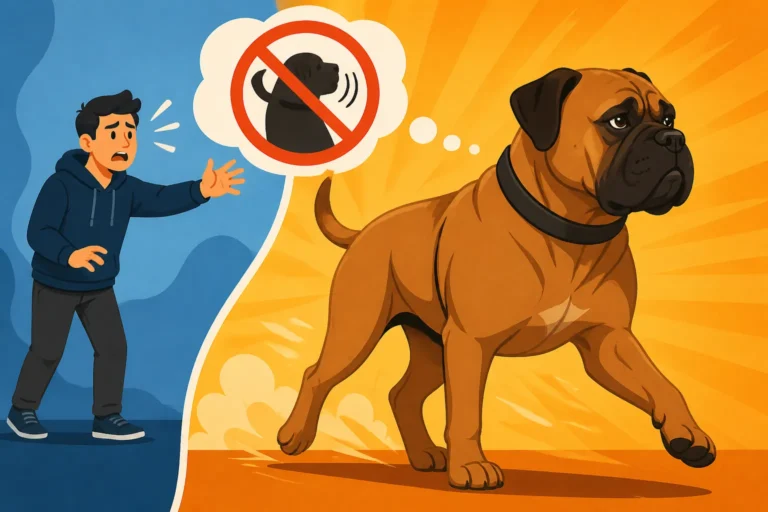
Contrary to what their large stature might suggest, Bullmastiffs are not built for endurance. Their lineage traces back to gamekeepers needing a dog to silently track and hold a poacher, which involved short bursts of powerful, controlled movement, not lengthy chases. This means their physiology is adapted for strength and quick action, rather than sustained, long-distance running. Imagine a powerful sprinter, not a marathon runner.
Their heavy bone structure and relatively short muzzle (brachycephalic) are significant factors here. That thick bone and muscle mass, while impressive, puts more strain on their joints with every impact, unlike a lighter, more agile breed. Their shorter snouts also make them less efficient at cooling themselves through panting, which means extended periods of vigorous exercise can quickly lead to overheating, especially in warmer climates. Pushing a Bullmastiff to jog for miles or participate in high-impact dog sports is not only against their nature but can be detrimental to their health. Their exercise should focus on quality movement and mental engagement, not extreme physical exertion. You might be surprised to learn Why a Bullmastiff Needs Less Exercise Than It Looks.
Health Considerations That Impact Exercise Capacity
The Bullmastiff breed is prone to several health issues that directly influence how much and what kind of exercise they can safely handle throughout their lives. Being aware of these is paramount for responsible ownership.
Firstly, orthopedic problems like hip and elbow dysplasia are unfortunately common in large and giant breeds. Over-exercising a young Bullmastiff while their growth plates are still open can worsen these conditions, leading to pain and lameness down the line. Even in adults, excessive impact can accelerate arthritis in already compromised joints. Secondly, their brachycephalic nature makes them highly susceptible to heatstroke. A seemingly mild day can quickly become dangerous if your Bullmastiff is walked vigorously during peak sun hours. This is why you'll often hear Bullmastiff owners emphasizing that Why Eighty Degrees Is Dangerous for a Bullmastiff. Lastly, cardiac conditions such as subaortic stenosis can also affect their ability to exercise safely, making it crucial to ensure your dog has had proper veterinary check-ups and clearances. Any signs of lethargy, coughing, or collapsing during exercise warrant immediate veterinary attention. These breed-specific health challenges mean that a "one-size-fits-all" exercise plan simply won't work, and owners must remain vigilant and adaptable.
Exercise for Bullmastiff Puppies and Adolescents
The early stages of a Bullmastiff's life are critical for proper development, and this includes careful management of their physical activity. Too much too soon can set them up for a lifetime of joint pain.
Gentle Growth is Key: The Puppy Rule
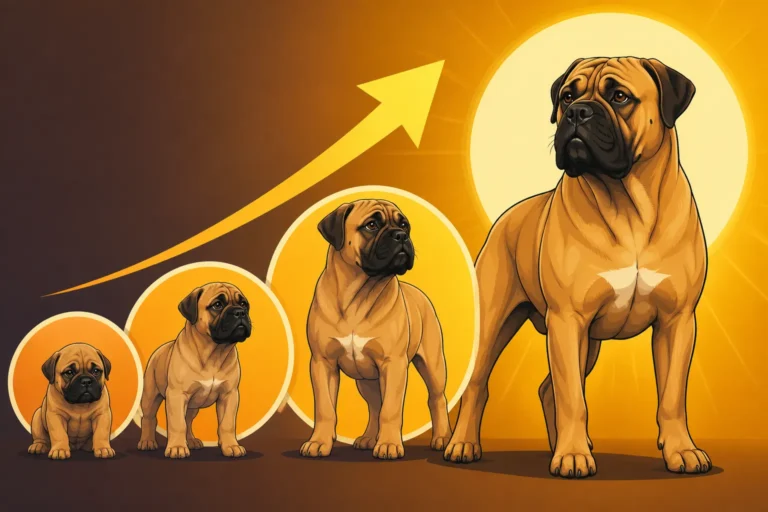
For Bullmastiff puppies, the mantra should always be "gentle growth." Their bones, joints, and growth plates are incredibly vulnerable during their first 12-18 months. Forced, long walks or strenuous activities are a definite no-go. Instead, focus on short, frequent, and low-impact play sessions. A commonly cited guideline for puppies of all breeds is the "five minutes of exercise per month of age" rule, applied one to two times a day. For example, a four-month-old Bullmastiff puppy would get two 20-minute sessions of walking or play. This allows for healthy muscle development without stressing delicate skeletal structures.
Think about gentle walks around the yard, supervised play with appropriate toys, or short stints of exploration on soft surfaces. Avoid hard pavement, jumping from heights, or prolonged running until their growth plates have completely closed, which for a Bullmastiff, can be as late as 18-24 months. These formative months are when you lay the foundation for a sound body. It's not about making them athletic now, but about preventing future orthopedic issues like those discussed in Hips and Elbows Under a Hundred and Thirty Pound Bullmastiff. Resist the urge to turn your adorable, clumsy pup into an exercise buddy just yet.
Socialization Through Controlled Outings
While limiting intense physical exercise, the puppy stage is absolutely vital for socialization. This means short, controlled outings that expose your Bullmastiff puppy to new sights, sounds, people, and friendly vaccinated dogs, all in a positive and non-overwhelming way. These aren't long walks for physical exertion, but rather mental and emotional development.
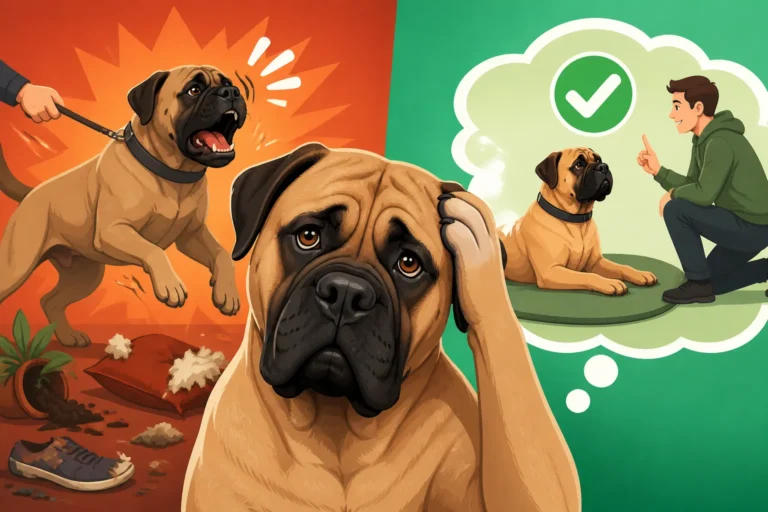
Consider taking your pup for very brief strolls around a quiet park, or a quick visit to a pet-friendly store for a few minutes. The goal is exposure and positive association, not distance. A puppy training program like BAXTER & Bella can offer excellent resources and guidance on how to properly socialize your pup without overdoing the physical activity. These early experiences help shape a confident, well-adjusted adult Bullmastiff. Remember, mental stimulation is just as important as physical activity for puppies, preventing boredom and destructive behaviors. Even simple puzzle toys or brief training sessions count as mental exercise and can be easily found on Amazon.
Adult Bullmastiffs: Finding the Right Balance
Once your Bullmastiff has finished growing and their growth plates have closed (typically between 18-24 months), you can gradually increase their activity levels. However, "gradually" and "moderately" remain the key terms for this breed.
Daily Walking Guidelines for Adults
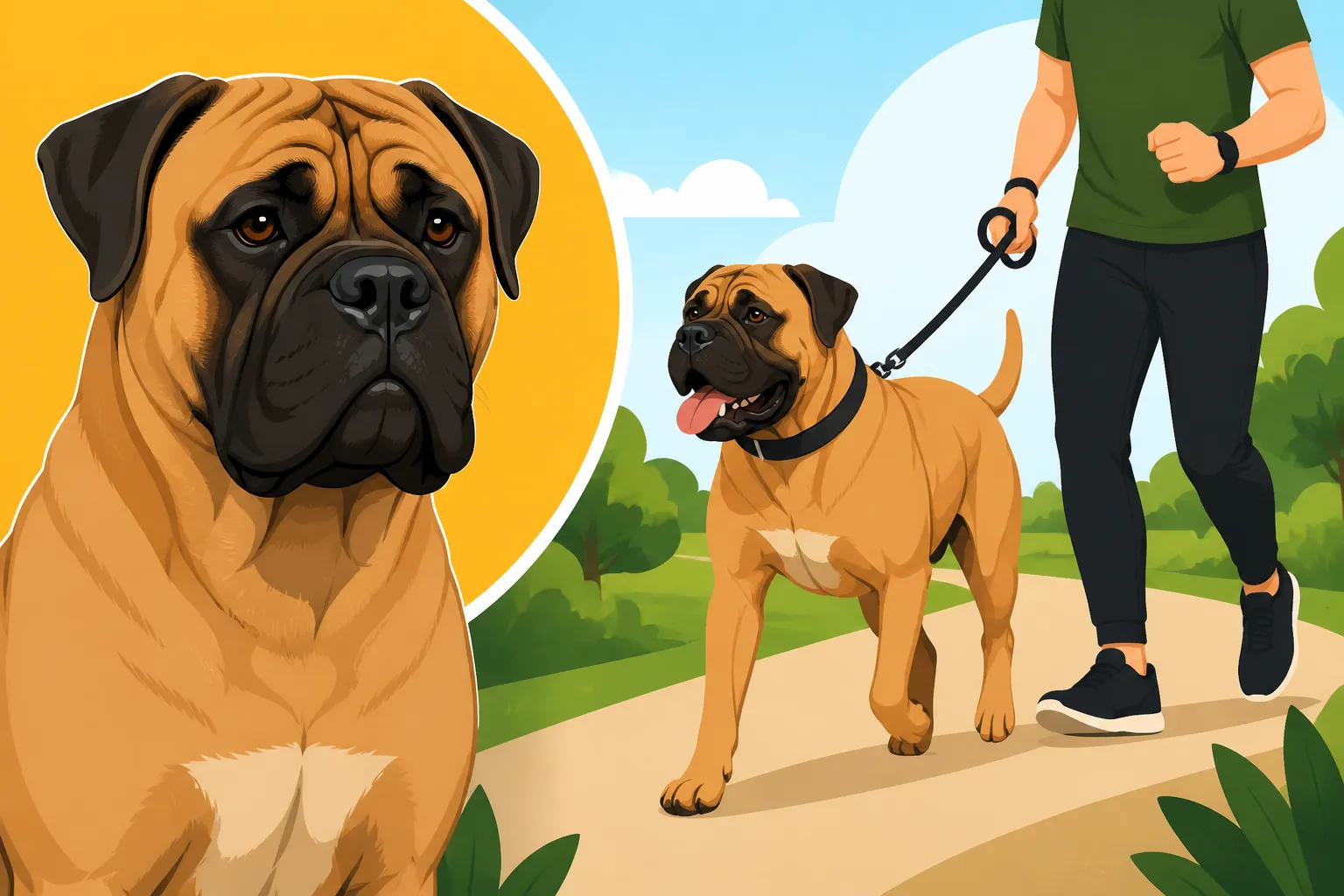
For a healthy adult Bullmastiff, a good starting point for daily walks is usually around 20-30 minutes, performed one to two times a day. This might sound surprisingly short for such a large dog, but remember their build and genetic predisposition. These walks should be at a moderate pace, allowing them to sniff and explore, which provides valuable mental stimulation.
The quality of the walk is far more important than the distance. A leisurely stroll through a park with plenty of opportunities for sniffing is often more beneficial than a forced march on a leash around the block. Some Bullmastiffs might enjoy a slightly longer "sniffari" on a weekend, perhaps 45-60 minutes, but always be mindful of their individual stamina and the weather. They thrive on routine, so consistent daily walks are better than sporadic long hikes. Remember, a Bullmastiff isn't going to tell you they're hurting until they're really hurting, so it's up to us to anticipate their needs. For specific guidance, you can refer to How Much Exercise a Bullmastiff Needs.
Beyond the Leash: Other Activities
While structured walks are important, other activities can supplement their exercise routine and keep them mentally engaged. Short bursts of controlled play in a securely fenced yard can be wonderful. Think a gentle game of fetch with a soft toy, rather than high-flying acrobatics. Avoid activities that involve repetitive jumping or hard impacts, as these can still be tough on their joints over time.
Mental stimulation is often overlooked but is crucial for a breed as intelligent and deliberate as the Bullmastiff. Training sessions, even short 10-15 minute ones, can tire them out mentally far more than a long walk. Puzzle toys, scent work, or learning new tricks are excellent ways to engage their minds. For outdoor adventures, a sturdy, well-fitting harness is essential for managing their power. Many durable options are available on Amazon, ensuring comfortable and safe walks. Some Bullmastiffs enjoy carting or weight pull in a structured, controlled environment, but this should only be pursued with professional guidance and after a thorough veterinary check to ensure they are physically sound enough for such activities.
Climate Control and Exercise Safety
This is perhaps one of the most critical aspects of exercising a Bullmastiff, especially during warmer months. Due to their brachycephalic nature, Bullmastiffs are extremely susceptible to overheating and heatstroke. Their ability to cool down is significantly impaired compared to dogs with longer snouts.
In hotter climates or during summer, walks should be restricted to the coolest parts of the day – very early morning or late evening after the sun has set. On truly hot or humid days, it might be best to skip outdoor walks entirely and opt for indoor mental games or short potty breaks. Even a shaded walk can be too much if the humidity is high. Always carry water for your dog, and watch for signs of overheating such as excessive panting, drooling, lethargy, or stumbling. Getting a Bullmastiff Through Summer is a dedicated effort. If you notice these signs, immediately move your dog to a cooler environment, offer water, and consider applying cool (not icy) water to their paws, ears, and belly. A cooling mat, easily found on Amazon, can be a lifesaver for indoor relief. Never, ever leave a Bullmastiff in a car, even with the windows cracked. The temperature inside can rise to lethal levels incredibly quickly.
Senior Bullmastiffs: Adapting to Changing Needs
As your Bullmastiff enters their senior years, typically around age six, their exercise needs will naturally change. It's essential to recognize these shifts and adapt their routine to maintain their comfort and quality of life. The Age a Bullmastiff Is Considered Senior can sneak up on you, but changes are often subtle at first.
Signs Your Bullmastiff is Slowing Down
Aging in Bullmastiffs often manifests as a gradual decrease in stamina and mobility. You might notice they are less enthusiastic about walks, lag behind more often, or need more encouragement to get up and move. Stiffness, particularly after resting, is another common sign. They might struggle to climb stairs or jump into the car, indicating joint pain or muscle weakness.
Other subtle cues can include changes in gait, reluctance to play as vigorously as before, or increased napping. It's important not to dismiss these as "just old age" but to see them as signals that their needs are changing. Many senior Bullmastiffs hide pain well, so keen observation is key. Regular veterinary check-ups become even more crucial during these years to identify and manage age-related conditions. Understanding Why an Aging Bullmastiff Struggles to Rise can help you provide better support.
Tailoring Walks for Comfort and Mobility
For senior Bullmastiffs, the goal of exercise shifts from building stamina to maintaining mobility, flexibility, and mental engagement without causing discomfort. This means adjusting the frequency, duration, and intensity of their walks. Shorter, more frequent walks are often better than one long one. Instead of two 20-minute walks, consider three 10-15 minute strolls, or even more frequent, very brief potty breaks.
Focus on flat, soft surfaces like grass or dirt trails, avoiding uneven terrain, slippery floors, or steep inclines that could cause them to stumble or strain their joints. The pace should be dictated entirely by your dog – let them set the rhythm, allowing plenty of time for sniffing and leisurely exploration. Gentle, passive range-of-motion exercises, recommended by your vet or a certified canine rehabilitation therapist, can also be beneficial. Ensuring they have a comfortable, orthopedic bed, like those widely available on Amazon, is crucial to support their joints during rest, complementing their gentle activity. Adapting their routine is a key part of Caring for a Bullmastiff Past Six.
Table: Bullmastiff Exercise Needs by Life Stage
Understanding how exercise changes throughout your Bullmastiff's life is paramount. This table offers a quick overview of recommended activity levels:
| Life Stage | Age Range (Approx.) | Recommended Walk Duration & Frequency | Key Considerations | Important Notes |
|---|---|---|---|---|
| Puppy | 2-12 months | 5 minutes per month of age, 1-2 times daily. Short, controlled play sessions. | Critical for joint development. Avoid forced exercise, hard surfaces, jumping. Focus on positive socialization. | Mental stimulation (training, puzzle toys) is vital. Use BAXTER & Bella for training guidance. Always monitor for fatigue. See The Exercise Limit for a Bullmastiff Puppy. |
| Adolescent | 12-24 months | Gradually increase to 20-30 minutes, 1-2 times daily. Moderate pace. | Growth plates still closing. Continue to avoid high-impact activities. Consistent positive reinforcement is key. | Start introducing slightly longer, but still moderate, walks. Reinforce good leash manners. |
| Adult | 2-6 years | 20-30 minutes, 1-2 times daily. Leisurely to moderate pace. | Focus on consistent routine. Monitor weather conditions rigorously due to heat sensitivity. Supplement with mental games. | Quality over quantity. Use sturdy harnesses for control, readily available on Amazon. How Much Exercise a Bullmastiff Needs for more details. |
| Senior | 6+ years | Shorter, more frequent walks (10-15 minutes, 2-3 times daily). Gentle pace. | Prioritize comfort and mobility. Watch for signs of pain or stiffness. Consider joint supplements as advised by vet. | Choose soft, even surfaces. Adapt to individual energy levels. Orthopedic bedding is essential. Consult Caring for a Bullmastiff Past Six and Why an Aging Bullmastiff Struggles to Rise. |
This article is for general informational purposes only and does not constitute professional advice. Laws, prices and regulations vary by location and change over time. Consult a qualified professional for guidance on your specific situation.