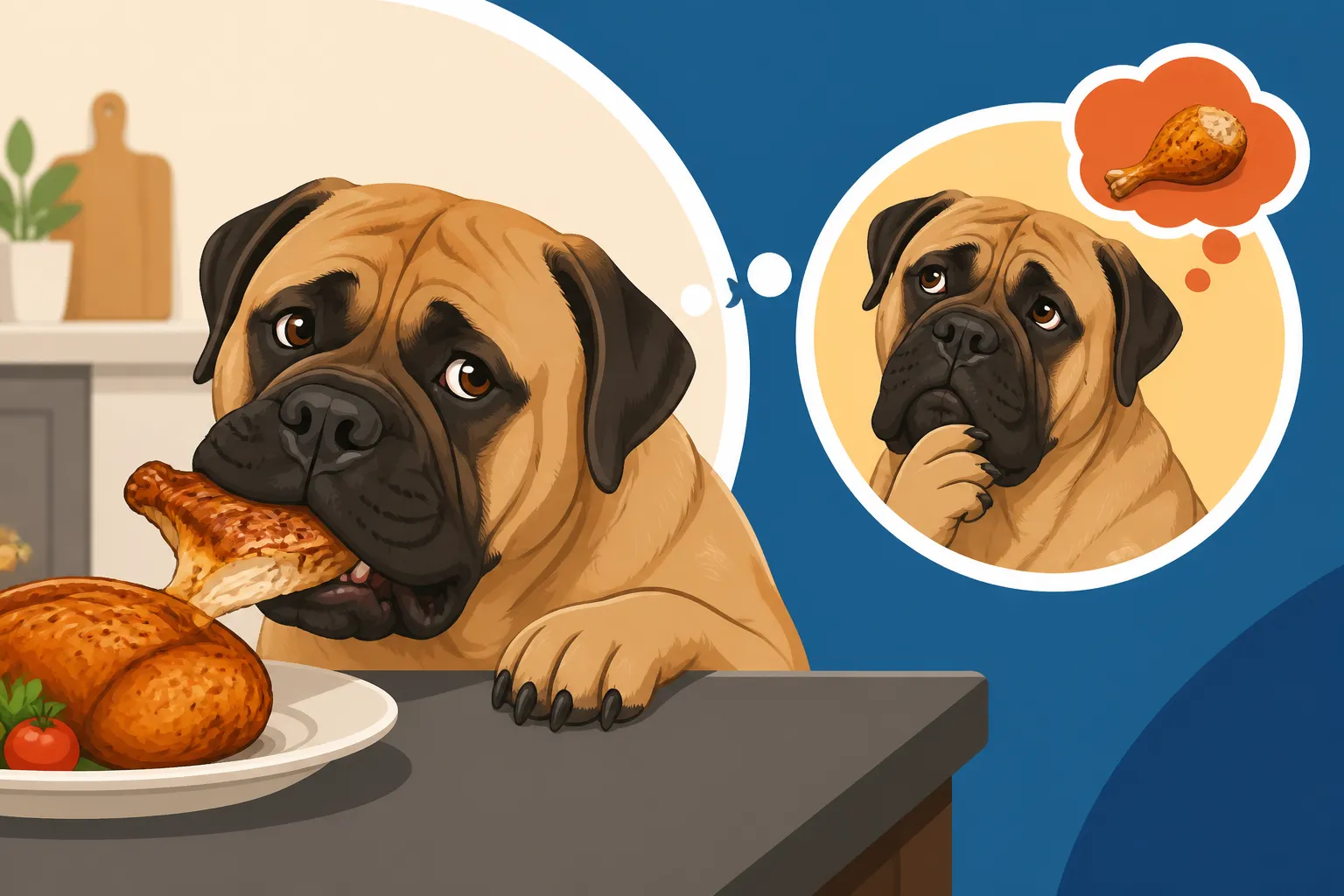
Whether a Bullmastiff Steals Food
It’s a tale as old as time for many Bullmastiff owners: you turn your back for a split second, and suddenly, that perfectly prepared sandwich or unattended plate of dinner has vanished into thin air. The frustration is real, and the disbelief that such a large, seemingly calm dog could be so stealthy can be baffling. This guide will walk you through why your Bullmastiff might be engaging in this cheeky behavior and, more importantly, how to put a stop to it before it becomes a deeply ingrained habit or, worse, a health hazard.
The Bullmastiff's Temptation: Why They Steal Food
Understanding why your Bullmastiff engages in culinary larceny is the first step toward curbing the behavior. It’s not about malice or defiance; it's often a combination of natural instincts, learned behaviors, and sheer opportunity. These intelligent dogs are always learning, and if stealing food yields a reward, they'll certainly try it again.
Instinct and Opportunity: They're Smart and Resourceful
Our magnificent Bullmastiffs, with their impressive size and calm demeanor, might seem above such petty thievery, but don't be fooled. They are incredibly intelligent, resourceful dogs. Their ancestry as silent guards for gamekeepers meant they had to be observant and capable of making decisions independently. This same cunning translates directly to them sizing up a situation and deciding if that unattended plate of cookies is within reach. They aren't just big, lazy lumps; they're constantly taking in their environment.
Furthermore, a Bullmastiff's sense of smell is incredibly powerful. What might seem like a well-hidden snack to you is a beacon of deliciousness to them. That faint aroma of freshly baked bread or last night's chicken is an irresistible call to action. Couple that keen sense of smell with their height and reach – a well-developed Bullmastiff can easily counter-surf or table-dive with minimal effort. Their sheer size, often upwards of How Much a Bullmastiff Weighs, means they can often reach places smaller dogs only dream of. They weigh more than many humans, after all, and they know how to use their bulk.
It's important to remember that even a perfectly well-fed Bullmastiff isn't immune to temptation. Food isn't just sustenance; it's a high-value resource. The thrill of the 'hunt' for a forbidden snack can be just as motivating as actual hunger. They are opportunists, and if an opportunity presents itself, they’re likely to seize it.
Learning and Reinforcement: When Stealing Pays Off
This is where human behavior often inadvertently creates the monster. If your Bullmastiff successfully snatches a piece of food and eats it, even once, that behavior has been powerfully reinforced. They learned that "stealing food = tasty reward." It’s a simple equation for them, and it’s incredibly hard to unlearn. They might even view your panicked chase or angry yelling as a form of attention, which, to some dogs, can be its own reward, further solidifying the naughty behavior.
Think about it from their perspective. They see food, they take it, they enjoy it. There's no negative consequence they associate with the act itself. If anything, the subsequent human reaction might just teach them to be faster next time, or more covert. They might learn to wait until you leave the room entirely, perfecting their stealth. The Bullmastiff That Pauses to Decide Whether You Are Worth It truly applies here; they're deliberating their next move, calculating the risk versus the reward.
Another aspect of this is their general presence. Bullmastiffs are large and can sometimes be a bit clumsy in their youth. Owners might inadvertently let things slide because it's easier than constantly trying to redirect a hundred-pound puppy. This can set a dangerous precedent. When a dog knows its size can get it what it wants, whether it's pushing past you at the door or nudging a plate off the table, it learns a powerful lesson about its own influence.
Common Targets and Stealing Tactics
Bullmastiffs aren't picky when it comes to illicit snacks, and their methods can be surprisingly varied, often depending on the opportunity. Recognizing their typical M.O. can help you anticipate and prevent their sneaky maneuvers.
Counter Surfing and Table Diving
If you own a Bullmastiff, your kitchen counters and dining table might as well be an open buffet. These dogs have impressive height and reach, especially when they stretch up on their hind legs. A simple loaf of bread left too close to the edge, a plate of cooling cookies, or even a grocery bag filled with tempting treats can all become prime targets. They are often incredibly quick; one moment the food is there, the next it's gone, leaving you wondering if you imagined it.
Their tactics can be surprisingly subtle. They might patrol the kitchen while you’re cooking, seemingly just "supervising," but they're actually casing the joint, assessing what's vulnerable. The moment you turn your back to grab an ingredient from the fridge or answer a quick question, whoosh, the item is gone. It's often not a dramatic leap, but a quiet, efficient lean and scoop. They've learned that drawing attention to themselves before the deed is done is counterproductive, so they rely on speed and surprise. Don't underestimate their ability to reach high, especially if they can lean against a cabinet or chair for leverage.
The Art of the "Sneaky Snatch"
Beyond the obvious counter-surfing, Bullmastiffs are masters of the "sneaky snatch." This often happens when you're present but distracted. Picture this: you're enjoying a meal on the couch, watching TV, and your Bullmastiff is lying placidly nearby. You glance down at your phone for a second, and in that fleeting moment, a giant head subtly moves in, and a swift lick or grab takes a piece right off your plate. They are incredibly adept at timing their move when your attention is elsewhere, even for a split second.
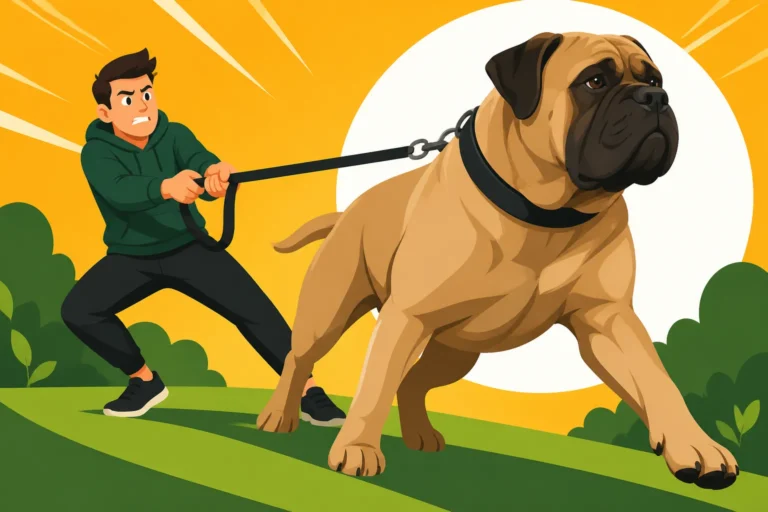
They might also employ the "lean and stare" technique. You're holding a treat or your own food, and they lean their substantial weight against you, gaze up with those soulful eyes. Many owners, in a moment of weakness, might inadvertently drop a crumb or even offer a small piece. This reinforces the idea that persistence pays off. It's a cunning strategy, leveraging their imposing presence and undeniable charm. This is why consistency is so crucial when Training a Bullmastiff That Weighs More Than You Do; every interaction teaches them something.
Another scenario involves unattended bags or packages. A shopping bag left on the floor for a moment, a child's backpack with a snack inside, or even the dog food bag itself can become a target. Their powerful jaws can make short work of packaging, leading to a much larger (and potentially dangerous) feast.
Strategies to Prevent Food Theft
The good news is that preventing food theft is absolutely achievable, but it requires unwavering consistency and a proactive approach. Prevention is always easier than trying to correct an established behavior, especially with a dog as powerful and determined as a Bullmastiff.
Environmental Management: Making It Impossible
The most effective strategy is to eliminate the opportunity for theft entirely. If your Bullmastiff can't reach it, they can't steal it. This might sound obvious, but it requires a conscious effort from every member of the household, every single day.
- "Nothing on the counters, ever!" This should be your family's mantra. Develop the habit of immediately clearing plates, wiping down counters, and putting food away. Even a crumb or a spilled liquid can be enough to entice a Bullmastiff. Consider your countertop height – what's eye-level for a human is often nose-level for a standing Bullmastiff.
- Secure your trash cans. Invest in a heavy-duty, pet-proof trash can with a locking lid. Many excellent options are available from retailers like Amazon, specifically designed to keep curious paws and noses out. A Bullmastiff can easily knock over an open bin and revel in the treasure within.
- Close pantry doors, refrigerator, and dishwasher. These are common zones for forgotten temptations. A Bullmastiff with a knack for opening cupboards is a force to be reckoned with.
- Utilize crates or baby gates during meal times. If you find your Bullmastiff is constantly trying to sneak food from the table while you're eating, consider putting them in their crate or behind a baby gate in another room. This creates a clear boundary and prevents them from rehearsing the unwanted behavior. Make sure any baby gates you use are sturdy and tall enough to contain a jumping or leaning Bullmastiff – standard gates often won't cut it. Again, look for heavy-duty options, perhaps metal gates, on Amazon that can withstand their bulk.
- Teach children strict rules. Kids often inadvertently reinforce food stealing by leaving plates unattended or dropping food. Teach them not to feed the dog from the table (even accidentally) and to immediately put away or discard any uneaten food.
By making food theft physically impossible, you remove the opportunity for them to practice and reinforce the behavior. This foundational step is critical for success.
Training and Clear Boundaries: Teaching "Leave It"
Environmental management is excellent, but it's equally important to teach your Bullmastiff self-control. The "Leave It" command is arguably one of the most vital commands for a large, food-motivated dog. It teaches them to ignore something tempting, even when it's within reach.
Here’s a simplified approach to teaching "Leave It":
- Start with low-value items: Begin with a treat or toy that your dog isn't obsessed with. Hold it in your closed fist.
- Wait for disengagement: When your Bullmastiff sniffs, licks, or tries to get the item, keep your hand closed. The moment they pull away, even for a second, say "Yes!" or click, and reward them with a different, higher-value treat from your other hand. This teaches them that ignoring the first item leads to a better reward.
- Introduce the cue: Once they reliably disengage, start adding the "Leave It" cue as they back away from your closed fist.
- Increase difficulty: Gradually progress to holding the item in an open palm, then on the floor, then on a counter. Always reward with a different high-value treat.
- Practice with distractions: Work on "Leave It" around various distractions, and eventually, with real human food (starting with safe, non-toxic items).
Consistency is paramount. Everyone in the household must use the command and the reward system in the same way. If one person lets the Bullmastiff get away with stealing, it undermines all your hard work. Consider online training resources like BAXTER & Bella which offer structured guidance and support for teaching essential commands like "Leave It" to large breeds. Their comprehensive programs can help owners of strong-willed dogs master these crucial behaviors. This isn't just about food; it builds general impulse control that benefits other areas of life, like preventing them from pulling on the leash or jumping on guests.
It’s also crucial to ensure your Bullmastiff is getting enough mental stimulation. A bored Bullmastiff is often a mischievous Bullmastiff. Mental work can be just as tiring as physical exercise, and a dog whose brain is engaged is less likely to be seeking out illicit activities. For more on keeping their minds active, check out What Mental Work a Bullmastiff Needs.
Providing Appropriate Outlets: Chews and Enrichment
Your Bullmastiff has natural chewing instincts and a powerful mouth. Instead of letting them focus those instincts on your unattended dinner, redirect them to appropriate outlets.
- High-quality chew toys: Provide a variety of durable chew toys. Think about sturdy rubber toys you can stuff with peanut butter or plain yogurt and freeze. These can keep a Bullmastiff occupied for a good chunk of time, satisfying their chewing drive. Always choose toys appropriate for their size and chewing power to prevent choking hazards or destruction. What a Bullmastiff Chews has more insights into suitable options.
- Puzzle toys: Food-dispensing puzzle toys are fantastic for mental enrichment. They challenge your Bullmastiff to figure out how to get treats, which is a much more constructive activity than counter-surfing. This taps into their intelligence in a positive way.
- Structured feeding: Ensure your Bullmastiff is on a regular feeding schedule and receiving an appropriate amount of high-quality food. While even well-fed dogs steal, proper nutrition can reduce the underlying drive. How Much an Adult Bullmastiff Eats covers dietary needs for your Bullmastiff. Avoid free-feeding, as it can sometimes contribute to resource guarding or simply make food less valuable in a structured context. Additionally, always make sure your Bullmastiff has time to rest after meals to help prevent serious issues like bloat. You can learn more about this vital practice in Why a Bullmastiff Should Rest After Meals.
By providing plenty of appropriate, rewarding activities, you can reduce their motivation to seek out forbidden snacks. It channels their natural drives into acceptable behaviors.
What to Do When They Steal Food
Despite your best efforts, there will likely be times when your Bullmastiff manages to swipe some food. Your reaction in these moments is crucial, as it can either exacerbate the problem or help you get back on track.
The Immediate Aftermath: No Chasing, No Punishment
This is perhaps the hardest part for many owners: resisting the urge to chase, yell, or punish your Bullmastiff immediately after they've stolen food. Here's why you absolutely should not do it:
- Chasing reinforces the "game." To your Bullmastiff, being chased might feel like a fun game of tag, especially if they have the food item in their mouth. It can actually encourage them to run away with stolen items in the future, making them harder to catch and potentially leading to a more serious issue like resource guarding where they might protect their stolen bounty.
- Punishment doesn't teach. If you punish them after they've eaten the food, they won't connect the punishment to the act of stealing. They'll likely just associate your sudden anger with your presence or with being caught, not with the initial theft. This can lead to fear, anxiety, and a breakdown of trust, making them even more secretive about their stealing.
- Risk of choking or injury. If you try to physically remove food from your Bullmastiff's mouth, especially a large piece, you risk them choking or snapping at you to protect their prize. This can also lead to resource guarding issues.
Instead, take a deep breath. Assess the situation calmly. If the food is safe for them to eat (like a piece of dropped chicken), just let it go this time. If it's something dangerous, try to calmly trade them for a high-value, safe treat (e.g., offer a piece of cheese for the chocolate bar they snatched). The goal is to get the dangerous item away without a confrontation. Then, immediately go back to your prevention and training strategies with renewed determination. Use the incident as a learning opportunity for yourself and your family to improve your management strategies.
Long-Term Behavior Modification
Dealing with food theft is a marathon, not a sprint. It requires ongoing dedication to behavior modification.
- Recommit to consistency. Every single person who interacts with your Bullmastiff must be on the same page regarding food rules. This means no table scraps, no leaving food out, and consistent use of commands like "Leave It." If even one family member is lax, your Bullmastiff will quickly learn who the "easy mark" is.
- Intensify "Leave It" training. If a theft occurs, it's a sign that your "Leave It" command needs more practice. Go back to basics and gradually work your way up to higher-value distractions. Practice it many times a day in various environments.
- Seek professional help. If food stealing is persistent, or if your Bullmastiff is showing signs of aggression or resource guarding around food, it's time to consult a professional dog trainer or a certified canine behaviorist. They can observe your dog's behavior, identify triggers, and develop a customized training plan that addresses the root cause of the issue. A Bullmastiff's size and strength mean that problem behaviors can become dangerous quickly, so don't hesitate to seek expert guidance. For some dogs, especially those who are particularly stubborn or have developed challenging habits, Whether a Bullmastiff Needs a Professional Trainer can be a valuable resource to consider.
- Monitor for underlying issues. Occasionally, excessive food seeking can be a sign of an underlying medical condition or inadequate nutrition. If your Bullmastiff seems constantly ravenous despite proper feeding, a vet visit is in order to rule out any health concerns.
Ultimately, preventing a Bullmastiff from stealing food comes down to a combination of proactive management and consistent training. It requires patience and a unified front from everyone in the household, but the peace of mind knowing your counters and meals are safe is absolutely worth the effort.
Disclaimer
This article is for general informational purposes only and does not constitute professional advice. Laws, prices and regulations vary by location and change over time. Consult a qualified professional for guidance on your specific situation.