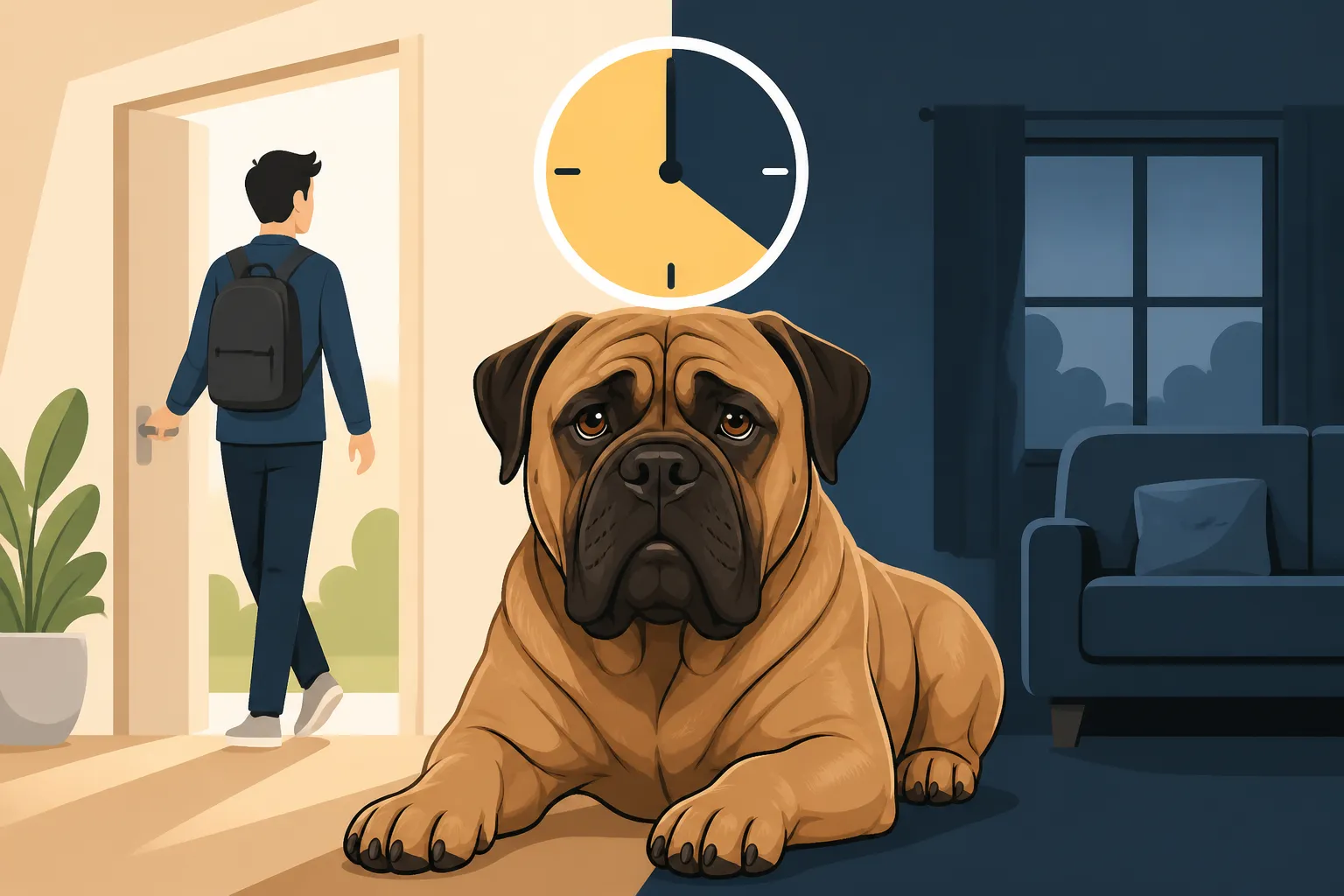
How Many Hours a Bullmastiff Can Be Left
It's a common dilemma for Bullmastiff owners, isn't it? You adore your big, gentle guardian, but life calls, and sometimes you have to leave them alone. The worry gnaws at you: how long is too long? Will they be okay? Will they get bored, anxious, or even destructive? Knowing the right amount of solo time for your Bullmastiff is crucial for their well-being and your peace of mind. This guide will help you navigate the complexities of leaving your Bullmastiff home alone, offering practical advice for every stage of their life.
The Puppy Predicament: Setting the Stage for Alone Time
Bringing home a Bullmastiff puppy is an exciting time, but it also means a significant commitment, especially when it comes to leaving them alone. Unlike an adult dog, a young Bullmastiff has very specific needs that limit their ability to be by themselves for extended periods. Understanding these limitations is the first step in responsible ownership.
Bladder Control and Developmental Needs
Imagine being tiny with a bladder the size of a thimble, combined with limited control over when you need to "go." That's essentially a Bullmastiff puppy! Their small bladders and undeveloped sphincter muscles mean frequent potty breaks are non-negotiable. Trying to force them to hold it for too long isn't just uncomfortable; it can lead to accidents indoors, setting back your house-training efforts significantly. A good rule of thumb often cited is that a puppy can hold their bladder for approximately one hour per month of age. So, a three-month-old puppy might manage three hours, but even that can be pushing it depending on their individual development.
Beyond the physical, there's a huge developmental aspect. Puppyhood is a critical period for socialization and learning. When left alone for prolonged periods, especially without proper enrichment or interaction, a puppy can miss out on crucial learning experiences. They might become overly dependent, developing separation anxiety later on, or simply not learn how to self-entertain in a healthy way. This isn't just about potty training; it's about shaping a well-adjusted adult dog. For a deep dive into what to expect during this formative period, you might find our article The First Year With a Bullmastiff Puppy incredibly helpful.
Crate Training for Solo Success
Crate training isn't just about keeping your puppy from chewing on your furniture – although that's certainly a huge benefit! For a Bullmastiff, a properly introduced and used crate becomes their safe, personal den. It's a secure space where they can feel protected and where they're less likely to get into trouble. When you're teaching your Bullmastiff puppy to be alone, the crate is an invaluable tool. It provides a structured environment for short periods of solitude, helping them learn that being by themselves isn't something to fear.
The key to successful crate training, and thus successful solo time, is gradual introduction. Never use the crate as punishment. Instead, make it a positive experience, filled with comfy bedding, a favorite toy, or a long-lasting chew. Start with very short periods, even just a few minutes, while you're still in the room. Slowly increase the time, working up to leaving the room, then the house, for short durations. Repetition and positive reinforcement are your best friends here. Many online resources, like those offered by BAXTER & Bella, provide structured puppy training programs that include guidance on making crate time a positive experience, which is particularly beneficial for large breeds that mature slowly and require consistent training.
Adult Bullmastiffs: Finding the Sweet Spot for Independence
Once your Bullmastiff puppy has grown into a magnificent adult, their needs shift. They have better bladder control, their personality is more developed, and they generally require less intensive supervision. However, "adult" doesn't mean "can be left indefinitely." Finding that sweet spot for their independence is crucial to prevent boredom, anxiety, and unwanted behaviors.
Typical Tolerance Levels for Adult Dogs
Most healthy adult dogs can typically manage to be left alone for about 4-6 hours without issue, provided they've had adequate exercise and a potty break beforehand. Bullmastiffs, known for their calm and somewhat "couch potato" demeanor, often appear content to sleep through much of this time. They're not generally a breed that needs to be constantly on the go, which can be an advantage for owners who work. However, this doesn't mean they don't need mental stimulation and human interaction. A Bullmastiff might tolerate 6-8 hours on an occasional basis, but making this a daily routine can lead to problems.
Every Bullmastiff is an individual, of course. Some might be more independent by nature, happily napping the day away, while others can be quite clingy and prone to separation distress. The key is to observe your dog. Do they greet you calmly or are they frantic? Is there evidence of destructive behavior or accidents when you return? A long, brisk walk or a good play session before you leave can make a world of difference, helping them expend energy and settle down for a good nap while you're gone. It's not just about physical activity, but mental too; even a short training session before you head out can tire them out mentally. To learn more about tailoring their activity, check out How Much Exercise a Bullmastiff Needs.
The Risks of Extended Solitude
Leaving an adult Bullmastiff alone for too long, especially on a regular basis, comes with a significant set of risks. These aren't just minor inconveniences; they can seriously impact your dog's health, happiness, and your relationship with them.
One of the most immediate concerns is boredom, which can quickly escalate into destructive chewing. A Bullmastiff's powerful jaws are capable of incredible damage if they decide to relieve their boredom by redecorating your home. This might manifest as chewed furniture, shredded carpets, or even gnawing on doorframes. If you've ever wondered What a Bored Bullmastiff Destroys, trust me, it can be extensive and costly. This isn't out of malice, but pure frustration and a need to occupy their minds.
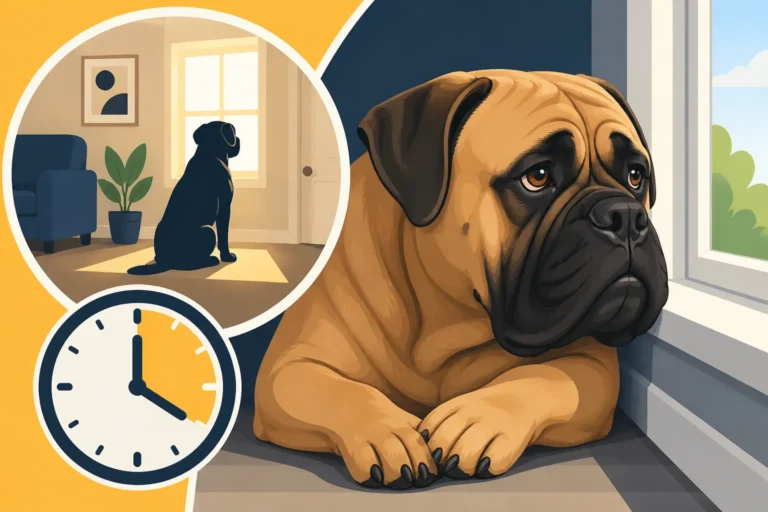
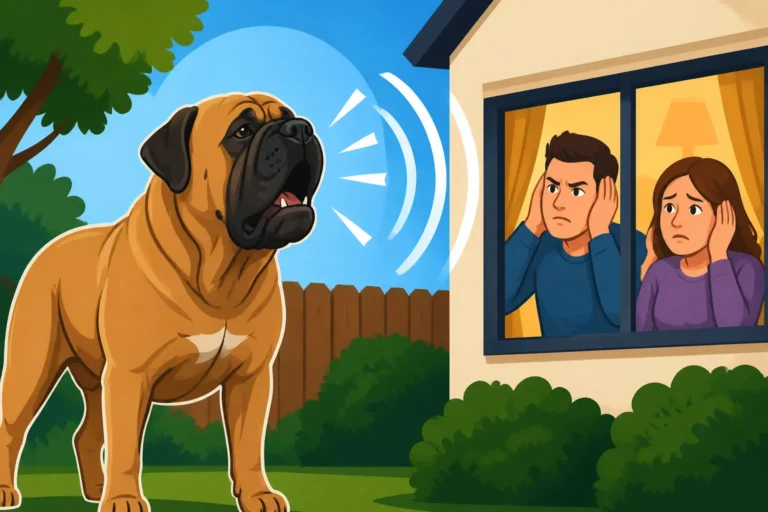
Beyond destruction, extended solitude often paves the way for separation anxiety. Bullmastiffs are devoted companions, and some are particularly sensitive to being left alone. Symptoms can range from mild distress to severe panic attacks, manifesting as excessive barking or howling, house soiling even if house-trained, pacing, drooling, or attempts to escape. It's heartbreaking to realize your loyal friend is suffering while you're away. Understanding Signs a Bullmastiff Is Anxious Alone is critical for early intervention. Moreover, simply needing to relieve themselves for too long can cause physical discomfort and stress, potentially leading to urinary tract issues or other health problems down the line.
Managing Longer Periods: Strategies for Bullmastiff Owners
Sometimes, life dictates that your Bullmastiff needs to be left alone for longer stretches than ideal. Whether it's a long workday, an unexpected appointment, or a special event, having strategies in place can mitigate the risks and ensure your Bullmastiff remains comfortable and content.
Enrichment and Environment
Creating a stimulating and comfortable environment is paramount when your Bullmastiff is home alone. Think of it as dog-proofing their day. Long-lasting puzzle toys or chew toys are fantastic for mental and physical engagement. These can be stuffed with peanut butter, yogurt, or their regular kibble, providing a challenge that keeps them occupied for a good chunk of time. Brands like Kong offer durable options perfect for a Bullmastiff's strong jaws. Many excellent choices are available on Amazon, often with reviews from other large-breed owners.
Beyond toys, consider the general environment. Providing a comfortable, orthopedic bed is essential for a heavy breed like a Bullmastiff, protecting their joints and offering a soft place to rest. Our article Which Bed a Bullmastiff Needs offers specific recommendations. Ensure they have access to fresh water, especially if you're gone for several hours. Leaving a radio or TV on low can provide background noise that mimics human presence, which can be reassuring for some dogs. You might also consider leaving an item of your worn clothing (like a t-shirt) with your scent on it; this can be surprisingly comforting to an anxious dog.
Utilizing Support Systems
When your schedule absolutely demands a longer absence, don't hesitate to lean on support systems. You don't have to tackle this alone.
- Dog Walkers or Pet Sitters: Hiring a professional dog walker to come in midday is an excellent solution. They can take your Bullmastiff out for a potty break, a short walk, and provide some much-needed human interaction and mental stimulation. For a dog that might not need extensive exercise but thrives on companionship, a pet sitter who spends an hour or two with them can make all the difference. Always ensure anyone you hire is experienced with large breeds like Bullmastiffs and is properly insured and bonded.
- Trusted Friends or Family: If you have reliable friends, family, or neighbors who love dogs, they might be willing to help out occasionally. A quick drop-in for a potty break and some cuddles can break up a long day for your Bullmastiff.
- Doggy Daycare: While some Bullmastiffs thrive in doggy daycare, it's not for every dog. Due to their guarding instincts and potential for same-sex aggression, a Bullmastiff needs careful placement in a daycare setting. If you consider this option, look for a facility with experienced staff, small play groups, and strict temperament testing. A good daycare will understand the nuances of a Bullmastiff's temperament and ensure they are placed with appropriate playmates, or even get dedicated solo time with staff.
The Golden Years: Considerations for Senior Bullmastiffs
As your Bullmastiff enters their golden years (typically around six years old, though it varies), their needs will change once again, often mirroring some of the demands of puppyhood when it comes to being left alone. Ignoring these changes can lead to discomfort and stress for your aging companion.
Increased Needs and Decreased Bladder Control
Just like human seniors, older Bullmastiffs may experience changes in their physical capabilities. Their bladder control can diminish due to aging muscles, kidney function changes, or certain medications they might be on for conditions like arthritis. This means they often need to relieve themselves more frequently than they did in their prime adult years. Expecting a senior Bullmastiff to hold it for 6-8 hours daily is often unrealistic and can lead to accidents, embarrassment, and discomfort for your dog.
Mobility issues also become more prevalent. An aging Bullmastiff might struggle with getting up and down, navigating stairs, or moving around as easily as they once did. Our article Why an Aging Bullmastiff Struggles to Rise delves into these challenges. If they're alone for too long, they might find it difficult to get to their water bowl, or struggle to adjust their position comfortably. Ensuring they have easily accessible water, soft bedding, and fewer obstacles in their designated space is crucial. Their tolerance for a full day alone will likely decrease significantly, and owners should plan for shorter periods or more frequent check-ins.
Cognitive Changes and Comfort
Aging can also bring about cognitive changes in Bullmastiffs, similar to canine cognitive dysfunction. They might become more anxious, disoriented, or prone to pacing and vocalizing when left alone. Familiar routines become even more important, and sudden changes can be particularly distressing. If your senior Bullmastiff seems to be struggling with being alone even for shorter periods, it's worth discussing with your veterinarian. They might suggest dietary supplements, medications, or environmental adjustments to help manage cognitive decline.
Comfort is key for a senior Bullmastiff. A quiet, familiar space free from sudden loud noises is ideal. Ensure their bed is truly supportive and easy for them to get into and out of. As their sight or hearing might start to fade, having a consistent routine and layout helps reduce anxiety. Providing familiar scents and sounds, as mentioned for adult dogs, can be even more important for seniors who might find changes unsettling. Their emotional well-being relies heavily on feeling secure and loved, even when you're not physically present.
What's a Realistic Timeframe for Leaving Your Bullmastiff Alone?
So, after all this, what's the verdict? How many hours can your Bullmastiff truly be left alone? The answer, as you've probably gathered, isn't a single number but rather a range that depends heavily on your dog's age, training, temperament, and the environment you provide.
Here's a general guideline, but always remember to adjust based on your individual Bullmastiff's needs and observations:
| Age Group | Recommended Maximum Alone Time | Key Considerations |
|---|---|---|
| Puppy (8-16 weeks) | 1-2 hours | Frequent potty breaks are critical; short, positive crate sessions. |
| Puppy (4-6 months) | 3-4 hours | Developing bladder control; continued training and enrichment. |
| Adult (6 months – 6 years) | 4-6 hours (up to 8 occasionally) | Exercise before leaving; mental stimulation; individual temperament varies. |
| Senior (7+ years) | 2-4 hours (or less) | Increased potty needs; potential mobility/cognitive issues; comfort is key. |
For a Bullmastiff, being left alone isn't just about physical capacity but emotional well-being. This breed thrives on companionship and routine. While they are often described as low-energy couch potatoes, this doesn't mean they can be ignored for excessively long periods. A Bullmastiff often prefers to be near their human, even if just napping in the same room.
If you are a full-time worker, it's absolutely essential to implement strategies like dog walkers, consistent exercise routines, and mental enrichment to ensure your Bullmastiff isn't suffering from loneliness or boredom. Ignoring their needs can lead to behavioral problems that are far more challenging to resolve than simply adjusting your schedule or investing in support. It's a question many ask, Whether a Bullmastiff Suits a Full Time Worker, and the answer lies in your dedication to providing adequate care even when you're away.
Ultimately, the goal is to set your Bullmastiff up for success. By understanding their needs at each life stage and proactively managing their alone time with thoughtful preparation and support, you can ensure they remain a happy, well-adjusted, and cherished member of your family.
Disclaimer
This article is for general informational purposes only and does not constitute professional advice. Laws, prices and regulations vary by location and change over time. Consult a qualified professional for guidance on your specific situation.