Whether a Bullmastiff Grows Bolder at Two
It's a common misconception, isn't it? You get through the adorable, albeit exhausting, puppy phase with your Bullmastiff, endure the wild, boundary-testing adolescence, and you start to breathe a sigh of relief around their first birthday. Surely, by two years old, they're practically an adult, right? You expect them to be a settled, calm presence. The reality for many Bullmastiff owners, however, is that two years old can bring an unexpected surge of confidence and, yes, often a bolder personality that can feel like a step backward if you're not prepared. This guide will help you understand and navigate this crucial developmental stage, turning those "terrible twos" into terrific triumphs.
Understanding Bullmastiff Maturity: It's Not a Straight Line
The journey to adulthood for a Bullmastiff is definitely not a straight path, and it certainly doesn't end with their first year. While they may look like fully grown, imposing adults, their mental and emotional development often lags behind their physical size. This can be a source of frustration and confusion for owners who expect a more mature demeanor from their large, seemingly adult dog.
The "Puppy Brain" Lingers Longer Than You Think
It's so easy to look at a 120-pound Bullmastiff, standing tall and strong, and assume they must have the mental maturity to match their impressive physique. But that's where many of us get it wrong. Their bodies grow at an incredible rate in those first two years, but their brains? Not so much. Mentally, your Bullmastiff can still be very much a puppy, especially when it comes to impulse control, problem-solving, and emotional regulation. They might still get overly excited, have brief attention spans, or make seemingly illogical decisions that a truly mature dog wouldn't. This can be particularly jarring if you have experience with other breeds that mature more quickly.
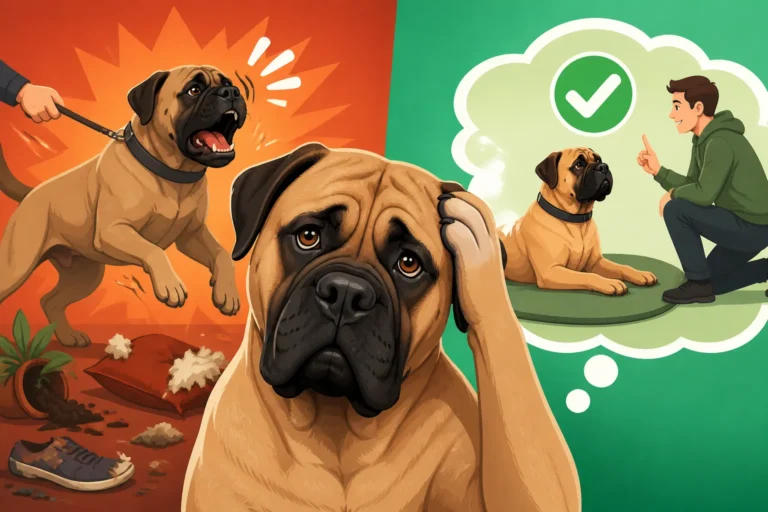
This extended period of mental immaturity means that while they might have mastered "sit" and "stay" as commands, applying those commands consistently in novel or distracting situations can still be a challenge. They might look at you with that thoughtful, almost defiant Bullmastiff stare, as if contemplating whether your request is truly worth their effort at that moment. This isn't necessarily defiance; it's often the lingering "puppy brain" trying to process and decide. Expecting the emotional resilience of a four-year-old dog from a two-year-old Bullmastiff can lead to a lot of unwarranted disappointment and exasperation. Patience, as always with this breed, is a virtue.
Adolescence, Round Two: The "Terrific Twos"
Just when you thought you were done with puppy shenanigans, many Bullmastiffs hit a second, often more challenging, wave of adolescence around two years of age. I like to call this the "Terrific Twos" – because while they can be trying, navigating them successfully leads to a truly terrific adult dog. This phase often manifests as a renewed testing of boundaries, a surge of confidence that can border on stubbornness, and sometimes an unexpected boldness that wasn't there before. The shy puppy who used to hide behind your legs might suddenly feel it's their job to scrutinize every visitor or passerby.
This isn't regression, but rather a solidification of their personality and a growing awareness of their place in the world. They're trying on their adult persona, seeing how far they can push limits, and assessing what they can get away with. It's crucial not to mistake this newfound boldness for genuine aggression or ill intent, though it requires careful management. Instead, view it as a critical period where their inherent guarding instincts, which are part of the breed's historical purpose, become more pronounced. Owners often report that their two-year-old Bullmastiff suddenly becomes more vocal, more territorial, or simply more "opinionated" than they were even six months prior. This is a common part of their development, reminding us that A Bullmastiff Is Not Grown Up Until Three.
Manifestations of Growing Bolder at Two
When a Bullmastiff "grows bolder" at two, it's not usually a dramatic overnight transformation, but rather a gradual increase in certain behaviors that stem from their maturing confidence and instinct. These changes can be subtle at first, then become more pronounced, impacting everything from how they greet guests to how they interact with other dogs on walks.
Increased Confidence in Their Role
One of the most noticeable ways a Bullmastiff shows increased boldness at two is through a more defined sense of their "role" within the family and home. This often translates into more pronounced guarding behaviors. They might become more vigilant at windows, standing sentinel or offering a low growl at perceived threats outside. When guests arrive, where a younger Bullmastiff might have been excitable or perhaps a bit wary, a two-year-old might display a more deliberate, watchful approach. They might stand between you and the visitor, subtly leaning on you or How a Bullmastiff Body Blocks a Stranger, giving a clear, silent message of protection.
This isn't necessarily aggressive, but it certainly commands respect. They're no longer just passively observing; they're actively assessing the situation and deciding if this new person meets their approval. You might notice them being less tolerant of exuberant greetings from strangers or other dogs, preferring a more structured and calm introduction. For some Bullmastiffs, this translates to a more reserved or even aloof nature with people they don't know well, choosing to observe rather than engage immediately. It's a natural evolution of their protective instincts, highlighting How a Bullmastiff Greets a Stranger.
Boundary Pushing and "Selective Hearing"
Another classic sign of the "bolder at two" phase is the return of boundary pushing, sometimes frustratingly disguised as "selective hearing." Just when you thought your Bullmastiff had mastered recall or leash manners, you might find them suddenly "forgetting" commands they once knew perfectly. That solid "stay" might now require a second, more assertive cue, or they might try to sneak onto the forbidden sofa more often. This isn't usually because they've forgotten the command, but because they're testing the waters. They're asking, "Are you really going to make me do that? What happens if I don't?"
This behavior is particularly common if there's been any inconsistency in training or if they've found loopholes in the past. Your Bullmastiff, with their keen intelligence and inherent stubborn streak, is simply exploring the limits of their freedom. It’s a normal part of their developmental process as they solidify their understanding of the world and their place in it. For many Bullmastiff owners, this period can feel like a direct challenge to their authority. It's vital during this time to double down on consistency and clear expectations, as their growing confidence means they are more likely to push boundaries if given an inch. This is a common phase where Why a Bullmastiff Ignores a Cue It Knows becomes painfully clear to owners.
Social Dynamics with Other Dogs
The social landscape with other dogs can also shift dramatically as a Bullmastiff approaches two. While many Bullmastiffs are well-socialized and friendly with other dogs as puppies, this increased boldness can sometimes manifest as a decrease in tolerance for unfamiliar canines, particularly those of the same sex. Male Bullmastiffs, especially, might start to exhibit Same Sex Aggression in Bullmastiffs, becoming less willing to tolerate challenges or perceived rudeness from other intact males. Even spayed or neutered dogs can show a greater assertiveness.
This isn't to say every Bullmastiff will become aggressive, but their confidence often means they are less likely to back down from a confrontational situation. Play styles might become more boisterous, or they might become more selective about their playmates. Owners might notice their Bullmastiff becoming less tolerant of pushy or overly playful dogs at the dog park, choosing instead to stand their ground or simply ignore them. It's crucial during this period to carefully manage their interactions, focusing on quality over quantity. Understanding How Two Male Bullmastiffs Get Along can be particularly important if you have a multi-dog household or frequently visit dog parks. Observing and intervening before situations escalate is key to ensuring positive experiences and preventing negative habits from forming.
Navigating the Bolder Phase: Strategies for Owners
Dealing with a Bullmastiff who is "bolder at two" requires a thoughtful and consistent approach. It’s not about stifling their confidence, but about channeling it positively and ensuring they understand their place in the hierarchy, both within your home and in the wider world. This period is a critical window for reinforcing good habits and preventing problem behaviors from taking root.
Doubling Down on Consistent Training and Leadership
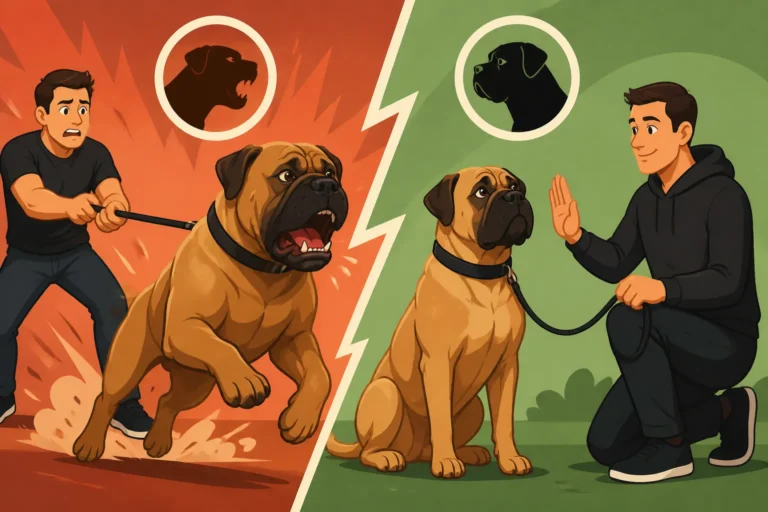
The most important strategy during this phase is to rededicate yourself to consistent training and to reaffirm your role as the calm, confident leader your Bullmastiff needs. Even if they've been through puppy classes, consider enrolling in an advanced obedience course or a specialized class like Canine Good Citizen. These structured environments not only reinforce basic commands but also provide mental stimulation and opportunities to practice impulse control under distraction. Remember, consistency is king. If you let them get away with something once, they'll test that boundary again and again.
Every interaction is a training opportunity. Reward good behavior immediately and lavishly. For example, if your Bullmastiff chooses to lie down calmly when a delivery driver approaches instead of rushing the door, praise them and offer a high-value treat. If they start pulling on the leash, immediately stop walking until the leash loosens. Tools like a sturdy flat collar or a properly fitted harness, readily available on platforms like Amazon, can aid in managing their strength on walks. If you're feeling overwhelmed, a professional dog trainer specializing in large breeds can offer invaluable personalized guidance. Online resources, such as those offered by BAXTER & Bella, can also provide structured training programs and support that you can follow from home, ensuring you're addressing specific challenges with expert advice.
Continued Socialization with Structure
Just because your Bullmastiff is bolder doesn't mean you should stop socializing them. In fact, it becomes even more important, but with a critical caveat: it must be structured and positive. Gone are the days of free-for-all puppy playdates where anything goes. Now, you're curating experiences that build their confidence without encouraging pushiness or aggression. Focus on one-on-one playdates with well-matched, stable dogs you trust, ensuring the play remains appropriate.
Supervised outings to quiet parks or pet-friendly stores can expose them to new sights, sounds, and smells without the pressure of direct interaction. Always keep your Bullmastiff on a strong leash and be prepared to advocate for them if another dog approaches rudely. Pay close attention to their body language. A stiff posture, hard stare, or raised hackles are signs that they're uncomfortable or considering a challenge. Intervene before a situation escalates, calmly removing your Bullmastiff or redirecting their attention. The goal is to show them that you've got everything under control, reinforcing their trust in your leadership and teaching them appropriate social responses.
Managing the Environment for Success
Preventative environmental management is a powerful tool in navigating this bolder phase. For example, if your Bullmastiff is becoming more territorial around windows, consider limiting access during high-traffic times or using window film to obscure their view. A sturdy, secure fence is non-negotiable for this breed, especially as their protective instincts mature. Make sure your What Fencing High Enough for a Bullmastiff Costs is robust enough to prevent escapes and discourage challenges from outside. On walks, use a sturdy leash and a comfortable, well-fitting harness or collar to maintain control. Teaching your Bullmastiff to Teaching a Bullmastiff to Walk on Leash politely is not just about manners, it's about safety for both of you.
Beyond physical management, ensure your Bullmastiff is receiving ample mental stimulation. A bored Bullmastiff can quickly become a destructive Bullmastiff, and their growing confidence might mean they're bolder in their destructive endeavors. Puzzle toys, snuffle mats, training sessions, and even just novel walks can keep their intelligent minds engaged. Providing them with appropriate chew toys, which you can find a wide variety of on Amazon, can also redirect their chewing instincts away from your furniture. Remember that What a Bullmastiff Does to Furniture when bored is often a reflection of untapped energy or mental needs. A tired Bullmastiff, both physically and mentally, is a good Bullmastiff.
Long-Term Outlook: The Reward of Patience
It's easy to feel disheartened when your two-year-old Bullmastiff seems to be pushing boundaries or acting out. You might wonder if you've done something wrong or if they'll ever truly "grow up." But rest assured, this phase is a normal, albeit sometimes challenging, part of their development. Your consistent efforts now will lay the groundwork for a truly magnificent adult dog.
The Three-Year Mark: The True Arrival of Adulthood
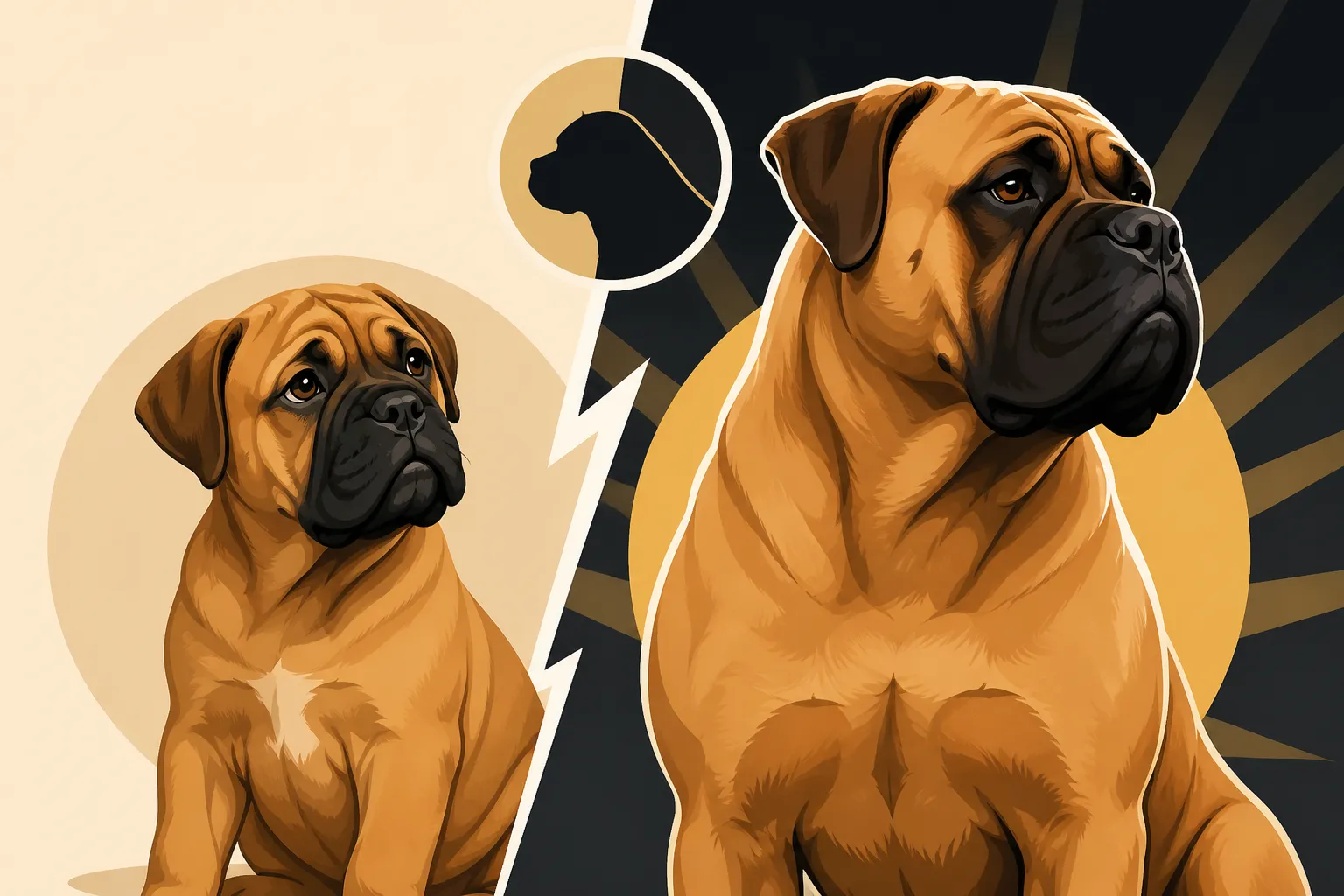
While two years old marks a significant developmental stage, it's really around the three-year mark that many Bullmastiffs truly settle into their adult personalities. This is when their mental and emotional maturity finally starts to catch up with their physical size. You'll likely notice a marked decrease in the boundary-testing, a more consistent application of their training, and a calm, confident demeanor that embodies the best of the Bullmastiff breed. They become less impulsive, more thoughtful in their actions, and generally more reliable.
At this stage, the guarding instincts that emerged as boldness at two will often refine into a more discerning protectiveness. They'll still be vigilant and aware, but less reactive, trusting your judgment more readily. The "slow to obey" trait that makes Why a Bullmastiff Pauses Before Obeying so endearing (and frustrating) often becomes a thoughtful deliberation rather than a challenge. This mature Bullmastiff is truly a pleasure to live with – a steadfast, loyal companion whose early challenges are a distant memory. It truly drives home the point that When a Bullmastiff Finally Settles Down is often later than you might expect for other breeds.
Building a Lifelong Partnership
Navigating the "bolder at two" phase is an investment in a lifelong partnership with your Bullmastiff. It's a testament to your commitment, patience, and understanding of their unique developmental timeline. While it can be frustrating in the moment, remember that every successful negotiation of a boundary, every calm interaction, and every consistent training session builds the foundation of trust and respect that defines the Bullmastiff-owner bond.
By providing clear leadership, consistent training, and carefully managed socialization, you're not just getting through a difficult stage; you're actively shaping a well-adjusted, confident, and devoted companion. The reward for your efforts is a magnificent, loyal, and steady presence in your life for many years to come. Your Bullmastiff might challenge you at two, but with the right approach, they'll emerge as an even more incredible companion by three.
| Behavior Trait | Puppy (Under 1 Year) | Adolescent (Around 2 Years Old) | Mature Adult (3+ Years) |
|---|---|---|---|
| Confidence Level | Developing, can be shy or overly exuberant | Increased; may lead to bolder, sometimes pushy behavior | Self-assured, discerning, calm and steady |
| Guarding Instincts | Present but unrefined; may bark or hide | More pronounced, vigilant, territorial; testing limits | Refined, observant, protective but less reactive |
| Training Response | Eager to learn, easily distracted, short attention | Testing boundaries, "selective hearing," stubbornness | Consistent, reliable, thoughtful deliberation |
| Social with Dogs | Often playful with most dogs, sometimes awkward | Can be less tolerant of rudeness, more assertive | Generally stable, may be selective with playmates |
| Impulse Control | Low, easily overstimulated | Improving but still prone to bursts of energy/ideas | High, calm and collected in most situations |
| Physical Activity | High energy, needs frequent outlets | Still energetic, but more purposeful in movement | Moderate, enjoys walks but also long naps |
| Emotional State | Easily excitable, can be anxious or overly happy | Confident, opinionated, sometimes challenging | Calm, stable, devoted, rarely flustered |
Disclaimer
This article is for general informational purposes only and does not constitute professional advice. Laws, prices and regulations vary by location and change over time. Consult a qualified professional for guidance on your specific situation.