How Two Male Bullmastiffs Get Along
Bringing two male Bullmastiffs into the same home, or even adding a second male to an existing one, is a decision that often comes with a mix of hopeful anticipation and a very real undercurrent of worry. You dream of two big, gentle giants napping peacefully together, but the reality is that same-sex aggression, particularly between two intact males, can be a serious and heartbreaking challenge. This guide will walk you through the inherent nature of male Bullmastiffs, the potential pitfalls of cohabitation, and practical strategies to help your boys not just tolerate, but ideally thrive, alongside each other, or recognize when it’s simply not a safe or sustainable arrangement.
Understanding the Bullmastiff Male Psyche
Before you even consider bringing two male Bullmastiffs under one roof, it’s crucial to understand the very essence of what makes a male Bullmastiff tick. These aren't your average Golden Retrievers or Labradors when it comes to social dynamics with other males. They are powerful, opinionated, and often possess a strong sense of self and territory, all stemming from their historical purpose.
The Role of Breed History in Male Temperament
Bullmastiffs were originally bred as "Gamekeepers' Night Dogs" in England. Their job was to catch and hold poachers silently, without mauling them. This required immense physical strength, undeniable courage, and a calm, confident demeanor. They needed to be able to assess a situation, act decisively, and then wait for their handler. This lineage instills a natural authority and confidence that, when coupled with another male of similar stature and drive, can sometimes manifest as a challenge to dominance or resources. They weren't bred to be inherently dog-aggressive, but they were bred to be assertive and to evaluate threats. When another large, powerful male enters their perceived domain, that instinct to evaluate and assert can kick in. This is why understanding A Bullmastiff Was Bred to Hold a Man, Not Bite Him is so important, as it highlights their controlled, purposeful nature that can be misdirected towards another dog if not managed.
Assertiveness, Dominance, and Resource Guarding
Male Bullmastiffs often exhibit a strong sense of personal space and a desire to be the "top dog" within their immediate social structure. This isn't always about outright aggression, but subtle displays of dominance can easily escalate. It might start with a prolonged stare, a stiff posture, or a pushy body block. If both males are similarly inclined, neither may back down, leading to a dangerous confrontation.
Resource guarding is another significant factor. This can include food, water bowls, favorite sleeping spots, toys, or even your attention. Imagine a situation where one Bullmastiff is enjoying a chew toy, and the other decides he wants it. What might be a minor squabble between smaller breeds can quickly become a serious fight with two animals weighing over a hundred pounds each. These aren't dogs that easily forget a slight or a challenge, and grudges can fester, making future cohabitation precarious. Their deliberate nature, as explored in The Bullmastiff That Pauses to Decide Whether You Are Worth It, means they often think things through, and this can include assessing a rival male.
The Dynamics of Male-Male Aggression
When we talk about male-male aggression in Bullmastiffs, we're not just discussing a few growls or a quick snap. These can be serious, silent, and incredibly destructive fights that can result in significant injury to the dogs and, potentially, to any human attempting to intervene. It’s crucial to understand the nature of these conflicts.
What Same-Sex Aggression Looks Like
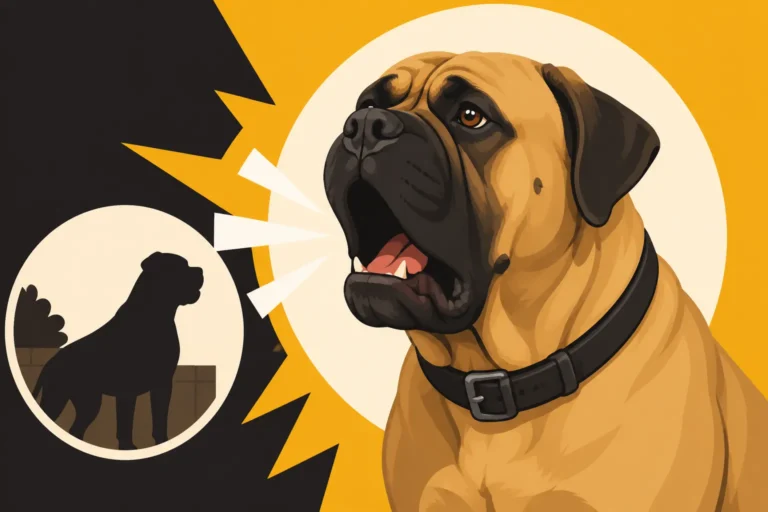
Same-sex aggression between male Bullmastiffs can range from subtle tension to explosive, injurious fights. Often, it begins with what seems like minor squabbles or escalating "disagreements." You might notice one dog freezing, staring intently at the other, or blocking access to a doorway. These are often precursors to more serious altercations. When a fight does break out, it can be terrifyingly fast and intense. Bullmastiffs are immensely powerful, and their fights can involve deep bites, shaking, and pinning. Unlike some other breeds, Bullmastiffs might fight with a quiet, determined intensity rather than a lot of noise. This makes it even more unsettling because you might not get the loud warning barks or frantic yelps you'd expect. The silence can be deafening, a testament to their working history, where Why a Bullmastiff Was Bred to Work Silently meant discretion in confronting poachers.
Intact vs. Neutered Males
The presence of male hormones (testosterone) can significantly exacerbate same-sex aggression. Intact males often have a higher drive to assert dominance and compete for resources, even in the absence of females. If you have two intact males, the risk of serious conflict is substantially higher. Hormones influence their perception of threat and their willingness to back down.
While neutering can sometimes reduce aggression, it's not a magic bullet. If aggression is already a deeply ingrained behavioral pattern or has a strong learning component, neutering may only slightly temper the intensity, or not at all. Furthermore, if you introduce a neutered male to an intact male, the intact male might still perceive the neutered one as a rival, or the neutered one might still retain learned aggressive behaviors. The age at which neutering occurs can also play a role, with early neutering sometimes impacting physical development and bone health, but not always resolving deeply rooted behavioral tendencies that emerged earlier. This is a complex area, and one where understanding Whether a Bullmastiff Fights Its Own Sex is paramount.
Triggers and Environmental Factors
Many factors can trigger aggression between male Bullmastiffs. These can include:
- Arrival of a new dog: The existing resident dog might feel his territory or status is threatened.
- Resource competition: Food, treats, toys, prime sleeping spots, even your affection.
- Limited space: Confined areas can increase tension.
- Excitement or arousal: High-energy situations, like greeting visitors or going for a walk, can spill over into conflict.
- Pain or illness: A dog in pain might be more irritable or react defensively.
- Owner intervention: Sometimes, trying to break up a minor squabble can accidentally escalate it, especially if one dog perceives the owner as "siding" with the other.
It's also worth noting that what might be a non-issue one day can become a trigger the next. Bullmastiffs are intelligent and observant; they notice changes in routine, new smells, or shifts in your attention. A subtle shift in body language from one dog might be interpreted as a challenge by the other, and a fight could erupt without obvious provocation to a human eye.
Strategies for Successful Multi-Male Households
Successfully managing two male Bullmastiffs together requires meticulous planning, consistent training, and often, a willingness to adjust your entire household dynamic. It's not a set-it-and-forget-it situation; it's an ongoing commitment to management and prevention.
Careful Introduction and Integration
If you're bringing a second male into the home, the introduction process is critical. It should be gradual, neutral, and always supervised.
- Neutral Territory First: Never introduce them directly in your home. Meet on neutral ground, like a park, where neither dog feels territorial. Keep both on leashes (but not tight, as this can create tension) and walk them parallel at a distance before allowing brief, controlled interactions.
- Short, Positive Interactions: Keep initial meetings short and positive. Look for relaxed body language, loose tails, and sniffing. Avoid prolonged staring or stiff postures. End on a good note before any tension builds.
- Separate Spaces at Home: When you first bring the new dog home, they should live in entirely separate spaces, ideally with a sturdy baby gate or two between them. This means separate feeding areas, separate sleeping areas, and even separate playtime. Crates, like those readily available on Amazon, can be invaluable for creating safe, individual zones. Gradually introduce them to shared spaces under strict supervision, perhaps alternating who has access to common areas.
- No Shared Resources: Absolutely no shared food bowls, water bowls (initially), toys, or beds. These are prime targets for resource guarding. Feed them in separate rooms, out of sight of each other.
- One-on-One Time: Ensure both dogs get plenty of individual attention, walks, and training sessions with you. This reinforces their bond with you and prevents jealousy. A platform like BAXTER & Bella can offer tailored training guidance for multi-dog households.
Consistent Training and Management
Managing two male Bullmastiffs requires not just training each dog individually but also training yourself in vigilant management.
- Obedience is Non-Negotiable: Both dogs must have a rock-solid foundation in obedience, especially cues like "stay," "leave it," and a reliable recall. You need to be able to interrupt unwanted behaviors or separate them instantly if needed. Training a Bullmastiff That Weighs More Than You Do is a key skill, as their sheer size demands impeccable control.
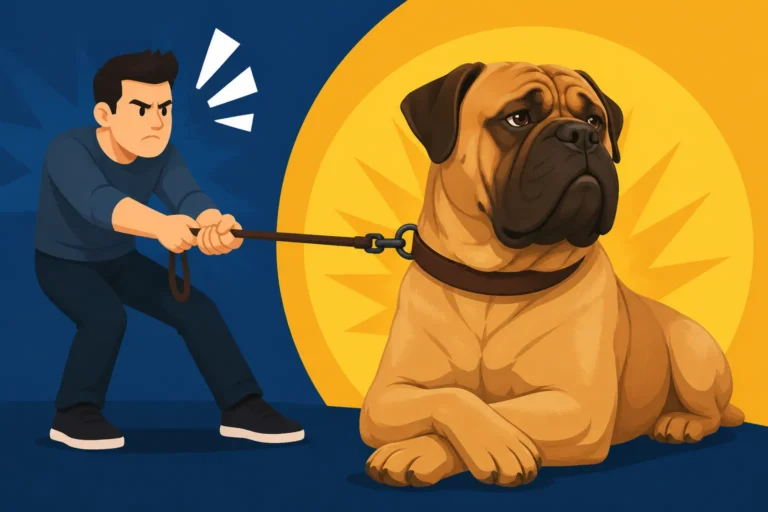
- Leash Manners: Walking two Bullmastiffs who are prone to tension requires strong leash skills from both dogs and handler. Use appropriate harnesses or head halters if necessary to maintain control. Avoid situations where they might feel pressured or challenged by other dogs while on a walk, as this can spill over into tension between them.
- Supervision is Key: Never, ever leave two male Bullmastiffs unsupervised, especially in the early stages or if there has been any history of conflict. Even a quick trip to the mailbox is an opportunity for a fight to erupt.
- Rotation Schedule: If full cohabitation is too risky, you might need a strict rotation schedule. One dog is out in the yard or with the family, while the other is crated or in a separate room. This can be exhausting, but it's often the safest option.
- "Nothing in Life is Free": Implement a "nothing in life is free" policy. Both dogs should work for everything – food, treats, attention, going outside. This establishes your leadership and reinforces that you control all resources, reducing their need to compete with each other.
Enrichment and Exercise
Adequate physical and mental stimulation can go a long way in reducing overall tension and boredom, which can be a trigger for conflict.
- Individual Exercise: Ensure both dogs get sufficient, individualized exercise. While Bullmastiffs don't need to run marathons, consistent walks and playtime are essential. How Much Exercise a Bullmastiff Needs is often less than people think, but it needs to be quality exercise.
- Mental Stimulation: Puzzle toys, scent work, and short training sessions can help tire their minds and provide an outlet for their intelligence. Toys from brands like KONG or even simple snuffle mats (found on Amazon) can engage them individually.
- Minimize Boredom: A bored Bullmastiff can become a stressed Bullmastiff, which increases the likelihood of conflict. Provide plenty of safe, appropriate chew toys and rotate them to keep interest high.
Here's a quick comparison of common management strategies:
| Strategy | Description | Pros | Cons |
|---|---|---|---|
| Full Separation | Dogs live in entirely separate areas, only interacting on controlled walks. | Highest safety; reduces stress for dogs and owner. | Time-consuming; limits interaction; requires ample space. |
| Strict Rotation | Dogs take turns having access to common areas and owner attention. | Allows dogs to be in the home; manages resource guarding. | Very time-consuming; requires vigilance; can be stressful. |
| Supervised Cohabitation | Dogs are together only when actively supervised by an attentive adult. | Allows for some interaction; potential for building tolerance. | High risk of fights; requires constant vigilance; mentally draining. |
| "Nothing in Life is Free" | Dogs must earn all resources (food, toys, attention) by performing commands. | Reinforces owner leadership; reduces dog-dog resource guarding. | Requires consistency; can be challenging to implement fully. |
When to Seek Professional Help and Re-evaluate
Despite your best efforts, sometimes two male Bullmastiffs simply cannot coexist safely or happily. It’s vital to recognize when professional intervention is needed, or when, for the well-being of all involved, a different solution is required.
Consulting a Qualified Professional
If you're experiencing any aggression, even minor squabbles, between your male Bullmastiffs, don't try to handle it alone. Seek help immediately from a qualified professional.
- Veterinary Check-up: First, rule out any underlying medical issues that could be causing pain or irritability. A dog in pain might react defensively.
- Certified Professional Dog Trainer (CPDT): A trainer specializing in aggression can help you identify triggers, implement management strategies, and work on behavioral modification for each dog. Look for someone with experience with large, powerful breeds like Bullmastiffs and same-sex aggression.
- Certified Dog Behaviorist (CDBC or CAAB): For more severe or deeply ingrained aggression, a behaviorist can provide a more in-depth assessment and develop a comprehensive behavior modification plan. They often work in conjunction with your vet and may recommend medication in some cases to help manage anxiety or reactivity, allowing behavioral training to be more effective. Resources like the American College of Veterinary Behaviorists or the International Association of Animal Behavior Consultants can help you find qualified professionals. Whether a Bullmastiff Needs a Professional Trainer is almost certainly a yes in this scenario.
Recognizing When It's Not Working
This is perhaps the hardest part: admitting that, despite your love and effort, your male Bullmastiffs are not happy or safe together. Living in constant tension is incredibly stressful for the dogs and for you. Signs it might not be working include:
- Frequent or Escalating Fights: If fights are happening regularly, becoming more severe, or occurring without clear triggers, the situation is unsustainable.
- Constant Vigilance Required: If you can never relax, always on edge, anticipating the next conflict, the quality of life for both you and your dogs is suffering.
- Chronic Stress in Dogs: Look for signs of chronic stress in one or both dogs: excessive shedding, pacing, hiding, loss of appetite, changes in personality, or subtle body language indicating discomfort when the other dog is around.
- Injury to Dogs or Humans: Any injury, no matter how minor, is a clear sign the situation is dangerous.
The goal isn't just to stop the fighting; it's to create a home where both dogs feel safe and secure. If you cannot achieve this, re-homing one of the dogs, perhaps through a reputable Bullmastiff rescue organization, might be the most humane choice. It's a heartbreaking decision, but sometimes it's the only one that truly puts the dogs' welfare first. It's about providing each dog with the best possible life, even if that life isn't shared with another male Bullmastiff. While it's tough to admit, sometimes a single Bullmastiff brings more peace and joy to a home than two in constant conflict, as discussed in Whether Two Bullmastiffs Is Twice the Dog.
Bringing two male Bullmastiffs together is a monumental undertaking, fraught with potential challenges due to their inherent nature and powerful build. It demands an owner who is knowledgeable, patient, consistent, and realistic about the risks involved. While it's certainly possible to have a harmonious multi-male Bullmastiff household, it requires ongoing dedication to training, management, and a deep understanding of canine behavior. Always prioritize safety and happiness for all members of your family, furry and human alike.
Disclaimer
This article is for general informational purposes only and does not constitute professional advice. Laws, prices and regulations vary by location and change over time. Consult a qualified professional for guidance on your specific situation.