When a Bullmastiff Finally Settles Down
If you're raising a Bullmastiff puppy or adolescent, you've probably asked yourself, often with a sigh of exasperation, "When on earth will this big goofball finally settle down?" It's a question whispered by many Bullmastiff owners, as these gentle giants often take their sweet time growing into the dignified adults we envision. This guide is here to walk you through the unique maturity timeline of a Bullmastiff, helping you understand what to expect and how to encourage that much-desired calm demeanor.
The Long Road to Bullmastiff Maturity
Let's be honest: Bullmastiffs aren't like some smaller breeds that seem to hit adulthood around their first birthday and then magically transform into perfectly composed companions. With a Bullmastiff, you're in it for the long haul when it comes to maturity, and understanding this extended development period is crucial for managing your expectations and maintaining your sanity. It's a journey, not a sprint, and patience is your most valuable tool.
Understanding Their Unique Development Timeline
One of the biggest misconceptions about large and giant breeds like the Bullmastiff is that they grow up faster because they get so big so quickly. In reality, it's quite the opposite. Their physical growth may be rapid, but their mental and emotional development lags behind. While a Jack Russell Terrier might be considered fully mature at 12-18 months, your Bullmastiff will still very much be in a puppy brain phase at that age, albeit one wrapped in a much larger, stronger body.
Think of it this way: their skeletal system, muscles, and organs are all working overtime to reach that impressive size, and their brains are busy processing a vast amount of information about the world. This takes time. Most Bullmastiffs aren't truly considered mentally mature until they are closer to two or even three years old. This means that for a good portion of their early life, you're dealing with the energy, curiosity, and occasional defiance of a puppy, but with the added challenge of immense strength and weight. It can be a real handful, especially when they're still learning their manners and don't quite grasp their own physical presence. It’s why topics like When a Bullmastiff Finishes Maturing are so important for new owners.
The Adolescent Rollercoaster: What to Expect from 1-3 Years Old
Ah, Bullmastiff adolescence – a period that can test even the most dedicated dog owner! This phase typically kicks in around 8-12 months and can extend well into their second or even third year. It's not unlike human teenagers; they're big, they have opinions, and sometimes they act like they've forgotten every single thing you've ever taught them.
During adolescence, you might see a resurgence of challenging behaviors that you thought you'd successfully trained away. This can include:
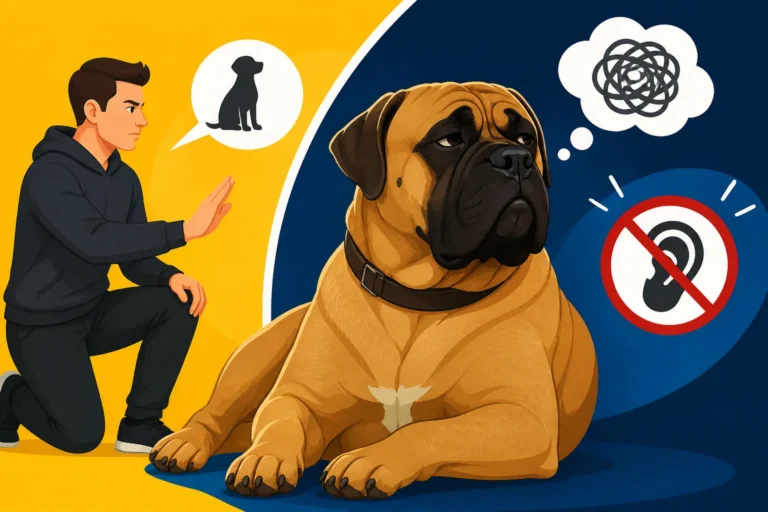
- Selective Hearing: Suddenly, their recall isn't quite as reliable, or they might "forget" commands they once knew perfectly. They're testing boundaries, much like a human teenager.
- Increased Energy and Destructive Chewing: While a younger puppy might chew out of teething discomfort, an adolescent Bullmastiff might chew out of boredom, frustration, or just because it feels good. Those massive jaws can do serious damage in a short amount of time if not properly channeled. Make sure you have plenty of durable chew toys, perhaps purchased from a reliable online retailer like Amazon, to keep them occupied.
- Pushing Boundaries with Other Dogs/People: They might become more confident, sometimes overly so, with new people or dogs. This isn't necessarily aggression, but a developing sense of self and a willingness to challenge. This is where early socialization and consistent training become non-negotiable, as an ill-mannered 120-pound dog is a serious liability.
- Growth Spurts and Awkwardness: Physically, they're still growing into their bodies. They might be clumsy, knocking things over with their tails or hips, not quite understanding how much space they occupy. This physical awkwardness can sometimes translate to bursts of uncoordinated energy.
This stage demands patience, consistency, and a sense of humor. What motivates a Bullmastiff during these trying times is often the same thing that motivates them as puppies: positive reinforcement and clear, consistent communication. You might find resources from training platforms like BAXTER & Bella incredibly helpful during this period, as they often offer structured approaches to managing adolescent behaviors.
Signs Your Bullmastiff Is Starting to "Settle"
After what can feel like an eternity, there will come a point when your Bullmastiff starts to show real signs of maturing and "settling down." It's not usually a sudden overnight transformation, but rather a gradual shift in their demeanor and habits. These changes are incredibly rewarding and make all the effort of their puppy and adolescent years feel entirely worth it.
Behavioral Shifts: Calmer Demeanor, Less Destructive, More Consistent
When your Bullmastiff is truly starting to settle, you'll notice a marked change in their day-to-day behavior. They become more predictable, more relaxed, and generally easier to live with.
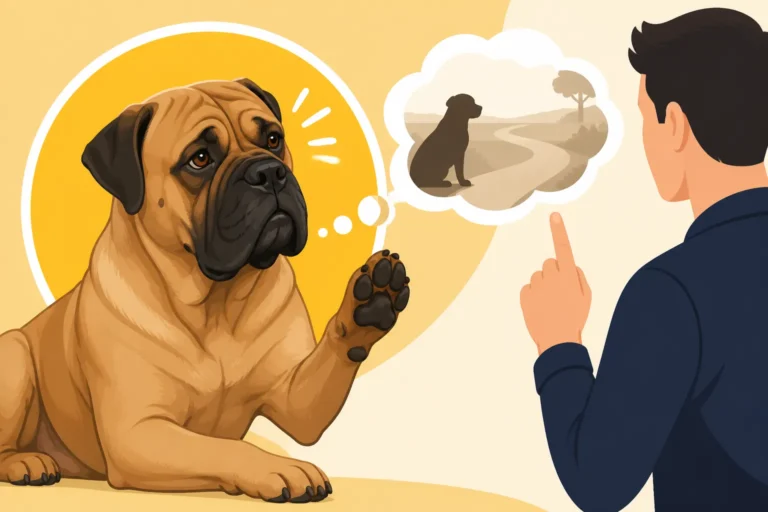
- Reduced Impulsivity: Instead of reacting immediately to every squirrel, doorbell, or passing stranger with a surge of energy, they might pause, observe, and then decide how to respond. Their "thinking brain" starts to take over from their "reacting brain." You’ll see them being more deliberate, which is a hallmark of the breed. Topics like Why a Bullmastiff Pauses Before Obeying delve deeper into this aspect of their personality.
- Less Destructive Tendencies: The frantic chewing of furniture or shoes often subsides. While they will always appreciate a good chew toy, the urgent need to destroy things around the house typically diminishes. This is partly due to mental maturity and partly due to consistent management and providing appropriate outlets earlier on.
- More Consistent Obedience: Those commands they seemed to forget during adolescence? They start sticking again. Their recall improves, their "stay" becomes more solid, and they generally become more reliable in listening to your cues. This isn't to say they'll be robots, but their willingness to cooperate and focus on you increases significantly.
- Increased Comfort with Downtime: One of the most welcome changes is their ability to simply be. They'll nap more readily, settle calmly at your feet while you work or watch TV, and be less restless indoors. They'll still enjoy their walks and playtime, but they won't demand constant entertainment in the same way. This calm presence is often what people envision when they dream of owning a Bullmastiff.
Physical Changes and Their Impact
While most of their major growth is done by 18-24 months, Bullmastiffs continue to fill out and mature physically even after they reach their full height. This physical maturity, often coupled with a slightly slowing metabolism, also plays a role in their overall energy levels.
- Muscle Development and Stabilization: By two or three years old, their muscles are fully developed, and their joints are mature. This means less of that gangly, awkward movement of adolescence. They move with more grace and power, and their physical activity becomes more efficient rather than purely energetic.
- Hormonal Regulation: If unaltered, their hormones will have settled into a more consistent pattern. If spayed or neutered, their body will have adjusted to those changes. These hormonal shifts can contribute to a more even temperament, reducing some of the drive and restlessness associated with sexual maturity.
- Weight and Body Condition: As they mature, maintaining a lean body condition becomes even more vital for their long-term health, particularly for their joints. A mature Bullmastiff that is kept at a healthy weight will often have more comfortable, sustained energy for walks and play, without the bursts of manic energy seen in younger, less self-regulated dogs. This is why discussions around Keeping a Bullmastiff Lean Is the Best Thing You Can Do are so crucial.
Strategies to Encourage Calmness (While You Wait!)
While you can't magically fast-forward your Bullmastiff's maturity timeline, you absolutely can implement strategies that encourage calmness and good behavior throughout their developmental stages. These aren't just stop-gap measures; they are foundational practices that help shape your Bullmastiff into the well-adjusted, settled adult you desire.
Consistent Training and Mental Stimulation
Training isn't just about teaching commands; it's about building a consistent routine, establishing clear communication, and providing mental outlets for your highly intelligent Bullmastiff. A tired mind is just as important as a tired body for a calm dog.
- Ongoing Obedience Training: Don't stop training once they know "sit" and "stay." Continue to practice commands in different environments, increase the duration of stays, and work on more advanced skills. This keeps their mind engaged and reinforces your leadership. Even a few minutes of training a day can make a huge difference. Consider an online program like those offered by BAXTER & Bella, which provide structured lessons and support that can be adapted to your Bullmastiff's unique learning pace. They offer a lifetime membership, making it a valuable long-term resource.
- Puzzle Toys and Interactive Games: Bullmastiffs enjoy problem-solving. Stuff Kongs with peanut butter or kibble and freeze them. Use snuffle mats for meal times. Introduce treat-dispensing puzzle toys, readily available on platforms like Amazon, that require them to figure out how to get their food. These activities provide mental enrichment and can keep them quietly occupied for significant periods.
- Scent Work and Enrichment Walks: Let your Bullmastiff use their nose! Hide treats around the house or yard and let them sniff them out. On walks, allow them time to thoroughly investigate interesting scents. This is incredibly stimulating and tiring for dogs, tapping into their natural instincts. A focused sniff session can be as tiring as a brisk walk.
Appropriate Exercise and Rest
It's a delicate balance with Bullmastiffs: they need exercise to stay healthy and burn off energy, but over-exercising them, especially as puppies, can be detrimental to their developing joints.
- Structured Exercise: Aim for consistent, moderate exercise. This might look like two shorter walks a day, perhaps 20-30 minutes each, plus some supervised playtime in a secure yard. Avoid high-impact activities like long-distance running or intense jumping, particularly before they are fully grown. How Much Exercise a Bullmastiff Needs is often less than what people assume for such a big dog.
- Dedicated Rest Times: Just like human toddlers, puppies and adolescents need a lot of sleep. Ensure your Bullmastiff has a comfortable, quiet space where they can truly relax and recharge without interruption. This might be a large crate or a dedicated bed in a low-traffic area. Teaching a Bullmastiff to have a "place" command where they go to their bed and stay can be immensely helpful for managing over-excitement indoors.
- Monitoring for Over-stimulation: Sometimes, a Bullmastiff that seems "hyper" is actually over-stimulated and needs a quiet break. Learn to recognize the signs – frantic pacing, excessive panting, inability to settle – and intervene by redirecting them to a calm activity or their resting spot.
Creating a Peaceful Environment
Your Bullmastiff's environment plays a huge role in their overall calmness. A chaotic, noisy, or inconsistent home can contribute to anxiety and restlessness.
- Predictable Routine: Dogs thrive on routine. Consistent feeding times, walk schedules, and bedtime routines help them understand what to expect, reducing anxiety and promoting a sense of security.
- Designated "Safe Spaces": Every Bullmastiff needs a place where they can retreat and feel secure. This could be a sturdy, appropriately sized crate with comfortable bedding. For a giant breed, you’ll need a giant crate, and a durable, orthopedic bed to support their large frame is essential. Many excellent options for these can be found on Amazon, often with reviews from other large dog owners. Ensure this space is never used for punishment.
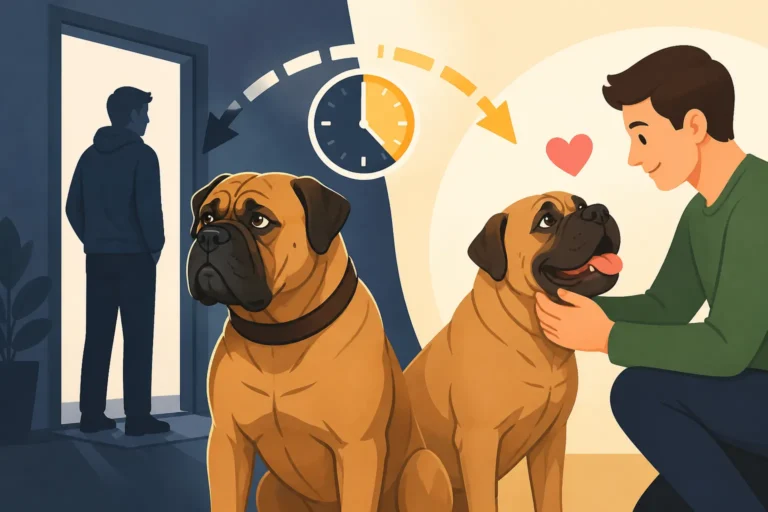
- Managing Excitement Triggers: Identify what makes your Bullmastiff overly excited and try to manage those triggers. For example, if guests arriving causes a frenzy, practice greeting visitors calmly on a leash, or have your Bullmastiff settle in their crate with a special chew toy before guests enter. Consistency in these scenarios is key to teaching them how to respond appropriately. You might find it helpful to read How a Bullmastiff Behaves at a Front Door for more insights on managing greetings.
Managing Expectations for a Lifetime of Companionship
Even a fully mature Bullmastiff isn't going to be a completely inert statue. They are still dogs, with individual personalities, needs, and occasional bursts of energy. The key is to manage your expectations and appreciate the unique, settled personality that finally emerges.
Not a Couch Potato Overnight: They'll Still Have Bursts of Energy
While a mature Bullmastiff will be significantly calmer than their adolescent self, they will still have moments of playfulness and energy. Don't expect them to become a permanent fixture on the sofa.
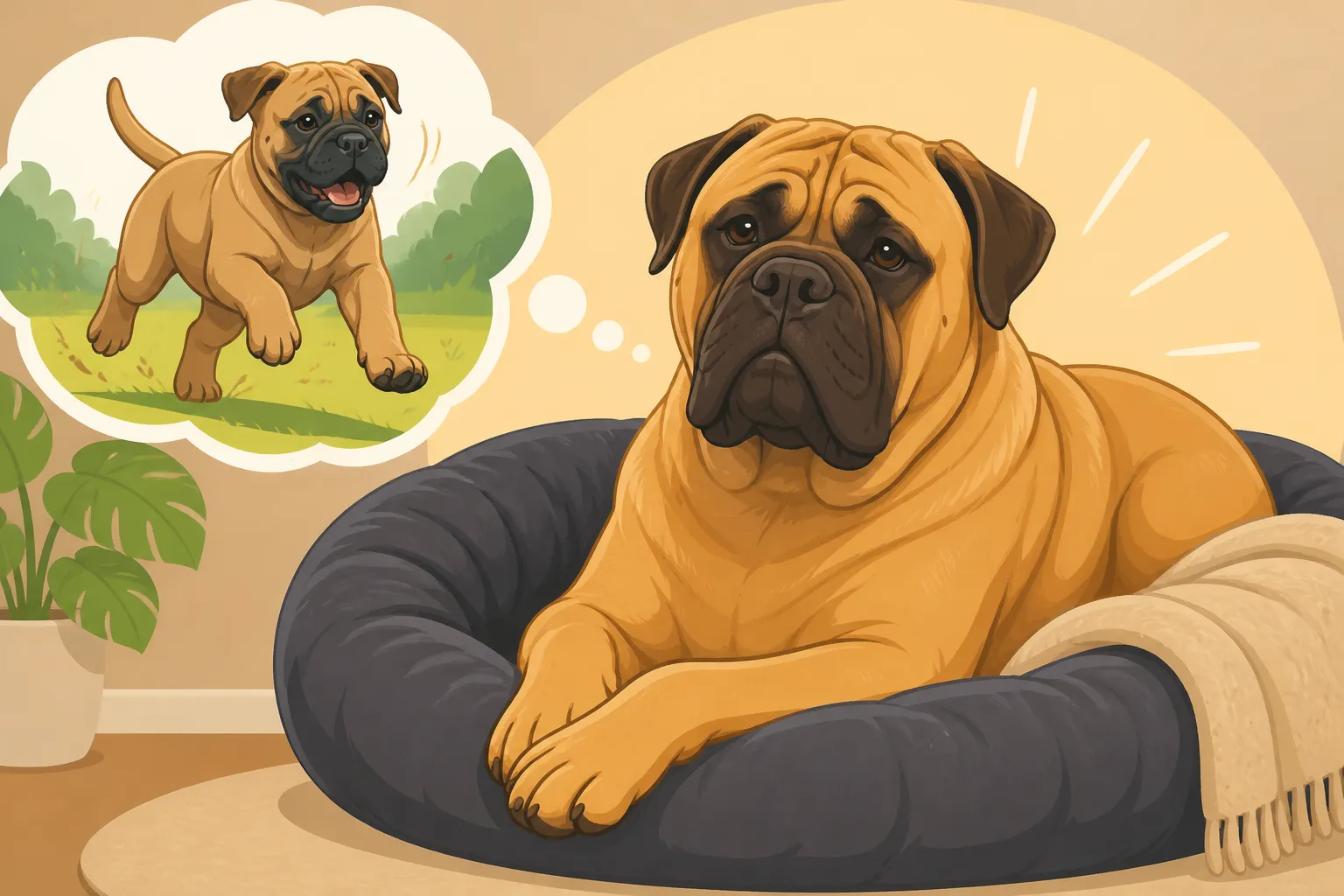
- Morning Zoomies: Many adult Bullmastiffs, even older ones, might have a burst of energy first thing in the morning or after a long nap. This might involve a playful trot around the yard, a brief game with a favorite toy, or a few enthusiastic tail wags. This is normal and healthy!
- Play Sessions: They still enjoy engaging with their people. A mature Bullmastiff might enjoy a gentle game of tug, a short fetch session, or simply leaning against you for some quality petting time. These interactions are crucial for maintaining your bond.
- Individual Differences: Just like people, every Bullmastiff is an individual. Some may naturally be more laid-back than others. Their genetics, early experiences, and ongoing environment all contribute to their temperament. While most Bullmastiffs settle into a calm, dignified adult, there will always be variations.
Embracing the "Gentle Giant" Stage
When your Bullmastiff truly settles down, you'll witness the emergence of the "gentle giant" personality they are so famous for. This is the stage where their immense presence is coupled with a calm, devoted, and often humorous demeanor.
- Dignified Companionship: They become incredible companions, content to be near you, often quietly observing the household goings-on. They are loyal and watchful, offering a comforting presence without being overly demanding.
- Patient and Tolerant: A settled Bullmastiff often shows remarkable patience, especially with children they've grown up with, or with other pets. Their steady nature makes them wonderful family dogs, though their sheer size always necessitates supervision with small children. A Bullmastiff With Children is usually a lovely picture of patience.
- Deep Affection: Their affection deepens into a profound bond. They might not be as boisterous in their displays of love, but their quiet devotion, their gentle nudges, and their contented sighs speak volumes. The effort you put into those challenging puppy and adolescent years will be repaid tenfold in the unwavering loyalty and serene companionship of your adult Bullmastiff. It’s truly a special connection.
Here’s a look at the typical Bullmastiff developmental stages:
| Age Range | Key Characteristics | Behavioral Tendencies | Owner Strategies |
|---|---|---|---|
| 8 weeks – 6 months | Rapid physical growth, high curiosity, teething | Mouthiness, house training, basic obedience, high energy | Early socialization, consistent positive reinforcement, crate training, chew toys |
| 6 months – 18 months | Adolescence, continued growth, hormonal changes | Testing boundaries, selective hearing, increased strength, occasional destructive chewing | Advanced obedience, mental stimulation, safe chew items, consistent routine, structured exercise |
| 18 months – 3 years | Nearing full physical size, continued mental maturity | Gradual calming, improved consistency, still playful | Refine training, engage in dog sports/activities, maintain healthy weight, patience! |
| 3+ years | Mature adult, dignified | Calm, reliable, affectionate, fewer destructive tendencies | Maintain routine, moderate exercise, mental enrichment, regular vet checks |
Remember, your Bullmastiff will get there. Enjoy the journey, provide consistent guidance, and celebrate every small step towards that wonderful, settled adult companion.
Disclaimer
This article is for general informational purposes only and does not constitute professional advice. Laws, prices and regulations vary by location and change over time. Consult a qualified professional for guidance on your specific situation.