How to Introduce a Bullmastiff to a New Person
Bringing a new person into your Bullmastiff's world can feel like navigating a minefield, especially with a dog so naturally protective and imposing in size. You want your gentle giant to be a good ambassador for the breed, but their inherent caution towards strangers, coupled with their sheer strength, can make initial introductions stressful for everyone. This guide will walk you through a thoughtful, step-by-step approach to help your Bullmastiff comfortably accept new people into your home and life.
Understanding Your Bullmastiff's Protective Nature
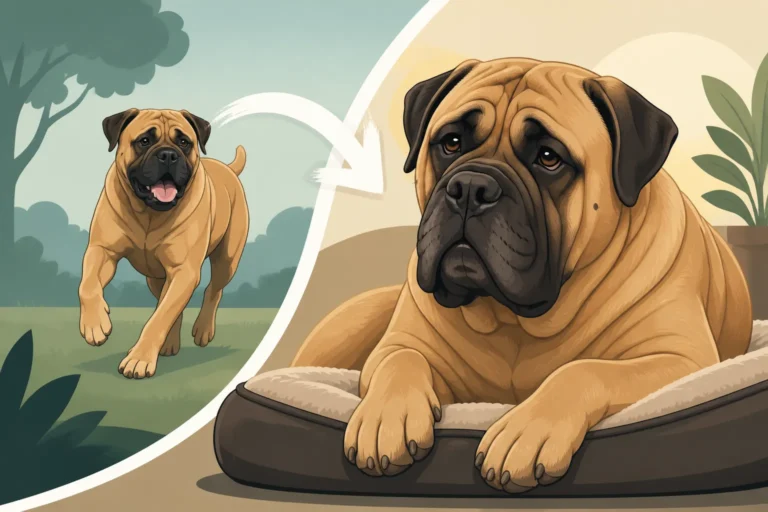
It's crucial to remember that Bullmastiffs were literally bred for a specific job: to silently guard estates and hold poachers. This isn't just a fun historical tidbit; it's etched into their DNA. Their protective instincts are strong, and while modern Bullmastiffs are generally calm and affectionate with their families, they can be reserved or suspicious of strangers. This isn't aggression; it's often a deep-seated caution that manifests as a watchful, imposing presence.
The Silent Observer: More Than Just a Lack of Barking
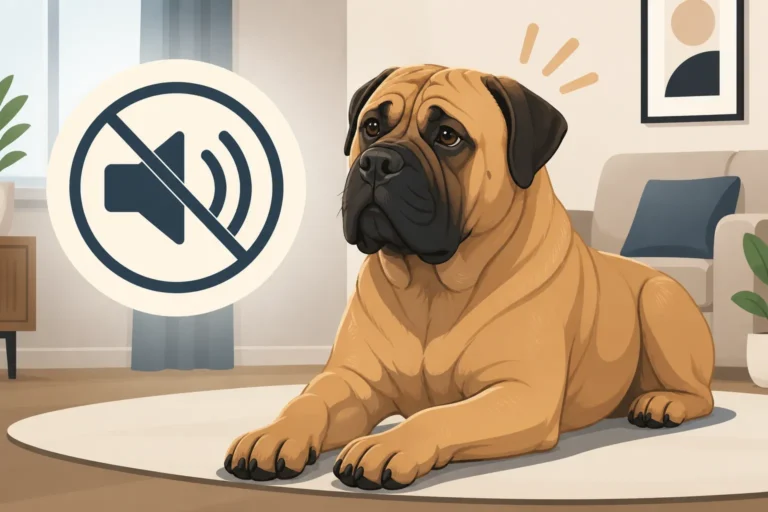
One of the most striking characteristics of the Bullmastiff is their tendency towards silent guarding. Unlike some breeds that will bark incessantly at every new arrival, a Bullmastiff might observe with a quiet intensity that can be unnerving if you don't understand it. They're processing, assessing, and deciding. This means you won't always get an audible warning sign of their discomfort; instead, you need to become adept at reading their body language. A stiff posture, a lowered head, direct eye contact (or purposefully averting it), a slight shift in weight, or a subtle change in ear set can all signal their emotional state. Understanding How a Bullmastiff Greets a Stranger is key to setting up successful introductions.
This isn't to say they won't bark at all – they certainly can, especially if truly alarmed or if they perceive a direct threat. But often, their initial reaction to an unknown person in their space will be one of quiet, watchful assessment. It’s a powerful presence that needs to be respected and managed. Don't mistake their quiet nature for indifference; they are absolutely paying attention.
Differentiating Guarding from Unacceptable Behavior
It’s a fine line to walk, isn't it? You want your Bullmastiff to be protective when truly necessary, but never aggressive or dangerous. The key is to channel their natural instincts into appropriate responses. A Bullmastiff's guarding instinct means they will often place themselves between you and a perceived threat, or simply stand as an imposing barrier. This is their way of saying, "I'm here, and I'm watching." What we want to avoid are reactions born of fear, lack of socialization, or poor training, which can lead to lunging, growling, or even biting.
A well-socialized Bullmastiff will typically accept a stranger once you, their trusted leader, have indicated that the person is welcome. They learn to defer to your judgment. Without proper guidance, however, their natural instinct to decide How a Bullmastiff Decides Someone Is a Threat can quickly become overwhelming and problematic. The goal is a dog that is discerning and confident, not fearful or reactive.
Laying the Groundwork: Preparing for Introductions
Successful introductions don't just happen; they're the result of consistent training and thoughtful preparation. This isn't about teaching your Bullmastiff not to be protective, but rather to be appropriately discerning and to trust your leadership in social situations.
The Power of Early Socialization and Consistent Training
From the moment you bring your Bullmastiff puppy home, socialization is paramount. Exposure to a wide variety of sights, sounds, people, and experiences in a positive, controlled manner helps build a resilient, confident adult dog. This doesn't mean letting every stranger rush up and pet them; it means controlled observation, positive reinforcement for calm behavior, and gradually increasing their comfort zone. Puppy classes and structured adult obedience classes are invaluable. Resources like BAXTER & Bella offer online programs that can be incredibly helpful for guidance on early socialization and basic obedience from the comfort of your home, allowing you to gradually introduce new concepts and commands.
Beyond socialization, strong obedience commands are your best friend. A solid "sit," "stay," "leave it," and a reliable recall (even if your Bullmastiff's recall is not always perfect, knowing Why a Bullmastiff's Recall Is Unreliable helps set realistic expectations) are critical. Given their size and strength, training a Bullmastiff is not for the faint of heart, and you need to understand Training a Bullmastiff That Weighs More Than You Do. These commands give you control and allow you to manage situations before they escalate. Consistent positive reinforcement, high-value treats, and patience are key, as Bullmastiffs can be quite deliberate in their responses.
Setting the Scene for Success: Environment and Guest Prep
Before a new person even steps foot on your property, you need to set the stage. Think about where the introduction will happen. A neutral location, like a park or quiet street, can be less intimidating for your Bullmastiff initially than your home, which they consider their territory. If the meeting must happen at home, consider doing it in a securely fenced yard first, or a common area rather than a more private space like your living room. Ensure your Bullmastiff is leashed (a sturdy, comfortable leash and harness combination found on Amazon can make a big difference in control) and you have plenty of high-value treats on hand.
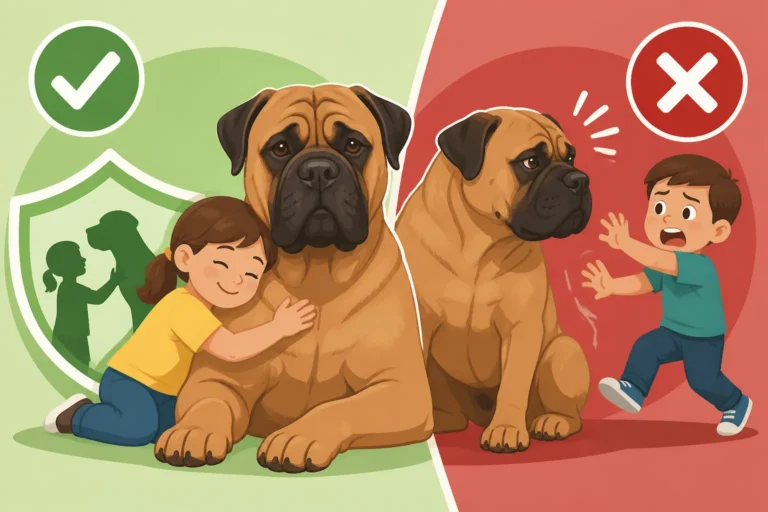
Equally important is preparing your guest. They need to understand the Bullmastiff's temperament. Explain that your dog is protective and reserved, not immediately a "party animal." Give them clear instructions:
- No direct eye contact initially: This can be perceived as a challenge.
- No sudden movements or loud noises.
- No reaching over the dog's head or rushing to pet.
- Stand sideways, not facing head-on.
- Offer treats gently, palms up, if instructed.
- Let the dog approach them.
- Ignore the dog initially – this often works wonders, as it reduces pressure on the Bullmastiff.
This preparation helps prevent your guest from inadvertently triggering your Bullmastiff's caution or fear.
The Art of the Introduction: Step by Step
This isn't a sprint; it's a slow, intentional dance. Rushing an introduction with a Bullmastiff can set back weeks of progress.
The Gradual Approach: Distance and Observation
Start with distance. Have your guest approach from a distance while you hold your Bullmastiff securely on a leash. Maintain a calm, confident demeanor. Your Bullmastiff will be looking to you for cues. If you're stressed, they will pick up on it.
| Stage of Introduction | Owner Action | Guest Action | Bullmastiff Cues to Watch For |
|---|---|---|---|
| Initial Sighting | Hold leash, stand calmly, offer treats. | Approach from a distance, no eye contact. | Calm observation, loose tail, looking at owner. |
| Controlled Approach | Maintain distance, praise calm behavior. | Walk casually, ignore the dog, don't stop. | Alert but relaxed, sniffing the air, ears forward. |
| Holding Distance | Keep dog at heel, treat frequently. | Stop at 10-15 feet, turn sideways, talk to owner. | Sniffing, soft eyes, perhaps a low tail wag. |
| Greeting Pause | Ask for a "sit" or "stay," reward heavily. | Remain still, avoid direct gaze, wait for dog to approach. | Looks at guest, may take a step forward, relaxed mouth. |
| First Contact | Offer a treat to guest to offer if dog approaches and is calm. | Offer treat (palm up), let dog sniff, avoid petting. | Nosing hand, taking treat gently, wagging tail (low, slow). |
| Positive Interaction | Praise, give more treats, keep interactions short. | Speak in soft tones, gentle chin scratch (if dog allows), then disengage. | Leaning in, nudging for more attention, relaxed body. |
Remember, your Bullmastiff needs to decide the person is okay on their own terms. Never force interaction. Short, positive sessions are much better than long, stressful ones.
Controlled Interaction: Building Positive Associations
If your Bullmastiff remains calm and shows signs of acceptance (relaxed body, soft eyes, perhaps a loose wag of the tail, or even a lean into the person), you can allow for very brief, controlled interactions. Have your guest offer a treat, gently tossing it near the dog at first, then offering it from an open palm if the dog is comfortable approaching. Emphasize light, gentle petting, ideally on the chest or under the chin, rather than reaching over the head.
It's often best for the guest to ignore the dog and interact with you first. Your Bullmastiff will be watching. If you are relaxed and friendly with the new person, it sends a powerful signal. Think about having the guest drop treats on the ground near the dog as they enter, without making a fuss. This creates an immediate positive association without direct pressure. You might find invaluable tools like durable chew toys or high-value treats on Amazon that can distract and reward your Bullmastiff during these tense initial moments.
Knowing When to Push, and When to Pull Back
This is where your keen observation skills come in. Is your Bullmastiff becoming stiff? Are their ears pinned back? Are they giving hard stares or trying to retreat? These are clear signals that they are uncomfortable, and you need to create more distance or end the interaction. There's no shame in saying, "Okay, that's enough for now." It's far better to end on a neutral note than to push them into a negative experience.
Conversely, if your Bullmastiff is relaxed, perhaps even soliciting attention from the guest, you can allow the interaction to continue for a little longer. Keep it brief and positive. Always err on the side of caution. It's about slowly expanding their comfort zone, not forcing them into uncomfortable situations. Remember, a Bullmastiff maturing means they only truly become grown up around A Bullmastiff Is Not Grown Up Until Three, so patience is a virtue, especially with younger dogs.
Navigating Challenges and Seeking Support
Even with the best preparation, you might encounter bumps in the road. It's normal to feel frustrated or worried, but remember that many Bullmastiff owners face similar issues.
When Caution Tips into Reactivity
Sometimes, a Bullmastiff's protective instinct can manifest as barking, lunging, or growling towards strangers. This is different from the silent assessment discussed earlier and usually indicates a deeper-seated issue, often rooted in fear or a lack of confidence. If your Bullmastiff exhibits these behaviors, it's critical to address them immediately and consistently. Punishing these behaviors without addressing the underlying emotion can make things worse, as it teaches your dog to suppress their warnings rather than feel safer.
Instead, focus on counter-conditioning and desensitization. This involves changing your dog's emotional response to strangers from negative (fear, anxiety) to positive (calm, happy anticipation). This is where having a reliable online training platform like BAXTER & Bella can be incredibly useful, providing structured lessons and expert guidance on how to manage and modify these challenging behaviors. This might mean starting with extreme distances, rewarding heavily for simply not reacting, and gradually decreasing the distance over many, many sessions.
The Importance of Professional Guidance
If you find yourself struggling, or if your Bullmastiff's reactions are severe, don't hesitate to seek professional help. A certified professional dog trainer or a veterinary behaviorist can provide invaluable insight and create a tailored training plan for you and your Bullmastiff. They can help you understand subtle body language cues, teach you advanced handling techniques, and ensure you're addressing the root cause of the behavior, rather than just the symptoms. For a breed as powerful and potentially intimidating as a Bullmastiff, safety is paramount, and expert guidance is always a wise investment. Don't be afraid to reach out; it shows you're a responsible owner committed to your dog's well-being and the safety of others. They can also help you discern if your Bullmastiff needs Whether a Bullmastiff Needs a Professional Trainer.
Introducing your Bullmastiff to new people requires patience, consistency, and a deep understanding of their unique temperament. By respecting their protective nature, preparing thoroughly, and executing introductions carefully, you can help your Bullmastiff become a confident, well-adjusted companion who is a joy to introduce to friends and family. It’s a journey, not a single event, and every positive step forward builds trust and strengthens your bond.
Disclaimer
This article is for general informational purposes only and does not constitute professional advice. Laws, prices and regulations vary by location and change over time. Consult a qualified professional for guidance on your specific situation.