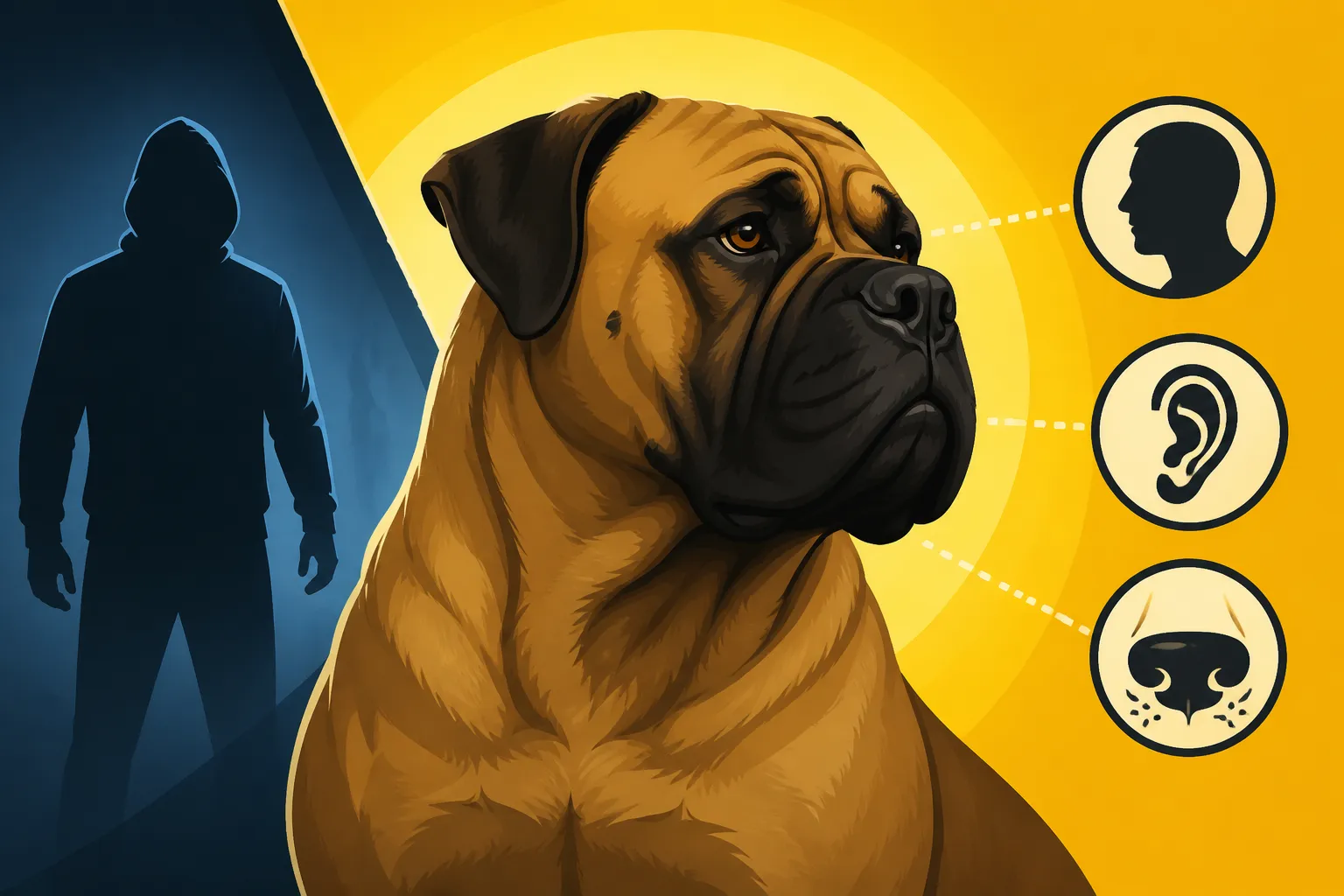
How a Bullmastiff Decides Someone Is a Threat
It’s a common scenario: you’re at home with your magnificent Bullmastiff, and a delivery driver or a new visitor approaches your door. For many of us, the thought immediately springs to mind – how exactly does my gentle giant decide if this person is a friend or a foe? It’s not always obvious, and understanding the intricate process by which your Bullmastiff assesses a potential threat is crucial for ensuring both their safety and the peace of mind of everyone around them. This guide will walk you through the deep-rooted instincts, sensory cues, and behavioral patterns that shape a Bullmastiff's perception of "threat."
The Ancient Instinct: What Makes a Bullmastiff a Guardian
To truly grasp how a Bullmastiff decides someone is a threat, we have to go back to their roots. These dogs weren't just bred for show; they were carefully developed for a very specific, demanding job. Their entire being is hardwired for protection and assessment, making them inherently different from many other breeds in their approach to the unknown.
From Poacher Catchers to Family Protectors
The Bullmastiff's lineage traces back to 19th-century England, where gamekeepers needed a dog to deter poachers on vast estates. These dogs had to be strong enough to hold a grown man, but also quiet and intelligent enough to track and corner without causing undue harm or barking excessively, which would give away their position. This is why A Bullmastiff Was Bred to Hold a Man, Not Bite Him. They were the "silent guardians," and this instinct for observation and judicious intervention remains a cornerstone of their temperament today.
When a stranger approaches your property, your Bullmastiff isn't just seeing a person; they are processing a lifetime of genetic programming. They are evaluating movement, intent, and perceived intrusion, often with a level of discernment that surprises first-time owners. This isn't aggression for aggression's sake; it's a deep-seated desire to protect their territory and their family. Their large size alone often acts as a deterrent, but their internal 'threat assessment' system is constantly running in the background.
The Silent Observer: More Than Just Brawn
Unlike some breeds that might bark indiscriminately at every leaf blowing by, a Bullmastiff's guarding style is often more subtle and deliberate. They excel at being The Silent Guard: Why a Bullmastiff Barks So Little. This means their initial assessment of a stranger might be done in quiet observation, rather than a flurry of barks. They're taking everything in. This can sometimes be unnerving for owners, as it's hard to tell what they're thinking, but it's part of their calculated approach.
They are looking for deviations from the norm. Is the person moving too quickly? Are they making direct eye contact in a challenging way? Are they lingering too long? These subtle cues are being processed. While they possess immense physical strength, their primary role as an early working dog was about apprehension and intimidation, not attack. This means their internal "threat meter" is tuned to look for signs of genuine malicious intent, rather than just unfamiliarity.
Interpreting the World: A Bullmastiff's Sensory Input and Threat Cues
A Bullmastiff's senses are finely tuned instruments in their threat detection system. They don't just see or hear; they analyze. Understanding how they process these inputs helps us understand their reactions.
Sound and Sight: The First Alarm Bells
A Bullmastiff's initial reaction to a stranger is almost always triggered by sound or sight. A knock at the door, the crunch of gravel as a car pulls up, or the sight of someone walking down the driveway will immediately engage their attention. Their ears swivel, their head cocks, and their eyes fix on the source. They’re not necessarily jumping to conclusions, but they are absolutely on high alert.
They are paying attention to the details. Is the knock polite and rhythmic, or is it frantic and pounding? Is the person casually walking, or are they striding with purpose directly towards the door? These nuances, which we might barely notice, are significant data points for your Bullmastiff. A strange sound in the middle of the night, for example, will trigger a far more serious alert than the mail carrier walking up the path at the usual time. They are constantly building a mental database of what is "normal" and what is "abnormal" in their environment.
Body Language and Intent: What a Bullmastiff Really Sees
This is where the Bullmastiff's exceptional discernment truly shines. They are masters at reading human body language. It's not just who is there, but how they are behaving. A person who approaches confidently but respectfully, with open posture and avoiding direct, prolonged eye contact, will be perceived very differently from someone who is furtive, anxious, or aggressive in their movements.
Consider a friend who approaches with a big smile, hands in pockets, looking directly at your dog. Your Bullmastiff might interpret the direct stare as a challenge, even if your friend means well. Conversely, a nervous stranger who avoids eye contact and moves cautiously might still be viewed with suspicion because their body language suggests something is "off." Your Bullmastiff is evaluating their energy, their confidence (or lack thereof), and how their movements correlate with their intentions. They'll also pick up on your reaction – if you are calm and welcoming, they often take their cue from you, but if you're tense, they'll mirror that. This is part of How a Bullmastiff Greets a Stranger, often with a measured intensity.
Context Is Everything: Environment and Familiarity
A crucial element in a Bullmastiff's threat assessment is context. Who is this person, where are they, and what are they doing?
- Your Home vs. Public: A Bullmastiff's guarding instincts are strongest within their perceived territory – your home and yard. A person walking past your fence might warrant a deep grumble, but the same person appearing inside your house uninvited would trigger a full-blown guardian response. In public spaces, a well-socialized Bullmastiff is typically more tolerant, understanding that rules are different. However, they will still remain observant, especially if they sense their family is in danger.
- Familiar Faces vs. New Ones: The regular delivery driver who always drops packages will likely be tolerated, perhaps even ignored, after repeated positive interactions. A new person they've never seen before, especially one dressed in an unfamiliar uniform or carrying an unusual object, will be scrutinized much more intensely. Building positive associations through calm introductions and controlled exposure is key.
- Your Reaction: Your Bullmastiff watches you constantly. If you greet a visitor warmly, your dog will often defer to your judgment. If you seem nervous or unwelcoming, they will heighten their alert status. They are part of your "pack," and they trust you to lead, but they will also step in if they feel you are vulnerable. Think about how a Bullmastiff might Why a Bullmastiff Leans on People or Why a Bullmastiff Steps Between You and a Stranger – these are protective gestures born from their desire to guard you.
The Response Spectrum: From Alert to Action
When a Bullmastiff detects a potential threat, their reaction isn't a simple on/off switch. It’s a nuanced spectrum, ranging from subtle signals to more overt actions, all designed to assess and, if necessary, deter.
The Initial Assessment: Watchful Waiting
Before any overt action, a Bullmastiff engages in intense watchful waiting. They might stiffen their body, lower their head slightly, and fix their gaze. Their ears might be pricked forward, gathering every sound. You might not hear a bark, but you’ll sense an almost palpable tension in the air. This is their analytical phase. They are gathering more information, trying to confirm or deny their initial suspicions.
During this stage, they are mentally calculating the perceived risk. Is this a genuine threat, or simply an unfamiliar but harmless encounter? Their size alone gives them confidence, and they rarely feel the need to posture excessively unless truly provoked. This quiet intensity is a hallmark of the breed; they believe their presence alone should be enough to send a clear message. If you want to understand how impressive this protective instinct is, consider How a Bullmastiff Body Blocks a Stranger – it's often their first line of defense.
Escalation and De-escalation: Subtle Signals
If the perceived threat doesn't retreat or changes its behavior in a way that confirms suspicion, a Bullmastiff might subtly escalate their warnings. This could include:
- A deep, rumbling growl: This is often low in their chest, more felt than heard. It’s a serious warning, not just a casual grumble.
- A low, warning bark: A Bullmastiff's bark is purposeful, not usually incessant. If they bark, it's because they feel it's necessary to draw attention or issue a direct warning.
- Forward posture: They might take a step forward, plant their feet firmly, and lean slightly into the perceived threat, making themselves appear even larger and more formidable.
- A direct, unwavering stare: Unlike challenging direct eye contact, this is a fixed, observant stare that communicates "I see you, and I am watching your every move."
Conversely, if the perceived threat de-escalates—for instance, if the stranger speaks calmly, turns to leave, or you intervene positively—your Bullmastiff will often de-escalate as well. They are generally reasonable dogs, willing to trust their owner's judgment once they are convinced there is no danger. This responsiveness is a testament to their inherent intelligence and trainability. How a Bullmastiff Can Be Called Off is a critical skill for any owner.
What Happens When a Bullmastiff Perceives a Real Threat
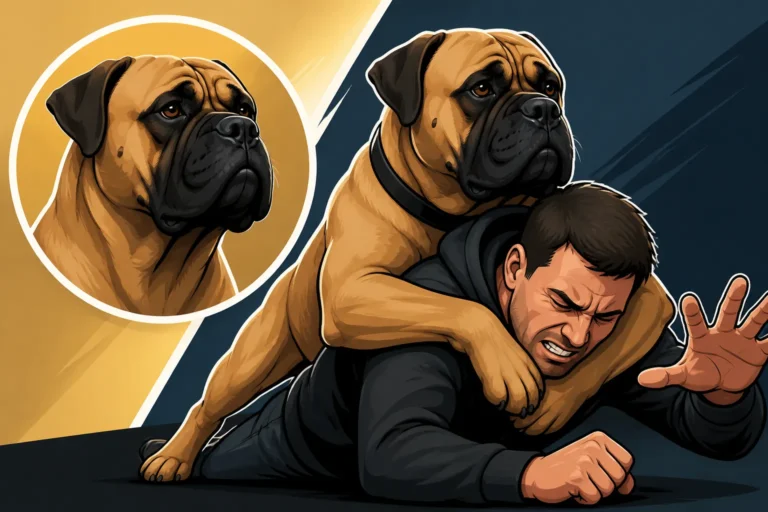
In the rare event that a Bullmastiff truly perceives a clear and present danger to their family or territory, their response can be formidable. While bred not to bite, their instinct is to prevent further intrusion and apprehend the threat. This is why What Would Make a Bullmastiff Attack is such an important topic for owners to consider carefully.
Their actions would likely involve:
- Blocking: Using their immense body to physically block the path of the intruder.
- Holding: Potentially using their strong jaws to hold onto a limb or clothing, pinning the person without causing severe injury, much like their ancestors did with poachers.
- Continued intimidation: A Bullmastiff in this mode is a powerful force. Their size, strength, and unwavering focus are usually enough to stop most intruders in their tracks.
It's vital for owners to remember that this isn't a dog to be "protection trained" in a way that encourages aggression. Their natural instincts are more than sufficient. Instead, focus should be on clear boundaries and solid obedience training, so you can direct their powerful instincts appropriately.
Guiding Your Guardian: Training and Socialization for Sound Judgment
A Bullmastiff's natural guardian instincts are a gift, but they need careful guidance to ensure they develop into a confident, discerning protector rather than an anxious or reactive one.
Early Exposure: Laying the Foundation for Confidence
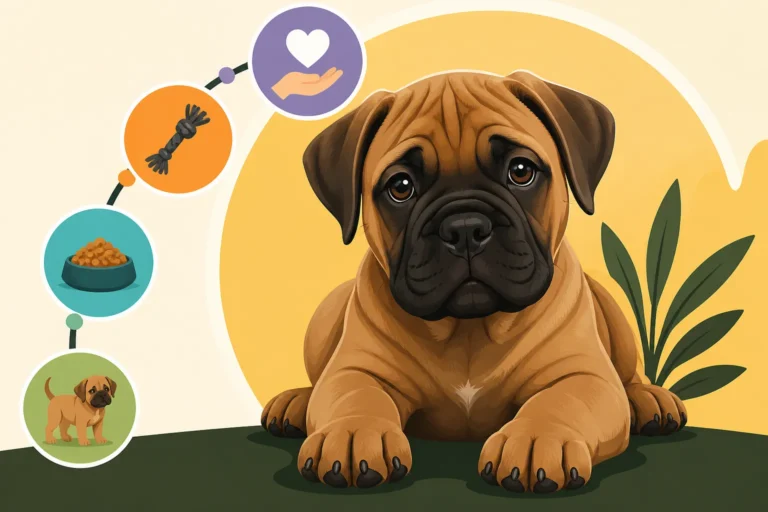
The single most important thing you can do for your Bullmastiff's threat assessment skills is robust, positive socialization from an early age. This means exposing your puppy to a wide variety of sights, sounds, people, and environments. Take them to safe, controlled settings where they can see different types of people – men with hats, children, people on bikes, people with umbrellas. The more diverse their early experiences, the better equipped they will be to distinguish between novelty and actual danger.
Programs like BAXTER & Bella, which offer comprehensive online puppy training, can be incredibly helpful here. They guide you through the critical socialization windows, helping you introduce your puppy to the world in a structured, positive way. This early work helps them understand that most new things and people are not threats, building confidence rather than fear. You want them to be comfortable with the everyday ebb and flow of life, so that when a true anomaly occurs, they can respond appropriately rather than reacting out of uncertainty. This also directly influences When to Start Training a Bullmastiff Puppy.
Consistent Training: Building Trust and Control
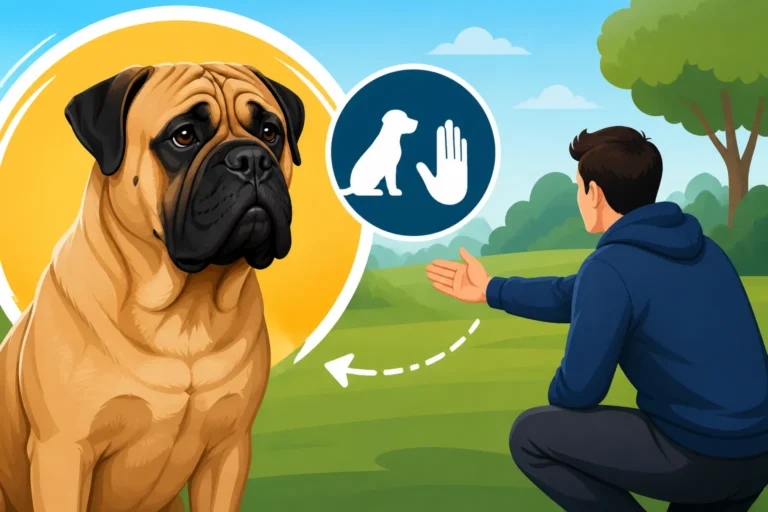
Solid obedience training is non-negotiable for a Bullmastiff. When you have a dog that outweighs most adults, you absolutely must be able to control them, especially during encounters with strangers. Training commands like "stay," "come," "leave it," and a solid "place" command are vital. These commands allow you to manage your dog's interactions and communicate that you are in charge of assessing situations. Training a Bullmastiff That Weighs More Than You Do isn't easy, but it’s essential.
A Bullmastiff that trusts your leadership is less likely to feel the need to take matters into their own paws. They learn that you will handle situations, and they can defer to you. This also means teaching them to accept visitors calmly. Many Bullmastiff owners use a designated "place" or "bed" command for when guests arrive, so the dog can observe from a distance without feeling the need to be front and center.
Here's a quick look at how training helps in threat assessment:
| Scenario | Untrained Bullmastiff Reaction | Trained Bullmastiff Reaction |
|---|---|---|
| Delivery Person | Jumps, barks aggressively at the door, creates chaos. | Observes calmly from a distance (on "place"), acknowledges your lead. |
| New Visitor Enters | May body block, lean, stare intensely, making visitor uncomfortable. | Greets politely on leash or allows a sniff once you've given permission. |
| Unusual Sound Outside | Rushes to fence, barks, becomes agitated and difficult to recall. | Alerts with a low growl, looks to you for direction, can be called back. |
| Unfamiliar Dog | May react strongly, pull on leash, or challenge the other dog. | Looks to you, can be redirected, allows you to manage the interaction. |
Managing Encounters: Setting Your Bullmastiff Up for Success
You are your Bullmastiff's advocate and guide. It's your job to manage their interactions to reinforce appropriate behavior and prevent them from feeling overwhelmed or threatened.
- Controlled Introductions: When introducing your Bullmastiff to new people, especially in your home, keep it controlled. Have them on a leash initially, or use a baby gate to create a barrier. Encourage visitors to ignore your dog until they are calm, then offer a treat from a polite distance.
- Reading Your Dog: Pay close attention to your Bullmastiff's body language. Are they stiffening? Are their hackles raised? Are they avoiding eye contact in a worried way? These are signs they might be uncomfortable.
- Intervention: Don't hesitate to intervene. If your Bullmastiff is becoming too intense, calmly redirect them to their "place" or another room. Sometimes, it's best to remove them from the situation entirely, especially if they are feeling overwhelmed or if a visitor is not respecting their space. Whether a Bullmastiff Should Be Crated When Guests Come is a valid consideration for many owners.
- Tools for Success: Utilize tools like durable leashes and harnesses, especially when walking in public or having guests. Brands like Amazon offer a wide variety of sturdy equipment designed for large breeds. For specific training situations, a long line can allow your Bullmastiff to explore safely while still under your control.
Ultimately, your Bullmastiff's ability to accurately assess a threat comes from a combination of their magnificent instincts and the consistent, loving guidance you provide. By understanding their inherent nature and committing to proper socialization and training, you can ensure your Bullmastiff is a confident, well-adjusted guardian who knows when to protect and when to relax.
Disclaimer
This article is for general informational purposes only and does not constitute professional advice. Laws, prices and regulations vary by location and change over time. Consult a qualified professional for guidance on your specific situation.