Whether a Bullmastiff Guards the Children
It’s a question many prospective Bullmastiff owners, especially those with little ones running around, grapple with: will this massive, protective breed naturally guard my children, or do I need to worry about their sheer size and powerful instincts? Bringing a Bullmastiff into a family with kids means navigating their inherent protective nature while also ensuring everyone's safety, which is exactly what this guide will help you understand.
The Bullmastiff's Instinct: Guardian, Not Nanny
When we talk about Bullmastiffs, we're talking about a breed forged for a specific purpose: to protect estates from poachers. They were bred to be silent, to track, and to hold an intruder without causing severe injury, effectively pinning them down until the gamekeeper arrived. This history gives them a natural inclination towards guardianship and protection of their perceived territory and family. However, this protective instinct isn't always a "guard the children" button that you can simply press and expect them to babysit.
Understanding Their Historical Role
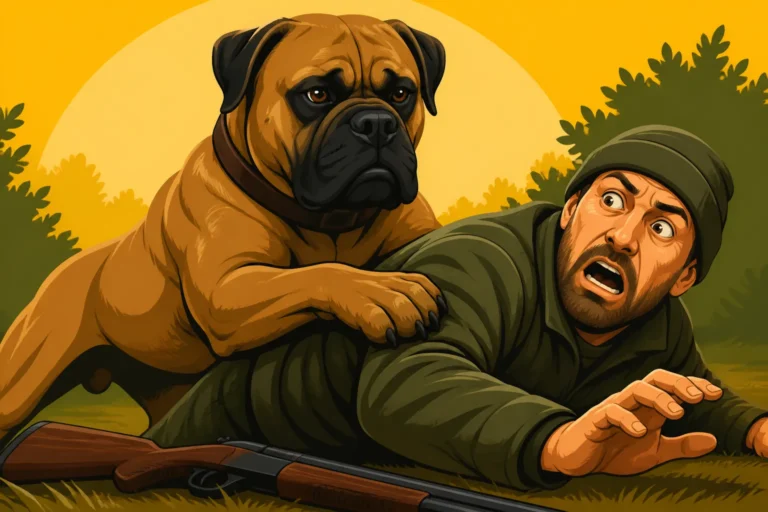
The Bullmastiff's origins lie in the 19th-century English countryside, where gamekeepers needed a dog powerful enough to deter human intruders but agile enough to traverse varied terrain. Their blend of Mastiff and Bulldog created a dog that was fearless and formidable, yet capable of discernment. They weren't meant to be attack dogs in the sense of mauling an individual, but rather to use their immense strength and presence to stop a threat. This is why you often hear the phrase, A Bullmastiff Was Bred to Hold a Man, Not Bite Him. This historical context is vital when thinking about how they might interact with children. Their protection is often more about deterrence and presence than aggressive intervention.
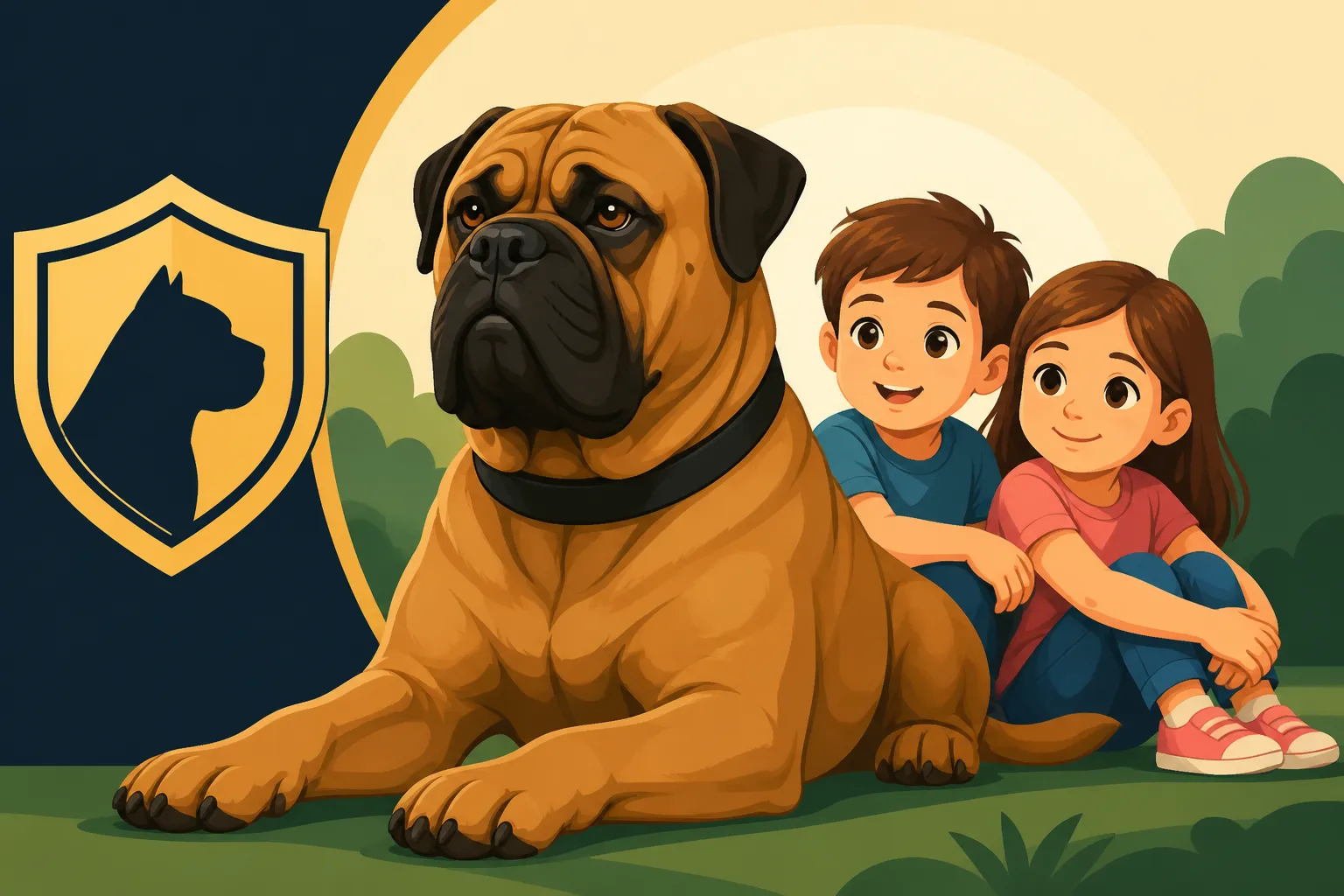
In the family home, this translates to a dog that is keenly aware of its surroundings and its family members. They observe, they often place themselves strategically between their loved ones and perceived outside threats, and they possess a deep loyalty. It’s a subtle, watchful guardianship that’s less about overt aggression and more about an imposing presence. They understand their family as their "flock" to be kept safe, and children, especially vulnerable ones, naturally fall into that category in their eyes.
How Their Protective Nature Manifests Towards Kids
For many Bullmastiffs, their protective nature towards children shows up in quite subtle ways. It's often seen in their calm vigilance, their tendency to "body block" a child from perceived dangers (even if that danger is just another enthusiastic toddler approaching too quickly), or their inclination to position themselves between a child and a stranger. They might lie near a playing child, observing, or follow them from room to room. This isn't usually an aggressive display, but rather a quiet, consistent watchfulness.
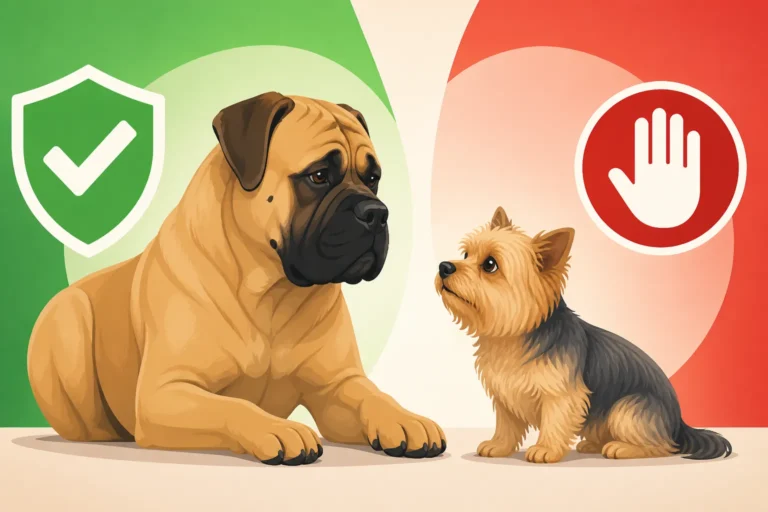
However, it's important to differentiate this natural protectiveness from something that makes them an automatic, foolproof guardian. They aren't going to break up a sibling squabble or prevent a child from running into the street on their own. Their protective instincts are primal, focused on external threats to their family unit, not on internal discipline or child-rearing. It's also crucial to remember that this instinct can be misinterpreted by strangers or even well-meaning guests, who might not understand the subtle cues of a large, watchful dog. Knowing How Protective a Bullmastiff Is generally can help you navigate these interactions.
Navigating the Gentle Giant's Size Around Children
The most obvious aspect of a Bullmastiff is their sheer size and strength. A full-grown Bullmastiff can easily weigh over a hundred pounds, sometimes significantly more. This immense bulk, while often accompanied by a remarkably gentle demeanor, presents practical considerations when living with small children.
The Unintentional Bulldozer Effect
Despite their reputation as "gentle giants," the reality is that a Bullmastiff's size means they can accidentally knock over a small child with surprising ease. A wagging tail can be a powerful force, a sudden turn can send a toddler sprawling, and even a friendly nudge can unbalance an older child. They often have no concept of their own immense power, especially when they are excited or moving quickly. This isn't maliciousness; it's simply physics at play.
This is why close supervision is absolutely non-negotiable, particularly with very young children. You might think your Bullmastiff is naturally calm, but a sudden squirrel sighting or the doorbell ringing could send them bounding, oblivious to the small human in their path. It’s a genuine frustration for many Bullmastiff owners who adore their dogs but constantly worry about these accidental collisions. Therefore, understanding Whether a Bullmastiff Knocks Over Toddlers is a critical piece of information for any family considering this breed.
Managing Physical Interactions
Teaching both your Bullmastiff and your children how to interact safely is an ongoing process. For the dog, this means training them not to jump up, to be calm around children, and to respect personal space. For children, it means teaching them gentle handling, not to pull ears or tails, and to understand when the dog needs space. Simple rules, like "no running in the house" or "dog gets space while eating," become paramount.
Providing specific "safe zones" for your Bullmastiff can be incredibly helpful. A sturdy crate or a designated bed in a quiet corner can give your dog a place to retreat when things get too boisterous. This also allows children to learn boundaries, understanding that when the dog is in its bed, it's time for quiet. Companies like Amazon offer a wide range of robust dog gates and crates that can help manage these spaces effectively, creating clear divisions within the home when needed.
Cultivating Safe Habits: Training and Supervision for Bullmastiffs and Kids
A well-trained Bullmastiff is a much safer Bullmastiff, regardless of how naturally gentle their disposition might be. Combining consistent training with unwavering supervision creates the safest environment for both your dog and your children.
The Power of Early Socialization and Training
From the moment you bring a Bullmastiff puppy home, socialization and training are your best friends. Exposing them positively to a variety of sights, sounds, people, and other well-behaved dogs will help them grow into a confident, stable adult. Puppy classes are invaluable, not just for obedience but for getting your pup used to different environments and people. For a Bullmastiff, whose adult size demands impeccable manners, this early foundation is critical.
Training shouldn't stop after puppyhood. Ongoing obedience training, particularly focusing on impulse control commands like "stay," "leave it," and a solid "recall," is essential. Remember, Training a Bullmastiff That Weighs More Than You Do requires consistency, positive reinforcement, and a deep understanding of their deliberate nature. Many online training programs, such as those offered by BAXTER & Bella, can provide structured guidance and support for integrating a Bullmastiff puppy into a family with children. A well-socialized and trained Bullmastiff is far less likely to react negatively to unexpected child behavior.
Why Supervision is Not Optional
Let me be blunt: no dog, regardless of breed or temperament, should ever be left unsupervised with children. This is the golden rule, and it's one you simply cannot bend, especially with a large, powerful breed like the Bullmastiff. Even the most tolerant, gentle dog can have an off moment, be startled, or misinterpret a child's action. A child, especially a very young one, lacks the understanding to read dog body language or to react appropriately if a situation escalates.
Supervision means an adult is actively present, engaged, and able to intervene immediately. It doesn't mean being in the same room while engrossed in a phone or book. It means you are watching the interactions, guiding both dog and child, and stepping in before a problem arises. This includes even seemingly innocuous moments, like sharing treats or playing games. Many owners are surprised to learn that Why a Bullmastiff Should Be Left With Children is a discussion that often ends with a firm "never alone," due to the inherent risks.
Table: Safe Interactions Between Bullmastiffs and Children
| Situation | Best Practice for Adults | For Children | Potential Risk (Without Supervision/Training) |
|---|---|---|---|
| Playtime | Supervise all play; encourage gentle games like "find it" or short tug. Intervene if play becomes too rough. | Teach gentle touches, no pulling ears/tails. Learn to recognize when the dog needs a break. | Accidental knocks, excited nipping, dog becoming overstimulated. |
| Eating/Treats | Dogs eat separately; children should not feed the dog directly from their hand unless closely supervised. | Do not approach dog while eating; never steal food/toys. | Resource guarding by the dog, accidental bites. |
| Resting/Sleeping | Provide a designated, quiet space for the dog (e.g., a crate). Teach children to respect this space. | Leave the dog alone when it's resting. Do not disturb. | Startling the dog, leading to a snap or growl. |
| Greetings | Manage excited greetings, train "four on the floor." Protect children from enthusiastic jumping. | Approach the dog calmly, no sudden movements or screaming. | Accidental knocks from jumping, overwhelming the child. |
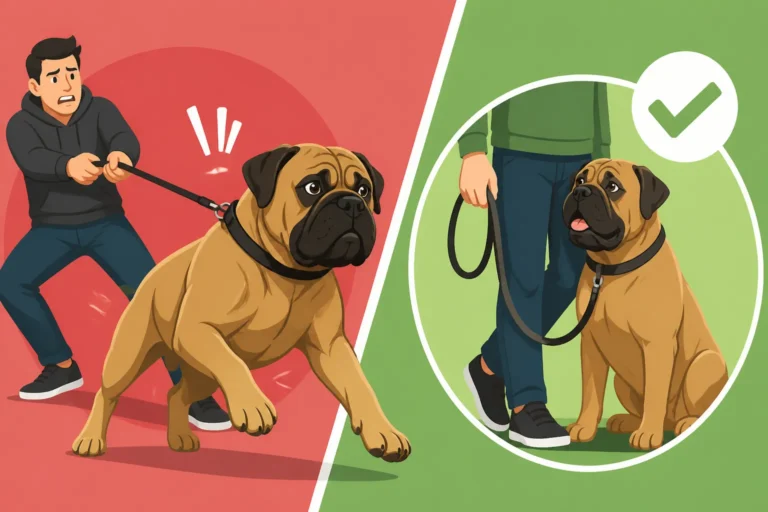
| Outdoor Walks/Trips | Maintain firm control of the leash. Anticipate child's actions (running, falling). | Stay close to an adult, follow directions, understand leash safety. | Dog pulling, child getting tangled in leash, dog reacting to external stimuli. |
Recognizing Individual Temperament and Setting Realistic Expectations
While breed characteristics give us a good roadmap, it's vital to remember that every Bullmastiff is an individual. Their unique personality, combined with their early experiences, will shape their temperament around children.
Variability in Bullmastiff Temperament
Just like people, dogs have individual personalities. Some Bullmastiffs are inherently more tolerant and laid-back, while others might be more sensitive, easily startled, or possess a stronger prey drive. While the breed as a whole is known for being patient and generally good-natured with their family, you might encounter a dog that is less enthusiastic about constant child interaction. Factors like genetics (a well-bred Bullmastiff from health-tested parents with stable temperaments is a good start) and early life experiences play a huge role.
It's also worth considering What a Bullmastiff Puppy Is Like at Nine Months – they go through adolescence, and just like human teenagers, they can be a bit challenging. Their behavior during these developmental stages can certainly impact their interactions with children. A reputable breeder will be transparent about the temperaments of their adult dogs and the puppies, helping you find a match for your family's dynamic.
Setting Realistic Boundaries and Expectations
Having a Bullmastiff in a home with children isn't about hoping for the best; it's about actively creating an environment where everyone can thrive safely. This means setting clear boundaries for both your dog and your children, and consistently enforcing them. For your Bullmastiff, this might involve structured training on How a Bullmastiff Behaves With Children, focusing on polite interactions and impulse control. For children, it means teaching respect for the dog's space, understanding its body language, and always asking an adult before interacting.
Remember, a Bullmastiff's protective instinct is deeply ingrained, but it works best when guided by responsible ownership. They are loyal, loving companions who will naturally watch over their family. However, relying solely on instinct without the bedrock of training, socialization, and constant supervision is not a gamble worth taking when it comes to the safety of your children. Enjoy your gentle giant, but always stay vigilant!
Disclaimer
This article is for general informational purposes only and does not constitute professional advice. Laws, prices and regulations vary by location and change over time. Consult a qualified professional for guidance on your specific situation.