Whether a Bullmastiff Is Safe With a Small Dog
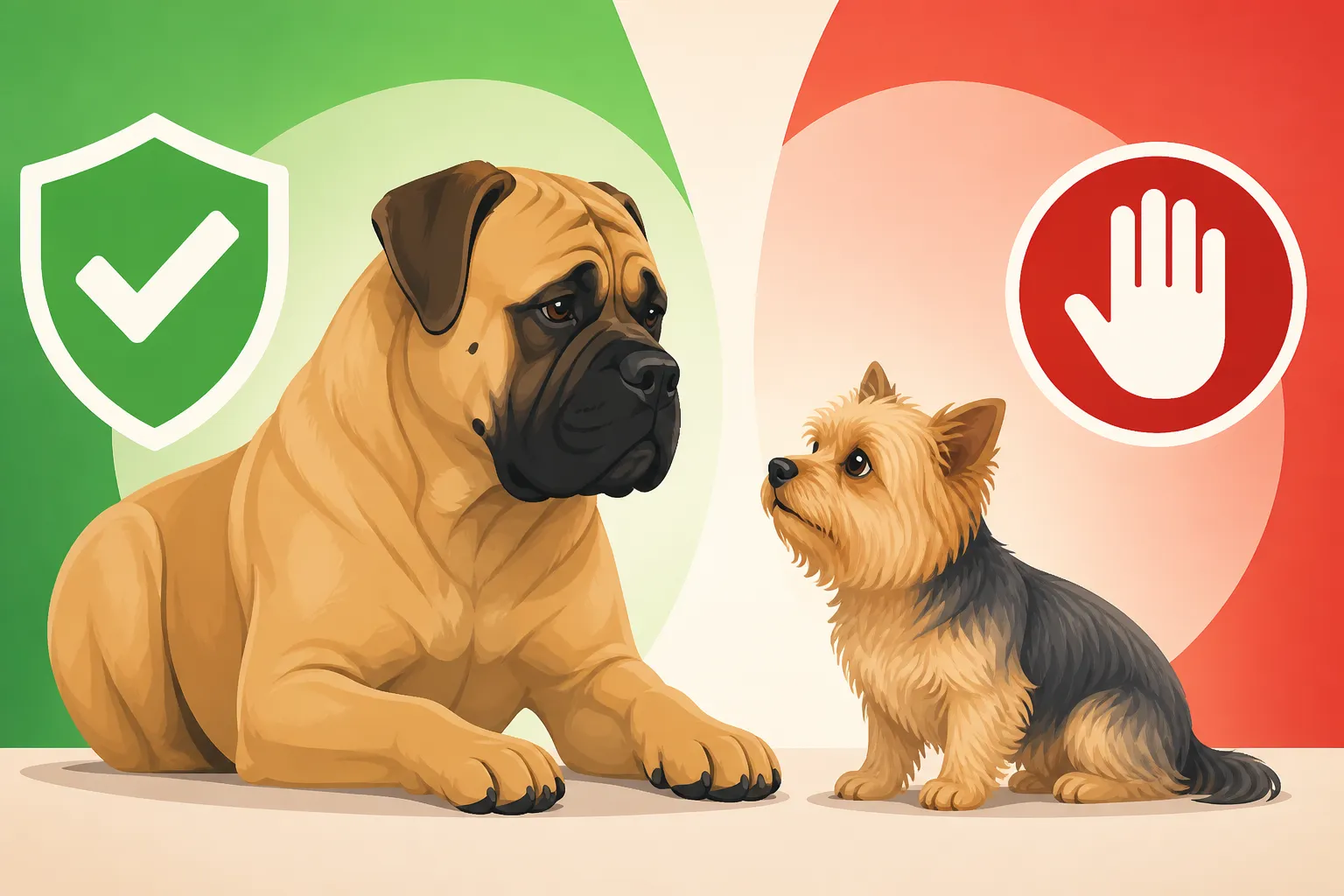
Bringing a massive Bullmastiff into a home that already has a tiny chihuahua or even just a fluffy terrier can feel like a recipe for disaster to many dog owners. The sheer size difference alone is enough to cause anxiety, with visions of accidental bumps or worse-case scenarios. This guide will thoroughly explore the complexities of Bullmastiffs and small dogs, helping you understand their natural inclinations, implement crucial safety measures, and confidently manage their interactions to ensure a harmonious household for everyone, big and small.
Understanding the Bullmastiff's Natural Instincts
When we talk about whether a Bullmastiff is safe with a small dog, it's vital to first look at the very core of what a Bullmastiff is and what they were bred to do. Their instincts, while often tempered by generations of careful breeding, still inform a lot of their behavior. It's not about them being "good" or "bad"; it's about understanding their inherent wiring.
Their History as "Gamekeepers' Night Dogs"
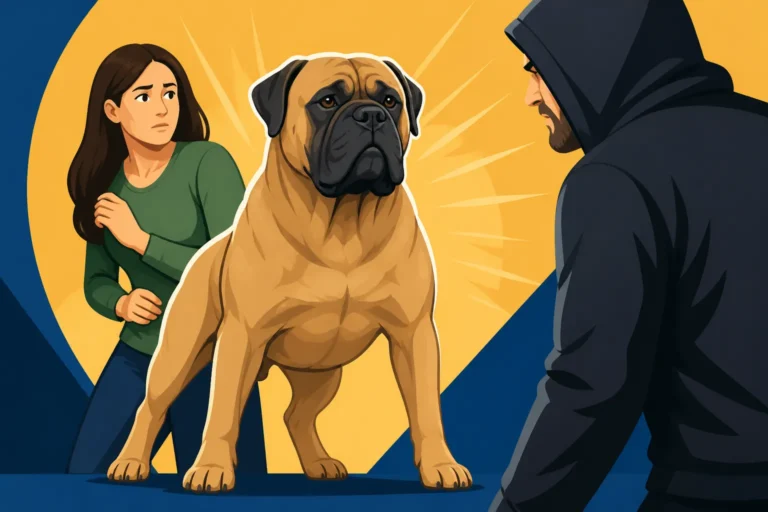
The Bullmastiff's origins are deeply rooted in the need for a specific type of guard dog on large English estates. They weren't bred to be bloodthirsty killers, but rather to apprehend poachers and hold them down until the gamekeeper arrived. This is a crucial distinction: they were designed for "holding" rather than "mauling." This history speaks volumes about their protective nature and their physical capabilities. While they possess immense strength, their primary instinct was to incapacitate without severe injury. You can learn more about this by reading Why a Bullmastiff Was Bred Not to Maul.
However, even with this "holding" instinct, their prey drive can still be quite pronounced. A small, fast-moving creature, whether it's a squirrel in the yard or a scurrying smaller dog, can trigger a chase response. This isn't malice; it's an ingrained instinct. The challenge for owners is to channel this powerful drive appropriately and ensure it doesn't extend to the smaller, more vulnerable members of their own family, canine or otherwise. A Bullmastiff's quick lunge, even in play, can have serious consequences for a dog a quarter of its size.
The Importance of Socialization from a Young Age
If you're bringing a Bullmastiff puppy into a home with a small dog, or plan to introduce one later, early and thorough socialization is absolutely non-negotiable. This means exposing your Bullmastiff puppy to a wide variety of sights, sounds, people, and, most importantly, other dogs of all sizes from the moment they are safely able to venture out after their vaccinations. A well-socialized puppy learns what is normal and appropriate.
Puppy classes are fantastic for this, providing a controlled environment for interactions. The goal isn't just for your Bullmastiff to tolerate small dogs, but to understand their body language, respect their space, and learn how to interact gently. Without this early foundation, a Bullmastiff might see a small dog as an alien, or worse, as something to be chased. Remember, a Bullmastiff isn't truly grown up until they are around three years old, so consistent, positive exposure during their formative months is paramount. This consistent training and exposure continues throughout their adolescence and beyond.
Assessing the Individual Bullmastiff
Every dog is an individual, and while breed tendencies give us a roadmap, they don't tell the whole story. When considering a Bullmastiff's safety around small dogs, you have to look beyond the breed standard and truly assess the specific dog in front of you.
Recognizing Predatory Drive in Your Bullmastiff
A Bullmastiff's predatory drive isn't always overt. It can manifest subtly at first, like an intense stare at a distant squirrel, a stiffening of their body, or a sudden burst of speed after a leaf blowing across the yard. With a smaller dog, this might look like a focused, unblinking gaze, a low crouch, or a stalk-like movement. These are not signs of aggression in the typical sense; they are manifestations of an instinct to hunt and capture.
If you're bringing an adult Bullmastiff into your home, especially a rescue, it's crucial to find out as much as you can about their history with smaller animals. Has the rescue placed them in foster homes with cats or small dogs? How did they react? A good rescue will be transparent about this. If the history is unknown, or if there are any red flags, proceed with extreme caution and seek professional guidance before any direct introductions. Understanding your dog's unique quirks and drives is key to preventing problems.
The Role of Training and Management
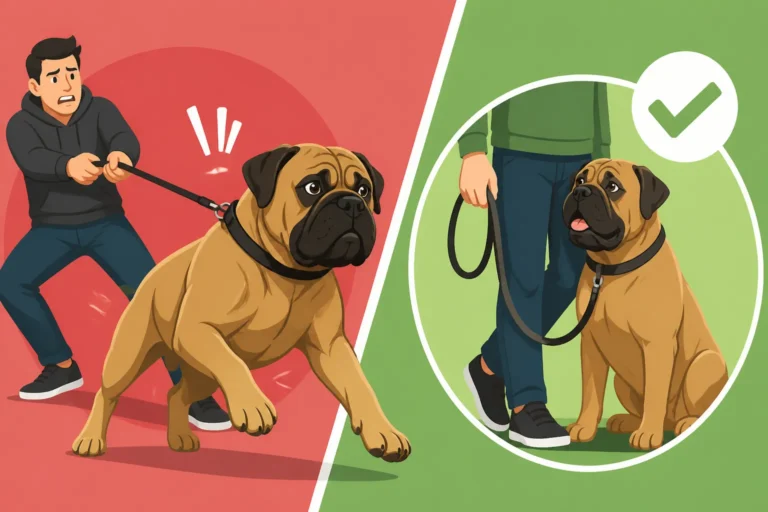
Regardless of a Bullmastiff's inherent temperament, solid training and rigorous management are your strongest tools for ensuring the safety of a small dog. Commands like "leave it," "drop it," and a rock-solid recall are not just nice-to-haves; they are lifesavers. Imagine your Bullmastiff suddenly focusing on your small dog with a predatory gleam in its eye – a reliable "leave it" can break that fixation instantly. Teaching a dog to walk politely on a leash, especially a Bullmastiff that weighs more than you do, is also critical for safety when out and about. Training a Bullmastiff That Weighs More Than You Do is a great resource for developing that control.
Management is equally important, especially in the early stages or if your Bullmastiff has a higher prey drive. This can mean using baby gates to create separate spaces, ensuring crates are used when you can't actively supervise, or using leashes even indoors during initial introductions. Think of it as creating a structured environment where positive interactions are fostered, and potentially dangerous situations are prevented entirely. Tools like durable pet gates available on platforms like Amazon can be invaluable for creating these safe zones within your home, allowing both dogs to exist peacefully in the same space without direct, unsupervised contact.
Introducing a Bullmastiff to a Small Dog Safely
Introducing any two dogs, let alone one of such disparate size, requires careful planning, patience, and a calm demeanor. Rushing the process can set you back significantly. The goal is to create a series of positive, controlled experiences that build trust and comfort over time.
Controlled, Positive First Meetings
Your very first introductions should always happen in a neutral territory – somewhere neither dog considers "theirs." This reduces territorial instincts. Start with parallel walks on leashes, maintaining a comfortable distance. Both dogs should be relaxed, not pulling or fixating. Keep these initial sessions short and positive, ending on a good note before either dog gets overwhelmed or over-excited. High-value treats should be readily available; reward calm behavior and ignore any excessive barking or lunging, redirecting if necessary.
Once they're comfortable walking in parallel, you can move to supervised, on-leash greetings in a fenced, neutral yard. Keep the leashes loose, allowing them to sniff and observe each other naturally. If either dog shows signs of stress (lip licking, yawning excessively, tail tucked, stiff body), calmly increase the distance. Never force an interaction. The goal is to let them investigate at their own pace, building a positive association with each other's presence. Remember, for a Bullmastiff, slow and deliberate is often the way to go; they are known for taking their time to process. How a Bullmastiff Accepts a New Dog can offer further insights into this process.
Creating a Safe Home Environment
Once you're ready to bring them into the home, your environment needs to be set up for success. Designate "safe zones" where the smaller dog can retreat without being bothered. This might be a separate room, a raised dog bed that the Bullmastiff can't reach, or a crate. Ensure the small dog has easy access to these areas and that the Bullmastiff respects these boundaries.
Supervision is non-negotiable, especially in the beginning. Never leave them unsupervised until you are absolutely certain of their compatibility – and even then, many owners choose never to leave a large Bullmastiff alone with a much smaller, fragile dog. Feeding routines should be separate to prevent any potential resource guarding. Feed them in different rooms or securely crated. Toys, particularly high-value ones, should also be managed. It's often best to pick up all toys when you're not actively supervising play to avoid any disputes. Understanding How a Bullmastiff Treats Other Dogs can help you set up these boundaries effectively.
Consider purchasing an online training program, like those offered by BAXTER & Bella, to ensure consistent training methods are applied to your Bullmastiff. These resources can be particularly helpful in structuring introduction protocols and reinforcing good manners, which are vital when you have dogs of drastically different sizes.
Ongoing Management and Preventing Incidents
Bringing a Bullmastiff and a small dog together isn't a one-and-done event. It requires constant vigilance, reinforcement of training, and an understanding of both dogs' personalities and play styles.
Consistent Supervision and Training Reinforcement
Even after weeks or months of seemingly positive interactions, never let your guard down entirely. A Bullmastiff, while generally calm and steady, is still a very powerful dog whose instincts can kick in unexpectedly. A sudden movement from the smaller dog, a perceived threat, or even an accidental jostle could escalate quickly. This doesn't mean you have to be paranoid, but rather aware and present.
Continue to reinforce all obedience commands daily. "Stay," "leave it," and "come" should be second nature to your Bullmastiff. Regular training sessions, even short ones, keep these commands sharp and remind your Bullmastiff that you are in control. It also provides mental stimulation, which is important for any dog, especially a breed known for its deliberation. What Motivates a Bullmastiff can give you ideas for making these training sessions engaging and effective.
Managing Play Styles and Energy Levels
The way a Bullmastiff plays can be very different from a small dog. Bullmastiffs are strong and can be quite clumsy in their enthusiasm. A full-body lean or an accidental paw swipe from a 130-pound dog could seriously injure a 10-pound dog. It's essential to teach your Bullmastiff appropriate play with the smaller dog – no roughhousing, no mouthing, and definitely no chasing in an uncontrolled manner.
Sometimes, it's simply better to have separate playtimes. Your Bullmastiff might enjoy a vigorous session with a flirt pole or a good chew session, while your small dog might prefer chasing a ball in a separate space. If they do play together, it must be closely monitored. Look for signs that the small dog is genuinely enjoying it and not just tolerating it out of fear. Ensure the Bullmastiff isn't overpowering or intimidating the smaller dog.
When Professional Help is Needed
Despite our best efforts, sometimes things don't go as smoothly as we hope. It's crucial to know when to seek professional help rather than letting problems fester or escalate. Ignoring early warning signs can lead to serious consequences.
Recognizing Warning Signs of Trouble
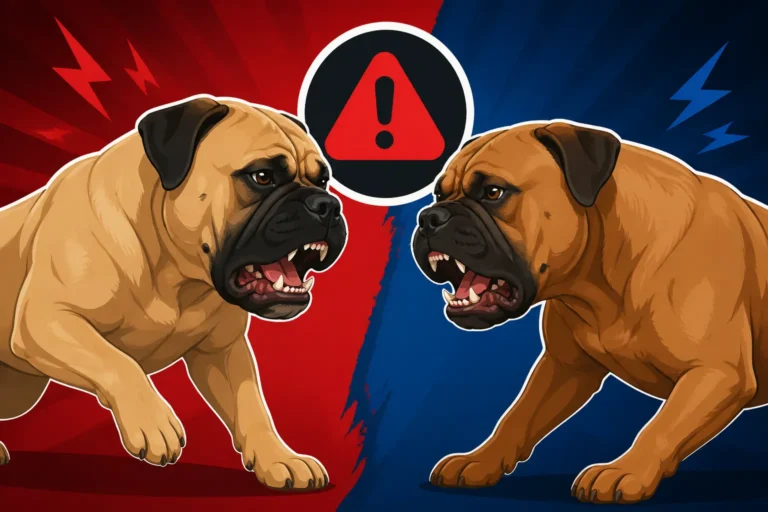
Dogs communicate constantly, and learning to interpret their signals is vital. Here are some warning signs that a Bullmastiff's interaction with a small dog is veering into dangerous territory:
- Stiff Body Language: The Bullmastiff's body becomes rigid, tail may be tucked or held very still, ears pinned back, or an intense, unblinking stare directed at the small dog.
- Growling or Snarling: Any growl or snarl, no matter how brief, should be taken seriously. This is a clear communication that the Bullmastiff is uncomfortable or asserting dominance.
- Lunging or Snapping: Even if no contact is made, a lunge or snap indicates a serious problem that needs immediate intervention.
- Resource Guarding: If the Bullmastiff becomes possessive over food, toys, sleeping spots, or even you, when the small dog is near, this is a dangerous behavior.
- Obsessive Staring/Fixation: If the Bullmastiff fixates on the small dog, following its every move with an intense gaze, it could indicate predatory intent or extreme discomfort.
If you observe any of these signs, separate the dogs immediately and reassess your strategy. It’s a call to action, not a sign of failure.
Consulting a Professional Trainer or Behaviorist
If you're seeing consistent warning signs, or if you're simply feeling overwhelmed or unsure about how to proceed, don't hesitate to consult a certified professional dog trainer or a veterinary behaviorist. These experts have the knowledge and experience to evaluate the specific dynamics between your dogs, identify underlying issues, and develop a tailored training and management plan. They can help you understand the nuances of How Stubborn a Bullmastiff Is and tailor approaches to overcome challenges.
A good professional will often start with an in-home assessment, observing the dogs in their natural environment. They can teach you practical techniques, help you reinforce good behaviors, and guide you in setting appropriate boundaries for both dogs. Sometimes, a fresh pair of experienced eyes is all it takes to shift the dynamic in a positive direction. Investing in this kind of expertise is an investment in the safety and harmony of your entire household.
Here's a table summarizing key behaviors to watch for:
| Interaction Type | Bullmastiff Behavior | Small Dog Behavior | Interpretation |
|---|---|---|---|
| Positive Play | Loose body, soft gaze, play bows, gentle nudges | Loose body, relaxed tail, inviting barks, reciprocal play | Healthy interaction, both dogs are enjoying themselves. |
| Cautious/Neutral | Curious sniffing, parallel walking, occasional glances | Avoidance, hesitant sniffing, relaxed but aware posture | Acceptable, but needs monitoring. Neither dog is overtly uncomfortable or aggressive. |
| Potential Risk | Stiff body, hard stare, freezing, low growl | Tucked tail, avoiding eye contact, trembling, submissive urination | Bullmastiff is asserting dominance or exhibiting predatory interest; small dog is fearful. Requires immediate, calm intervention. |
| High Risk | Lunging, snarling, direct stare, guarding resources | Screaming, frantic escape attempts, fear biting | Bullmastiff is displaying aggression or strong predatory behavior. Immediate and firm separation, professional help needed. |
This framework helps you quickly gauge the safety of interactions. Remember, early intervention is always better than reacting to an emergency.
Disclaimer
This article is for general informational purposes only and does not constitute professional advice. Laws, prices and regulations vary by location and change over time. Consult a qualified professional for guidance on your specific situation.