How Quiet a Bullmastiff Is Indoors
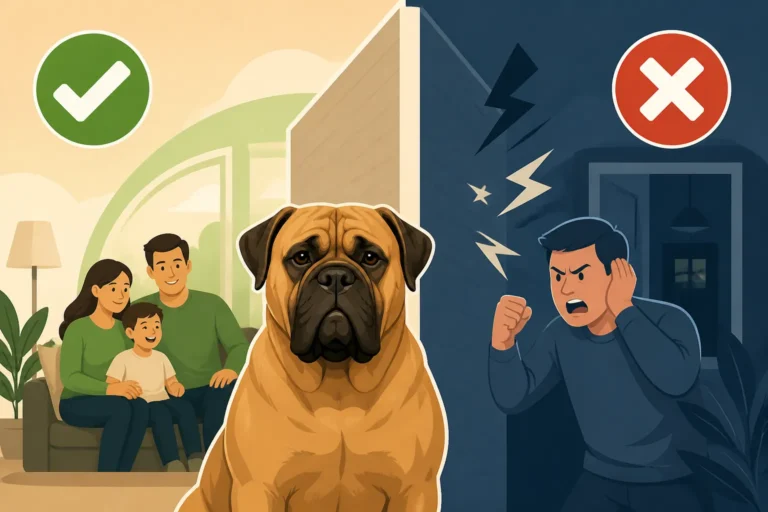
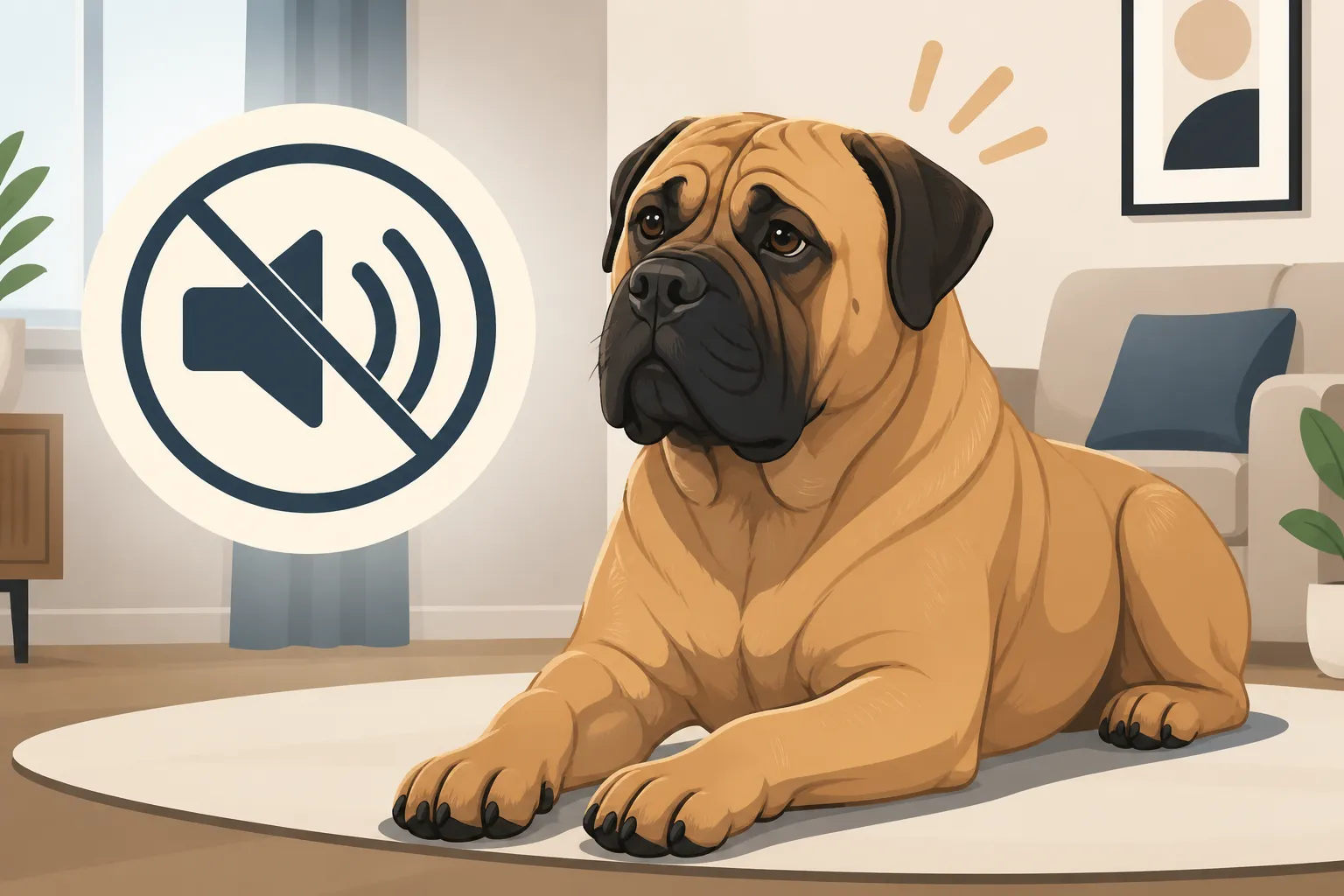
One common concern for folks considering a giant breed dog like a Bullmastiff is the noise level, especially if you live in an apartment, a home with thin walls, or just value a peaceful household. Many people imagine a huge dog must mean a huge amount of barking and general ruckus, but you might be pleasantly surprised. This guide will delve into just how quiet a Bullmastiff typically is indoors, exploring their natural inclinations, common vocalizations, and how you can foster an even more serene living environment.
The Bullmastiff's Historical Roots and Quiet Nature
It's a common misconception that all large guard dogs are incessant barkers, constantly on alert and letting the whole neighborhood know about every squirrel. However, the Bullmastiff's original purpose tells a very different story, one that directly contributes to their generally quiet demeanor indoors.
Bred for Silent Vigilance
Picture this: the vast, dark estates of 19th-century England. Gamekeepers were losing their valuable game to poachers and needed a dog that could track, corner, and hold an intruder, all without drawing attention. This wasn't a job for a yappy terrier or a dog that broadcasted its presence from a mile away. The Bullmastiff was carefully developed from a cross of the Mastiff's size and protective instinct with the Bulldog's courage and tenacity. The key was silence. A loud dog would alert the poacher and give them time to escape or arm themselves. This meant that generations of selective breeding prioritized a dog that could move and work quietly. Their role was to be a "silent guard," springing into action only when absolutely necessary, and even then, to subdue without excessive noise or aggression. This innate quietness is deeply ingrained in their breed psyche. If you're curious about their origins, you can learn more in The Bullmastiff Was Built to Catch Poachers in the Dark.
A Guard Dog, Not a Barking Alarm
While a Bullmastiff is an excellent natural protector, their guarding style isn't about constant, reactive barking. They tend to be observant, taking in their surroundings with a calm, watchful air. When someone approaches the door, they might offer a deep, resonant "woof" or two to announce the arrival, but it's rarely sustained. They're more likely to stand silently between you and a perceived threat, using their imposing size and presence as the primary deterrent. Think of it less as a car alarm that screams at every vibration, and more like a quiet, watchful security guard who only speaks when truly warranted. This trait makes them surprisingly well-suited for living in various environments, even those where excessive barking would be an issue. Their calm demeanor indoors is a direct reflection of this bred-in quiet confidence. If you've ever wondered about their vocal habits, you might find insight in Why a Bullmastiff Was Bred Not to Bark.
Understanding Typical Bullmastiff Indoor Sounds
While a Bullmastiff generally isn't a barker, that doesn't mean they're completely silent. They have a fascinating array of other vocalizations and sounds that contribute to their unique charm indoors. These aren't usually disruptive, but they are certainly part of the Bullmastiff experience.
Beyond the Bark: Grunts, Groans, and Snores
If you live with a Bullmastiff, you'll quickly become accustomed to a symphony of non-barking sounds. These dogs are masters of the grunt, the groan, and the sigh. When they settle down on their bed with a thud, you might hear a contented sigh. When they're slowly rising from a nap, there's often a deep, rumbling groan as if they're debating the merits of gravity. These are just their way of expressing themselves and communicating their current state – usually one of utter comfort or mild inconvenience at having to move.
And then there's the snoring. Oh, the snoring! Because of their short muzzles and specific head structure, many Bullmastiffs snore, and they can do it with surprising volume and enthusiasm. It's not uncommon to hear them sawing logs from another room, sometimes sounding like a small, very noisy bear. It's just part of living with the breed, and most owners find it becomes a comforting background noise rather than an annoyance. Understanding How Loudly a Bullmastiff Snores can help you prepare for this common Bullmastiff characteristic. While you might consider investing in a high-quality orthopedic dog bed from a major retailer like Amazon for their comfort, don't expect it to magically cure the snoring!
The Sound of Contentment: Sighs and "Talking"
Beyond the grunts and snores, Bullmastiffs often "talk" to their people. This isn't barking, but more of a low rumble, a soft "roo-roo-roo," or a series of sighs and nasal exhalations. It's often accompanied by leaning into you or nudging your hand for attention. They might "talk" when they want a treat, when they're excited to see you after a short absence, or when they just want to express their affection. It's a very endearing trait that speaks to their strong bond with their human family. Think of it as their subtle way of chatting without resorting to loud barks. These sounds are often quiet, intimate, and a sign of a happy, well-adjusted Bullmastiff.
The Occasional Alarm: When They Do Bark Indoors
While generally quiet, a Bullmastiff will certainly bark when they deem it necessary. The key word here is "necessary." This might include a stranger at the door, an unusual noise outside (like a delivery truck pulling up or a stray cat darting across the window), or if they feel something is amiss. Their bark is typically deep, guttural, and commanding – a sound that leaves no doubt about its seriousness. They usually give a few barks to alert you and then quiet down to observe, waiting for your cue.
If your Bullmastiff starts barking excessively indoors, it's usually a sign that something is wrong, or they're experiencing an unmet need. This could be due to anxiety, boredom, or a lack of proper training and socialization. It's important to differentiate between a natural, alert bark and excessive, problematic barking. Addressing the root cause is crucial. For example, ensuring they have enough mental stimulation with puzzle toys can help curb boredom-induced barking. Knowing What Makes a Bullmastiff Bark can help you understand and manage these situations effectively.
Managing Indoor Noise and Promoting Calm
Even with a naturally quiet breed like the Bullmastiff, there are always steps you can take to ensure your home remains a tranquil haven for both you and your giant companion. A little proactive planning goes a long way.
Establishing a Quiet Routine
Consistency is key with any dog, and Bullmastiffs thrive on routine. A predictable schedule for meals, potty breaks, and exercise helps them feel secure and reduces anxiety, which can sometimes manifest as restlessness or vocalizations. Ensure they have a comfortable, designated space where they can retreat and feel safe, perhaps a large crate or a cozy bed in a quiet corner. Regular, moderate exercise is vital – not so much that it stresses their joints, but enough to burn off excess energy and keep them mentally stimulated. A good long walk or some controlled playtime in the yard is usually sufficient. Remember, What a Bullmastiff Needs Every Day, Which Is Less Than You Think often involves mental calm as much as physical exertion.
Beyond the physical, consider their mental stimulation. Bullmastiffs are intelligent and appreciate a good challenge. Interactive puzzle toys filled with treats can keep them quietly occupied for extended periods. Simple training sessions, even just 10-15 minutes a day, can engage their minds and reinforce calm behavior. A well-exercised and mentally engaged Bullmastiff is a quiet Bullmastiff.
Addressing Specific Noises
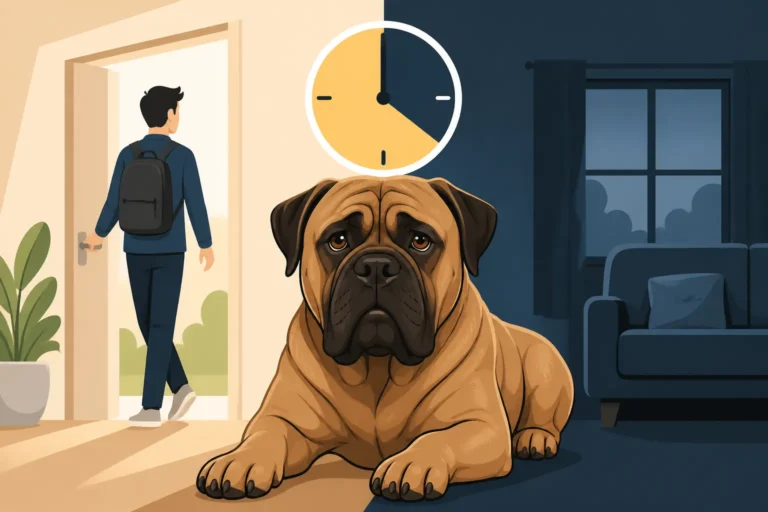
If snoring is particularly bothersome, first, have your vet check for any underlying respiratory issues, though often it's just a breed characteristic. For general household calm, consider soundproofing solutions like heavy curtains or rugs to absorb ambient noise. For a Bullmastiff that might be vocalizing due to separation anxiety, gradual desensitization and counter-conditioning techniques are vital. Resources like BAXTER & Bella, an online puppy school, offer comprehensive training programs that can help address anxiety and promote calm behavior, even when you're not around.
Sometimes, excessive whining or soft moans can be a subtle sign of discomfort or pain, especially in an older Bullmastiff. These dogs are famously stoic, and they How a Bullmastiff Hides Pain, so any change in their usual quiet demeanor, particularly an increase in vocalization that isn't clearly playful or communicative, warrants a vet visit. It's always best to rule out medical issues first.
Choosing the Right Gear for a Quiet Home
The right accessories can contribute to a calmer home environment. A robust, appropriately sized crate provides a secure den for your Bullmastiff, reducing anxiety and encouraging quiet rest. Look for models designed for giant breeds, which can be found on platforms like Amazon, offering plenty of space. For their comfort and your peace, an orthopedic dog bed is non-negotiable. It supports their massive joints and encourages deep, quiet sleep. A comfortable dog is a quiet dog.
| Type of Sound | Typical Bullmastiff Context | Common Interpretation | Management Strategy (if disruptive) |
|---|---|---|---|
| Barking | Doorbell, stranger at door, unusual outdoor noise, perceived threat | Alert, warning, territorial | Acknowledge, investigate, reward quiet response |
| Grunting/Groaning | Rising, settling, stretching, shifting position | Contentment, mild effort, "old man" sounds | Generally no management needed, part of their charm |
| Sighing | Settling for a nap, after a meal, receiving affection | Contentment, relaxation | Generally no management needed |
| Snoring | Deep sleep | Normal for breed (brachycephalic) | Orthopedic bed, vet check for severe cases |
| Whining/Soft Roar | Seeking attention, expressing mild desire (e.g., treat) | Communication, subtle request | Respond to appropriate requests, ignore excessive |
| Panting (loud) | After exercise, feeling too warm, stress | Cooling down, exertion, anxiety | Ensure cool environment, manage exercise, calm stress |
Bullmastiff Behavior and Its Impact on Home Noise
A Bullmastiff's unique personality and physical presence also play a role in the sounds (or lack thereof) you'll experience indoors. Understanding their typical behaviors can help you anticipate and manage their impact on your home's noise level.
The "Shadow" Dog and Movement Sounds
One of the endearing traits of a Bullmastiff is their tendency to be a "velcro dog," following you from room to room. This means you won't often be alone, and neither will your silence! As they amble along, you'll hear the soft pad of their giant paws, perhaps a jingle of their collar, and the occasional sigh as they settle at your feet once you stop. While this isn't "noise" in the traditional sense, it's a constant, comforting presence. If you’re used to a quiet, solitary home, getting used to the gentle thuds and sighs of a massive dog following you around might be an adjustment, but it's rarely disruptive. It's just a part of Why a Bullmastiff Follows You Room to Room.
Playtime and Indoor Enthusiasm
Even though Bullmastiffs are generally calm indoors, they certainly have their playful moments. A burst of "zoomies" might involve them galloping across the living room with surprising speed, which can create quite a bit of thumping and floor noise. They might also enjoy a good game of tug with a sturdy toy, which can involve some excited grunts and huffs. While they aren't typically destructive chewers if adequately stimulated, a bored Bullmastiff might resort to mouthing furniture or objects, which can create noise. Providing appropriate chew toys – durable ones found on Amazon are a good starting point – can redirect this energy. It’s important to supervise indoor play, especially with puppies, to prevent accidental bumps or tumbles. Their sheer size means even gentle play can be impactful, so ensuring they have enough space and appropriate outlets for their energy is crucial.
Crate Training for Peace and Quiet
Crate training is an invaluable tool for any dog owner, but it's particularly beneficial for Bullmastiffs. A crate, when introduced correctly as a safe and comfortable den, can be a fantastic way to promote quiet time and prevent destructive behaviors when you can't actively supervise. It offers them a secure space to relax, reduces anxiety, and teaches them to settle. For a Bullmastiff puppy, it helps with house training and gives them a quiet place away from household hustle and bustle. As adults, it remains a valuable tool for travel, vet visits, or simply providing a designated quiet retreat. For owners, it offers peace of mind, knowing your Bullmastiff is safely and quietly resting, not getting into mischief. BAXTER & Bella’s online resources often provide excellent guidance on positive crate training techniques, helping you establish this positive routine from the start.
In summary, Bullmastiffs are generally considered a quiet breed indoors, particularly when it comes to barking. They possess a calm, watchful nature inherited from their gamekeeping ancestors. While they aren't silent – you'll become very familiar with their grunts, groans, and snores – these sounds are typically more charming than disruptive. By providing a consistent routine, adequate exercise and mental stimulation, and a comfortable environment, you can foster a truly serene home life with your Bullmastiff.
Disclaimer
This article is for general informational purposes only and does not constitute professional advice. Laws, prices and regulations vary by location and change over time. Consult a qualified professional for guidance on your specific situation.