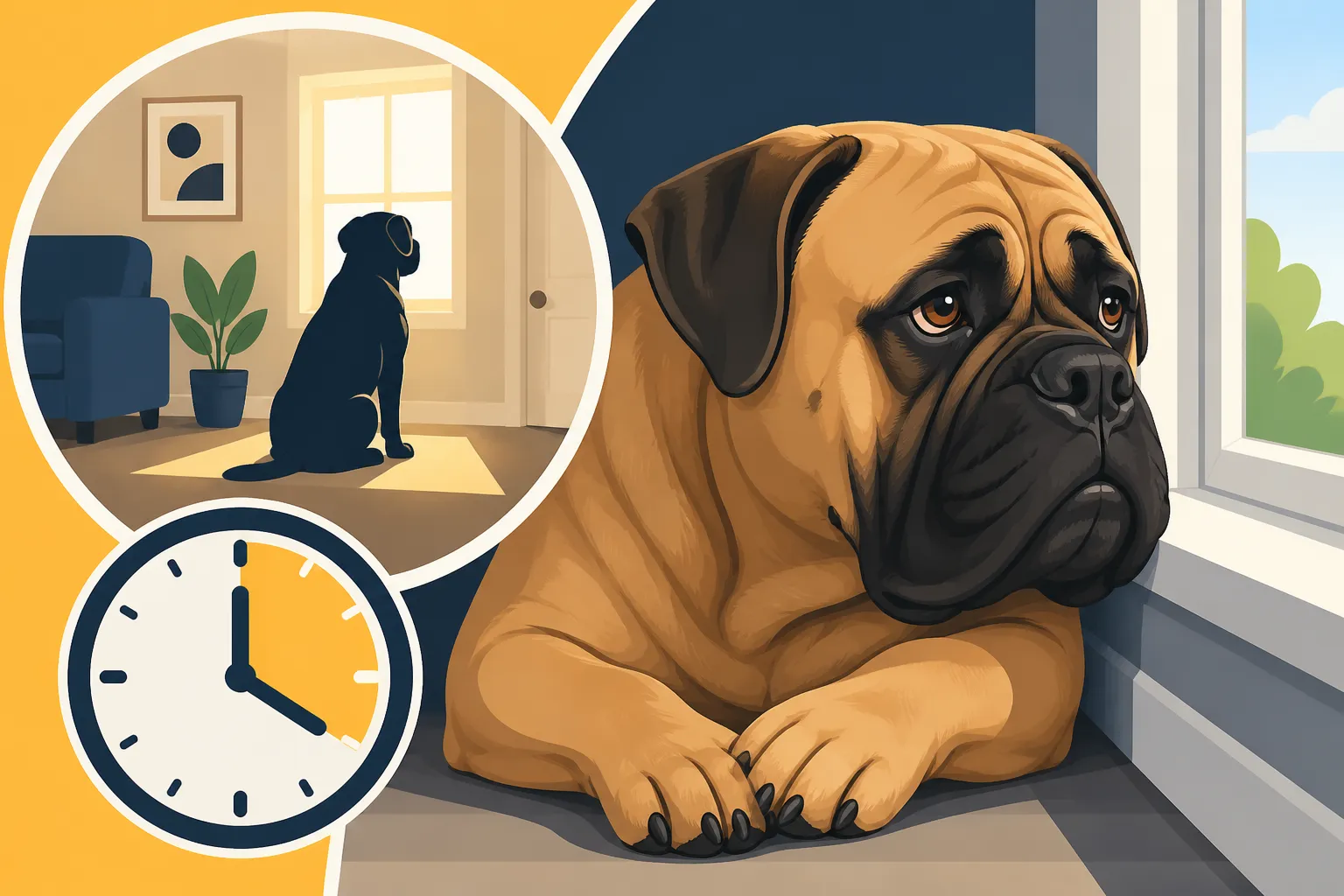
How Long a Bullmastiff Copes Alone
It's a common dilemma for Bullmastiff owners, isn't it? You adore your big, gentle companion, but life demands you step out the door sometimes, whether for work, errands, or a much-needed social outing. The worry then sets in: How long is too long to leave my Bullmastiff alone? This guide dives deep into the realities of a Bullmastiff's temperament and needs when it comes to solitude, offering practical advice and understanding to help both you and your loyal friend cope with time apart.
Understanding Your Bullmastiff's Innate Nature and Independence
Bullmastiffs are truly magnificent dogs, bred for a unique purpose. They were the "Gamekeeper's Night Dogs," required to work silently and hold poachers, not maul them. This history instilled a profound sense of protectiveness and a strong bond with their human family. However, this history also means they aren't always naturally inclined towards long stretches of solitude.
The Guarding Instinct vs. Companionship Needs
On one hand, their guarding instinct means they are highly attuned to their environment and the presence (or absence) of their family. They are, by nature, vigilant. When their family unit disperses, it can sometimes feel unsettling to a Bullmastiff, who might perceive it as their 'pack' being vulnerable or incomplete. They thrive on companionship and being near their people, often following you from room to room just to be in the same space. This isn't clinginess in a negative sense, but rather a deep-seated desire to be part of the action and to fulfill their protective role, even if that 'action' is just watching you do laundry.
However, despite this strong desire for companionship, a well-adjusted Bullmastiff can develop a surprising degree of independence, especially if trained and socialized appropriately from a young age. Their calm and deliberate nature, as opposed to a high-strung breed, means they can often settle down if they understand the routine and feel secure. The key is to nurture this independence within the framework of their protective and companionable instincts, rather than expecting them to be aloof. It's a delicate balance, appreciating their desire to be with you while gently teaching them that your departures are temporary and safe.
How Maturity Affects Alone Time Tolerance
Bullmastiffs are a slow-maturing breed; it’s widely accepted that A Bullmastiff Is Not Grown Up Until Three. This extended puppyhood and adolescence mean their tolerance for being alone will evolve significantly over time. A young Bullmastiff puppy, under six months, should ideally not be left alone for more than 2-3 hours at a stretch, and even that requires careful preparation and a secure, puppy-proofed space. They have tiny bladders, boundless curiosity that can lead to mischief, and a strong need for reassurance and frequent interaction.
As they mature into adolescence (roughly 9 months to 2 years), you might find a bit of a Jekyll-and-Hyde situation. They might seem more confident and capable of handling alone time, but this is also when they can develop more serious behavioral issues like separation anxiety if not managed correctly. Their physical strength also means any destructive tendencies can escalate quickly. By the time they reach full maturity around age three, a well-trained and confident Bullmastiff can typically handle longer periods of solitude, provided their needs for exercise, mental stimulation, and companionship are met before and after you leave. An adult Bullmastiff with a solid routine might be able to manage 4-6 hours, sometimes even 8 in ideal circumstances, but this should be the exception rather than the norm.
Common Challenges When Leaving a Bullmastiff Alone
It's easy to feel overwhelmed by the thought of leaving your large, powerful Bullmastiff alone, especially if you've heard horror stories or experienced a few "incidents" yourself. Understanding the root cause of any problems is the first step towards finding a solution. It's often not about spite or disobedience, but underlying needs that aren't being met.
Separation Anxiety vs. Boredom
Many owners immediately jump to "separation anxiety" when their dog acts out while alone, but it's crucial to distinguish this from simple boredom. Separation anxiety is a genuine panic disorder, characterized by extreme distress when separated from a primary attachment figure. Signs include frantic attempts to escape (leading to self-injury), excessive drooling, persistent barking, howling, or whining, and house-soiling even in house-trained dogs. A Bullmastiff suffering from true separation anxiety is often inconsolable and shows these symptoms almost immediately after you leave, and sometimes even before you walk out the door. The emotional toll on the dog is immense.
Boredom, on the other hand, is a common culprit for less severe but equally frustrating behaviors. A bored Bullmastiff might chew inappropriate items, rearrange furniture (sometimes quite creatively!), or engage in excessive barking as a way to self-entertain or call for attention. The key difference is often the emotional intensity: a bored Bullmastiff might look for something to do, while an anxious Bullmastiff is actively panicking and trying to reunite with you. If you suspect your Bullmastiff is anxious alone, it’s imperative to consider Signs a Bullmastiff Is Anxious Alone and consult with a professional dog behaviorist or vet for guidance.
Destructive Behaviors and Noise Complaints
When a Bullmastiff is left alone and either bored or anxious, the results can be quite… dramatic. Their sheer size and strength mean that even a "minor" outburst can cause significant damage. What a Bored Bullmastiff Destroys can range from chewing up sofa cushions to pulling down curtains, or even attempting to chew through doors or walls. This isn't usually born of malice, but a desperate need to expend energy, relieve stress, or simply find something interesting to do.
Beyond property damage, noise can become a major issue. A Bullmastiff that continuously barks, howls, or whines while you're gone can quickly lead to strained relationships with neighbors, especially in apartments or densely populated areas. This noise might be a plea for attention, a reaction to external stimuli, or a manifestation of anxiety. It's a common frustration, and one that often prompts owners to seek solutions. Remember, a Bullmastiff's bark is deep and resonant, designed to deter, so when it's used persistently indoors, it can be quite disruptive.
Setting Up Your Bullmastiff for Success When You're Away
Preventing issues before they start, or addressing them systematically, is the most loving and effective approach to helping your Bullmastiff cope with being alone. It's about building confidence, establishing routine, and providing appropriate outlets.
Creating a Safe and Comfortable Space
Where your Bullmastiff spends their alone time is incredibly important. A secure, comfortable, and consistent space can become their safe haven. For many Bullmastiffs, a large crate is an excellent tool, provided it's introduced positively and never used for punishment. It should be big enough for them to stand up, turn around, and stretch out comfortably. Line it with a thick, orthopedic bed – a must for such heavy dogs – and maybe a soft blanket that carries your scent. Many owners find durable, chew-resistant beds on platforms like Amazon.
If crating isn't an option or your Bullmastiff is too large or uncomfortable with it, a designated "dog-proofed" room can work well. This could be a laundry room, a kitchen, or a spare bedroom from which you've removed anything valuable or potentially dangerous. Ensure windows are covered to minimize outside distractions and prevent them from barking at passersby. A baby gate can help define the space. The goal is to create an environment where your Bullmastiff feels safe, can't get into trouble, and isn't overwhelmed by too much freedom.
Enrichment Strategies to Combat Boredom
Boredom is the enemy of a peaceful absence. Providing appropriate mental and physical stimulation before you leave, and engaging activities while you're gone, is paramount. A good, solid walk or play session before you head out can make a world of difference. What a Bullmastiff Needs Every Day, Which Is Less Than You Think often involves quality, not just quantity, of exercise. After that, having something engaging to do helps fill the void.
Here are some great enrichment ideas:
- Puzzle Toys and Food Dispensers: These are fantastic for keeping a Bullmastiff's mind engaged. Fill a sturdy Kong or a similar durable toy with peanut butter, yogurt, or wet food and freeze it. It'll take them a long time to get through, providing a constructive outlet for chewing and problem-solving.
- Chew Toys: Always have a variety of safe, durable chew toys available. Look for options designed for power chewers. Remember, safety first – no small or easily digestible parts.
- Scent Work: Hiding treats around their designated safe space can turn alone time into a fun scavenger hunt.
- Calming Aids: Some dogs benefit from calming diffusers, like those that mimic canine appeasing pheromones, or even classical music specifically designed for dogs.
| Enrichment Type | Description | Benefits |
|---|---|---|
| Puzzle Feeders | Toys that dispense kibble or treats only when manipulated by the dog. E.g., Kong Wobbler, Snuffle Mats. | Mental stimulation, slows down eating, reduces boredom, provides a sense of accomplishment. |
| Durable Chew Toys | Robust toys made from rubber, nylon, or natural materials designed to withstand strong chewing. | Satisfies natural urge to chew, reduces stress, can help with dental hygiene, prevents destructive chewing. |
| Scent Games | Hiding treats or favorite toys for the dog to find using their nose. | Engages natural instincts, mentally tiring, builds confidence, can be done indoors. |
| Lick Mats | Silicone mats with textured surfaces that you spread soft food (like peanut butter) onto for licking. | Calming and soothing, releases endorphins, keeps them occupied for extended periods. |
Gradual Desensitization Training
The idea of desensitization is to gradually expose your Bullmastiff to alone time, building their tolerance bit by bit. This is particularly important for puppies and dogs with mild anxiety. Start with very short absences – literally seconds – and slowly increase the duration.
- Practice Departure Cues: Pick up your keys, put on your shoes, or grab your bag – all the things you do before leaving. Do these actions, then sit back down without leaving. Repeat many times until your Bullmastiff no longer reacts with apprehension.
- Short Absences: Step outside for 30 seconds, then come back in. Don't make a big fuss when you leave or return. The goal is to make your departure and return a non-event. Gradually increase this to a minute, then five, then ten, and so on.
- Vary Your Routine: Don't always leave for the same duration or at the same time. This prevents your Bullmastiff from predicting your schedule and building anxiety around specific departure times.
- Positive Reinforcement: When you return and your Bullmastiff is calm, quietly offer a treat or praise. You want to reward the calm behavior, not the excited greeting.
For puppies, this process is part of their fundamental training. An online program, such as those offered by BAXTER & Bella, can provide a structured approach to early socialization and independence training, laying a strong foundation for handling alone time later on. Consistency is key here.
Practical Strategies for Managing Extended Alone Time
Sometimes, no matter how much we plan, life calls for us to be away for longer stretches than our Bullmastiff might ideally prefer. When this happens, it's about building a robust support system and using modern tools to bridge the gap.
Utilizing Professional Support and Resources
You don't have to navigate extended alone time alone! Professional help can be invaluable.
- Dog Walkers/Pet Sitters: For days when you'll be gone for more than 4-6 hours, arranging for a trusted dog walker to come in midday can be a lifesaver. They can provide a potty break, some exercise, and a much-needed dose of human interaction. A professional pet sitter can offer in-home care, which is often less stressful for Bullmastiffs than boarding, as they get to stay in their familiar environment. This is especially helpful if you're exploring How Many Hours a Bullmastiff Can Be Left and realizing your schedule exceeds their comfort zone.
- Daycare (Carefully Chosen): While not all Bullmastiffs are suited for dog daycare due to their guarding instincts or potential for same-sex aggression, a reputable, carefully managed daycare can be a fantastic option for some. Look for facilities with separate areas for large breeds, staff experienced with Bullmastiff temperaments, and a focus on positive interactions. Always do a temperament test and trial days.
- Veterinary Behaviorists: If your Bullmastiff is exhibiting severe signs of separation anxiety, a certified veterinary behaviorist is the best resource. They can differentiate between anxiety and other issues, and develop a tailored treatment plan that might include behavior modification, medication, or a combination of both.
Incorporating Technology and Monitoring
In this modern age, technology offers some incredible tools to help us monitor and even interact with our Bullmastiffs when we're not home.
- Pet Cameras: A pet camera, often easily found on Amazon, allows you to check in on your Bullmastiff throughout the day. Many models offer two-way audio, treat dispensers, and even night vision. This can provide immense peace of mind, allowing you to see if your dog is truly resting calmly, or if they're exhibiting signs of distress. It can also help you pinpoint triggers or patterns in their behavior. For instance, you might notice they only start pacing when the mail truck goes by, or that they settle after 20 minutes of initial whining.
- Smart Home Devices: Some smart home systems can be integrated with pet cameras or smart feeders, allowing you to dispense a treat remotely or turn on calming music.
- Activity Trackers: While primarily for exercise monitoring, some activity trackers can give insights into your Bullmastiff's general activity levels while you're away, helping you understand if they're restless or genuinely sleeping.
Remember, while technology is a great aid, it's not a substitute for proper training, exercise, and companionship. It's a tool to help you understand and manage the situation better, not to replace your presence entirely.
The Realities of a Bullmastiff's Tolerance for Solitude
Let's be realistic: a Bullmastiff is a large, intelligent, and companion-oriented breed. While they can be taught to tolerate alone time, expecting them to thrive when left for 9-10 hours every single weekday is often asking too much. They are not built for extreme solitude.
Recognizing the Signs of Stress
It's vital to be attuned to the more subtle signs that your Bullmastiff isn't coping well, even if they aren't destroying the house. These can include:
- Excessive grooming or licking: Chewing on paws or licking certain spots on their body can be a displacement behavior due to stress or anxiety.
- Loss of appetite/refusal to eat: If they're not touching their puzzle toy or meal you left for them, it could indicate stress.
- Changes in greeting: Are they frantic and overly excited when you return, or do they seem withdrawn?
- Subtle destructive behaviors: Chewing on a rug edge, scratching at the door frame, or moving items around can be small indicators of boredom or mild anxiety.
- Increased clinginess when you are home: If they suddenly become a shadow, more so than their usual affectionate nature, it might be a sign they're worried about you leaving again.
- Digestive upset: Stress can manifest in loose stools or vomiting.
Observing these cues requires a keen eye. Sometimes, you might think your Bullmastiff is perfectly fine, but a review of camera footage or a chat with a dog walker might reveal otherwise. Every dog is an individual, and their signals for discomfort can be unique. Being a responsible Bullmastiff owner means paying attention to these nuances.
When to Re-evaluate Your Routine
There comes a point when, despite all efforts, your Bullmastiff's struggles with alone time might indicate that your routine simply isn't working for them. This might be a difficult truth to face, but it's essential for their well-being. If you've tried enrichment, professional support, training, and still find your Bullmastiff is consistently stressed or destructive, it's time to consider bigger changes.
- Adjusting Work Schedules: Can you work from home more frequently, or adjust your hours to have shorter days? Even coming home for an hour at lunch can make a massive difference.
- Enlisting Family/Friends: Do you have a trusted friend, family member, or neighbor who could pop in for a visit or a short walk?
- Considering a Companion: While not a solution for separation anxiety from you, some Bullmastiffs might benefit from the company of another dog. This is a huge commitment and requires careful consideration of compatibility and training.
- Long-Term Lifestyle Changes: In rare, severe cases, if all else fails and your Bullmastiff's quality of life is genuinely suffering, it might require re-evaluating your entire lifestyle or, in very extreme circumstances, finding a home where they can receive the constant companionship they need. This is a heartbreaking decision but an act of ultimate love.
Ultimately, Bullmastiffs thrive on routine and companionship. While they can and should learn to be comfortable alone for reasonable periods, they are not dogs designed to be isolated for the majority of their waking hours. Their happiness and well-being are intrinsically linked to their bond with you, and understanding How Much Time a Bullmastiff Takes Each Day is crucial for ensuring a long and happy life together. It's about finding that balance where your Bullmastiff feels secure, loved, and confident, even when you're not right by their side.
Disclaimer
This article is for general informational purposes only and does not constitute professional advice. Laws, prices and regulations vary by location and change over time. Consult a qualified professional for guidance on your specific situation.