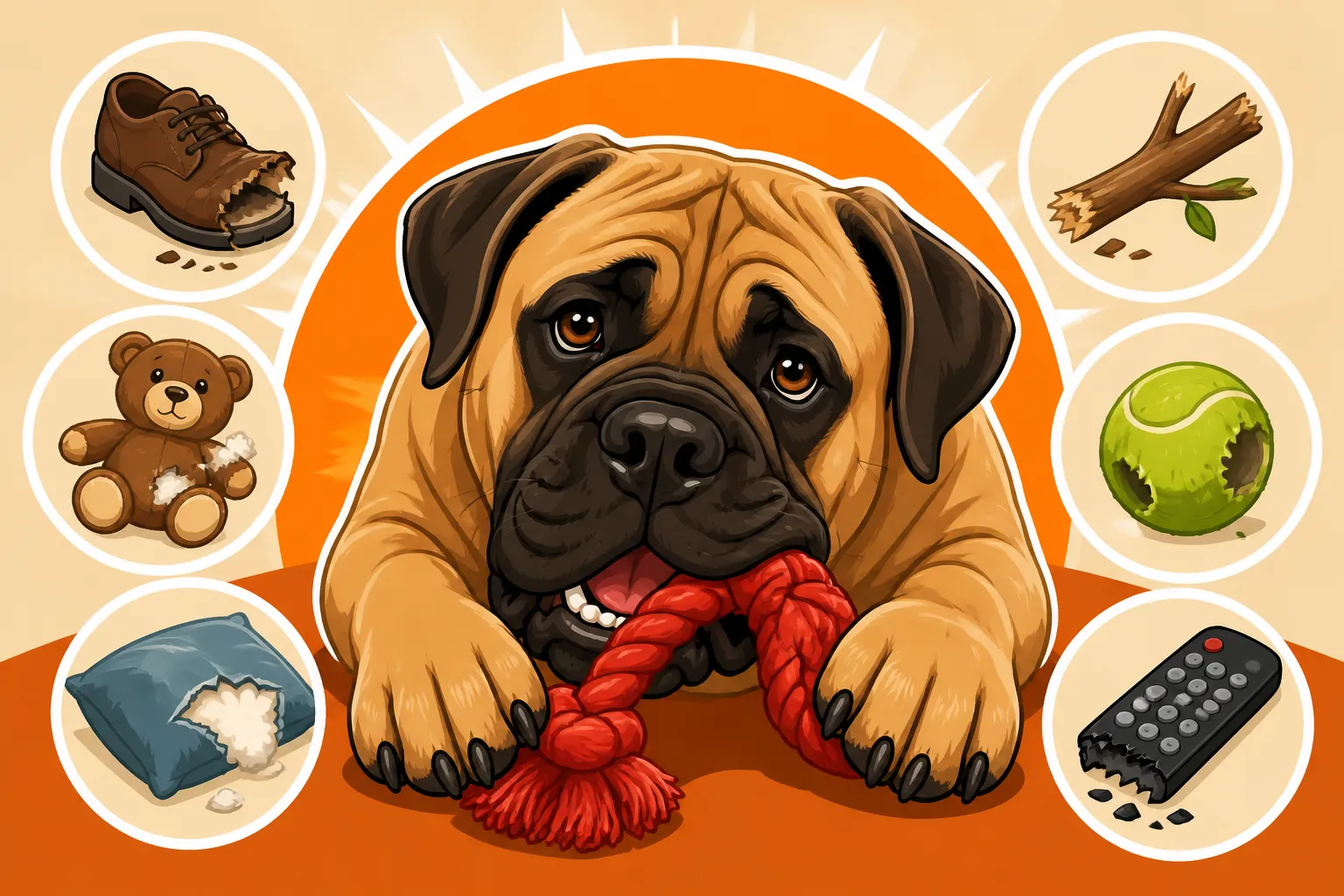
What a Bullmastiff Chews
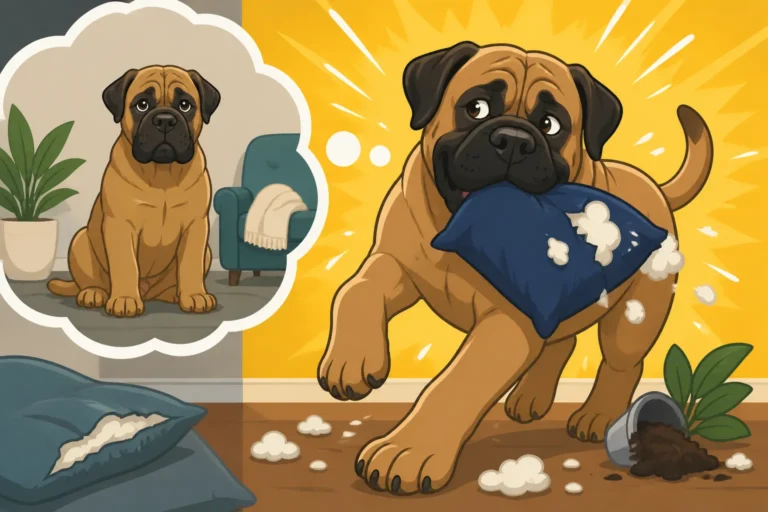
It's incredibly frustrating, isn't it, when your big, beloved Bullmastiff decides that your favorite shoe, the leg of the coffee table, or even the corner of the drywall is the most delightful chew toy in the house? You love them dearly, but the damage to your belongings can be baffling and expensive. This guide is here to help you understand why your Bullmastiff chews, how to offer safe and satisfying alternatives, and practical strategies to protect your home and your peace of mind from destructive chewing.
Understanding Why Your Bullmastiff Chews
Chewing is a natural, instinctual behavior for dogs, and Bullmastiffs, with their powerful jaws and intelligent minds, are certainly no exception. While it can feel like a personal affront to your carefully curated home, your Bullmastiff isn't chewing to annoy you; they're fulfilling a deeply ingrained need. Pinpointing the root cause is the first step toward managing the behavior effectively.
Puppy Teething and Exploration
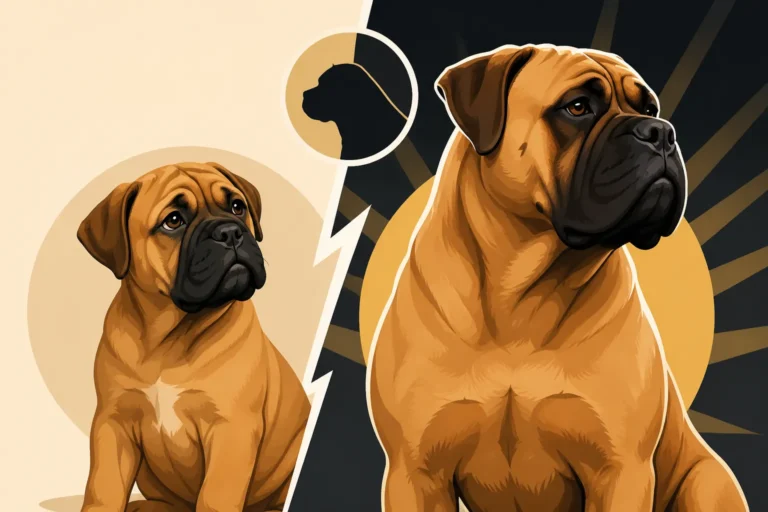
Just like human babies, Bullmastiff puppies experience a period of teething that can be quite uncomfortable for them. From about 3 to 7 months of age, their sharp puppy teeth fall out, and their adult teeth begin to erupt. This process can cause sore gums and an intense urge to chew on anything that provides relief. It's not uncommon for them to gravitate towards softer items that offer a counter-pressure massage to their gums.
Beyond teething pain, puppies also use their mouths as a primary tool for exploring the world around them. Every new texture, scent, and object becomes a fascinating item to investigate with their powerful little jaws. This exploratory chewing is vital for their development, but without proper guidance, it can easily turn into destructive habits as they grow larger and stronger. Imagine a toddler putting everything in their mouth, but with the added strength of a developing giant breed puppy – that’s your Bullmastiff.
Boredom, Anxiety, and Stress
While some chewing is normal, excessive or destructive chewing often signals an underlying emotional need. Bullmastiffs are intelligent and need mental stimulation, even if their physical exercise requirements aren't as high as some other breeds. A bored Bullmastiff is a creative Bullmastiff, and their creativity often manifests in ways that are less than ideal for your furniture. If they're left alone for long periods without appropriate entertainment or interaction, they might turn to chewing to pass the time.
Anxiety is another major culprit. Separation anxiety, for instance, can trigger intense chewing episodes, especially when you leave the house. A Bullmastiff experiencing stress might chew as a self-soothing mechanism, similar to how some people bite their nails or pace. They are sensitive souls beneath that formidable exterior, and sudden changes in routine, new environments, or even loud noises can contribute to their anxiety. It's worth considering if your Bullmastiff is displaying Signs a Bullmastiff Is Anxious Alone.
Instinctual Behavior and Oral Fixation
Let's not forget the Bullmastiff's heritage. These dogs were originally bred to be estate guardians, holding poachers at bay without maiming them. This historical role required immense jaw strength and a strong oral fixation – the ability to grip and hold. While today's Bullmastiffs aren't actively apprehending trespassers, that powerful instinct for oral engagement remains. Chewing provides a satisfying outlet for this primal drive.
For many Bullmastiffs, chewing isn't just a temporary phase; it's a lifelong hobby. It stimulates their minds, exercises their jaws, and can even help keep their teeth clean. Denying this natural behavior entirely is not only impossible but also detrimental to their well-being. The key is to channel this powerful instinct towards appropriate and safe items, which requires understanding and patience as you work on Training a Bullmastiff That Weighs More Than You Do.
Safe and Satisfying Chewing Options
Once you understand why your Bullmastiff is chewing, the next step is to provide appropriate outlets. The market is flooded with chew toys, but for a Bullmastiff, "durable" takes on a whole new meaning. You need items that can stand up to a powerful jaw and won't splinter or be ingested too quickly.
Durable Chew Toys for Power Chewers
When it comes to chew toys for a Bullmastiff, think industrial strength. Flimsy rubber or soft plastic toys simply won't cut it and can quickly become choking hazards. Look for toys specifically marketed for "power chewers" or "giant breeds." Brands that use dense, non-toxic rubber or nearly indestructible nylon are often good choices. Always pick toys that are appropriately sized for your Bullmastiff to prevent accidental swallowing. A toy that's too small is a serious danger.
Consider rotating your Bullmastiff's chew toys. Keeping only a few out at a time and regularly swapping them with others you have stored away can maintain novelty and interest. This makes the toys feel "new" again, preventing your dog from becoming bored with the same old things. You can find a vast selection of durable chew toys on platforms like Amazon, but always read reviews from other large breed owners to gauge true durability.
Edible Chews and Natural Alternatives
Edible chews can be a fantastic way to satisfy your Bullmastiff's chewing urges, but they come with a few caveats. Always supervise your dog when they have an edible chew to ensure they're not breaking off large pieces that could cause choking or intestinal blockages. Bully sticks, for example, are often a popular choice and can last a decent amount of time for a motivated chewer. Dental chews can also serve a dual purpose, providing chewing satisfaction while helping to clean teeth, though they are usually consumed more quickly.
When considering natural bone chews, extreme caution is advised. Many cooked bones can splinter easily and cause serious internal damage. Raw recreational bones (like large beef femurs) might be an option for some, but they still carry risks of broken teeth or bacterial contamination. Never offer rawhide; it can swell in the stomach and cause dangerous blockages. Always consult with your veterinarian before introducing any new type of edible chew, especially if your Bullmastiff has a sensitive stomach or a history of dental issues.
Interactive and Puzzle Toys
Chewing isn't just about jaw exercise; it's also about mental stimulation. Interactive and puzzle toys can kill two birds with one stone, engaging your Bullmastiff's mind while also satisfying their urge to chew or work for a reward. These toys often require your dog to manipulate them to release treats or kibble, transforming mealtime into a mental workout.
A classic example is a rubber toy that can be stuffed with peanut butter, yogurt, or wet food and then frozen. This extends the chewing experience considerably and provides a rewarding challenge. Filling a puzzle toy with part of their daily kibble ration can slow down their eating and keep them occupied for a good while. Many Bullmastiff owners find that Whether Puzzle Toys Satisfy a Bullmastiff depends heavily on the toy's difficulty and the reward inside, so experiment to find your dog's favorites. These toys are invaluable for keeping a smart Bullmastiff engaged and can significantly reduce boredom-induced chewing.
Managing Destructive Chewing Habits
Even with the best intentions and the most durable toys, destructive chewing can still crop up. It's a battle of wits and consistency, especially with a dog as smart and determined as a Bullmastiff. Effective management involves both prevention and redirection.
Puppy-Proofing Your Home
Prevention is always easier than cure. Before your Bullmastiff puppy arrives, or if you're battling an existing chewing problem, conduct a thorough "puppy-proofing" sweep of your home. Get down on their level and look for anything tempting they might get into.
- Remove Temptation: Put away shoes, remote controls, books, and anything else that's at mouth height. If you don't want it chewed, it shouldn't be accessible.
- Secure Cords: Electrical cords are incredibly dangerous. Secure them, use cord protectors, or block access entirely.
- Designated Safe Space: Create a designated safe space, like a large crate or an exercise pen, especially for when you can't directly supervise them. This space should contain their favorite safe chew toys, a comfortable bed, and water. This is particularly important during The First Year With a Bullmastiff Puppy when their exploratory chewing is at its peak.
- Child Locks: Don't forget low cabinets with cleaning supplies or other dangerous items. Bullmastiffs are strong and can open things you might not expect.
Consistent Training and Redirection
This is where your patience and consistency really come into play. When you catch your Bullmastiff chewing on an inappropriate item, avoid harsh punishment, as this can create fear or make them chew more secretly. Instead, use redirection:
- Interrupt and Redirect: A firm but calm "No!" or "Leave it!" followed immediately by offering them an appropriate chew toy. As soon as they take the correct toy, praise them enthusiastically.
- Positive Reinforcement: Reward them consistently for chewing on their own toys. Make their appropriate chew toys the most exciting things around.
- "Drop It" and "Leave It": These commands are essential. Start practicing them in low-distraction environments with low-value items, gradually working up to more tempting objects. You want your Bullmastiff to understand that letting go of something unwanted means they get something better. Remember, Bullmastiffs are thoughtful dogs and might pause before obeying, so be patient and persistent.
Providing Adequate Exercise and Mental Stimulation
While Bullmastiffs aren't marathon runners, they still need regular, appropriate exercise and plenty of mental engagement. A tired dog, both physically and mentally, is a good dog.
- Physical Activity: Daily walks are a must. For a Bullmastiff puppy, keep walks short and avoid high-impact activities to protect their developing joints, as discussed in Why a Bullmastiff Puppy Should Not Run on Concrete. As adults, they still need moderate exercise, but remember Why a Bullmastiff Needs Less Exercise Than It Looks. They are prone to overheating, so exercise should be timed to cooler parts of the day.
- Mental Workouts: Bullmastiffs thrive on mental challenges. Beyond puzzle toys, consider short, engaging training sessions throughout the day. Learning new commands, practicing obedience, or even playing hide-and-seek with treats can provide valuable What Mental Work a Bullmastiff Needs. They might not be the fastest at learning complex tricks, but their desire to please their family makes them willing participants. Even 10-15 minutes of dedicated mental exercise a few times a day can make a huge difference in reducing boredom-driven chewing.
When to Seek Professional Help
Most chewing issues can be managed with consistency, proper toy selection, and environmental management. However, there are times when destructive chewing points to a deeper issue that warrants professional intervention. Knowing when to reach out for help can prevent serious problems for both your Bullmastiff and your home.
Persistent Destructive Chewing
If, despite your best efforts, your Bullmastiff continues to chew destructively, causing significant damage to your home or ingesting inappropriate items, it's time to seek professional guidance. This could manifest as:
- Escalating Damage: The chewing isn't just an occasional slipper; it's targeting furniture, walls, or doors.
- Self-Harm: They are chewing at their own paws or body parts excessively, which can be a sign of extreme anxiety or discomfort.
- Ingestion of Non-Food Items: Your Bullmastiff is consistently eating items that aren't edible, leading to veterinary emergencies. This could be a sign of PICA, a condition where dogs crave and eat non-food items.
A certified professional dog trainer or a veterinary behaviorist can help you identify the underlying cause of the persistent chewing. They can assess your Bullmastiff's behavior, your home environment, and your training methods to create a tailored plan. Sometimes, a combination of behavioral modification and medication is necessary to help a severely anxious dog. Don't feel like a failure if you need to call in the experts; it shows you're committed to your dog's well-being.
Health Concerns Related to Chewing
Destructive chewing isn't just bad for your furniture; it can be incredibly dangerous for your Bullmastiff's health. Ingesting foreign objects can lead to choking, internal blockages, or tears in the digestive tract, all of which are life-threatening emergencies requiring immediate veterinary attention.
- Broken Teeth: Chewing on overly hard items (like antlers or real bones that are too dense) can lead to fractured teeth, which are painful and often require expensive dental procedures like extractions or root canals. Keep an eye out for changes in their eating habits or reluctance to chew. Regular dental check-ups are important, and it's good to be aware of What a Bullmastiff's Dental Costs.
- Gastrointestinal Issues: Even seemingly innocuous items can cause stomach upset, vomiting, diarrhea, or more serious conditions if ingested.
- Toxin Exposure: If your Bullmastiff chews on items treated with chemicals, paints, or other household toxins, they could suffer from poisoning.
If you suspect your Bullmastiff has ingested something dangerous or is showing signs of dental pain or illness, contact your veterinarian immediately. Early intervention can make a significant difference in their prognosis.
Here's a quick comparison of various chew materials:
| Chew Type | Pros | Cons | Best Use Case |
|---|---|---|---|
| Rubber Toys | Durable, non-toxic, many shapes/sizes, interactive | Can be destroyed by extreme chewers, not edible | Daily chewing, treat dispensing, solo play |
| Nylon Chews | Very durable, long-lasting, dental benefits | Can be too hard, risk of broken teeth, not digestible | Long-term chewing for power chewers |
| Bully Sticks | Fully digestible, natural, palatable | Expensive, can be consumed quickly, odor | Rewarding chew, supervised treat |
| Dental Chews | Helps clean teeth, digestible, various flavors | Consumed quickly, can be high in calories | Quick treat, dental hygiene boost |
| Hard Bones (raw) | Natural, engaging, dental benefits | Risk of broken teeth, bacterial contamination, choking hazard | Use with extreme caution and vet consultation |
| Rawhide | Inexpensive, readily available | NOT digestible, choking hazard, intestinal blockages | Avoid entirely |
Disclaimer
This article is for general informational purposes only and does not constitute professional advice. Laws, prices and regulations vary by location and change over time. Consult a qualified professional for guidance on your specific situation.