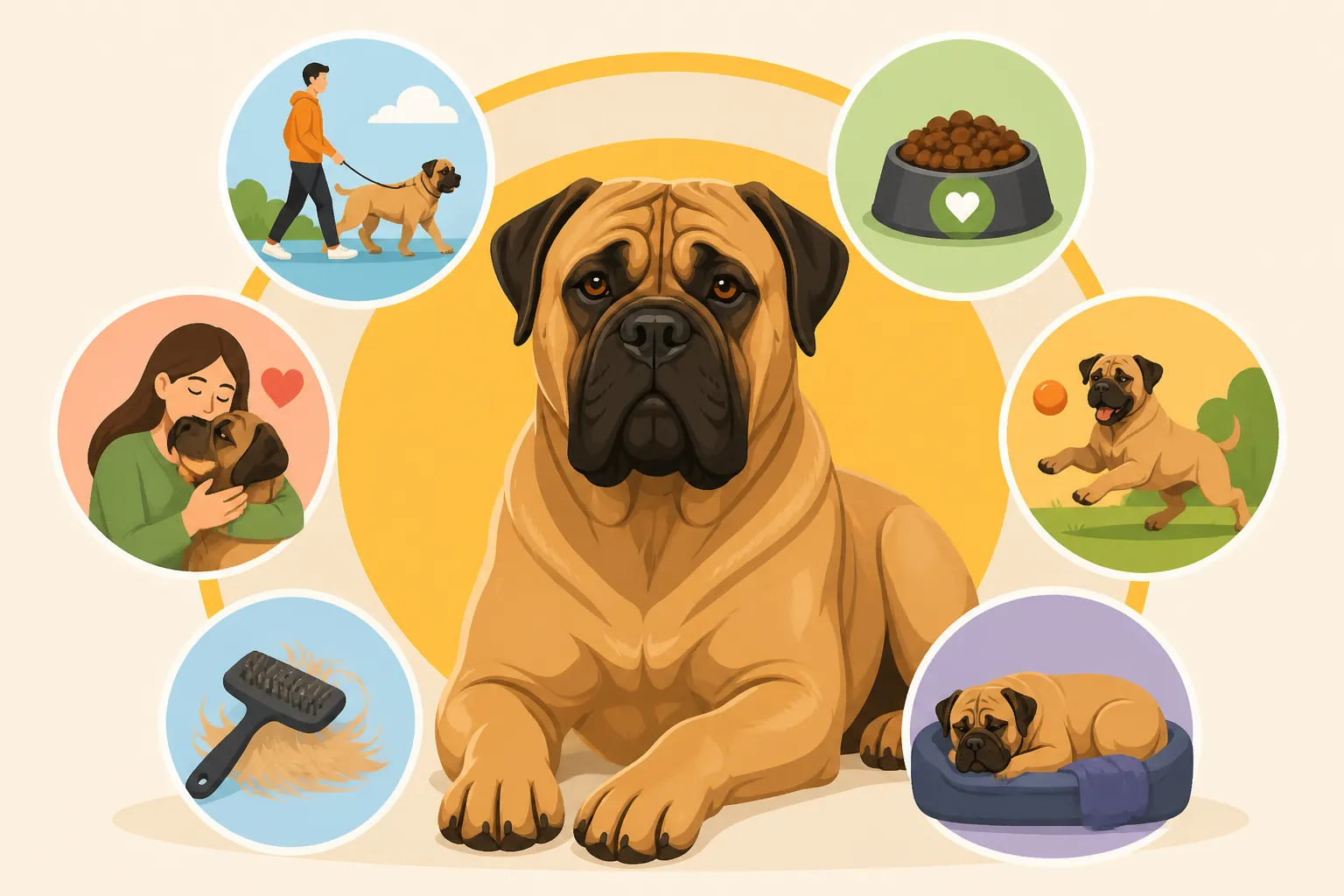
How Much Time a Bullmastiff Takes Each Day
Thinking about bringing a majestic Bullmastiff into your life often brings up questions about their imposing size and strength, but one of the biggest, and often overlooked, considerations is the daily time commitment. These aren't dogs you can just leave to their own devices; they thrive on interaction and consistent care, and underestimating the hours you'll dedicate can lead to frustration for both you and your gentle giant. This guide will walk you through the real daily time investment required to keep a Bullmastiff happy, healthy, and well-adjusted, covering everything from exercise to companionship.
Understanding Their Exercise Needs
It's a common misconception that because Bullmastiffs are large, they need endless hours of running and intense physical activity. While they were originally bred to be agile enough to catch poachers, they're not built for marathons. Their bulk and brachycephalic (short-nosed) features mean they can overheat easily and put strain on their joints with excessive, high-impact exercise. The truth is, their daily exercise needs are more about quality than quantity.
Purposeful Daily Walks and Mental Stimulation
Instead of long, grueling runs, your Bullmastiff will benefit most from shorter, purposeful walks. Think two or three 20-30 minute strolls a day, especially in cooler parts of the morning or evening. These aren't just for potty breaks; they're opportunities for your Bullmastiff to explore new scents, engage with the world outside your home, and stretch those big muscles. During these walks, practice leash manners – because a Teaching a Bullmastiff to Walk on Leash when they outweigh you is crucial. They need to understand that you're the one in charge, even if they decide to suddenly become a stubborn, immovable statue.
Beyond physical walks, mental stimulation is key. A Bullmastiff's mind needs to be engaged, otherwise, boredom can lead to destructive behaviors. This might involve short training sessions, puzzle toys, or even just letting them "hunt" for their kibble scattered around the yard. These activities don't always take hours, but they require your active participation and thought.
Puppyhood Exercise: A Delicate Balance
When your Bullmastiff is a puppy, the exercise routine needs even more careful consideration. Their bones and joints are still developing, and too much strenuous exercise can cause irreversible damage. This is a crucial period where you absolutely want to avoid high-impact activities like long jogs or excessive jumping. Instead, focus on supervised playtime in a safe, soft area and those short, leash-led explorations. Understanding The Exercise Limit for a Bullmastiff Puppy is vital for their long-term health. As a general rule, aim for about five minutes of exercise per month of age, twice a day, up to their full maturity around 18-24 months. Over-exercising a puppy in the hopes of tiring them out often backfires and puts them at risk.
Grooming and Healthcare Routines
While Bullmastiffs have a relatively low-maintenance coat, their size and specific breed characteristics mean there are still regular grooming and health checks that demand your time. It’s not just about aesthetics; it’s about preventing health issues before they become major problems.
Managing Drool and Wrinkle Care
Let's be real: Bullmastiffs drool. It's part of their charm, but it's also a daily task to manage. Their jowls are designed to hold saliva, and when they shake their heads, that drool can go flying. Keeping a supply of drool rags or towels handy is a must, and you'll find yourself wiping surfaces, and yes, sometimes even walls, regularly. If you want to dive deeper into this topic, you can learn How Much a Bullmastiff Drools. Beyond the general cleanup, their facial wrinkles and folds require special attention. These areas can trap moisture, food, and debris, leading to skin irritation and infections. A quick daily wipe-down with a damp cloth or a pet-safe wipe, followed by thorough drying, is usually sufficient. Missing this step for even a couple of days can lead to a smelly, itchy problem that requires veterinary attention. Many owners find specific pet wipes, easily available from retailers like Chewy, to be a lifesaver for quick cleanups.
Coat, Nail, and Oral Hygiene
Despite their short coat, Bullmastiffs do shed. Regular brushing, even just once or twice a week, helps remove loose hair, distribute natural oils, and keeps their coat healthy. This doesn't take long – usually 10-15 minutes – but it's consistent time. Their nails, being thick and strong, also grow quickly and need regular trimming to prevent discomfort and potential lameness. How Often a Bullmastiff's Nails Need Trimming is often more frequent than you might think, possibly every 2-4 weeks, depending on how much they walk on abrasive surfaces. Teaching your Bullmastiff to tolerate nail trims from a young age is essential, as wrestling a 100+ pound dog with sharp claws is no small feat.
Don't forget their teeth! Dental health is often overlooked but crucial for overall well-being. Daily or at least several times a week, brushing your Bullmastiff's teeth can prevent plaque buildup, gum disease, and costly dental procedures down the line. It's a small investment of time each day that pays off big in the long run.
Training and Mental Engagement
A Bullmastiff's sheer size makes consistent training not just a recommendation, but a necessity. You can't physically control a full-grown Bullmastiff through strength alone, so early and ongoing training instills good habits and ensures they are polite, manageable members of society.
The Importance of Early and Ongoing Training
Starting training early is absolutely critical. A Bullmastiff puppy might be adorable, but they grow rapidly, and what's cute at 30 pounds becomes a serious issue at 130 pounds. Puppy classes are a great start, but the real work happens at home, consistently, every single day. Even if it's just 10-15 minutes of dedicated training sessions focusing on basic obedience like sit, stay, recall, and leash manners, these moments add up. Your Bullmastiff needs to learn respect and boundaries long before they reach their full adult strength. We talk a lot about Why a Bullmastiff Must Be Trained Before It Is Strong because it's paramount for safety and harmony in the home.
Bullmastiffs are intelligent, but they can also be deliberate, some might say stubborn. They often pause to process commands, and they thrive on positive reinforcement. Harsh corrections can damage their sensitive nature and make them shut down. Finding what motivates your Bullmastiff – whether it's treats, praise, or a favorite toy – will make training sessions more effective and enjoyable for both of you.
Socialization and Exposure to the World
Part of their mental engagement comes from proper socialization. Bullmastiffs are naturally protective, so ensuring they have positive experiences with a variety of people, places, and other animals from a young age is crucial. This isn't just a puppy task; it's an ongoing effort. Regular, controlled outings to dog-friendly places, meeting new people under supervision, and continuing to expose them to different environments helps them grow into confident, well-adjusted adults. Without this consistent exposure, they can become overly suspicious or fearful, which for a dog of their size, can be problematic. This means dedicating time to supervised interactions and ensuring every experience is a positive one.
The "Just Being There" Factor: Companionship
Perhaps the most significant, yet often intangible, daily time commitment for a Bullmastiff is simply being present. These are not independent outdoor dogs; they are incredibly bonded to their families and crave close proximity. They are often described as "velcro dogs" for a reason.
The Need for Proximity and Family Inclusion
Bullmastiffs want to be where you are, almost constantly. Whether you're cooking in the kitchen, watching TV on the couch, or working at your desk, they'll likely be found snoozing nearby, often leaning against you or a piece of furniture. They thrive on being part of the family's daily rhythm. This means that even if you're not actively "doing something" with them, you're still investing time in their emotional well-being by allowing them to be near you.
Leaving a Bullmastiff alone for long periods can lead to separation anxiety and destructive behaviors. They truly do not do well in isolation. It's important to realistically assess How Many Hours a Bullmastiff Can Be Left before bringing one home. For many Bullmastiff owners, this means adjusting schedules, arranging for dog walkers, or investing in doggy daycare if they have a demanding work schedule. This constant presence isn't just about cuddling; it's about providing the security and companionship they need to feel safe and content.
Playtime and Affection
Beyond just presence, Bullmastiffs adore playtime and affection. A solid 15-30 minutes of focused playtime each day, whether it's a gentle game of tug, fetch in the yard, or just rolling around on the floor, can make a huge difference in their happiness. They might not be the most high-energy players, but they cherish the interaction. And, of course, there's the petting, belly rubs, and ear scratches. These moments of quiet affection are crucial for reinforcing your bond and letting them know they are loved.
Here's a quick look at a typical daily time breakdown, understanding that this is an average and can vary:
| Activity | Morning (Approx. Time) | Afternoon (Approx. Time) | Evening (Approx. Time) | Total Daily (Approx.) |
|---|---|---|---|---|
| Potty Breaks | 15 mins | 10 mins | 15 mins | 40 mins |
| Walks (Leash Training/Sniffs) | 20-30 mins | – | 20-30 mins | 40-60 mins |
| Feeding & Bowl Prep | 10 mins | – | 10 mins | 20 mins |
| Grooming (Wipe Jowls, Brush) | 5 mins | – | 5 mins | 10 mins |
| Training/Mental Games | 10 mins | – | 10 mins | 20 mins |
| Dedicated Playtime | 15 mins | – | 15 mins | 30 mins |
| Cuddles/Affection/Presence | Ongoing | Ongoing | Ongoing | 2-3+ hours (active) |
| Total Active Time | 1 hour 15 mins | 10 mins | 1 hour 15 mins | 2 hours 40 mins+ |
Note: The "Ongoing" time for cuddles and presence refers to the time you are both home and your Bullmastiff is actively seeking or receiving attention, even if you are engaged in other tasks.
Unexpected Time Investments and Preparation
Even with the best planning, life with a Bullmastiff will inevitably throw some curveballs that demand extra time. Being prepared for these moments is part of responsible ownership.
Vet Visits and Health Concerns
Bullmastiffs, like all large breeds, are prone to certain health issues such as hip and elbow dysplasia, bloat, and various cancers. Lymphoma Kills More Bullmastiffs Than Anything Else is a somber truth that means you might face extensive vet visits and treatments. Regular wellness exams take time out of your day, but they are crucial for early detection. If a health issue arises, you'll be spending time driving to the vet, waiting for appointments, administering medications, and potentially dealing with recovery periods at home. Having pet insurance, like a plan from Healthy Paws, can certainly ease the financial burden, but it won't reduce the time commitment of veterinary care. This is why many experienced Bullmastiff owners prioritize finding excellent veterinary care and budgeting for the time and expense it requires.
Managing Adolescent Mischief
A Bullmastiff isn't truly mature until around three years of age. This means you'll have a very large, strong, and sometimes clumsy "puppy" for much longer than you might expect. During their adolescence, they can test boundaries, exhibit selective hearing, and generally require a more vigilant eye. This period might mean more dedicated training sessions to reinforce good habits or more time spent redirecting their energy. They might also develop certain quirks or habits that need consistent, patient correction. For example, if they start counter-surfing, it takes consistent supervision and training to curb the behavior. This extended adolescence means your time investment in active management doesn't truly ease up until they are well past their second birthday.
Making Time for Your Bullmastiff
Integrating a Bullmastiff into your daily life requires a conscious effort to weave their needs into your routine. It’s not just about finding spare moments; it’s about structuring your day to ensure their needs are consistently met.
Creating a Routine That Works for Everyone
Bullmastiffs thrive on routine. Knowing when walks, meals, and playtime will happen helps them feel secure and reduces anxiety. Establishing a consistent schedule from puppyhood benefits both you and your dog. For instance, waking up 30 minutes earlier for that morning walk or dedicating a specific hour in the evening for training and cuddles can make a huge difference. Family members should also be on the same page regarding feeding times, training cues, and general rules, to ensure consistency.
Embracing Their Presence
Ultimately, owning a Bullmastiff means embracing their constant, loving presence. They are not content to be relegated to a distant kennel or a corner of the yard. They want to be part of your world, leaning into your legs, snoring softly at your feet, and following you from room to room. Their laid-back nature often belies their deep need for connection. The time you spend with them, even just sitting together on the couch, is invaluable to their well-being. It's the silent minutes of companionship, the quick ear rub as you pass by, and the shared space that truly define the daily time commitment for a Bullmastiff. It’s a commitment of the heart, as much as it is of the clock.
Disclaimer:
This article is for general informational purposes only and does not constitute professional advice. Laws, prices and regulations vary by location and change over time. Consult a qualified professional for guidance on your specific situation.