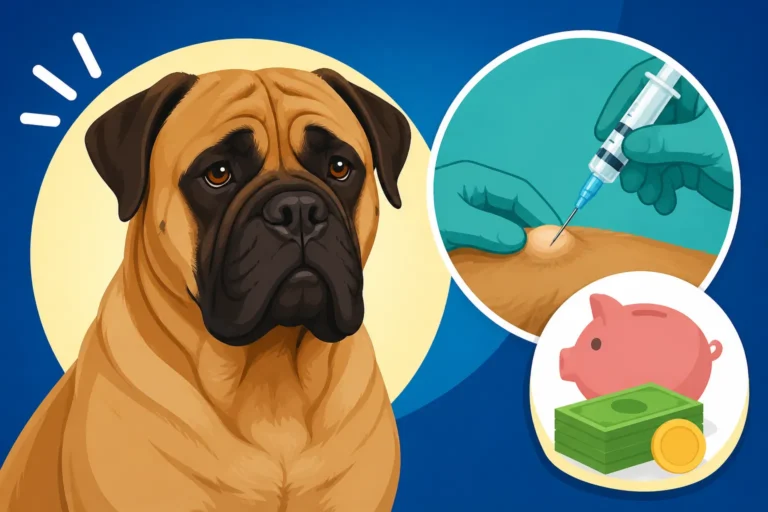
Whether a First Time Owner Can Afford a Bullmastiff
It’s a truly exciting thought, isn't it? Bringing home a big, majestic Bullmastiff puppy. You picture those gentle eyes, the loyal presence, and that incredible bond. But then, a little voice in the back of your head starts whispering about money. Can a first-time owner truly afford a Bullmastiff? It’s a very real and valid concern, because owning a dog of this size and with its specific health predispositions is a significant financial commitment. This guide isn't here to scare you, but to give you a realistic, honest look at the costs involved, so you can make an informed decision and prepare properly for the beautiful journey of Bullmastiff ownership.
Understanding the True Cost of a Bullmastiff Beyond the Puppy Price
When most people think about the cost of a dog, their mind immediately jumps to the initial purchase price. And while that's certainly a big chunk, for a Bullmastiff, it's really just the tip of the iceberg. These magnificent creatures come with a unique set of financial considerations that begin the moment they step (or are carried) over your threshold.
Initial Outlays: Beyond the Purchase Price
Let's talk about getting your Bullmastiff home. If you're going the reputable breeder route, you're looking at a significant investment for a well-bred puppy. This isn't just about the puppy itself; it covers the breeder's extensive health testing of the parents, quality care, early socialization, and often, initial veterinary checks and vaccinations. You can expect to pay a good sum for a puppy from a breeder who has truly invested in the health and temperament of their lines, and it’s important to understand What a Bullmastiff Puppy Costs From a Breeder. On the other hand, adopting a Bullmastiff from a rescue can sometimes be a more budget-friendly option initially, though rescue fees still contribute to their ongoing work. What Adopting a Bullmastiff Costs often includes spay/neuter, vaccinations, and sometimes even microchipping.
Beyond the actual acquisition, there’s a whole list of things your new family member will need right away. First up, a giant crate – because a Bullmastiff puppy will quickly outgrow anything less. This isn't just for training; it's a safe den for them. Then, a sturdy, orthopedic bed; these dogs grow large and fast, and good joint support from day one is crucial. Don’t skimp here. Think about What a Crate for a Bullmastiff Costs and What a Bed for a Bullmastiff Costs, because these items aren't cheap when scaled up for a giant breed. You'll also need quality large-breed puppy food, bowls, leashes, collars, toys that can withstand a powerful jaw, and all the cleaning supplies for those inevitable puppy accidents.
Unexpected Early Health Costs
Even with the most responsible breeding and careful choices, puppies can surprise you with unexpected health needs. Your Bullmastiff puppy will need a series of vaccinations, deworming treatments, and regular vet check-ups during their first few months. One critical early health screening that any responsible breeder should conduct is a cardiac exam, specifically looking for Subaortic Stenosis. Why a Bullmastiff Puppy Needs a Cardiac Exam is paramount, as this condition can be present from birth and has serious implications.
Sometimes, despite all precautions, a puppy might develop an illness or have an accident. Imagine your little Bullmastiff puppy, all clumsy paws and boundless energy, decides to eat something they shouldn't or develops an unexpected infection. These early, unplanned vet visits can quickly add up. This is where pet insurance becomes less of a luxury and more of a necessity, especially for a large breed with known predispositions. Investing in a good policy from day one can save you immense heartache and financial strain later on. Many owners, regardless of whether they are first-time or experienced, find peace of mind with a company like Healthy Paws, which offers comprehensive coverage for unexpected illnesses and accidents. It’s truly important to get them covered young, as Why a Bullmastiff Should Be Insured From Eight Weeks can prevent pre-existing condition exclusions.
Ongoing Expenses: The Daily Reality of a Giant Breed
Once you've navigated the initial puppy stage, the financial commitment shifts to the consistent, day-to-day costs that define owning a large, magnificent dog like a Bullmastiff. These aren't one-time expenses but a steady stream of outlays that require careful budgeting over their entire lifespan.
Food, Glorious Food (and Supplements!)
Let's be blunt: a Bullmastiff eats a lot. A lot. They are huge dogs, and fueling a growing puppy or maintaining a healthy adult weight requires a substantial amount of high-quality large-breed dog food. We're not talking about a small bag lasting a month. You'll be buying large bags of kibble frequently, and the cost quickly adds up. Think about How Much Food a Bullmastiff Needs – it’s often more than you might imagine if you've only owned smaller dogs. It's not just the quantity, either; it's the quality. Feeding a Bullmastiff properly means selecting food that supports their large frame and helps them grow slowly and steadily, which is crucial for preventing orthopedic issues. Feeding a Hundred and Thirty Pound Bullmastiff is a major line item in any Bullmastiff owner's budget.
Beyond the daily meals, many Bullmastiff owners find themselves incorporating joint supplements into their dog's diet, often starting relatively early in life. With their size and predisposition to conditions like hip and elbow dysplasia, preventative joint care is often recommended by veterinarians. These supplements, while beneficial, are an additional recurring cost. You might wonder Whether a Bullmastiff Needs Joint Medication Early, and for many, the answer is a resounding yes, to support their big, growing bodies. Brands like Chewy and Ollie can be great for setting up auto-shipments for food and supplements, ensuring you never run out and often offering subscription discounts. This helps manage the consistent expense and takes one thing off your plate.
Routine Veterinary Care and Prevention
Regular veterinary care isn't just for puppies. Adult Bullmastiffs still need annual check-ups to ensure they're in tip-top shape. These visits include physical exams, updated vaccinations, and often routine blood work, especially as they age. Don't forget about year-round parasite prevention for fleas, ticks, and heartworm. Because of their size, the dosage for these medications is higher, which often translates to a higher price tag compared to what you'd pay for a smaller dog. Understanding What a Bullmastiff's Annual Checkup Costs is crucial for budgeting.
Dental health is another important, and often overlooked, aspect of routine care. Just like humans, dogs can develop plaque and tartar buildup, leading to gum disease and other health issues. Many Bullmastiffs will need professional dental cleanings throughout their lives, which require anesthesia and are not inexpensive procedures. How Often a Bullmastiff's Teeth Need Cleaning is a question to discuss with your vet, but regardless of frequency, these cleanings represent a significant cost when they're needed. Keeping up with daily brushing at home can certainly help extend the time between professional cleanings, but for a Bullmastiff, it's not always easy.
Grooming and Gear
Good news! The Bullmastiff's short, dense coat makes grooming relatively straightforward. They don't require extensive professional grooming, which is a common expense for many other breeds. However, regular brushing is still necessary to manage shedding and keep their coat healthy. You’ll also need to keep their nails trimmed regularly to prevent discomfort and potential paw issues – and clipping the nails of a hundred-plus-pound dog is often a two-person job, or one best left to a professional. Cleaning their ears periodically to prevent infections is also important, as is keeping their facial folds clean and dry. Nails, Ears and Teeth on a Bullmastiff outlines these routine tasks.
Then there's the gear. Everything for a Bullmastiff needs to be extra large and extra durable. Think heavy-duty leashes, collars that can withstand serious pulling power, and toys designed for powerful chewers. Regular toys often don't last more than a few minutes with a determined Bullmastiff. These items tend to be more expensive than their smaller counterparts, and they might need replacing more frequently due to wear and tear. Having a sturdy, comfortable bed (or two!) is also an ongoing need, as even the best quality bedding will eventually wear out.
The Big Bills: Health Challenges Common to Bullmastiffs
This is where the financial reality of Bullmastiff ownership can really hit home. While every dog breed has its health challenges, Bullmastiffs, unfortunately, are predisposed to several serious conditions that can require extensive, costly veterinary intervention. Being prepared for these possibilities, both financially and emotionally, is a mark of a truly responsible owner.
The Specter of Cancer
It's a heartbreaking reality that Bullmastiffs are highly prone to certain cancers, particularly lymphoma and mast cell tumors. This breed tragically experiences Lymphoma Kills More Bullmastiffs Than Anything Else, and studies have shown Why a Bullmastiff's Lymphoma Risk Is Five Times a Mixed Breed's compared to mixed breeds. If you notice swollen lymph nodes or unusual lumps, you'll be starting down a path of diagnostics that can include needle aspirates, biopsies, ultrasounds, and X-rays to properly stage the disease. What a Bullmastiff's Oncology Referral Costs alone can be a substantial initial fee before any treatment even begins.
Should your Bullmastiff be diagnosed with cancer, the treatment options, while offering hope, are incredibly expensive. Chemotherapy is a common path, and it involves multiple visits, specialized medications, and ongoing monitoring. Chemotherapy Is the Bill Most Bullmastiff Owners Face for a reason; it can run into many thousands of dollars over the course of treatment. This is precisely why pet insurance, like policies offered by Healthy Paws, is so critical for this breed. While no one wants to imagine their beloved dog facing such an illness, having a robust insurance plan that covers a significant portion of these bills can be the difference between being able to fight for your dog's life and having to make agonizing financial decisions. Whether Insurance Covers a Bullmastiff's Chemotherapy is a key question to ask when selecting a plan.
Orthopedic and Cardiac Concerns
Beyond cancer, Bullmastiffs face a higher incidence of orthopedic issues due to their rapid growth and sheer mass. Hip and elbow dysplasia are unfortunately common. Hips and Elbows Under a Hundred and Thirty Pound Bullmastiff are under immense strain, and poor joint conformation can lead to pain, arthritis, and the need for expensive surgeries or lifelong pain management. How Common Hip Dysplasia Is in Bullmastiffs means you need to be aware and financially ready for this possibility.
Another urgent and life-threatening condition for which Bullmastiffs are at risk is bloat, or Gastric Dilatation-Volvulus (GDV). This is where the stomach fills with gas and can twist, cutting off blood supply. It's a medical emergency requiring immediate, expensive surgery. Bloat in a Bullmastiff is a terrifying prospect, and surgical intervention is the only way to save their life. Then there are cardiac issues, notably Subaortic Stenosis. We mentioned it in puppies, but it's a lifelong concern. Subaortic Stenosis Is There Before a Bullmastiff's First Birthday and can lead to heart failure or sudden death if severe. Regular cardiac check-ups are vital, and specialized veterinary care for heart conditions can also be a significant expense.
End-of-Life Care
It's a sad truth that large breeds often have shorter lifespans than their smaller counterparts. The average Bullmastiff lives about The Median Bullmastiff Lives Eight and a Half Years, which means you'll likely be dealing with age-related health issues sooner than you might with other breeds. As your Bullmastiff enters their senior years, their care needs often increase significantly. Caring for a Bullmastiff Past Six involves managing arthritis, potential cognitive decline, failing eyesight or hearing, and generally keeping them comfortable.
This can mean more frequent vet visits, specialized diets, medications for pain or organ support, and mobility aids. What an Aging Bullmastiff Costs a Year can be considerably higher than for a younger, healthier dog. While it's difficult to think about, planning for end-of-life care is also a part of responsible ownership. Euthanasia, cremation, or burial services also come with a cost, and it’s a compassionate decision to be able to provide a peaceful passing without added financial stress.
Time, Lifestyle, and Hidden Costs
Beyond the direct monetary expenses, there are significant indirect and hidden costs associated with owning a Bullmastiff that often catch first-time owners by surprise. These are costs in terms of time, lifestyle adjustments, and the wear and tear on your home and belongings.
Time Investment and Training
A Bullmastiff isn't a dog you can bring home and hope for the best. They require consistent, positive training and extensive socialization from a young age to ensure they grow into well-adjusted, confident, and polite adults. This is especially true given their size and protective instincts. Training a Bullmastiff That Weighs More Than You Do isn't just a suggestion; it's a necessity for safety and control. Early puppy classes, advanced obedience, and possibly even professional one-on-one training sessions can be invaluable, and these all come with a price tag.
But beyond the financial cost of training, there's the massive time investment. Daily training sessions, socialization outings, and simply spending quality time with your Bullmastiff are non-negotiable. They thrive on companionship and need to be an integral part of the family. If you're a first-time owner with a demanding job or an unpredictable schedule, consider how this majestic dog will fit in. If you travel frequently, finding suitable boarding can be challenging and expensive. What Boarding a Bullmastiff Costs can be significantly more than for a smaller dog due to their size and sometimes breed restrictions.
Home and Vehicle Adjustments
Owning a Bullmastiff means accepting that your home will be shared with a very large, often drooling, companion. Furniture will take a beating. Walls might get drool streaks. Your personal space, well, might become their personal space too. What a Bullmastiff Does to Furniture can range from shedding to enthusiastic tail wags knocking things over, or even dedicated chewing if they're bored or undersocialized. Investing in durable, chew-proof dog beds and covers for your furniture can mitigate some damage, but it's an ongoing battle.
Your vehicle might also need an upgrade. A compact car simply isn't going to cut it when you need to transport a 130-pound dog to the vet or on adventures. Many Bullmastiff owners find themselves driving SUVs, minivans, or even trucks to comfortably accommodate their furry family member. You might ask Whether a Bullmastiff Needs a Bigger Vehicle, and for many, the answer is a resounding yes, both for comfort and safety. Additionally, secure fencing is non-negotiable for a Bullmastiff. These are strong, protective dogs, and an insecure yard can lead to serious trouble. What Fencing a Bullmastiff Requires often means sturdy, tall barriers that can withstand a determined lean or jump.
The Emotional Cost and Unexpected Surprises
While not directly monetary, the emotional cost and mental energy involved in owning a Bullmastiff are significant. Their relatively short lifespan means you might face difficult decisions and heartbreaking goodbyes sooner than you anticipate. This breed bonds deeply, and the profound grief that accompanies their passing is a heavy burden. Many owners attest that Whether a Bullmastiff Is Worth the Short Years is a resounding yes, but the intensity of that love makes the loss all the more painful.
Then there are the endless nuances of life with a giant dog: the stares, the occasional fear from strangers, the constant vigilance when out in public, managing their protective instincts with guests, and simply learning to navigate a world where your dog takes up a lot of space. It's a journey of immense joy and unparalleled loyalty, but it's also a journey that demands your full commitment, financially, emotionally, and physically.
Here's a quick overview of potential costs for a Bullmastiff owner to help you visualize the budget:
| Category | Initial Costs (Estimate) | Monthly/Annual Costs (Estimate) | Potential Major Vet Bill (Estimate) |
|---|---|---|---|
| Acquisition | Puppy from breeder: Substantial, check specific breeders. | N/A | N/A |
| Setup & Supplies | Crate, bed, bowls, leash, collar, toys, initial food, cleaning supplies: Significant, check specific brands. | Replacement toys, beds, grooming supplies: Moderate. | N/A |
| Routine Vet Care | Puppy shots, deworming, initial health checks (cardiac): Moderate to High. | Annual exam, vaccinations, parasite prevention, dental care: Moderate to High. | N/A |
| Food & Nutrition | Initial large bag of puppy food: Moderate. | High-quality large breed food, supplements (e.g., joint): High. | N/A |
| Training | Puppy classes, potentially private trainer: Moderate to High. | N/A | N/A |
| Pet Insurance | Initial premium: Moderate. | Monthly premiums: Moderate to High. | Reduces out-of-pocket for major illness/injury. |
| Major Health Issues | N/A | N/A | Cancer treatment, bloat surgery, orthopedic surgery: Very High. |
| Miscellaneous | Microchip, pet tags: Low. | Boarding, dog walker, unexpected repairs: Variable. | N/A |
So, can a first-time owner afford a Bullmastiff? The answer is a nuanced yes, but with a massive caveat: only if they are fully prepared for the significant financial commitment and lifestyle adjustments required. This isn't a breed for the faint of heart or the light of wallet. Bullmastiffs are magnificent, loyal companions who give immeasurable love and protection. They deserve owners who can provide not just affection, but also the best possible care throughout their lives, including robust financial planning for both the expected and the inevitably unexpected expenses. If you're willing to make that commitment, then yes, a Bullmastiff could be the most rewarding addition to your life, but it absolutely demands careful consideration and preparation from the outset.
Disclaimer
This article is for general informational purposes only and does not constitute professional advice. Laws, prices and regulations vary by location and change over time. Consult a qualified professional for guidance on your specific situation.