What Adopting a Bullmastiff Costs
Bringing a Bullmastiff into your life is an incredibly rewarding experience, but the financial aspect often leaves prospective owners scratching their heads. You might see an adoption fee listed for a rescue and think that's the total cost, but the truth is, the adoption fee is just the very beginning of your journey. This guide will help you understand the full financial picture of adopting a Bullmastiff, from the initial fees to the ongoing care, so you can be truly prepared for this magnificent breed.
Understanding Bullmastiff Adoption Fees
When you decide to open your home and heart to a Bullmastiff from a rescue or shelter, the first tangible cost you'll encounter is the adoption fee. It's easy to look at this figure and wonder what exactly it covers, or why it varies from one organization to another. It's important to remember that these fees are rarely, if ever, a profit-making venture. They're about helping the organization continue its vital work.
What the Adoption Fee Typically Covers
Think of the adoption fee as a package deal for a healthy start. Reputable Bullmastiff rescues and shelters pour a tremendous amount of care and resources into each dog before it finds its forever home. This isn't just a simple handover; it's a comprehensive health and welfare overhaul.
Firstly, almost every adoption fee will include the cost of spaying or neutering. This is a non-negotiable step for responsible pet ownership, preventing unwanted litters and often reducing certain health risks later in life. If you were to do this procedure yourself, it would be a significant expense. Secondly, your adopted Bullmastiff will likely come fully vaccinated, protecting them against common and dangerous diseases. They'll have had their core shots and often their rabies vaccine too. Beyond vaccinations, most rescue organizations ensure that their dogs are microchipped. This tiny device is a lifesaver, dramatically increasing the chances of being reunited if your Bullmastiff ever gets lost. Furthermore, many adopted Bullmastiffs will have undergone a thorough veterinary check-up, often including deworming and treatment for any immediate health concerns, before they even meet you. Some may even have received initial training or behavioral assessments. Considering all these services, which you would otherwise pay for out-of-pocket, the adoption fee often represents incredible value.
Why Adoption Fees Vary So Much
It can be a little confusing to see different adoption fees for Bullmastiffs, even within the same region. One rescue might charge a higher fee than a municipal shelter, or an older dog might have a different fee than a young adult. These variations reflect the different operational models and costs associated with caring for the animals.
Rescue organizations, especially breed-specific ones like a Bullmastiff rescue, often rely entirely on donations and these adoption fees to cover their expenses. Their costs include not just routine vet care, but also potential surgeries, extensive rehabilitation for neglected dogs, specialized food, and transportation. A Bullmastiff that arrived with a serious injury or a chronic condition, for instance, might have racked up substantial veterinary bills, far exceeding the adoption fee. While the fee itself won't cover every cent of that, it contributes to the overall fund that allows the rescue to save the next dog in need. Municipal shelters, on the other hand, might receive some government funding, which can allow them to set lower adoption fees. The age of the dog also plays a role; sometimes, senior Bullmastiffs or those with known medical conditions might have reduced adoption fees to encourage their placement. These dogs often need extra care and a very special home, and a lower fee can remove one barrier to adoption. It’s always a good idea to inquire what specific services are bundled into the fee when you're considering adoption.
Beyond the Adoption Fee: Initial Setup Costs
Once you've paid the adoption fee and your new Bullmastiff is officially a part of your family, the immediate next step is to get them set up comfortably and safely in their new home. These initial setup costs can sometimes catch new owners by surprise, especially with a giant breed like a Bullmastiff. Everything from their bed to their bowls needs to be robust enough for their impressive size and strength.
Essential Gear for Your New Bullmastiff
Preparing your home for a Bullmastiff means investing in specific gear designed for large and powerful dogs. You can't just pick up a small dog bed and expect it to hold up!
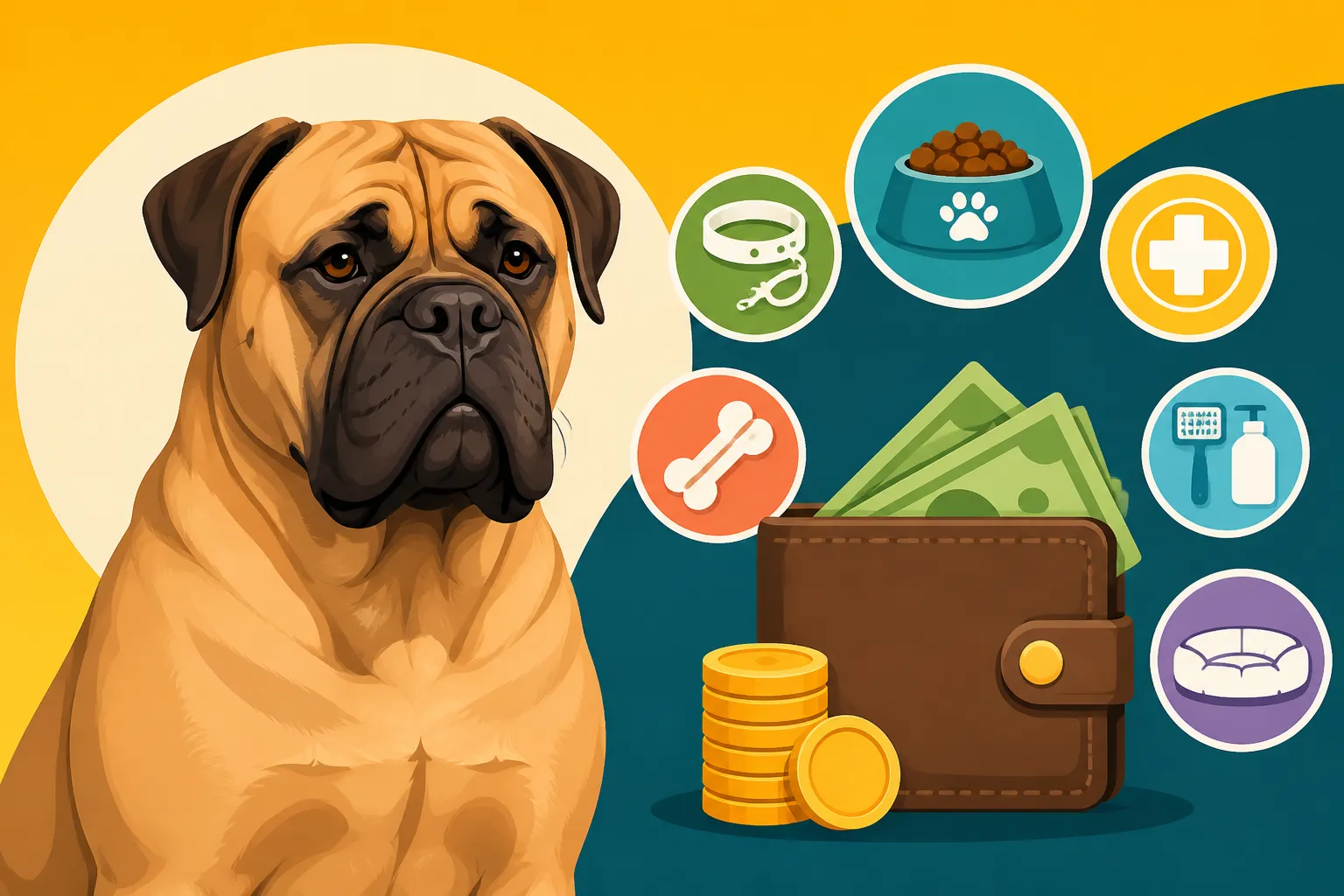
First on your list should be a giant-sized crate, if you plan to crate train or need a safe space for your Bullmastiff. These aren't cheap, but a good quality crate is an invaluable tool for house-training, managing separation anxiety, and providing a secure den. Next, an orthopedic dog bed is practically a necessity for a Bullmastiff. Their heavy joints need serious support to prevent calluses and discomfort, especially as they age. Look for beds with dense foam that won't flatten quickly. Your Bullmastiff will also need large, sturdy food and water bowls. Stainless steel is often a great choice as it's durable and easy to clean. Investing in a good quality, strong leash and collar or harness is paramount. A Bullmastiff can easily outweigh you, and you'll need reliable equipment for walks and control. Remember that for a breed that can weigh up to 130 pounds, you're always dealing with "large breed money" for most accessories, meaning prices will be at the higher end of the scale. Don't forget a variety of durable chew toys and puzzle toys to keep their minds engaged and redirect chewing away from your furniture. You might also want to explore a wide array of options available through online retailers like Chewy, which often have excellent selections for giant breeds.
First Vet Visits and Preventative Care
Even if your adopted Bullmastiff comes with a clean bill of health from the rescue, an initial vet visit is absolutely crucial. This first appointment establishes a relationship with your chosen veterinarian and provides a baseline for your dog's health under your care.
During this first visit, your vet will perform a comprehensive physical examination, checking everything from their teeth to their tail. They'll confirm all vaccinations are up to date and discuss the best schedule for boosters. Fecal tests are common to check for internal parasites, and your vet will likely recommend starting monthly heartworm and flea/tick prevention. These preventative medications are vital for your Bullmastiff's health and can be a significant ongoing cost, particularly for a dog of their size, as doses are weight-dependent. If your rescue couldn't provide a detailed health history, this first vet visit is even more important to catch any underlying issues early. It's about establishing a health baseline and ensuring they're settled into their new environment with professional oversight. Think of it as a proactive step to prevent larger, more expensive problems down the line. To get a better idea of the immediate financial outlay, you might want to look into What the First Year With a Bullmastiff Costs. This early veterinary care sets the stage for a long and healthy life together.
Ongoing Monthly and Annual Expenses
The adoption fee and initial setup costs are significant, but they represent only a fraction of the total financial commitment of owning a Bullmastiff. The true measure of ownership cost comes down to the consistent, ongoing expenses that will be a part of your budget for their entire lifespan. These are the day-to-day realities of feeding, caring for, and enriching your big companion.
Food, Glorious Food (for a Giant Breed)
Feeding a Bullmastiff is not for the faint of heart, or the light of wallet! Their sheer size means they consume a considerable amount of food, and quality nutrition is paramount for their health and longevity.
You'll quickly realize that a Bullmastiff goes through kibble at an impressive rate. Depending on their metabolism, activity level, and the specific food you choose, they can eat many cups of food per day. Opting for a high-quality large-breed formula is essential, as these foods are specifically formulated to support the unique growth and joint health needs of giant breeds. While cheaper foods might seem appealing upfront, they can lead to health issues and higher vet bills down the road. Many owners find it convenient to order their Bullmastiff's food online through services like Chewy, which can offer bulk discounts and home delivery. Others prefer fresh food options, with services like Ollie providing pre-portioned, human-grade meals tailored to your dog's needs. Remember that beyond the daily kibble, you'll also factor in the cost of treats for training and enrichment. These can add up, especially if you have a highly food-motivated Bullmastiff. For a deep dive into this particular expense, check out Feeding a Hundred and Thirty Pound Bullmastiff.
Routine Healthcare and Wellness
Beyond those initial vet visits, your Bullmastiff will require consistent routine healthcare throughout their life. These aren't emergency costs, but rather predictable expenses that keep your dog healthy and happy.
Annual wellness exams are a cornerstone of preventative care. During these yearly check-ups, your vet will assess your Bullmastiff's overall health, update vaccinations as needed, and conduct any necessary screenings. Many vets recommend yearly bloodwork, particularly as a Bullmastiff ages, to monitor organ function and catch potential issues like hypothyroidism early. You can learn more about this by reading Whether a Bullmastiff Needs Bloodwork Yearly. Monthly heartworm and flea/tick prevention medications remain essential, and for a Bullmastiff, these doses are often the most expensive due to their weight. Dental care is another critical, often overlooked, aspect. Regular dental cleanings under anesthesia can prevent painful gum disease and tooth decay, but they come at a cost. Finally, many Bullmastiff owners proactively use joint supplements to support their large frames and help mitigate the impact of conditions like hip and elbow dysplasia. These supplements, while not cheap, can greatly improve their quality of life. For more detail, refer to What Joint Supplements Cost for a Bullmastiff.
Training, Grooming, and Enrichment
Bringing a Bullmastiff into your home also means budgeting for their mental and physical well-being through training, basic grooming, and enrichment activities. These aren't luxuries; they're vital for a well-adjusted dog.
Given a Bullmastiff's size and powerful nature, consistent training is non-negotiable. While you can do much of it yourself, some owners choose to invest in professional training classes or one-on-one sessions, especially if their adopted Bullmastiff has specific behavioral quirks or a lack of prior training. Learning how to effectively communicate with and manage a dog that outweighs you is priceless. You can get tips on Training a Bullmastiff That Weighs More Than You Do. Grooming needs for a Bullmastiff are relatively low compared to long-haired breeds, but they still exist. This includes regular nail trims (which can be a challenge for large dogs), ear cleaning, and occasional baths. If you're not comfortable doing these yourself, professional groomers offer these services. For mental enrichment, you'll want a variety of durable toys, puzzle feeders, and chew items. Keeping a Bullmastiff mentally stimulated prevents boredom, which can lead to destructive behaviors. While they don't need hours of strenuous exercise, they do need engagement and companionship. Understanding What a Bullmastiff Does All Day can help you plan for their daily needs.
Planning for the Unexpected: Emergency Funds and Insurance
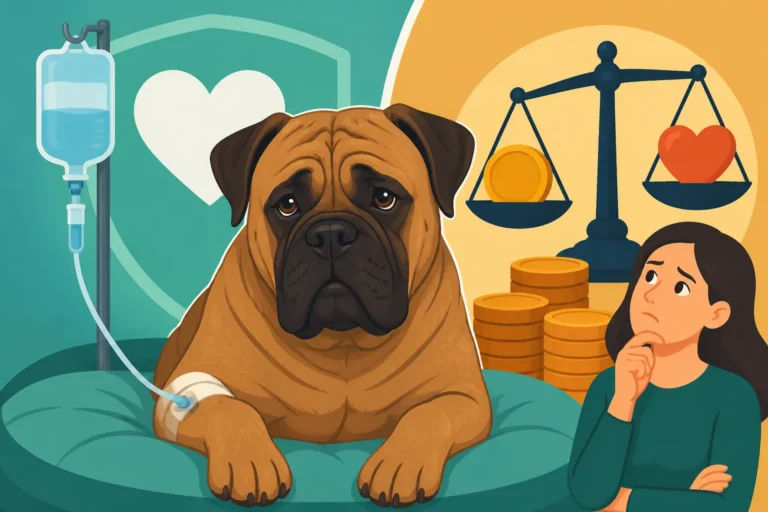
Even with the best preventative care and a healthy dog, life with a Bullmastiff often involves unforeseen circumstances. Their unique health predispositions and sheer size mean that when issues arise, they can be serious and incredibly expensive. Being prepared for these "what ifs" is a cornerstone of responsible Bullmastiff ownership.
The Reality of Bullmastiff Health Issues
It's a tough truth, but Bullmastiffs, like many purebred dogs, are prone to certain health conditions that can be costly to treat. Acknowledging this reality and planning for it can save you immense stress (and money) down the line.
Conditions such as certain types of cancer, particularly lymphoma and mast cell tumors, are unfortunately common in the breed. Bloat, a sudden and life-threatening twisting of the stomach, is another major concern for large, deep-chested dogs. Then there are joint issues like hip and elbow dysplasia, which can require ongoing management or even surgery. Heart conditions, such as subaortic stenosis, can also occur. The costs associated with diagnosing and treating these conditions – from emergency surgery for bloat to chemotherapy for cancer – can easily run into the thousands. It's not uncommon for Bullmastiff owners to face substantial veterinary bills, sometimes quite early in their dog's life. This is why many owners will tell you that Why a Bullmastiff's Bills Come Early is a crucial consideration. To understand the gravity of some of these health challenges, it's worth reading What Most Bullmastiffs Die Of. An emergency fund, specifically earmarked for your Bullmastiff's potential health crises, is not just a good idea; it's practically a necessity.
The Role of Pet Insurance
Given the potential for high veterinary costs, many Bullmastiff owners find pet insurance to be an invaluable investment. It provides a financial safety net against those unpredictable, high-cost health events.
Pet insurance works much like human health insurance, covering a percentage of eligible veterinary bills after your deductible is met. For a breed like the Bullmastiff, known for certain predispositions, having coverage can be a huge relief. Imagine facing a several-thousand-dollar bill for bloat surgery or a long course of chemotherapy for lymphoma; pet insurance can significantly reduce your out-of-pocket expense, allowing you to focus on your dog's recovery rather than the financial strain. Companies like Healthy Paws offer comprehensive plans that can cover accidents, illnesses, and even some emergency care. It's important to research different providers and plans, understanding what they cover, their deductibles, reimbursement rates, and any exclusions for pre-existing conditions. Enrolling your Bullmastiff when they are young and healthy is often the best strategy, as this typically ensures broader coverage. For a deeper understanding, explore What Insurance Covers on a Bullmastiff and Why a Bullmastiff's Premium Is High. While it's an additional monthly cost, the peace of mind it offers is often well worth it, especially considering the breed's health profile.
The "Hidden" Costs of Bullmastiff Ownership
Beyond the direct financial outlays, there are several "hidden" costs associated with owning a Bullmastiff that aren't immediately obvious but can certainly impact your lifestyle and budget. These are the adjustments you might need to make to your home, your routine, and even your vehicles, simply because you share your life with a magnificent giant.
Home and Vehicle Adjustments
A Bullmastiff isn't just a dog; they're a large, solid presence that can necessitate changes to your living space and transportation. Ignoring these can lead to damage, inconvenience, or safety issues.
First, consider your home. If you have a yard, securing it with robust fencing is non-negotiable. A Bullmastiff can be surprisingly agile, and their size means a flimsy fence won't cut it. You might need to invest in professional fencing that is tall and sturdy enough to contain them safely. Read What Fencing a Bullmastiff Requires for more detailed considerations. Inside, be prepared for slobber. Bullmastiffs are known droolers, and that drool can get on walls, furniture, and ceilings. Regular cleaning supplies will become a staple, and you might even consider specific furniture covers or materials that are easier to wipe down. Beyond drool, their sheer weight and activity can impact floors and furniture; durable materials are a must. When it comes to transportation, a sedan might no longer cut it. You'll likely need an SUV, a minivan, or a truck to comfortably and safely transport your Bullmastiff, especially for vet visits or trips. This is a big consideration, as explored in Whether a Bullmastiff Needs a Bigger Vehicle. Car ramps can also be an expense, saving your back and your dog's joints as they age.
Time and Emotional Investment
While not a direct monetary cost, the time and emotional investment required for a Bullmastiff is perhaps the most significant "hidden" expense. It's a commitment that far outweighs any dollar amount.
A Bullmastiff thrives on companionship and requires a consistent presence from their owners. They are not a breed you can simply relegate to the backyard. They need daily attention, training, and socialization to be well-adjusted family members. This means dedicating time to walks, training sessions, play, and simply being together. For insight into their daily needs, refer to How Much Time a Bullmastiff Takes Each Day. If you work long hours or travel frequently, you'll need to factor in costs for dog walkers, pet sitters, or boarding, which for a Bullmastiff, will be at the higher end of the price spectrum due to their size. Beyond the daily routine, the emotional toll of dealing with potential health issues, training challenges, or behavioral quirks can be immense. Loving a Bullmastiff means embracing their shorter lifespan, which often comes with a concentrated period of intensive care during their senior years. The bond you form is incredibly strong, and the joy they bring is immeasurable, but it requires a deep, unwavering commitment of your time, energy, and heart.
Disclaimer
This article is for general informational purposes only and does not constitute professional advice. Laws, prices and regulations vary by location and change over time. Consult a qualified professional for guidance on your specific situation.