What a Bullmastiff Breeder Contract Requires
Bringing a Bullmastiff puppy into your home is an incredibly exciting time, but it often comes with a heap of paperwork that can feel overwhelming, particularly the breeder contract. Many new owners feel rushed or intimidated by legal-sounding language, unsure what they're actually agreeing to or what protections it offers them and their new furry family member. This guide will walk you through the typical requirements and expectations found in a Bullmastiff breeder contract, helping you understand your obligations and what you should look for to ensure a responsible and fair agreement.
The Foundation of Trust: What a Breeder Contract Really Is
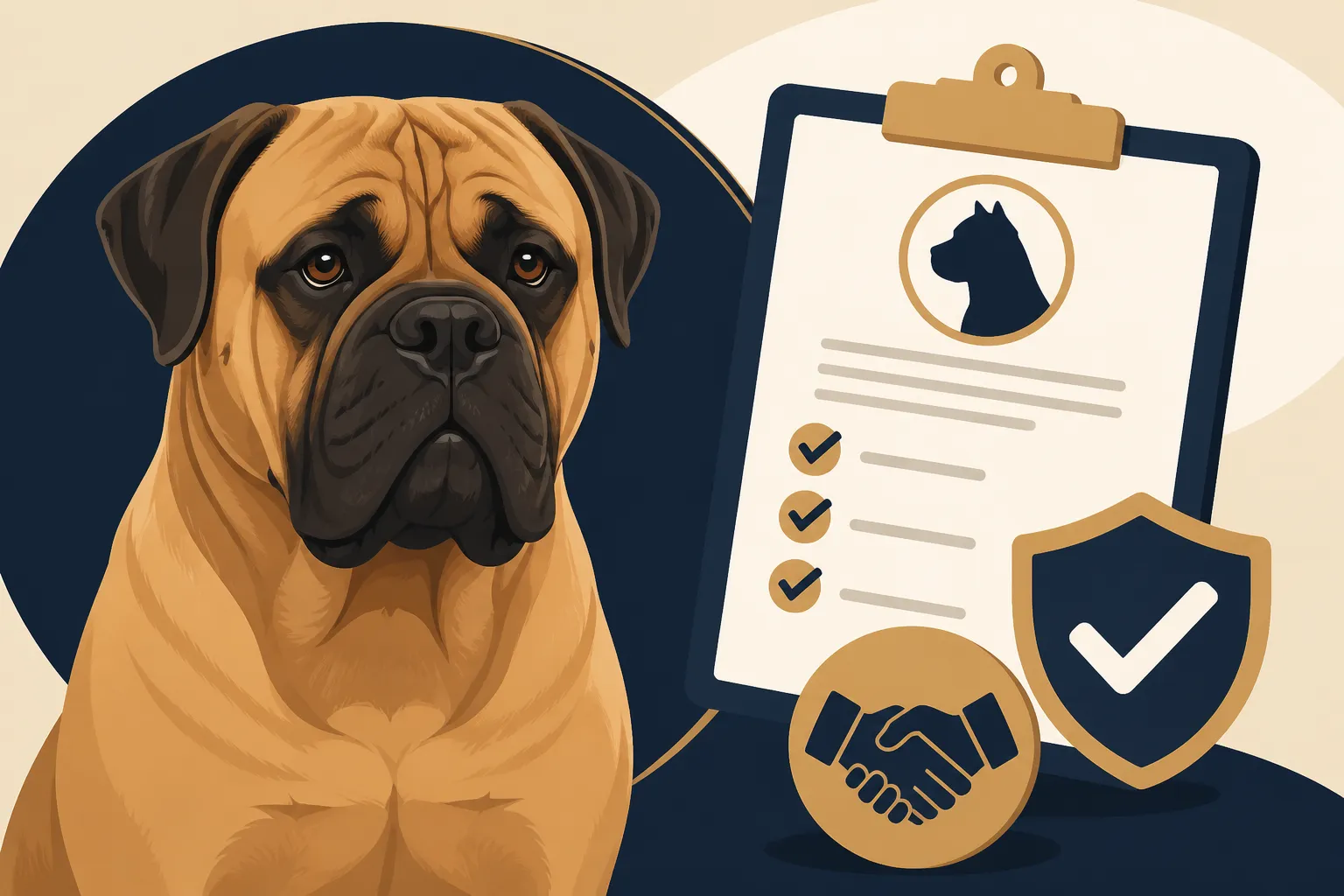
At its heart, a Bullmastiff breeder contract isn't just a legal document; it's a mutual agreement designed to protect the puppy, the buyer, and the breeder. It lays out the expectations and responsibilities of both parties, aiming to ensure the long-term health and well-being of your Bullmastiff. Think of it as a detailed roadmap for the journey you're about to embark on together. Without a clear contract, misunderstandings can arise, and the safety net for your puppy's future can be dangerously thin.
More Than Just Paperwork: Why Contracts Exist
For a reputable Bullmastiff breeder, their puppies are a legacy, a result of years of careful planning, health testing, and dedication to the breed. The contract serves as their way to ensure that their hard work continues to benefit the puppy even after it leaves their home. It often covers crucial aspects like health, living conditions, future breeding plans (or lack thereof), and what happens if circumstances change for the owner. It’s their commitment to you, and your commitment to them and, most importantly, to the life of the Bullmastiff you are bringing home. It acknowledges the breeder’s responsibility to produce healthy puppies, and your responsibility to provide a lifetime of proper care. A well-written contract reflects a breeder who truly cares about where their puppies end up, rather than just making a sale.
Understanding Limited Registration and Breeding Rights
One of the most common clauses in a Bullmastiff breeder contract, especially for pet puppies, involves registration status and breeding rights. Most reputable breeders will sell pet-quality Bullmastiffs on a "limited registration." This means your dog can be registered with the appropriate kennel club, participate in performance events like obedience or agility, and even compete in conformation if neutered, but any offspring it produces cannot be registered. This clause is a breeder's primary tool to prevent indiscriminate breeding, protecting the breed from individuals who might breed without proper health testing, knowledge of pedigrees, or understanding of breed standards. If you purchase a Bullmastiff with limited registration, the contract will almost certainly include a spay/neuter clause, typically requiring the procedure by a certain age. This helps manage the Bullmastiff population responsibly and ensures your pet focuses on being a beloved companion rather than a breeding animal. This is often where you might find discussion about Whether a Bullmastiff Should Be Neutered Late to allow for proper growth before sterilization.
Decoding the Key Clauses in Your Bullmastiff Contract
Bullmastiff breeder contracts can vary in length and detail, but certain core clauses are almost universally present. These sections are where the rubber meets the road, outlining the most critical aspects of your agreement. It's vital to read each one carefully, ask questions, and ensure you're comfortable with every point before signing.
Health Guarantees and Genetic Conditions
This is arguably the most important section for any Bullmastiff owner. Given the breed's propensity for certain health issues, a solid health guarantee is non-negotiable. Reputable breeders invest heavily in health screening their breeding stock, and their contracts will reflect this commitment. The contract will usually outline a guarantee against specific genetic health conditions, such as hip and elbow dysplasia, cardiac issues like subaortic stenosis, and sometimes even certain cancers like lymphoma.
For instance, a contract might guarantee the puppy is free of crippling hip or elbow dysplasia for a certain period, often up to two years of age. It might stipulate that if your Bullmastiff is diagnosed with a severe genetic condition within that timeframe, the breeder will offer a replacement puppy or a partial refund. However, it's crucial to understand the specifics: what evidence do you need (e.g., specific x-rays, vet reports), what are the time limits, and what conditions are covered? For example, What a Bullmastiff Health Guarantee Actually Covers often excludes environmental factors or injuries not related to genetics. Some contracts are quite specific about the conditions, while others might be more general. In the unfortunate event that a serious health issue arises, having pet insurance like that offered by Healthy Paws from an early age can provide a significant safety net for the unexpected veterinary bills, regardless of what the breeder's guarantee covers. This foresight can be invaluable because Whether a Bullmastiff's Cancer Is Covered by a health guarantee is usually conditional or limited. A good breeder should be upfront about Which Health Tests a Bullmastiff Breeder Should Run on their breeding dogs.
Your Responsibilities as a Bullmastiff Owner
Beyond simply providing food and shelter, a breeder contract will often detail specific responsibilities for the new owner. These clauses are designed to ensure your Bullmastiff receives the best possible care throughout its life, reflecting the breeder's dedication to their dogs.
- Veterinary Care: You'll almost certainly be required to provide regular veterinary check-ups, vaccinations, and parasite prevention. This isn't just common sense; it's often a contractual obligation to maintain the puppy's health. Neglecting routine care could void certain aspects of the health guarantee. Regular wellness exams are crucial for a giant breed like the Bullmastiff, allowing your vet to catch potential issues early.
- Nutrition and Weight Management: Bullmastiffs are a large breed, and proper nutrition during their growth phase is critical to prevent skeletal issues later in life. Contracts often specify feeding a high-quality, large-breed appropriate dog food and maintaining a lean body condition. Overfeeding a growing Bullmastiff or allowing it to become overweight puts immense strain on its developing joints. A breeder might even recommend specific brands or types of food, emphasizing the need for Feeding a Bullmastiff Puppy So It Grows Slowly. You might look at brands available on
Chewyfor large breed formulas, or explore options likeOllieif the breeder encourages fresh food diets that help with Keeping a Bullmastiff Lean Is the Best Thing You Can Do. - Training and Socialization: Many contracts emphasize the importance of early socialization and training. Bullmastiffs are powerful dogs, and responsible ownership means ensuring they are well-mannered and socialized with people and other animals from a young age. This helps them grow into confident, stable adults and reinforces the breed's reputation for being gentle giants, while still retaining their protective instincts.
- Living Environment: The contract might specify that the dog must live indoors, be part of the family, and not be chained or left isolated for extended periods. This speaks to the Bullmastiff's need for companionship and their suitability as family dogs.
Return Policies and Rehoming Stipulations
A responsible breeder will always want their dogs back if the owner can no longer care for them, regardless of the reason. This "return to breeder" clause is a hallmark of ethical breeding practices. It prevents Bullmastiffs from ending up in shelters or being rehomed irresponsibly. The contract will typically state that if you can no longer keep your Bullmastiff at any point in its life, you must notify the breeder first and give them the option to take the dog back. This isn't about shaming; it's about safeguarding the dog's future, as the breeder is often best equipped to find a suitable new home. The contract might also stipulate that you cannot sell or transfer ownership of the dog without the breeder's knowledge and approval. This ensures the breeder maintains oversight of their lines and can provide support if needed. This also helps prevent situations where Why Bullmastiffs Come Into Rescue and gives the breeder a chance to intervene.
Empowering Yourself: Navigating and Understanding Your Contract
While a breeder contract is a binding legal document, it doesn't have to be a source of anxiety. Approaching it with questions and clarity is key to a successful partnership with your breeder and a healthy future for your Bullmastiff. Remember, a good breeder wants you to understand and agree to the terms.
Asking the Right Questions Before You Sign
Never feel pressured to sign a contract on the spot. Take your time to read through every line, even the small print. If anything is unclear or raises a question, ask! A transparent and reputable breeder will be happy to explain their clauses and rationale. Here are some questions you might consider:
- "Can you walk me through the health guarantee? What specific conditions are covered, and what is the process if a covered condition is diagnosed?"
- "What do you consider a 'quality' large breed dog food, and are there any specific brands or ingredients you recommend or advise against?"
- "What is your philosophy on spaying/neutering, and what is the exact timeframe stipulated in the contract?"
- "If, for any reason, I can no longer keep the dog, what is the procedure for returning it to you?"
- "Are there any activities or situations that would void the health guarantee, such as certain types of exercise or diet?"
- "What does 'limited registration' truly entail for this puppy?"
This is part of Which Questions to Ask a Bullmastiff Breeder and helps solidify trust. If a breeder is vague, dismissive, or unwilling to answer your questions thoroughly, it should raise a red flag. A good contract is a two-way street, reflecting both parties' understanding and commitment.
When and Why to Seek Clarification
It's common for potential buyers to feel overwhelmed, especially if they are new to breeder contracts or large breed dogs. Don't let uncertainty lead to signing something you don't fully comprehend. If a clause seems overly restrictive, ambiguous, or simply doesn't sit right with you, it's essential to seek clarification. For example, if a contract has an unusually short health guarantee period or requires highly specific and potentially costly diagnostic procedures that are hard to obtain, you should inquire further. Sometimes, minor adjustments or additional explanations can alleviate concerns. It's also worth understanding What a Cheap Bullmastiff Puppy Signals if the contract is minimal or non-existent, as it often correlates with a lack of breeder responsibility and guarantees.
Ultimately, a Bullmastiff breeder contract is a testament to the breeder's ethics and your commitment to responsible ownership. By understanding its requirements, asking thoughtful questions, and ensuring clarity, you're not just signing a document; you're entering into a partnership that safeguards the future of your beloved Bullmastiff.
| Clause Type | Common Purpose | What to Look For (Good Contract) | Potential Red Flags (Bad Contract) |
|---|---|---|---|
| Health Guarantee | Protects buyer against severe genetic defects. | Covers specific conditions (hips, elbows, heart) for at least 1-2 years; clear process for claims. | Vague terms; short guarantee (e.g., 72 hours); requires return of dog for refund/replacement. |
| Spay/Neuter/Registration | Prevents indiscriminate breeding; protects breed lines. | Limited registration for pets; clear timeframe for spay/neuter. | No mention of spay/neuter for pets; full registration without health/showing requirements. |
| Return Policy | Ensures dog never ends up in shelter; breeder takes responsibility for life. | Breeder must be notified first; right of first refusal for rehoming. | No return policy; demands dog be rehomed by owner without breeder input. |
| Owner Responsibilities | Mandates proper care, nutrition, vet visits, and training. | Specifics on vet care, diet (e.g., large breed food), safe environment. | Unrealistic demands; overly prescriptive on minor details; minimal care requirements. |
| Care and Feeding | Guides new owners on crucial aspects for a giant breed. | Recommendations for large breed puppy food, avoiding overfeeding. | Allows any food; no guidance on growth, weight, or exercise limits. |
Disclaimer
This article is for general informational purposes only and does not constitute professional advice. Laws, prices and regulations vary by location and change over time. Consult a qualified professional for guidance on your specific situation.