Which Questions to Ask a Bullmastiff Breeder
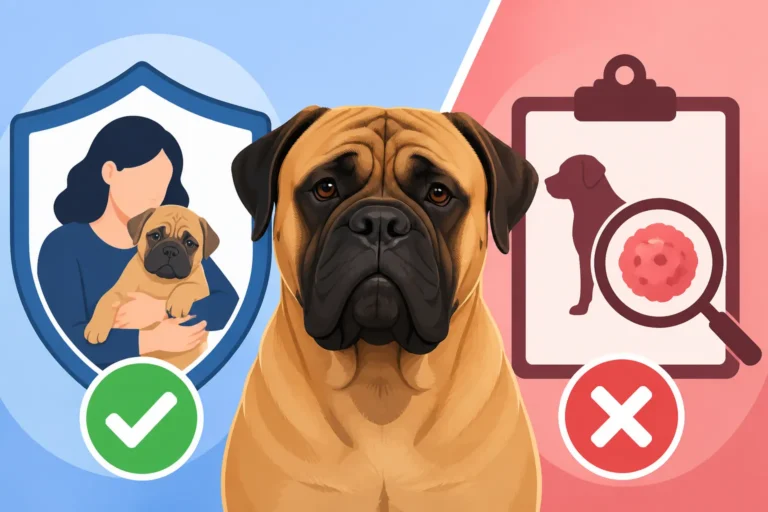
Oh, the quest to find a reputable Bullmastiff breeder! It can feel like navigating a minefield, can't it? You're pouring your heart and future into finding a beloved family member, and the last thing you want is to accidentally support someone cutting corners or, worse, falling prey to a scam. The worry about health issues, temperament quirks, and just generally doing the right thing for your future puppy is immense. This guide is here to empower you with the essential questions to ask, helping you sift through the noise and connect with a truly responsible breeder who prioritizes the well-being and future of their dogs.
The Absolute Must-Ask Health Questions
When you’re looking for a Bullmastiff, health should be at the very top of your priority list. These big, beautiful dogs are prone to certain genetic and hereditary conditions, and a good breeder will be transparent and proactive about mitigating these risks. It's not about finding a perfect dog – no such thing exists – but about finding a breeder who actively works to produce the healthiest puppies possible.
Probing for Genetic Health Clearances
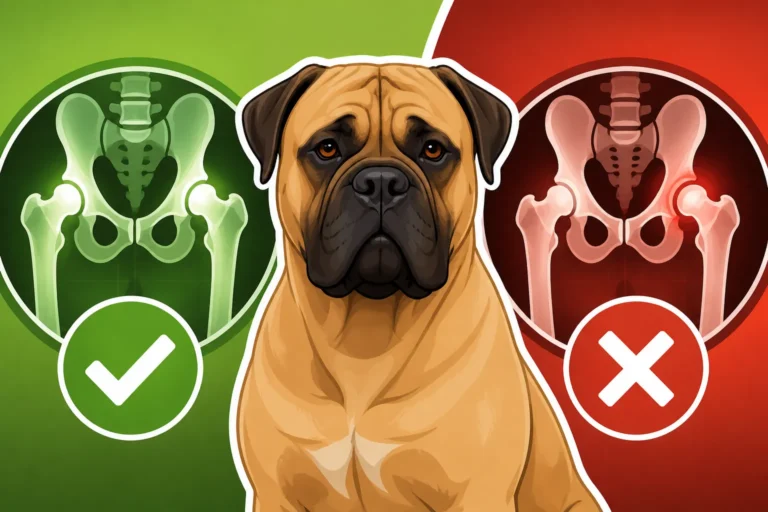
This is where the rubber meets the road. Anyone can say their dogs are healthy, but a responsible breeder will have the proof. You need to ask about specific health clearances for the parents of the litter. This isn't just a casual conversation; it's about seeing official documentation. For Bullmastiffs, you'll want to hear about screenings for hip and elbow dysplasia, cardiac health (specifically subaortic stenosis), and eye conditions. The Orthopedic Foundation for Animals (OFA) and Canine Health Information Center (CHIC) programs are key here.
Imagine you're chatting with a breeder who tells you their dogs are "vet checked" and "healthy." That's nice, but it's not enough. You need to press for specifics. Ask, "Are the parents OFA certified for hips and elbows, and can I see the certificates?" A truly ethical breeder will not only readily provide these but often have them proudly displayed or linked on their website. They'll show you the official numerical scores and explain what they mean. For example, a "good" or "excellent" rating for hips is what you're hoping for. If they shrug or say, "My vet just checked them out," that's a significant red flag. You're looking for quantifiable data that shows a commitment to screening for issues like Hip Dysplasia in a Bullmastiff and Elbow Dysplasia in a Bullmastiff.
Understanding Their Approach to Common Bullmastiff Ailments
Beyond the routine hip, elbow, and cardiac clearances, Bullmastiffs face other significant health challenges, notably certain cancers. Lymphoma and mast cell tumors are far too common in the breed. A good breeder won't shy away from discussing these difficult topics. Instead, they'll openly share their experiences, talk about the health history of the lines they breed, and explain how they select breeding pairs to minimize risks.
For instance, you might ask, "What is the history of cancer in your breeding lines, particularly lymphoma?" A responsible breeder will be able to discuss whether Lymphoma Kills More Bullmastiffs Than Anything Else in their dogs and, if so, at what ages it typically appeared. They might explain their philosophy on breeding dogs with longevity in their pedigrees, even if they can't guarantee a specific outcome. They should also be able to tell you about their own dogs’ health as they age and how they monitor for conditions like Mast Cell Tumors and the Lumps on a Bullmastiff. If a breeder dismisses your concerns about cancer or claims their lines are "cancer-free," be wary. No breeder can truly make such a claim, and it shows a lack of realistic understanding of breed health.
Discussing the Lifespan and Causes of Death in Their Lines
This might feel like a heavy topic to bring up, but it's incredibly important. The average Bullmastiff lifespan is shorter than many other breeds, often around eight to eight and a half years. A breeder should be knowledgeable and transparent about the longevity of the dogs in their pedigrees. Asking about the general age range their dogs tend to live, and what the common causes of death have been, provides a crucial insight into their breeding program's health focus.
Don't hesitate to ask, "What's the typical lifespan of the dogs in your breeding program, and what have been the main causes of death for older dogs in your lines?" A good breeder will be able to share not just statistics, but stories about their past dogs, including how long they lived and what conditions they faced in their later years. They might even discuss how they choose to retire dogs from breeding lines if certain health issues consistently appear. This level of candor demonstrates a deep, long-term commitment to the breed, rather than just producing puppies. Understanding The Median Bullmastiff Lives Eight and a Half Years is part of owning one of these wonderful dogs, and a breeder who educates you on this reality is invaluable.
Delving into Temperament and Socialization Practices
Beyond health, a Bullmastiff's temperament is paramount. These are powerful dogs, bred for guarding, but they are also meant to be devoted family companions. A stable, confident, and well-socialized Bullmastiff is a joy, while an anxious or aggressive one can be a significant challenge. The breeder plays a massive role in shaping a puppy's early experiences and genetic predisposition to temperament.
Assessing Puppy Temperament and Early Exposure
A responsible breeder understands that socialization begins literally from birth. They won't just keep puppies in a kennel; they'll raise them in a stimulating home environment, exposing them to various sights, sounds, and textures. You need to ask about their specific socialization protocols and how they assess individual puppy temperaments to match them with the right homes.
Ask detailed questions like, "What kind of early socialization do your puppies receive?" Listen for answers that include daily handling, exposure to household noises (vacuum cleaners, doorbells), different surfaces, and interaction with various people. A breeder might mention using "Puppy Culture" protocols or other structured early neurological stimulation programs. You should also inquire about how they evaluate each puppy's personality. Do they perform temperament tests? How do they decide which puppy goes to which family? For example, if you have young children, you'd want a puppy with a calmer, more tolerant disposition. A good breeder will be able to articulate how they observe and understand each puppy's unique character to ensure a good fit. They understand that a puppy’s early experiences dictate much of how A Bullmastiff Behaves With Children.
Inquiring About Parental Temperament and Background
A puppy’s temperament is a blend of genetics and environment, and the parents are the primary genetic contributors. You should always ask to meet the dam (the mother) of the litter, and ideally, the sire (the father) as well, or at least see videos and photos if he’s not on site. Observing the parents will give you a strong indication of what to expect from your puppy as an adult.
When you meet the dam, pay close attention to her demeanor. Is she friendly and approachable, or is she overly shy or aggressive? Ask, "What are the temperaments of both parents like, and what are their strengths and weaknesses?" A good breeder will be honest about their dogs' personalities. They might say, "Our female, Bella, is incredibly laid-back and loves everyone, but she can be a bit of a counter-surfer!" or "Our male, Titan, is very focused and a bit aloof with strangers at first, but incredibly loyal once he knows you." This honesty shows they know their dogs deeply. If a breeder presents a dog that seems fearful, aggressive, or unusually timid, that should raise concerns, as these traits can be passed on. This also extends to how A Bullmastiff Greets a Stranger and how comfortable they are in different social situations.
Understanding Their Approach to Puppy Placement
A truly responsible breeder isn't just selling a puppy; they're placing a future family member into a permanent home. This means they should be just as invested in getting to know you as you are in getting to know them. They'll ask you a lot of questions about your lifestyle, living situation, experience with dogs, and what you're looking for in a Bullmastiff.
You might ask, "What kind of homes do you feel are best suited for your Bullmastiffs?" Expect a breeder to have a clear idea. They'll likely emphasize the need for secure fencing, a commitment to training, and understanding of the breed's needs. They will want to know if you're prepared for Training a Bullmastiff That Weighs More Than You Do and if you have the patience for their sometimes stubborn nature. If a breeder doesn't seem interested in your background or your family, and is willing to sell to anyone with money, that's a serious warning sign. This rigorous screening process is a sign of a breeder who genuinely cares about their puppies' futures.
Breeder Practices and Ethical Considerations
The ethics of a breeding program reflect a breeder's fundamental commitment to the health and welfare of the breed. This encompasses everything from their overall breeding philosophy to the support they offer long after you take your puppy home.
Examining Breeding Philosophy and Experience
A responsible breeder typically has a clear vision for what they aim to achieve with their breeding program. They're not just breeding two dogs because they're both Bullmastiffs. They are actively working to improve the breed, whether that's focusing on health, temperament, conformation, or a combination of these. They will also be experienced and knowledgeable about the breed's history, challenges, and traits.
Ask them directly, "What is your breeding philosophy? What are you trying to achieve with this particular pairing?" A good breeder will articulate their goals, perhaps mentioning they're looking to enhance specific characteristics, improve longevity, or strengthen specific health traits within their lines. They should be able to discuss the pedigree of their dogs, not just as a list of names, but as a history of characteristics and health. You might also ask how long they've been involved with Bullmastiffs and what their involvement in the breed community looks like (e.g., membership in breed clubs, showing dogs, participating in health initiatives). A dedicated breeder is often a walking encyclopedia of Bullmastiff knowledge.
Understanding Contracts, Guarantees, and Return Policies
A detailed contract is the hallmark of a transparent and responsible breeder. This document protects both you and the breeder, outlining expectations, responsibilities, and safeguards. It should cover health guarantees, spay/neuter clauses, and, critically, a return policy.
You should definitely ask, "Can I see a copy of your purchase contract and health guarantee?" Pay close attention to the health guarantee. Does it cover serious hereditary conditions like subaortic stenosis or lymphoma? What are the terms if a health issue arises? A good contract will also state that the breeder will always take a dog back, regardless of age or reason, if you can no longer keep it. This is a huge indicator of their lifelong commitment to their dogs. For instance, if your Bullmastiff developed a serious, life-limiting condition like severe subaortic stenosis or an early onset cancer, you want to know what support the breeder offers. Discussing Whether a Bullmastiff Health Guarantee Covers Cancer or other major health concerns is crucial. Avoid any breeder who doesn't offer a written contract or whose contract seems vague or one-sided.
Post-Sale Support and Ongoing Commitment
Bringing home a Bullmastiff puppy is a big adventure, and you're going to have questions, especially as they grow into those huge, loving adults. A responsible breeder views themselves as a lifelong resource for their puppy buyers. They genuinely want to see their puppies thrive and are available to offer guidance and support for years to come.
Ask, "What kind of ongoing support do you offer after I take my puppy home?" A great breeder will assure you that they are available for questions, advice, and guidance throughout your Bullmastiff's life. They might encourage you to send updates, photos, and even visit. Some breeders host informal reunions or have active online communities for their puppy families. This kind of long-term relationship is invaluable. When you’re dealing with a breed that can sometimes be stubborn or challenging to train, knowing you have an experienced resource to call upon for advice on issues like Training a Bullmastiff That Weighs More Than You Do is incredibly reassuring. If a breeder seems to disappear after the check clears, that's not a partnership you want to enter.
Practicalities: Cost, Visits, and Logistics
While the emotional and ethical aspects are paramount, the practical side of acquiring a Bullmastiff also needs thorough investigation. This includes understanding the financial commitment, being able to visit the premises, and sorting out the details of bringing your new family member home.
Discussing the Financial Investment
Let's be real, a well-bred Bullmastiff puppy from a reputable source is an investment. The price reflects the breeder's extensive health testing, quality care for the dam and puppies, proper nutrition, early socialization, and ongoing support. Expecting a "bargain" price usually means corners have been cut, and you'll pay for it later in vet bills and heartache.
You'll naturally want to ask, "What is the total cost of a puppy, and what does that price include?" A good breeder will outline exactly what you're paying for: vaccinations, deworming, microchipping, initial vet checks, health guarantee, and possibly even a puppy starter kit. They should be upfront about the price range. Remember that What a Bullmastiff Puppy Costs From a Breeder can vary depending on location, lineage, and the breeder's reputation, but a significantly low price is often a warning. This is also a good time to discuss pet insurance. Companies like Healthy Paws offer plans that can help mitigate the costs of unexpected veterinary care for large breeds, especially given their propensity for certain health issues. It's smart to have a plan for the lifetime financial commitment, beyond just the initial purchase price, considering Chemotherapy Is the Bill Most Bullmastiff Owners Face.
Arranging Visits and Meeting the Parents
It's absolutely crucial to visit the breeder's facility, whether it's their home or a dedicated kennel, to see where the puppies are raised. This allows you to observe the living conditions, the dam, and the overall environment. Any breeder who refuses a visit or makes excuses should be immediately crossed off your list.
Politely ask, "When would be a good time to visit the puppies and meet the mother?" A responsible breeder will welcome a visit. During your visit, observe cleanliness, the temperament of the adult dogs, and how the puppies are interacting. Is the environment stimulating and clean? Does the mother seem healthy and comfortable? Does she have a good relationship with the breeder? Seeing the dam in her home environment gives you invaluable insight into the care she receives and her true temperament, not just what's presented on paper. If a breeder insists on meeting you in a public place, or claims the puppies are "not on site," these are major warning signs.
Logistics of Puppy Pick-Up and Travel
Once you've chosen your puppy, you'll need to understand the practical details of bringing them home. This includes when the puppies are ready to leave their mother and how the breeder handles transportation if you're not local.
Inquire, "At what age do you release your puppies to their new homes?" Reputable breeders will not allow puppies to leave before eight weeks of age, as this critical period with their mother and littermates is vital for proper development and socialization. They will also discuss safe travel options. If you're traveling a long distance, some breeders might suggest flying in-cabin with your puppy, or using reputable ground transport services. If a breeder pushes for a much earlier pick-up or insists on shipping puppies via cargo, reconsider. A breeder who cares for their puppies' welfare will prioritize their safe transition to their new home, not just the quickest way to get them out the door. They will also advise you on how to make the initial transition smooth, including what food they've been on (perhaps a high-quality food like Ollie) to minimize digestive upset during the move.
Red Flags and Green Lights: What to Listen For
Knowing what questions to ask is only half the battle; you also need to know how to interpret the answers and recognize the tell-tale signs of a good versus a bad breeder.
Recognizing Warning Signs in a Breeder
Unfortunately, not everyone breeding dogs has the animals' best interests at heart. There are several clear indicators that a breeder might be cutting corners or is simply irresponsible. Being aware of these red flags can save you a lot of future heartache and expense.
Be cautious if you encounter any of the following:
- No Health Testing or Vague Answers: If they can't produce OFA/CHIC certificates for hips, elbows, or cardiac clearances, or they claim "the vet said they're fine," that's a huge red flag. Proper testing is expensive and essential for Bullmastiffs.
- Always Available Puppies: Responsible breeders typically have waiting lists. If they always have puppies readily available, or breed multiple litters back-to-back, it could indicate overbreeding or a lack of careful planning. How Many Bullmastiff Litters Are Bred a Year from responsible breeders is usually quite low.
- Multiple Breeds: Breeders who dabble in many different breeds often lack specialized knowledge and dedication to any single one. A true Bullmastiff enthusiast focuses almost exclusively on their chosen breed.
- No Questions for You: A breeder who doesn't thoroughly vet you as a potential owner is a massive red flag. They should be just as invested in finding the right home for their puppies as you are in finding the right puppy.
- Poor Living Conditions: If the facility is unclean, overcrowded, or the dogs appear neglected, fearful, or unsocialized, turn around and leave immediately.
- Early Puppy Release: Any breeder willing to let puppies go before 8 weeks of age is putting the puppies' social and behavioral development at risk.
- Cash-Only Transactions or No Contract: A reputable breeder will have a formal contract and use legitimate payment methods. A lack of paper trail should be concerning.
- Aggressive Sales Tactics: High-pressure sales or demands for immediate deposits without adequate communication or transparency are not how ethical breeders operate.
- Claims of "Rare" Colors/Sizes: Bullmastiffs come in specific colors (fawn, red, brindle) and sizes. Beware of anyone advertising "rare black Bullmastiffs" or "mini Bullmastiffs" for inflated prices, as these are not true to the breed standard and often indicative of irresponsible breeding.
Identifying Hallmarks of an Excellent Breeder
On the flip side, there are many wonderful, dedicated Bullmastiff breeders out there who pour their hearts and souls into their dogs. Recognizing their qualities will help you feel confident in your choice.
Look for these green lights:
- Extensive Health Clearances and Open Discussion: They readily provide and explain official health certificates for both parents, discussing family health history transparently.
- Lifelong Support: They offer ongoing advice and support for the lifetime of your dog, often encouraging updates and fostering a community among their puppy owners.
- Thorough Vetting Process: They ask you many questions about your lifestyle, home, and experience, demonstrating genuine care for their puppies' future well-being.
- Clean, Stimulating Environment: Puppies are raised in a clean, safe, and stimulating home environment, well-socialized to sights, sounds, and people.
- Clear Breeding Goals: They can articulate their breeding philosophy, aiming to improve the breed's health, temperament, and conformation.
- Detailed Contract and Health Guarantee: A comprehensive contract clearly outlines responsibilities, health guarantees, and a commitment to taking the dog back if needed.
- Transparency and Openness: They welcome visits, encourage questions, and are honest about the realities of owning a Bullmastiff, including potential health challenges and the breed's average lifespan.
- Involvement in Breed Community: They are often active members of breed clubs (like the American Bullmastiff Association), participate in dog shows or performance events, and are respected by their peers. They're dedicated to the preservation and improvement of the Bullmastiff.
By being prepared with these questions and understanding what to look for, you'll be well on your way to finding a fantastic breeder and, ultimately, a wonderful Bullmastiff companion.
Key Questions to Ask a Bullmastiff Breeder
Here's a handy table summarizing some of the most critical questions to keep in your back pocket when speaking with a potential Bullmastiff breeder.
| Category | Specific Questions to Ask | What to Look For in the Answer |
|---|---|---|
| Health | Can I see the OFA/CHIC certificates for hip, elbow, and cardiac clearances for both parents? What is the health history of the parents and their close relatives, especially regarding conditions like cancer (lymphoma, mast cell tumors) and subaortic stenosis? What is the typical lifespan of dogs in your lines, and what have been the common causes of death for older dogs? | Readily provided official documentation, not just verbal assurances. Open and honest discussion about health challenges in the breed and their lines. Realistic understanding of longevity, discussing What Most Bullmastiffs Die Of. |
| Temperament | What are the temperaments of the sire and dam like? Can I meet the mother? What kind of early socialization do the puppies receive? How do you assess individual puppy temperaments and match them with families? | Parents who are stable, friendly, and confident (not overly shy or aggressive). A structured socialization plan (e.g., Puppy Culture). A thoughtful matching process based on family lifestyle and puppy personality, considering How Long a Bullmastiff Takes to Warm to a Visitor. |
| Breeder Ethics | What is your breeding philosophy and what are your goals for this litter? How long have you been involved with Bullmastiffs? Can I see a copy of your purchase contract and health guarantee? What kind of ongoing support do you offer after I take my puppy home? | Clear goals for breed improvement. Extensive experience and involvement in breed clubs. A comprehensive contract with a clear health guarantee and return policy. Commitment to lifelong support and mentorship. |
| Practicalities | What is the total cost of a puppy, and what does that include? When can I visit the puppies and meet the mother? At what age do you allow puppies to go to their new homes? | Transparent pricing that reflects quality care. Willingness to schedule visits to their home/kennel. Puppies are not released before 8 weeks of age. Clear explanation of what is included in the price and any logistics. |
| Red/Green Flags | (Listen for these during conversation) | Green Lights: Transparency, thorough questioning of you, long-term support, clean environment, knowledgeable about breed. Red Flags: No health testing, always available puppies, refusal of visits, no contract, overly cheap puppies, aggressive sales. |
Disclaimer
This article is for general informational purposes only and does not constitute professional advice. Laws, prices and regulations vary by location and change over time. Consult a qualified professional for guidance on your specific situation.