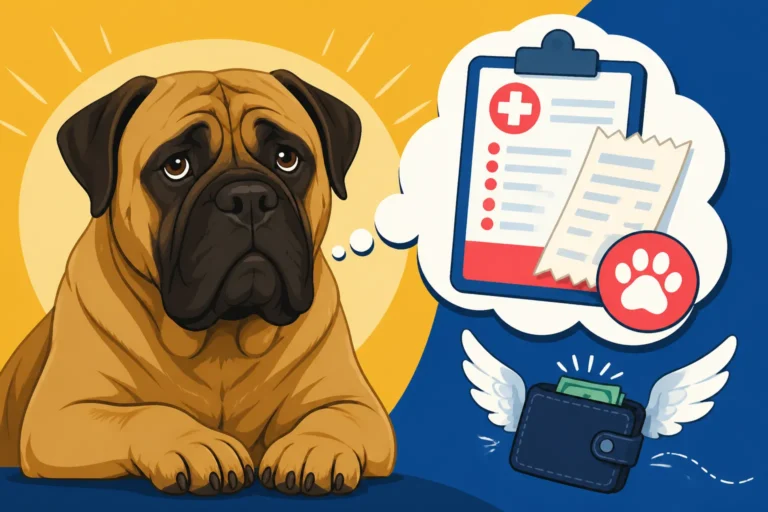
What a Bullmastiff Rescue Charges
Bringing a magnificent Bullmastiff into your life is a profound joy, but for many who are considering adopting from a rescue, the question of cost can feel like walking through a minefield of unknowns. It's easy to assume that "rescue" means "free" or nearly free, but the truth is, these dedicated organizations face significant expenses in rehabilitating and rehoming these gentle giants. This guide will walk you through what to expect when a Bullmastiff rescue charges an adoption fee, what that fee covers, and the other essential financial considerations that come with welcoming a rescue Bullmastiff into your family.
Understanding the Bullmastiff Rescue Landscape
When you decide to adopt a Bullmastiff from a rescue, you're not just getting a dog; you're often getting a dog that has been given a second chance, sometimes from truly difficult circumstances. Rescues operate with an incredible amount of dedication and, let's be honest, often a shoestring budget. Their primary goal isn't to make money, but to cover the extensive costs involved in providing proper care, rehabilitation, and ultimately, finding loving, forever homes for Bullmastiffs in need.
Why Rescues Exist and What They Do
Bullmastiff rescues exist because, sadly, not every Bullmastiff starts or ends up in an ideal situation. Sometimes, owners' circumstances change—job loss, divorce, health crises, or moving to a place where a large dog isn't feasible. Other times, a Bullmastiff might be surrendered due to behavioral issues the previous owners couldn't manage, or simply because they underestimated the sheer size, strength, and financial commitment of the breed. Rescues step in to provide a safe haven, assessing each dog's health and temperament, and offering the necessary care before placing them. They often deal with dogs who have faced neglect or even abuse, meaning their needs can be extensive. You can learn more about Why Bullmastiffs Come Into Rescue.
These organizations are typically run by passionate volunteers who pour their hearts, time, and personal funds into saving lives. They take in Bullmastiffs from shelters, from owner surrenders, and sometimes even directly from dire situations. Once a dog is in their care, the real work begins: veterinary assessments, necessary treatments, vaccinations, spaying or neutering, microchipping, and often, behavioral evaluation and training. This comprehensive approach ensures that when a Bullmastiff is finally adopted, they are as healthy and well-adjusted as possible, ready to integrate into a new family without bringing unresolved issues from their past. It’s a huge undertaking, driven purely by love for the breed.
The Financial Realities of Operating a Rescue
Imagine the cost of providing proper care for one hundred-and-thirty-pound Bullmastiff. Now imagine multiplying that by several dogs at a time, sometimes dozens, all with varying needs. The financial realities for a Bullmastiff rescue are immense. Every dog that comes through their doors requires food, shelter, and, most significantly, veterinary care. Many of these dogs arrive with existing medical conditions—anything from untreated skin infections to severe dental issues, injuries, or chronic illnesses like hip dysplasia or hypothyroidism. Each of these conditions requires diagnosis and treatment, which can quickly accumulate into thousands of dollars for a single dog.
Beyond direct medical costs, rescues also incur expenses for things like high-quality large-breed dog food, often from reputable suppliers like Chewy, specialized equipment like large crates, beds, and heavy-duty leashes. There are also administrative costs: insurance, website maintenance, transportation for dogs, and sometimes boarding fees if foster homes are full. The adoption fee, therefore, isn't a profit margin, but a vital contribution towards recouping a fraction of these operational costs. It helps the rescue continue its life-saving work, allowing them to take in the next Bullmastiff in need, ensuring that they can maintain their facilities and provide a safe and healthy environment for all the dogs under their care.
Breaking Down the Bullmastiff Adoption Fee
The adoption fee charged by a Bullmastiff rescue can vary quite a bit, but it's important to remember that this fee is a small investment in comparison to the extensive care and resources already poured into preparing your future family member. It’s designed to offset the significant expenses incurred, not to make a profit.
What Your Adoption Fee Typically Covers
When you pay an adoption fee for a Bullmastiff from a reputable rescue, you are contributing to a package of services and care that the dog has already received. This almost always includes a thorough veterinary examination, ensuring that any immediate health concerns have been addressed. Crucially, your Bullmastiff will likely be spayed or neutered before adoption, preventing further unplanned litters and often addressing potential health issues down the line. They will be up-to-date on core vaccinations, protecting them from common diseases like distemper, parvovirus, and rabies.
Beyond these basics, most rescues also microchip their dogs, providing a permanent form of identification that dramatically increases the chances of reunification should your Bullmastiff ever go missing. They will also be dewormed and treated for fleas and ticks. For a breed like the Bullmastiff, prone to certain health conditions, some rescues might even conduct preliminary screenings, such as a basic heart check to listen for murmurs or a thyroid panel. While these aren't always comprehensive genetic screenings, they provide a baseline of health. In essence, the adoption fee often covers far more than you'd pay out-of-pocket for these initial services at a private vet, offering a substantial hidden value.
Factors That Influence the Fee
Several factors can influence the exact amount of a Bullmastiff rescue's adoption fee. Generally, puppies and younger dogs often command a higher fee. This is partly due to their higher demand, but also because they may require a different vaccination schedule or more intensive initial veterinary care compared to a fully vaccinated adult. On the other hand, senior Bullmastiffs or those with known chronic health issues might have a reduced fee to encourage their adoption, acknowledging that their new owners will likely face higher ongoing medical expenses.
The rescue's geographic location can also play a role, as veterinary costs and operational expenses vary significantly across different regions. A rescue in a high cost-of-living area, for example, might have higher fees. Additionally, the specific health condition of the dog when it entered the rescue can impact the fee. A Bullmastiff that required extensive surgery, long-term medication, or specialized treatment for an injury or illness will have accumulated a much larger vet bill than one who was healthy upon intake. While the fee rarely covers the entire cost of such extensive care, it helps contribute to the rescue's ability to provide it.
Here's a general comparison of typical costs and inclusions for a rescue adoption versus purchasing from a breeder:
| Feature/Cost Aspect | Bullmastiff Rescue Adoption (Typical) | Reputable Bullmastiff Breeder Purchase (Typical) |
|---|---|---|
| Initial Cost | Moderate adoption fee | Higher purchase price for puppy |
| Spay/Neuter | Usually included and completed | Not included; new owner's responsibility |
| Vaccinations | Up-to-date on core vaccines | Initial puppy shots, often not full series |
| Microchipping | Almost always included | Sometimes included, often extra cost |
| Health Checks | Vet exam, often basic screenings | Vet exam, often extensive parent health clearances |
| Deworming/Flea | Usually completed | Often completed for puppy |
| Behavioral Eval | Thorough assessment, sometimes training | Puppy temperament assessment, not always adult behavior |
| History Known | Varies; sometimes limited | Known parentage, typically full puppy history |
| Age of Dog | All ages, often adults | Puppies, usually 8-12 weeks old |
| Support | Ongoing rescue support and resources | Breeder support for life of dog |
Note: Specific fees and inclusions will vary by individual rescue organization and breeder. Always inquire directly for current figures and what is covered.
Beyond the Fee: Immediate Expenses for Your Rescue Bullmastiff
While the adoption fee covers a lot of the initial care, bringing a Bullmastiff home is just the beginning of your financial commitment. There are several immediate expenses you'll face as you set up your home and ensure your new family member is comfortable and well-adjusted.
Setting Up Your Home with Essential Supplies
Preparing your home for a large breed like a Bullmastiff requires a significant upfront investment in essential supplies. You'll need a suitably massive crate – one that can comfortably accommodate a full-grown Bullmastiff, which means a truly giant size. These aren't cheap, but they are crucial for house-training, providing a safe den, and keeping your dog secure when you can't supervise. You can get an idea of What a Crate for a Bullmastiff Costs. Alongside the crate, an orthopedic dog bed is absolutely non-negotiable for a Bullmastiff. Their heavy joints need excellent support to prevent calluses and alleviate pressure, especially as they age. Look for high-density foam options, which you can often find from retailers like Chewy. Understanding What a Bed for a Bullmastiff Costs will help you budget.
Beyond the big ticket items, you'll need large, sturdy food and water bowls, ideally non-tip ones. A durable leash and collar or harness are essential, as a Bullmastiff's strength means standard equipment won't cut it for long. Toys, especially tough chew toys, will be necessary to keep their minds engaged and protect your furniture. Don't forget grooming essentials like a good brush, nail clippers, and dog-specific shampoo. Stocking up on these items before your Bullmastiff arrives will make the transition smoother for everyone and prevent last-minute rushes and potentially more expensive impulse buys.
Initial Veterinary Care and Health Management
Even if your rescue Bullmastiff comes with a clean bill of health from the rescue's vet, a follow-up visit with your own trusted veterinarian is highly recommended shortly after adoption. This allows your vet to establish a relationship with your new dog, confirm their health status, and discuss any breed-specific concerns or preventative care tailored to your local area. This initial check-up will have its own cost, covering an exam, and potentially additional tests if your vet identifies any concerns not previously addressed by the rescue.
If your Bullmastiff has any ongoing health conditions, such as allergies, joint issues, or thyroid problems, you'll need to factor in the cost of necessary medications. Large dogs like Bullmastiffs require larger doses, which translates to higher costs for things like joint supplements or thyroid medication. It's wise to discuss these potential long-term medication costs with the rescue before adoption, so you have a realistic understanding of the commitment. For example, some Bullmastiffs might benefit from Whether a Bullmastiff Needs Joint Medication Early which adds to the monthly expenses. This proactive approach helps you prepare financially for any recurring medical needs.
Investing in Training and Socialization
Bringing an adult rescue Bullmastiff home often means taking on a dog with an unknown past. While rescues do their best to assess temperament and provide initial training, every dog benefits from continued positive reinforcement training and socialization in their new environment. For a Bullmastiff, whose size and protective instincts can be formidable, professional guidance is often invaluable. Enrolling in obedience classes or even hiring a private trainer can help you establish clear communication, reinforce good manners, and address any specific behavioral quirks your rescue might have picked up. You'll quickly learn that Training a Bullmastiff That Weighs More Than You Do requires skill and consistency.
The cost of these training resources can vary depending on your location and the type of training you choose. Group classes are generally more affordable, while private sessions offer tailored attention. Investing in training early on is not just about teaching commands; it's about building a strong bond of trust and mutual understanding with your Bullmastiff, which is crucial for managing such a powerful breed responsibly. Proper socialization, continuing to expose them positively to new people, places, and other animals, is also an ongoing investment of time and energy, but it pays dividends in creating a well-adjusted, confident companion.
The Ongoing Costs of Loving a Rescue Bullmastiff
Beyond the initial setup, owning a Bullmastiff, especially one from a rescue, means committing to ongoing expenses for the duration of their life. These costs are a part of responsible pet ownership and directly impact your Bullmastiff's health, happiness, and longevity.
Daily Sustenance: Food, Treats, and Supplements
One of the most significant ongoing expenses for a Bullmastiff is their food. These are big dogs with big appetites! Feeding a hundred-and-thirty-pound Bullmastiff a high-quality, large-breed appropriate diet can be surprisingly expensive. It's not just about quantity; it's about providing the right nutrition to support their massive frame, muscle mass, and energy levels. While you can certainly find budget-friendly options, investing in premium food pays off in better health and fewer vet visits in the long run. Many owners find great options on platforms like Chewy, or might even explore fresh food options from services like Ollie, which can be tailored to your dog's specific needs, though these often come at a higher price point.
You'll also need to budget for treats, whether for training rewards or just everyday enrichment. Chew treats can be especially important for Bullmastiffs to satisfy their natural urge to chew. Don't forget any supplements your Bullmastiff might need, such as those for joint health, skin and coat, or probiotics, especially if recommended by your vet. All these factors contribute to What a Bullmastiff Eats in a Month and can quickly become a substantial part of your monthly budget. It's not uncommon for Bullmastiff owners to spend hundreds of dollars a month on food and supplements alone.
Maintaining Health: Routine Vet Visits and Preventative Care
Regular veterinary care is vital for keeping your Bullmastiff healthy throughout their life. This includes annual wellness exams, which allow your vet to monitor their overall health, catch potential issues early, and keep vaccinations up to date. These yearly check-ups, sometimes needing to include bloodwork for older dogs, are a non-negotiable expense. You'll want to be prepared for What a Bullmastiff's Annual Checkup Costs. Beyond the annual visit, preventative medications are crucial. This typically includes monthly heartworm prevention, year-round flea and tick medication, and potentially other parasite control. Given the Bullmastiff's weight, these medications come in larger, more expensive doses than they would for a smaller dog.
Moreover, Bullmastiffs are a breed prone to specific health issues, such as hip and elbow dysplasia, certain cancers, and bloat. While a rescue may have done initial screenings, these conditions can develop or worsen over time. Being diligent with routine care helps catch these issues early, potentially leading to more effective and less costly treatment. Maintaining their dental health with regular cleanings, either at home or professionally, is also a vital part of preventative care that can prevent more serious health complications and expenses down the line.
The Safety Net: Pet Insurance and Emergency Funds
Given the Bullmastiff's propensity for certain health issues and their relatively shorter lifespan (The median Bullmastiff lives eight and a half years), budgeting for potential medical emergencies or chronic illnesses is paramount. This is where pet insurance can be a real lifeline. Companies like Healthy Paws offer policies that can help offset the costs of unexpected accidents, illnesses, and even some hereditary conditions. While pet insurance is an additional monthly premium, it can save you thousands, or even tens of thousands, of dollars if your Bullmastiff faces a major health crisis, such as cancer treatment or emergency surgery for bloat. You can explore What Insuring a Bullmastiff Costs a Month.
Even with pet insurance, it’s always wise to have an emergency fund specifically for your Bullmastiff. Most insurance policies have a deductible, and some treatments may not be fully covered. This fund can also cover routine costs not covered by insurance, or the initial outlay before reimbursement. Unexpected veterinary bills, especially for a large dog, can quickly escalate, causing immense financial stress. Having a safety net in place ensures you can always make health decisions based on what's best for your Bullmastiff, rather than being constrained by your budget. Thinking about What a Bullmastiff Costs Over Its Lifetime really drives home the need for these provisions. Remember, Why a Bullmastiff's Bills Come Early often because of their breed-specific health challenges.
The Unquantifiable Value of a Rescue Bullmastiff
While we've focused a lot on the financial aspects of adopting a rescue Bullmastiff, it's crucial to acknowledge that some of the most profound benefits cannot be measured in dollars and cents. The value a rescue dog brings to a family, and the satisfaction of providing a second chance, are truly priceless.
The Profound Impact of Giving a Second Chance
Adopting a Bullmastiff from a rescue is an act of incredible compassion. These dogs, through no fault of their own, have found themselves without a home, and by opening your heart and home to one, you are quite literally saving a life. The bond that often forms with a rescue dog is unique and deeply rewarding. Many adopters report that their rescue Bullmastiffs show immense gratitude, forming an unbreakable attachment to their new families. There’s an undeniable satisfaction in seeing a dog who may have been timid, stressed, or neglected, blossom into a confident, happy, and loving companion under your care.
The emotional returns are boundless. Bullmastiffs are known for their unwavering loyalty and gentle nature with their families, and a rescue Bullmastiff who has been given a new lease on life will often lean into this characteristic with even greater intensity. They become shadow dogs, protectors, and steadfast companions, offering unconditional love and a calming presence. The impact on your family, teaching empathy and responsibility, and the sheer joy of watching a dog thrive after adversity, are treasures that money simply cannot buy.
Unseen Savings: The Value of a Rescue's Due Diligence
While we've detailed the various costs, it's worth highlighting that adopting from a reputable Bullmastiff rescue often comes with "unseen savings" that can benefit you financially in the long run. As discussed, the adoption fee typically covers a significant amount of initial veterinary care—spaying/neutering, vaccinations, microchipping, and often initial health assessments. If you were to purchase a puppy from a less reputable source or even from some private sales, these costs would be entirely your responsibility, adding hundreds, if not thousands, of dollars to your initial outlay. A good rescue has already invested this money, saving you the immediate expense and the time spent scheduling those appointments.
Furthermore, rescue organizations put a great deal of effort into evaluating the temperament and known history of their dogs. This means you often have a clearer picture of the dog's personality, training level, and any potential behavioral quirks than you might with a young puppy. This due diligence can save you money on extensive behavioral training down the road, as the rescue might have already initiated some rehabilitation or can guide you on what to expect. While What a Bullmastiff Breeder Should Have Screened is crucial for puppies, rescues provide a similar, albeit different, form of assurance by addressing current health and behavioral needs, ensuring you bring home a companion who is ready to integrate into your life with fewer surprises.
Disclaimer
This article is for general informational purposes only and does not constitute professional advice. Laws, prices and regulations vary by location and change over time. Consult a qualified professional for guidance on your specific situation.