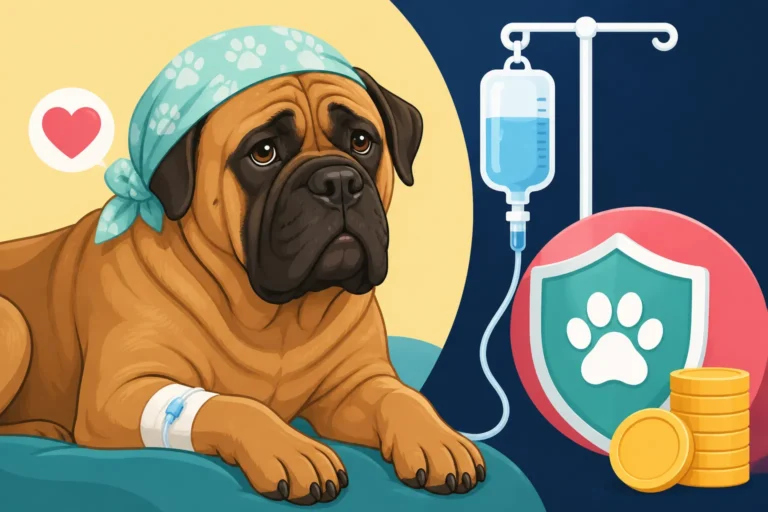
Why a Bullmastiff’s Vet Bills Arrive at Six
It's a common, heartbreaking reality for many Bullmastiff owners: just when your beloved giant is settling into their mature years, around age six, those vet bills suddenly start piling up. It's not just random bad luck; there are specific, often heartbreaking reasons why this age marks a significant shift in their health needs and, consequently, your wallet. This guide will delve into why Bullmastiffs often face increased veterinary costs around their sixth birthday, what conditions typically emerge, and how you can best prepare for these substantial expenses.
The Onset of Seniority: Why Six Years is a Turning Point for Bullmastiffs
For many large and giant breeds, including our magnificent Bullmastiffs, the concept of "seniority" arrives much sooner than it does for smaller dogs. While a tiny Chihuahua might still be romping around like a youngster at age six, a Bullmastiff is already beginning to experience the subtle, and sometimes not-so-subtle, signs of aging. This transition isn't just about a few gray hairs; it involves physiological changes that make them more susceptible to certain health conditions.
Think about it from a biological perspective. A Bullmastiff lives, on average, eight and a half years. So, at six years old, they've already lived a significant portion of their expected lifespan. Their bodies have been carrying a considerable amount of weight for several years, putting stress on their joints, organs, and systems. This cumulative wear and tear, combined with genetic predispositions common in the breed, often means that underlying health issues, which might have been silently developing, finally start to make themselves known around this pivotal age. It's like a finely tuned machine that's seen a lot of mileage; the parts start to show their age.
The Biological Reality of Aging in Giants
Giant breeds simply age at an accelerated rate compared to their smaller counterparts. This rapid aging process means that organ systems, cellular regeneration, and musculoskeletal integrity reach their peak and then begin to decline much faster. For a Bullmastiff, whose growth was so intense and whose adult size is so substantial, this process is particularly pronounced. Around age six, their metabolic rate might begin to slow, their immune system might not be as robust, and the elasticity in their tissues and joints can diminish.
What does this mean practically? It means that a growth or lump that might have been benign at two years old could now be a serious concern. It means a slight stiffness in the morning is no longer just a "sleepy dog" thing but could be the early signs of arthritis. It means that subtle changes in appetite or energy levels can be indicators of more significant internal issues rather than just a passing mood. Recognizing The Age a Bullmastiff Is Considered Senior is key to understanding why vet bills might start to climb at this stage. It's not a sudden breakdown, but rather the culmination of years of intense work for their powerful bodies.
Unmasking Latent Genetic Predispositions
Bullmastiffs, like many purebred dogs, carry genetic predispositions to certain health conditions. These aren't always present at birth or even in early puppyhood; often, they are conditions that manifest later in life. Age six often falls squarely within the window when these predisposed conditions become clinically apparent. Whether it's a propensity for certain types of cancer or the gradual degeneration of joints, these genetic cards begin to play out.
Breeders often screen for some of these conditions, like hip and elbow dysplasia, but many others, especially cancers, are complex and harder to predict or screen for in advance. When these conditions do emerge, they often require extensive diagnostic work, specialized treatments, and ongoing management, all of which contribute to those escalating vet bills. It’s important to understand that even with the best breeding practices, some of these issues are simply part of the breed's genetic makeup that reveals itself with age.
Common Health Challenges That Emerge Around Age Six
When a Bullmastiff turns six, you might start noticing changes that signal underlying health issues requiring veterinary attention. These aren't just minor ailments; they are often serious conditions that demand significant diagnostic investigation and, frequently, expensive treatment protocols. Understanding these common challenges can help you be more vigilant and prepare for what might come.
Cancer: A Devastating Reality for Aging Bullmastiffs
Sadly, cancer is a leading cause of death in Bullmastiffs, and it's around age six that many of the more aggressive forms begin to manifest. It’s a truly devastating reality for owners. The sheer size and rapid cell turnover in giant breeds may contribute to this increased risk. The specific types of cancer are varied, but some are particularly prevalent in the breed.
Lymphoma is a cancer of the lymphatic system, and it is tragically common in Bullmastiffs. Lymphoma Kills More Bullmastiffs Than Anything Else, and often, the first signs, like swollen lymph nodes, might appear around this age. These swollen nodes can feel like firm, non-painful lumps in areas like under the jaw, in the armpits, or behind the knees. Other cancers include mast cell tumors, which can appear as innocent-looking lumps on or under the skin, but can be much more aggressive internally. Mast Cell Tumors and the Lumps on a Bullmastiff can range from relatively harmless to highly dangerous, and precise diagnosis is crucial. Detecting these early means more treatment options, but even then, the path ahead is often long and costly, involving biopsies, staging, and potentially chemotherapy. Many owners find themselves navigating a complex and emotionally draining journey once cancer is diagnosed.
Arthritis and Degenerative Joint Disease
With their substantial weight and powerful build, Bullmastiffs are inherently prone to joint issues, and these tend to become symptomatic around age six. The years of carrying a large frame can lead to the breakdown of cartilage in their hips, elbows, and other joints, resulting in pain, stiffness, and reduced mobility. What might start as a subtle reluctance to jump into the car or a slight limp after a long walk can quickly progress into chronic discomfort.
While conditions like hip and elbow dysplasia might have been present since youth, it's often in their senior years that the secondary arthritis becomes a real problem. Hips and Elbows Under a Hundred and Thirty Pound Bullmastiff are under immense pressure, and even with excellent care, degenerative changes are almost inevitable for many. Management typically involves pain medication, anti-inflammatory drugs, physical therapy, and joint supplements. These aren't one-time fixes; they are often lifelong regimens that require continuous veterinary oversight and prescription refills. Brands like Chewy often offer a wide range of joint supplements that your vet might recommend to support cartilage health.
Hypothyroidism
Another common condition that frequently appears in Bullmastiffs around middle age is hypothyroidism. This is when the thyroid gland doesn't produce enough thyroid hormone, which is essential for regulating metabolism. The symptoms can be subtle and easily mistaken for general aging or other issues, such as unexplained weight gain despite no change in diet, lethargy, a dull coat, or recurrent skin infections.
Because the symptoms can be vague, a diagnosis of Hypothyroidism in a Bullmastiff requires blood tests to check thyroid hormone levels. Once diagnosed, treatment typically involves lifelong daily medication. While the medication itself might not be prohibitively expensive, the initial diagnostic panel and ongoing monitoring blood tests can add up. It’s a condition that, once managed, can significantly improve a dog's quality of life, but it does become another regular vet expense that adds to the overall cost of care.
Understanding the Financial Impact of Later-Life Care
The reality of these emergent health issues is that they come with significant financial implications. It’s not just the initial diagnosis; it’s the follow-up, the medications, the specialized treatments, and the ongoing management that truly add up. When your Bullmastiff reaches age six, it's wise to anticipate a substantial increase in your veterinary budget.
| Condition | Typical Onset Age (Bullmastiff) | Initial Diagnostic Cost Shape | Treatment & Management Cost Shape | Common Signs to Watch For |
|---|---|---|---|---|
| Lymphoma / Other Cancers | 5-8 years | High | Very High, Ongoing | Swollen lymph nodes, lethargy, weight loss |
| Arthritis / Joint Disease | 4-7 years (symptomatic) | Moderate | Moderate to High, Chronic | Stiffness, lameness, reluctance to move |
| Hypothyroidism | 4-7 years | Moderate | Moderate, Lifelong | Weight gain, lethargy, poor coat |
| Heart Conditions (e.g., DCM) | 5-8 years | High | High, Lifelong | Coughing, fatigue, fainting |
| Gastric Dilatation-Volvulus (Bloat) | Any age (prone), but risk increases with age | Emergency (Very High) | Surgical, then recovery care | Distended abdomen, retching, restlessness |
Note: The cost shapes are general indicators; actual costs vary significantly by region, veterinary clinic, and severity of the condition.
Diagnostics: The First Step to Understanding
When your Bullmastiff starts showing signs of illness around age six, the first significant vet bills often come from diagnostics. A veterinarian needs to figure out what's going on, and that requires more than just a quick look. This can include comprehensive blood panels (complete blood count, chemistry, thyroid function), urine tests, X-rays to check for tumors or joint degeneration, and ultrasounds to examine internal organs. If cancer is suspected, fine-needle aspirates or surgical biopsies will be necessary, often sent to specialized labs for pathology reports.
These diagnostic tools are essential for an accurate diagnosis, but each step adds to the bill. For example, a thorough cancer workup might involve multiple imaging studies, specialized blood tests, and a biopsy, all before a treatment plan can even be formulated. This phase alone can represent a considerable investment, sometimes amounting to figures that can catch an unprepared owner off guard. Understanding What a Bullmastiff's Cancer Workup Costs can give you a clearer picture of these initial expenses.
Treatment Protocols: Long-Term Commitments
Once a diagnosis is made, especially for chronic conditions like cancer, arthritis, or heart disease, the treatment protocols often represent a long-term financial commitment. For cancer, this could mean How Many Weeks a Bullmastiff's Chemotherapy Runs, involving multiple visits to a veterinary oncologist, specialized medications, and supportive care to manage side effects. The cost for chemotherapy can be substantial, making it Chemotherapy Is the Bill Most Bullmastiff Owners Face for many Bullmastiff owners.
For arthritis, lifelong pain management with prescription medications and supplements is common. If your vet suggests specific joint care diets, companies like Ollie or Chewy often provide convenient delivery services for these specialized foods, but they do add to your monthly budget. Heart conditions might necessitate expensive cardiac medications and regular re-evaluations with a veterinary cardiologist. These treatments aren't merely expenses; they are investments in extending your beloved Bullmastiff's quality of life, but they do require consistent financial planning.
Proactive Planning: Cushioning the Blow of Rising Vet Bills
Nobody wants to think about their cherished companion getting sick, but facing the reality that Bullmastiffs often incur significant vet bills around age six is a critical part of responsible ownership. Being proactive can make a world of difference, not only for your peace of mind but also for your dog's health outcomes.
The Lifeline of Pet Insurance
One of the most impactful ways to prepare for potential high vet bills is investing in pet insurance. While it might seem like an extra monthly expense when your Bullmastiff is a healthy puppy, its value becomes immeasurable when those senior-related health issues begin to surface. Policies from providers like Healthy Paws can help cover a significant portion of unexpected expenses, from diagnostics to treatments for cancer, chronic diseases, and even emergency surgeries.
It's crucial to enroll your Bullmastiff when they are young, ideally as a puppy, before any pre-existing conditions develop. Most policies won't cover conditions diagnosed before or during a waiting period. So, if you wait until age six when symptoms appear, it might be too late to get coverage for that specific ailment. Understanding What Insurance Covers on a Bullmastiff and choosing a policy with a suitable annual limit and reimbursement percentage can be a game-changer when you're facing thousands of dollars in medical costs. The peace of mind alone is often worth the monthly premium.
Building an Emergency Fund
Even with pet insurance, there will likely be deductibles, co-pays, and services that aren't fully covered. This is where an emergency fund specifically for your Bullmastiff comes into play. Having a dedicated savings account that you contribute to regularly can provide a vital financial cushion when unexpected vet bills arise. This fund can cover diagnostic tests, medications, or even the initial emergency visit before insurance kicks in.
Consider setting aside a certain amount each month, starting from the day you bring your Bullmastiff home. Think of it as investing in their future health. This way, if you suddenly face a diagnosis requiring immediate intervention, you're not scrambling to find funds or making difficult decisions based purely on cost. While pet insurance covers the big, unforeseen medical crises, a solid emergency fund ensures you can manage the smaller, routine costs or fill in any gaps the insurance might leave. This fund, combined with insurance, offers the strongest financial safety net.
Vigilant Preventative Care and Lifestyle Choices
While not all diseases are preventable, vigilant preventative care and smart lifestyle choices can certainly mitigate risks and potentially delay the onset of some age-related issues. Regular veterinary check-ups are paramount, especially as your Bullmastiff approaches and passes age six. Your vet might recommend increased frequency for wellness exams, perhaps twice a year, to catch any subtle changes early. How Often a Bullmastiff Needs a Wellness Exam may increase with age.
Maintaining a healthy weight is another massive factor. Keeping a Bullmastiff Lean Is the Best Thing You Can Do for their joint health and overall longevity. Excess weight puts additional strain on joints already prone to arthritis and can exacerbate heart conditions. A diet of high-quality large-breed food, portion-controlled and often supplemented with joint support from companies like Chewy or Ollie, can make a significant difference. Regular, moderate exercise, appropriate for their age and physical condition, also supports muscle tone and joint mobility without overstressing their aging bodies. These daily choices, while seemingly small, contribute significantly to your Bullmastiff's long-term health and can potentially reduce the severity and frequency of those later-life vet bills.
Adjusting Care as They Age
As your Bullmastiff moves past six, their needs will change, and adjusting their care accordingly is crucial. This isn't just about reacting to problems but proactively supporting their aging body. Their diet might need to change to a senior-specific formula, which often has different calorie and nutrient balances. Joint supplements, perhaps glucosamine and chondroitin, become less of an option and more of a necessity. You might also want to look into What Joint Supplements Cost for a Bullmastiff to budget for this.
Their exercise routine may need to become gentler but remain consistent to maintain muscle mass and flexibility. Providing orthopedic bedding can prevent pressure sores and offer better support for aching joints. Monitoring their cognitive function, appetite, and water intake regularly can help you spot issues before they become severe. What Changes in an Aging Bullmastiff's Care is a question every Bullmastiff owner should actively seek to understand, ensuring a comfortable and well-supported senior life for their beloved companion. It’s an ongoing commitment, but one that is incredibly rewarding.
Disclaimer
This article is for general informational purposes only and does not constitute professional advice. Laws, prices and regulations vary by location and change over time. Consult a qualified professional for guidance on your specific situation.