Whether a Bullmastiff’s Cancer Is Covered
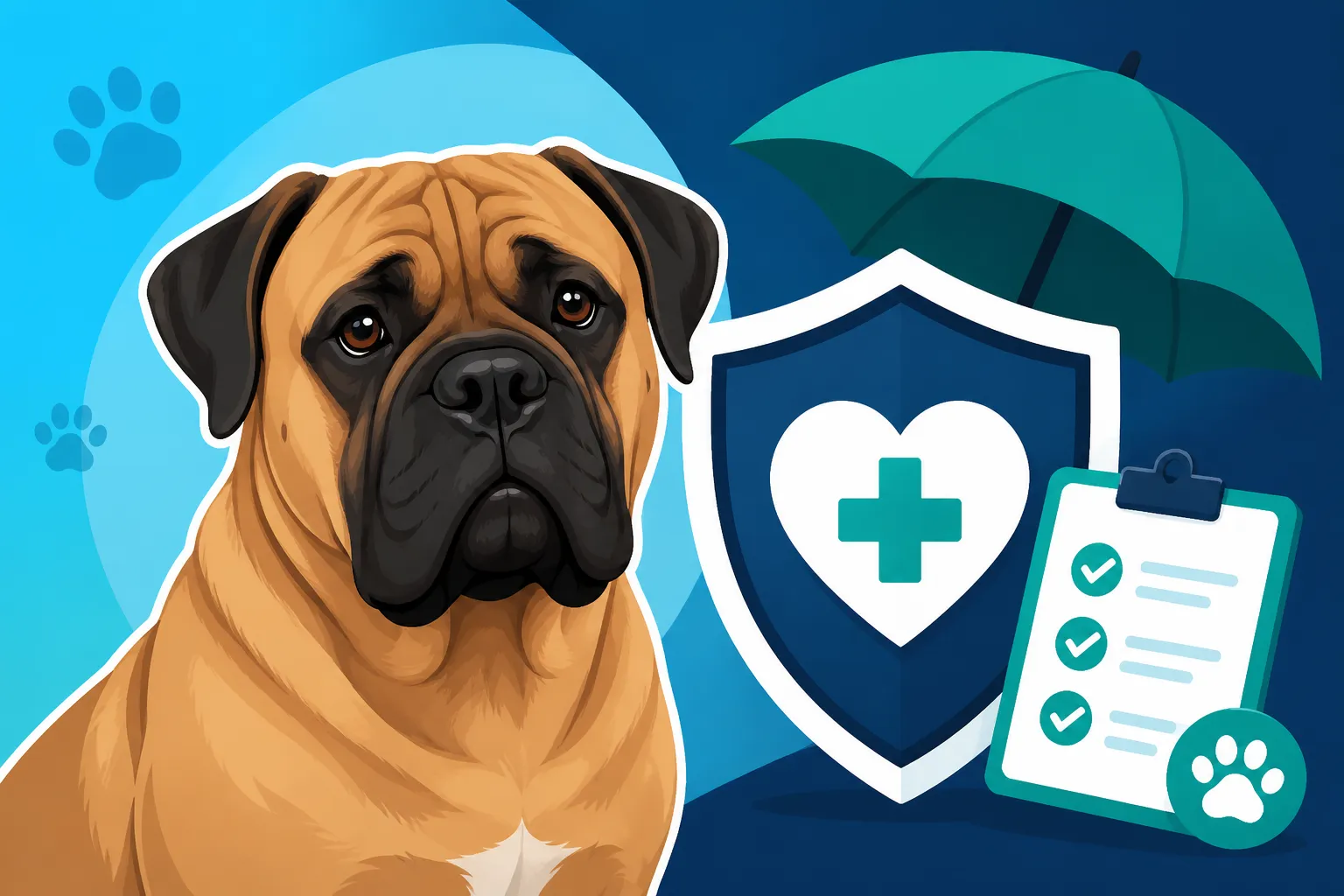
The fear that grips you when your beloved Bullmastiff receives a cancer diagnosis is overwhelming. Beyond the heartache for your gentle giant, a wave of panic often sets in about the astronomical veterinary bills that loom. This guide is here to shed light on a crucial question many Bullmastiff owners face: whether their pet insurance policy will actually cover the costs of a cancer diagnosis and subsequent treatment. We'll dive deep into the intricacies of pet insurance, the common pitfalls, and what you need to know to be as prepared as possible.
The Heartbreaking Reality of Cancer in Bullmastiffs and the Quest for Coverage
It’s a tough truth that Bullmastiffs, like many large and giant breeds, are predisposed to certain health conditions, and cancer is unfortunately high on that list. The sheer size and genetic makeup of these magnificent dogs can make them more susceptible, leading to a profound concern for their dedicated owners.
Why Bullmastiffs Face a Higher Cancer Risk
When you welcome a Bullmastiff into your home, you're embracing a breed known for its stoic loyalty and impressive stature. However, this breed's genetic heritage comes with a higher propensity for certain types of cancers. For instance, Lymphoma Kills More Bullmastiffs Than Anything Else, and it often appears with a heartbreaking regularity that seems disproportionate compared to some other breeds. It’s not just lymphoma; mast cell tumors are another common foe, often presenting as seemingly innocuous lumps. Knowing that your Bullmastiff faces a statistically higher risk than a mixed breed can be a heavy burden. Understanding Why a Bullmastiff's Lymphoma Risk Is Five Times a Mixed Breed's is a stark reminder of the challenges inherent in owning these wonderful dogs.
The Emotional and Financial Toll of a Cancer Diagnosis
Receiving a cancer diagnosis for your Bullmastiff can feel like a punch to the gut. The emotional toll of watching your dog face illness is immense, but often, the financial strain quickly becomes a compounding stressor. You want to give your Bullmastiff the best possible chance, pursuing every available treatment option, but the reality is that specialized veterinary oncology, chemotherapy, and radiation can carry a hefty price tag. Many owners find themselves in the agonizing position of weighing their pet's quality of life against their bank account, a dilemma no loving pet parent ever wants to confront. This is where the hope of pet insurance comes in, offering a potential lifeline to mitigate these costs.
The Initial Question: Will Insurance Help?
As soon as a vet delivers the dreaded news, one of the first questions, after "What do we do?", is often "Will my insurance cover this?". The answer, unfortunately, is rarely a simple yes or no. It depends heavily on the specifics of your policy, when you enrolled, and critically, when the cancer first showed any signs or symptoms. This uncertainty adds another layer of anxiety during an already trying time. It's not just about having any insurance; it's about having the right insurance, purchased at the right time.
Decoding Pet Insurance: What "Covered" Really Means for Cancer
Pet insurance policies can be complex, filled with jargon and clauses that are difficult to decipher, especially when you're under emotional duress. Understanding the fundamental types of plans and their limitations is key to managing expectations and making informed decisions.
Understanding Accident & Illness vs. Accident-Only Plans
When shopping for pet insurance, you'll generally encounter two main categories: accident-only plans and accident & illness plans. For a Bullmastiff owner concerned about cancer, accident-only plans offer little to no relief. These plans are, as the name suggests, designed to cover expenses related to unexpected injuries like a broken bone from a fall or a cut from an accident. They explicitly do not cover illnesses, including cancer.
Therefore, for cancer coverage, an accident & illness plan is what you need. These comprehensive plans cover a broader range of conditions, from infections and allergies to chronic diseases and, yes, cancer. But even within accident & illness plans, the specifics of what they cover for cancer can vary significantly. Some might cover chemotherapy, radiation, and surgery, while others might have limits on specific types of care or alternative therapies. It’s imperative to scrutinize the details of these plans to ensure they align with the potential needs of a breed like the Bullmastiff.
The Critical Role of Waiting Periods
Every pet insurance policy comes with waiting periods – a specific amount of time that must pass after you purchase the policy before certain conditions become eligible for coverage. These are standard practice across the industry and are designed to prevent people from buying insurance only after their pet has become ill. For cancer, these waiting periods are absolutely critical.
Typically, there will be an accident waiting period (often just a few days) and an illness waiting period (which can range from 14 to 30 days, or even longer for specific conditions like orthopedic issues). If your Bullmastiff is diagnosed with cancer, or even shows symptoms of cancer, before the illness waiting period is over, that condition will almost certainly be deemed pre-existing and therefore not covered. This is why securing a policy when your Bullmastiff is a healthy puppy or young adult is paramount.
Policy Limitations and Exclusions: The Fine Print
Even with an accident & illness plan, pet insurance isn't a blank check. Policies come with various limitations and exclusions that can affect how much is covered for cancer treatment. Common limitations include:
- Annual Limits: This is the maximum amount your policy will pay out in a given policy year. For a Bullmastiff with cancer, whose treatment costs can easily run into five figures, a low annual limit can be quickly exhausted, leaving you to cover the remainder.
- Per-Incident Limits: Some older or less comprehensive policies might have a maximum payout for each separate illness or accident. While less common with modern plans, it's worth checking.
- Breed-Specific Exclusions: While rare for general cancer, some policies might have breed-specific exclusions for conditions known to affect certain breeds. Always confirm there are no specific cancer exclusions for Bullmastiffs.
- Experimental Treatments: Many policies explicitly exclude experimental or investigational treatments. If your Bullmastiff's oncologist recommends a cutting-edge therapy, ensure your policy doesn't consider it experimental.
- Elective Procedures: Procedures deemed elective, such as certain cosmetic surgeries, are never covered, but this is less of a concern for cancer treatment.
It's vital to read the policy documents carefully or call the insurance provider directly to understand these limitations. A common frustration among pet owners is discovering an unexpected exclusion when they are already deep into treatment.
The Elephant in the Room: Pre-Existing Conditions
This is arguably the most significant factor determining whether your Bullmastiff's cancer will be covered. Pre-existing conditions are the bane of many pet owners' insurance claims, and understanding them is non-negotiable.
Defining a Pre-Existing Condition in Pet Insurance
A pre-existing condition is generally defined as any illness or injury that showed symptoms or was diagnosed by a veterinarian before your insurance policy's effective date or before the end of its waiting periods. This definition is crucial because it often doesn't even require an official diagnosis. If your vet notes "intermittent coughing" in your Bullmastiff's records, and a few months later it's diagnosed as lung cancer, the insurance company might consider the coughing a symptom of a pre-existing condition, even if you hadn't realized its significance at the time.
For a Bullmastiff, this can be particularly tricky. What if you noticed a small, soft lump on their side weeks before enrolling, and later it's diagnosed as a mast cell tumor? That lump, even if benign at first, might be enough for an insurer to consider it pre-existing. This highlights why meticulous vet records are reviewed by insurance providers during claims. Knowing The Age Lymphoma Appears in a Bullmastiff and Mast Cell Tumors and the Lumps on a Bullmastiff are common issues in the breed, underlines the importance of being proactive with insurance.
How a Diagnosis Before Enrollment Affects Coverage
If your Bullmastiff receives a definitive cancer diagnosis before you enroll in an accident & illness policy, or before the waiting period ends, that specific cancer will almost certainly be excluded from coverage for the life of that policy. There are very few exceptions to this rule across the industry, as insurance is designed to protect against future unforeseen events, not to cover existing ones.
This reality often hits new Bullmastiff owners hard when they realize the cost of Chemotherapy Is the Bill Most Bullmastiff Owners Face. If your Bullmastiff is diagnosed with lymphoma at age five, and you only purchased insurance at age four, but symptoms were noted earlier, you could still be out of luck. This is why many experienced Bullmastiff owners stress the importance of getting insurance coverage as early as possible – ideally when they are still puppies.
The "Curable" vs. "Incurable" Pre-Existing Condition Debate
Some pet insurance providers offer a glimmer of hope for curable pre-existing conditions. For example, if your Bullmastiff had a urinary tract infection that was fully resolved and symptom-free for a certain period (e.g., 6 or 12 months), some policies might then cover future, unrelated UTIs. However, this exception almost never applies to cancer. Cancer, by its very nature, is generally considered an incurable pre-existing condition, even if it goes into remission.
If your Bullmastiff had one type of cancer (e.g., a mast cell tumor that was surgically removed with clean margins) before enrollment, and then develops a completely different type of cancer (e.g., lymphoma) after the waiting period, the new cancer would typically be covered. However, if the initial cancer recurs or metastasizes, it would likely still be deemed pre-existing. This distinction is vital and underscores the complexity of these policies.
Maximizing Your Chances: Getting Coverage Before a Diagnosis Strikes
Given the Bullmastiff's predisposition to certain health issues, being proactive with pet insurance is not just a good idea; it's often a financial necessity for comprehensive care.
Why Early Enrollment is Non-Negotiable for Bullmastiff Owners
For Bullmastiff owners, early enrollment is perhaps the single most important factor in ensuring potential cancer coverage. The longer you wait, the higher the chance that your dog might develop any symptom that could later be linked to a serious illness. A small lump, a limping episode, a bout of vomiting – all these seemingly minor issues, if noted in vet records before your policy is active and past its waiting periods, could be flagged as pre-existing if they later evolve into something more serious, like cancer.
Imagine your Bullmastiff puppy showing a slight lameness at six months, which resolves on its own. If you don't have insurance, and then enroll at two years old, and at five years old, that same leg develops osteosarcoma, the insurance provider might look back at those initial lameness records and deny the claim. This scenario might seem extreme, but it's a real risk. Insuring your Bullmastiff as a puppy means you establish coverage before most health issues, especially those linked to genetics or age, have a chance to appear. This is why policies like those offered by Healthy Paws emphasize no annual limits and early enrollment.
The Ideal Age to Insure Your Bullmastiff
The ideal age to insure your Bullmastiff is as soon as you bring them home, usually around eight weeks old. At this age, puppies are generally considered a blank slate, with no existing medical history that could lead to pre-existing condition exclusions. Why a Bullmastiff Should Be Insured From Eight Weeks is not just a suggestion; it's a strategic move to lock in coverage for future unforeseen illnesses, including cancer.
If you adopt an older Bullmastiff, it's still worth exploring insurance, but you'll need to be even more diligent about their past medical history. Obtain all available vet records and review them thoroughly for any signs or symptoms that could be considered pre-existing. Be transparent with any insurance provider about their health history to avoid issues later.
What If Your Bullmastiff Already Has a Lump or Suspicious Symptoms?
If your Bullmastiff already has a lump, is exhibiting unexplained weight loss, or showing any other potential Signs a Bullmastiff Has Lymphoma or other cancer, and you don't have pet insurance, it's generally too late for that specific condition to be covered. As discussed, it would be considered a pre-existing condition.
However, that doesn't mean insurance is entirely useless. You might still be able to get coverage for other, unrelated illnesses or accidents that might occur in the future. For example, if your Bullmastiff is undergoing treatment for a mast cell tumor, a new policy won't cover that, but it could cover an accidental injury, or a completely different illness like hypothyroidism, assuming it's not pre-existing and after the waiting periods have passed. It's a pragmatic approach to secure some protection, even if the immediate crisis isn't covered.
Navigating the Costs of Cancer Treatment with Insurance
Even with pet insurance, it's important to understand the financial flow and your responsibilities. Pet insurance typically operates on a reimbursement model, meaning you pay the vet upfront, and then the insurance company pays you back.
Understanding Deductibles, Reimbursement Levels, and Annual Limits
These three components are the bedrock of how your policy will actually pay out:
- Deductible: This is the amount you must pay out-of-pocket each year (or per condition, depending on the policy) before your insurance coverage kicks in. For example, if you have a $500 annual deductible and your Bullmastiff's cancer treatment costs $10,000, you pay the first $500, and then your reimbursement level applies to the remaining $9,500. What a Bullmastiff's Deductible Should Be is a personal choice, balancing lower monthly premiums with higher out-of-pocket costs.
- Reimbursement Level: This is the percentage of the covered vet bill (after the deductible is met) that your insurance company will pay. Common reimbursement levels are 70%, 80%, or 90%. So, if you have an 80% reimbursement level on that $9,500 remaining, the insurer pays $7,600, and you pay $1,900.
- Annual Limit: As mentioned earlier, this is the maximum amount your policy will pay in a single year. Cancer treatments can be incredibly expensive. What a Bullmastiff's Lymphoma Chemotherapy Protocol Costs can quickly reach several thousand dollars, and that's often just for chemotherapy. Surgeries, diagnostics, and palliative care can push that much higher. Many Bullmastiff owners find that a high annual limit, or even an unlimited one, is crucial. If your annual limit is $10,000 and your Bullmastiff's bills hit $15,000, you'll be responsible for the final $5,000.
Here's a simplified breakdown:
| Cost Type | Description | Owner Responsibility (Example) | Insurer Responsibility (Example) |
|---|---|---|---|
| Deductible | Amount paid by owner before reimbursement begins (e.g., $500 annual) | $500 | $0 |
| Vet Bill | Total covered expenses (e.g., $10,000 for cancer treatment) | ||
| Reimbursement Calculation | (Total Bill – Deductible) x Reimbursement % (e.g., ($10,000 – $500) x 80%) | $1,900 (20% of $9,500) | $7,600 (80% of $9,500) |
| Total Paid Out-of-Pocket | Deductible + Owner's Reimbursement Portion (e.g., $500 + $1,900) | $2,400 | |
| Total Insurer Payout | After deductible, up to annual limit | $7,600 |
Note: This table is a simplified example. Always check your specific policy details.
What Types of Cancer Treatments Are Typically Covered
Most comprehensive accident & illness policies cover a wide range of cancer treatments, provided the condition isn't pre-existing. This often includes:
- Diagnosis: Initial veterinary exams, blood tests, X-rays, ultrasounds, biopsies (like What a Needle Aspirate Shows in a Bullmastiff), and potentially CT or MRI scans needed to diagnose and stage the cancer. What Staging a Bullmastiff's Lymphoma Involves can be an extensive process.
- Surgery: Removal of tumors, lymph nodes, or affected organs.
- Chemotherapy: The administration of drugs to kill cancer cells, which can involve multiple How Many Weeks a Bullmastiff's Chemotherapy Runs.
- Radiation Therapy: Targeted radiation to destroy cancer cells.
- Hospitalization: Stays at the veterinary hospital during treatment or for complications.
- Medications: Prescription medications related to cancer treatment, pain management, or side effect mitigation.
- Specialist Consultations: Referrals to veterinary oncologists.
- Palliative Care: Treatments aimed at improving quality of life, even if a cure isn't possible.
It's important to confirm these specifics with your chosen provider, as coverage can vary. For example, some may cover novel therapies or alternative treatments if prescribed by a vet, while others may not.
The Out-of-Pocket Reality: Even With Coverage
Even with excellent pet insurance, you will always have some out-of-pocket expenses. The deductible, your portion of the reimbursement percentage, and any costs exceeding your annual limit all fall to you. Furthermore, pet insurance typically doesn't cover the exam fees for routine check-ups, which are crucial for early detection of potential issues. How Often a Bullmastiff Should Be Checked for Cancer means regular vet visits, which are usually not covered by basic accident & illness plans, although some providers offer wellness add-ons for routine care.
This is why having an emergency fund alongside your pet insurance is highly advisable. What a Bullmastiff's Emergency Fund Should Hold should be enough to cover your deductible and a few months of your reimbursement portion, especially if an expensive diagnosis like cancer occurs. While insurance significantly reduces the financial burden, it doesn't eliminate it entirely.
Choosing the Right Insurance Provider for Your Bullmastiff
Selecting the best pet insurance for your Bullmastiff is a critical decision that requires careful consideration. It’s not just about finding the cheapest premium; it's about finding a policy that provides robust coverage when you need it most.
Key Questions to Ask Prospective Insurance Companies
When you're researching pet insurance, especially with a breed like the Bullmastiff that has known health predispositions, you need to be an active interrogator. Don't be afraid to ask detailed questions. Here are some essential ones:
- What are your waiting periods for accidents, illnesses, and specific conditions like orthopedic issues or cancer? Clarify if the waiting period is for diagnosis or onset of symptoms.
- How do you define a pre-existing condition? Ask for specific examples to ensure you understand their interpretation.
- Do you have any breed-specific exclusions or higher premiums for Bullmastiffs? Some larger breeds or those with specific genetic issues might face different terms.
- What are your annual limits? Do you offer unlimited annual coverage? This is crucial for serious conditions like cancer.
- What are your reimbursement options (70%, 80%, 90%) and how do they affect the premium?
- What deductible options are available (annual vs. per-incident)?
- Do you cover specialist visits, chemotherapy, radiation, surgery, and medications for cancer?
- Are there any caps on specific treatments, such as a maximum payout for chemotherapy or a certain type of surgery?
- Do you cover alternative therapies or rehabilitation if prescribed by a vet? (e.g., acupuncture, hydrotherapy, if your Bullmastiff needs pain relief after surgery for Osteosarcoma in a Bullmastiff).
- What is your claims process? How quickly are claims typically processed and reimbursed?
- Do premiums typically increase with age or after a claim? While most do, understanding the typical trajectory can help long-term budgeting.
Providers like Healthy Paws are known for their comprehensive accident and illness plans with unlimited annual benefits, which can be a huge comfort for Bullmastiff owners. Other companies, like Lemonade or Embrace, also offer robust coverage, but always compare side-by-side.
The Importance of Reputation and Customer Service
Beyond the policy details, the insurer's reputation and customer service are incredibly important. When your Bullmastiff is sick, you're stressed and vulnerable. The last thing you need is a lengthy, difficult claims process or unhelpful customer service representatives. Look for companies with positive reviews regarding their claims handling, transparency, and overall support during difficult times.
Ask friends, family, and your vet for recommendations. Online reviews can also provide insight, but remember that individual experiences can vary. A company that makes the claims process smooth and provides clear communication can make a world of difference when you're focusing on your Bullmastiff's recovery. You don't want to be fighting with an insurance company when you should be comforting your pet.
Considering Wellness Plans and Add-ons
While not directly covering cancer treatment, some pet insurance providers offer optional wellness plans or add-ons that can help manage routine costs. These typically cover things like annual exams, vaccinations (see: The Vaccination Schedule a Bullmastiff Puppy Needs), parasite prevention, and sometimes even dental cleanings.
While a wellness plan won't pay for your Bullmastiff's cancer, covering routine preventative care can free up your budget for other essential items, or for your emergency fund. Some plans, or even popular pet product retailers like Chewy, also offer discounts on prescription diets or specialized supplements often recommended for dogs undergoing cancer treatment or managing other conditions like Hypothyroidism in a Bullmastiff. Similarly, services like Ollie, which provide fresh, custom-portioned dog food, might be an option if your Bullmastiff requires a specific diet for weight management or during recovery, though these typically wouldn't be covered by standard insurance unless prescribed by a vet for a specific medical condition. These additional services can complement your primary insurance by supporting overall health and potentially catching issues early.
Ultimately, proactive planning and a thorough understanding of your pet insurance policy are your best defenses against the financial shock of a cancer diagnosis in your cherished Bullmastiff.
Disclaimer
This article is for general informational purposes only and does not constitute professional advice. Laws, prices and regulations vary by location and change over time. Consult a qualified professional for guidance on your specific situation.