Why Bullmastiff Owners Get Another
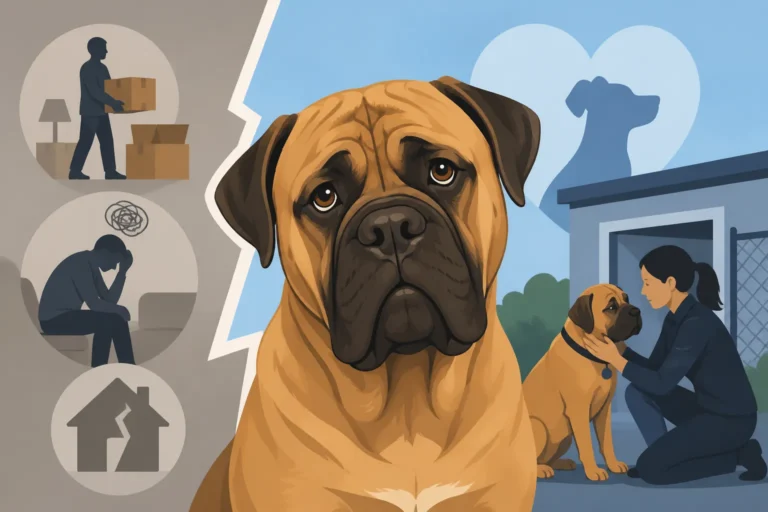
It’s a common question, and one I’ve heard countless times from friends, family, and fellow dog lovers: "Why on earth would you get another Bullmastiff after all you've been through?" People see the costs, they know the health challenges, and they understand the heartbreak of a relatively short lifespan. Yet, for so many of us, the answer is simple: once you've had a Bullmastiff, no other dog quite compares. This guide explores the profound reasons why Bullmastiff owners, despite all the challenges, frequently choose to welcome another one of these magnificent giants into their lives.
The Irresistible Temperament and Companionship
There's something truly magical about the Bullmastiff temperament that just gets under your skin and stays there. They aren't for everyone, but for those who understand and appreciate their unique blend of power and tenderness, they are utterly captivating. It's this deep connection that often overrides the practical considerations and makes us open our homes and hearts to them again and again.
Unwavering Loyalty and Affection
If you’ve ever had a Bullmastiff, you know they are the ultimate "velcro" dogs. They want to be with you, near you, and preferably leaning on you. This isn't just a physical presence; it's a deep, soulful loyalty that makes you feel seen and cherished. They become your shadow, moving from room to room just to be within eyesight. This constant, gentle companionship is a huge draw. When you sit down, they settle at your feet or nudge their massive head onto your lap. They might not be overtly demonstrative in a bouncy, exuberant way, but their quiet devotion is palpable. This profound connection is a major factor in why people decide to get another, even after experiencing the particular challenges of the breed. It’s hard to imagine your life without that comforting weight by your side.
They have a way of looking at you, with those deep, earnest eyes, that communicates an understanding beyond words. They intuit your moods, offering a comforting nudge or a quiet presence when you’re down. It's a connection that many describe as unlike any other they've experienced with a dog. This deep emotional bond is something you simply can't put a price on, and once you've experienced it, you ache for it again when your first Bullmastiff leaves your side. You realize that a house without that gentle, looming presence just feels empty.
A Gentle Giant with a Sense of Humor
Despite their imposing size and serious demeanor, Bullmastiffs are often big goofballs at heart. They have a subtle, dry sense of humor that manifests in unexpected ways. Perhaps it's a ridiculous sigh when asked to move, or a clumsy attempt at "playing fetch" that involves them lying down with the ball still in their mouth. They might surprise you with a sudden burst of zoomies that sends furniture rattling, only to immediately collapse into a snoring heap. This endearing blend of stoicism and silliness is incredibly charming. They might not be the most agile or overtly playful dogs, but their quiet antics and expressions of joy are delightful.
They might "talk" to you with grumbles, groans, and huffs, having entire conversations that are uniquely Bullmastiff. One minute they're a regal, ancient guardian, and the next they're trying to sneak a treat off the counter with the subtlety of an earthquake. This playful, gentle spirit makes them wonderful family companions, often remarkably tolerant with children, even if their sheer size means supervision is always a must. They understand the difference between play and protection, and their deep affection for their human family is always at the forefront.
The Quiet Protector
Bullmastiffs were originally bred for a very specific purpose: to catch and hold poachers silently. This history imbues them with an innate protective instinct that is both comforting and reassuring. They are natural guardians of their home and family, but they do it with a quiet confidence rather than frantic barking or aggressive displays. The Silent Guard: Why a Bullmastiff Barks So Little is a common trait that owners cherish. They are observant, taking in everything around them, and are quick to assess a situation. If they perceive a threat, their presence alone is often enough to deter it.
Their method of protection is typically more about "holding" or "body blocking" than outright aggression. They place themselves between you and whatever they deem suspicious, their imposing size and deep, rumbling growl being a powerful deterrent. This means you feel incredibly safe with a Bullmastiff in your home, knowing they are always on alert, but without the constant noise that some other guardian breeds produce. This calm, steady vigilance is a deeply attractive quality, especially in a world where peace of mind is increasingly valued. After experiencing this level of security and calm, it's hard to settle for less, prompting many to consider another.
Understanding and Managing the Challenges (and Why They Don't Deter Owners)
Let’s be real: owning a Bullmastiff comes with its unique set of challenges. From potential health issues and a shorter lifespan to the financial commitment and training demands of such a large, powerful dog, it’s not always easy. However, for those who truly love the breed, these challenges often become part of the shared journey and are met with preparation and dedication, rather than acting as a deterrent to getting another.
Addressing Health and Lifespan Realities
It's no secret that Bullmastiffs, like many giant breeds, can be prone to certain health issues and generally have a shorter lifespan compared to smaller dogs. We often hear statistics like The Median Bullmastiff Lives Eight and a Half Years, and sadly, cancer, particularly lymphoma, is a concern. Lymphoma Kills More Bullmastiffs Than Anything Else, and seeing your beloved companion face such battles is heartbreaking. This reality is a tough pill to swallow, and it's a common reason why some people might hesitate.
However, experienced Bullmastiff owners often approach this with a pragmatic and deeply loving perspective. They understand that while the years may be fewer, the quality of those years is immensely rich. They become proactive, researching conditions like hip and elbow dysplasia, Hypothyroidism in a Bullmastiff, and other breed-specific ailments. They invest in preventative care, regular vet check-ups, and make careful dietary choices, often opting for high-quality foods, some of which can be found through online retailers like Chewy or specialized options like Ollie, ensuring their dog gets the best nutrition to support their health. Many also prepare for the inevitable vet bills by looking into pet insurance from providers like Healthy Paws, knowing that Chemotherapy Is the Bill Most Bullmastiff Owners Face and having a plan in place can ease the financial burden during difficult times. This level of preparation and dedication shows that the emotional return on investment far outweighs the known difficulties.
Navigating the Financial Commitment
Beyond potential health costs, the sheer size of a Bullmastiff means that everything costs more. From food to bedding, medication to vet visits, the "large breed tax" is very real. What a Bullmastiff Costs Per Month can be significant, and it’s not just the initial What a Bullmastiff Puppy Costs From a Breeder that you need to consider. A Bullmastiff eats a lot, requiring substantial bags of food. For example, a healthy adult Bullmastiff could easily go through a large bag of quality kibble every few weeks, and supplemental fresh foods from services like Ollie can add up, although they offer excellent nutrition tailored to your dog's needs.
Experienced owners know this upfront. They understand that a quality orthopedic bed is essential for a dog of this size to support their joints, and that larger doses of flea, tick, and heartworm prevention are more expensive. Instead of being deterred, they integrate these costs into their budget, seeing it as an investment in the health and comfort of their beloved companion. They often become savvy shoppers, utilizing services like Chewy for bulk orders of food and supplies, and carefully selecting pet insurance plans, like those offered by Healthy Paws, to mitigate unexpected emergencies. This financial preparedness is born out of love and a deep commitment to the breed, demonstrating that the joy a Bullmastiff brings is worth budgeting for.
The Training and Management Journey
A Bullmastiff, while generally calm indoors, is still a massive, powerful animal. Training a Bullmastiff That Weighs More Than You Do is not just a suggestion; it’s a necessity. Their stubborn streak, coupled with their sheer bulk, means that positive reinforcement and consistent training from a young age are paramount. They mature slowly, often not truly "grown up" until three years old, meaning the puppy phase lasts a long time. Early socialization is key to ensuring they are well-adjusted around strangers and other dogs, particularly given their protective instincts.
Owners who choose another Bullmastiff do so knowing this commitment. They are ready for the challenge of leash training a dog that can easily pull them off their feet, and they understand the importance of setting boundaries gently but firmly. They know that What a Bullmastiff Needs Every Day, Which Is Less Than You Think in terms of intense exercise, but that consistent mental stimulation and short, positive training sessions are crucial. They appreciate the intelligence behind the "Bullmastiff Pause" – that moment where they consider your command before deciding whether to obey – and learn to work with it rather than against it. This isn't a dog for someone who wants instant obedience; it's a dog for someone who enjoys a partnership, a slow burn of mutual respect. The rewards of a well-trained Bullmastiff are immense: a calm, confident, and reliable companion, making the effort entirely worthwhile.
| Challenge Aspect | Initial Perception | Bullmastiff Owner's Reality |
|---|---|---|
| Lifespan | Shorter life expectancy (e.g., 8.5 years) is heartbreaking. | Every year is precious; the love is concentrated and profound. |
| Health Issues | Prone to cancer, joint problems, high vet bills. | Proactive care, insurance (Healthy Paws), and accepting realities. |
| Cost of Ownership | Everything is expensive due to size (food, meds, beds). | Budgeting, bulk buying (Chewy), and seeing it as an investment. |
| Training Needs | Large and stubborn; difficult to manage. | Requires consistency, patience, and positive reinforcement; deeply rewarding bond. |
| Drooling | Messy and constant. | Part of their charm; a small price for their affection. |
| Size in Home | Takes up a lot of space. | They are gentle giants who adapt; their presence fills the home. |
The Unique Bond: Why They Capture Our Hearts
Ultimately, the decision to get another Bullmastiff isn't always a purely logical one. It's often driven by an emotional pull, a yearning for that specific kind of companionship and love that only a Bullmastiff can provide. They leave an indelible mark on our hearts, and for many, the desire to experience that bond again is simply too strong to ignore.
The Profound Impact of a Bullmastiff's Presence
A Bullmastiff's presence in your home is more than just a large dog taking up space; it's a pervasive, calming energy that alters the atmosphere. They are quiet observers, often content to simply be in the same room as you, offering a reassuring weight and an unspoken understanding. This isn't a breed that demands constant attention or frenetic activity; rather, they offer a deep, steady companionship that becomes the comforting background hum of your life. They become the warm spot on the floor, the heavy sigh from the couch, the gentle lean against your leg as you stand.
Their deep, soulful eyes seem to hold an ancient wisdom, and they communicate so much without a single bark. They are deeply sensitive to your emotions, offering quiet comfort without needing to be asked. It's a bond built on trust, respect, and mutual affection that grows stronger with each passing year. For many owners, this profound impact reshapes their daily lives in the most positive ways. The feeling of coming home to that calm, devoted gaze is something truly special, something that once experienced, you find yourself wanting to recreate. This is the heart of Whether a Bullmastiff Is Worth the Short Years; for many, the answer is a resounding yes, every single time.
A Legacy of Love: Honoring Their Memory
Losing a Bullmastiff is incredibly painful, perhaps made even more so by their shorter lifespan. The grief can be overwhelming, leaving a gaping hole in your life and your home. However, for many owners, this profound sadness isn't a deterrent to getting another; rather, it often becomes a powerful motivator. It's a way to honor the memory of the dog they lost, carrying forward the love and joy that breed brought into their lives. The unique qualities of a Bullmastiff – their unwavering loyalty, gentle nature, and protective spirit – are often irreplaceable.
The thought of an "empty house" without that familiar, heavy tread and soft snore is simply too much to bear. While no two dogs are ever truly alike, the consistent traits within the Bullmastiff breed mean that a new puppy offers the promise of experiencing many of those cherished qualities once more. It's not about replacing a lost companion, but about continuing a lineage of love, and giving another Bullmastiff puppy the chance to bring that special magic into your life. Caring for an Aging Bullmastiff also prepares you for the realities of their later years, equipping you with the knowledge and empathy needed for the journey, making the decision to embark on it again an informed, loving one.
The "Empty House" Feeling: When One Isn't Enough
After years of sharing your life with a Bullmastiff, your home transforms. Their presence becomes an integral part of the rhythm of your day. The sound of their contented sigh, the way they greet you at the door, the specific spot they choose for their afternoon nap – these things become deeply ingrained in your sense of home. When that presence is gone, the house doesn't just feel quiet; it feels profoundly empty. It's a silence that screams, a void that aches to be filled.
This is the "empty house" feeling that so many Bullmastiff owners describe. It's a testament to how deeply these dogs integrate into our families and how significant their impact is on our emotional well-being. For those who have experienced this, the practical considerations often take a backseat to the overwhelming desire to bring that unique Bullmastiff energy back into their lives. They know the commitment, they understand the potential heartbreak, but the love and companionship these dogs offer are simply too compelling to resist. So, they begin the search again, perhaps looking at breeders who prioritize health screenings, or exploring reputable rescues, ready to once again welcome a hundred-plus pounds of loyal, loving, gentle giant into their hearts.
Disclaimer
This article is for general informational purposes only and does not constitute professional advice. Laws, prices and regulations vary by location and change over time. Consult a qualified professional for guidance on your specific situation.