Why a Bullmastiff Should Be Insured From Eight Weeks
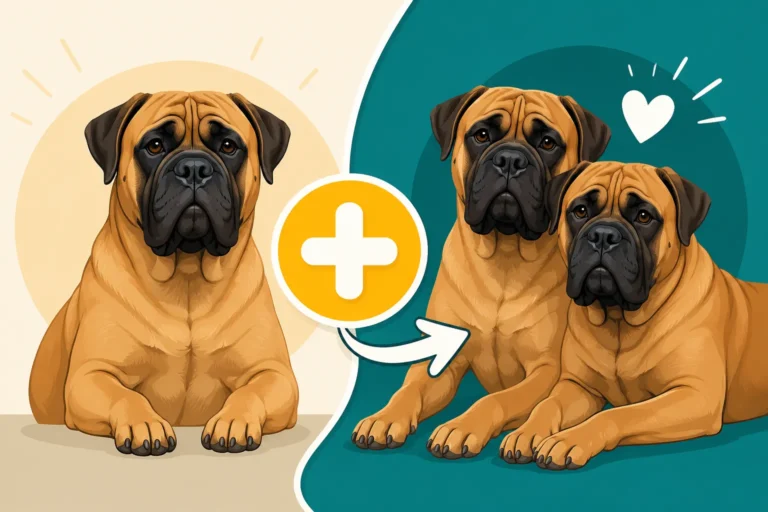
Bringing a Bullmastiff puppy home is an incredibly exciting time, full of dreams of cuddles, clumsy puppy antics, and a loyal companion. But beneath that adorable, wrinkly facade lies a breed prone to specific health challenges, many of which can arise surprisingly early and come with eye-watering veterinary bills. If you're wondering when to secure pet insurance for your new gentle giant, this guide will walk you through precisely why enrolling your Bullmastiff from eight weeks old is not just a good idea, but a vital financial and emotional safeguard.
The Bullmastiff's Unique Health Landscape and Early Risks
It’s a tough truth that our beloved Bullmastiffs, for all their magnificent presence, are predisposed to certain health conditions that can begin to show their faces, or at least be diagnosed, far sooner than many owners expect. This isn't about scaring you, but about equipping you with realistic information so you can be proactive and prepared.
Inherited Conditions and Their Early Onset
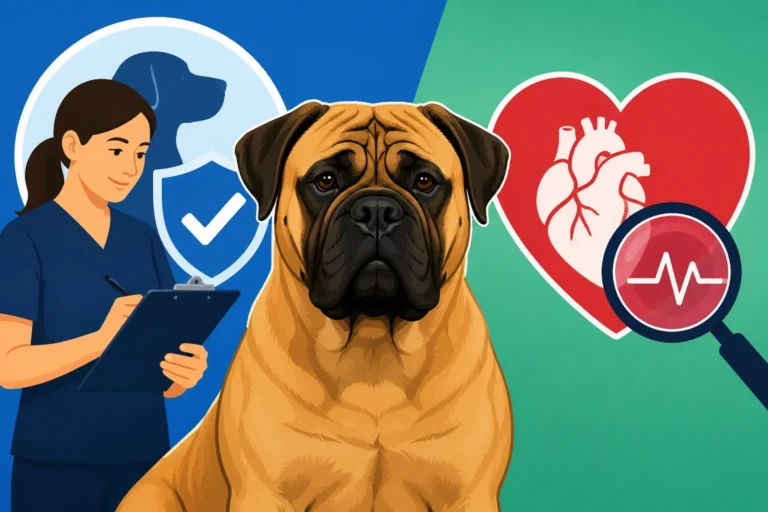
When we talk about inherited conditions, we’re referring to health issues passed down through genetics. For Bullmastiffs, conditions like subaortic stenosis (SAS) are a significant concern. While you might not see overt symptoms in an eight-week-old puppy, the structural abnormalities in the heart that lead to SAS are very much present from birth. A breeder should perform initial health screenings, but a definitive diagnosis often comes from a veterinary cardiologist. If a heart murmur is detected during those crucial first vet visits when you bring your puppy home, and an echocardiogram confirms SAS, this immediately becomes a pre-existing condition if you don't already have insurance in place. Subaortic Stenosis Is There Before a Bullmastiff's First Birthday covers this in more detail.
Beyond heart issues, large breeds like Bullmastiffs are unfortunately susceptible to orthopedic problems, particularly hip and elbow dysplasia. While these typically manifest as lameness or pain later in puppyhood or adolescence, the genetic predisposition and the foundational bone abnormalities are present from the start. A puppy's rapid growth rate, which we try to manage carefully with appropriate feeding, can exacerbate these underlying issues. If you wait until your Bullmastiff starts showing a subtle limp at six months to get insurance, any diagnosis of dysplasia will likely be considered pre-existing, leaving you to shoulder the substantial costs of diagnosis and management alone. Understanding Hips and Elbows Under a Hundred and Thirty Pound Bullmastiff is crucial.
Accidents and Puppy Mishaps
Let's face it: puppies are essentially adorable, clumsy, four-legged toddlers with an insatiable curiosity and a penchant for putting everything in their mouths. An eight-week-old Bullmastiff, despite its size, is still very much a puppy exploring its world. This exploration often leads to unexpected vet visits. Think about it – that curious chew on a household item could lead to a foreign body obstruction needing emergency surgery. A tumble during a playful zoomie session might result in a sprain or even a broken bone.
These kinds of accidental injuries and sudden illnesses are unpredictable, and they don't care about your budget or when you planned to get insurance. A severe bout of kennel cough, a sudden allergic reaction, or a mysterious tummy upset can all rack up emergency vet bills quickly. Having insurance in place from the moment your puppy steps paw into your home means you're covered for these unforeseen circumstances, allowing you to focus on your puppy's recovery rather than the looming bill. Remember, What the First Year With a Bullmastiff Costs can be significant, even without major emergencies.
Understanding "Pre-existing Conditions" and the Eight-Week Window
The phrase "pre-existing condition" is perhaps the most critical term to understand when considering pet insurance, especially for a breed like the Bullmastiff. It is the core reason why acting fast, specifically at the eight-week mark, is so incredibly important.
The Critical Definition of a Pre-existing Condition
In the world of pet insurance, a "pre-existing condition" is generally defined as any illness or injury that showed symptoms or was diagnosed by a vet before your insurance policy's effective date or during its waiting period. This is where most owners get caught out. Let’s say you bring your Bullmastiff home at eight weeks, and during the initial vet check-up a few days later, the veterinarian detects a heart murmur. If you don't have pet insurance already active, and then try to purchase a policy after that heart murmur has been noted, any future treatment related to that murmur (like an echocardiogram to diagnose Subaortic Stenosis Is There Before a Bullmastiff's First Birthday or medication for it) will likely be excluded from coverage.
This applies even if the condition wasn't formally diagnosed, but symptoms were observed. If your puppy has diarrhea and you wait a week to get insurance, then take them to the vet for that same ongoing issue, it could be deemed pre-existing. The waiting periods are also crucial. Most policies have an initial waiting period (e.g., 14 days for illnesses, sometimes shorter for accidents) before coverage kicks in. Enrolling at eight weeks allows you to get through this waiting period while your puppy is still young and, hopefully, free of documented issues, ensuring that new conditions that arise after the waiting period will be covered. This helps prevent the stressful situation where Why a Bullmastiff's Bills Come Early for an uninsured pup.
Why Eight Weeks Isn't Arbitrary
The eight-week mark isn't just a random suggestion; it's significant for several practical reasons. Firstly, this is typically the earliest age most reputable breeders allow puppies to go to their new homes, ensuring they've had adequate time with their mother and littermates for crucial socialization. Consequently, it's also the earliest age most pet insurance providers will allow you to enroll a puppy. So, you're looking at the very first opportunity to secure coverage.
Secondly, that initial vet visit, often within days of bringing your puppy home, establishes a baseline of health. This vet visit is incredibly important, as it helps document your puppy's healthy start. Should any health concerns arise after this initial clean bill of health and after your insurance policy's waiting period, you have a much stronger case for coverage. If you wait, even for a few weeks, and your puppy develops a cough, a limp, or a skin rash, those symptoms could be noted by a vet before your policy is active, becoming a pre-existing condition. This is why timing your insurance enrollment to coincide with your puppy coming home and that first vet check is paramount.
| Key Insurance Term | Definition | Why it Matters for Bullmastiffs |
|---|---|---|
| Pre-existing Condition | Illness/injury with symptoms or diagnosis before policy start or during waiting period. | Crucial to enroll before any vet visit or symptom appears to avoid exclusions. |
| Waiting Period | Time after policy purchase before coverage begins (e.g., 14 days for illness). | Enroll at eight weeks to get through this period while puppy is healthy, covering future new issues. |
| Deductible | Amount you pay before insurance starts reimbursing. | Can choose a lower deductible for higher monthly premium, or vice versa. |
| Reimbursement % | Percentage of eligible vet costs the insurer pays after deductible. | Higher percentage (e.g., 80-90%) means less out-of-pocket for you on large bills. |
| Annual Limit | Maximum amount the insurer will pay out in a policy year. | Bullmastiffs can have very expensive conditions, so a high limit or unlimited plan is often wise. |
The Financial Lifeline: How Early Insurance Mitigates Bullmastiff Costs
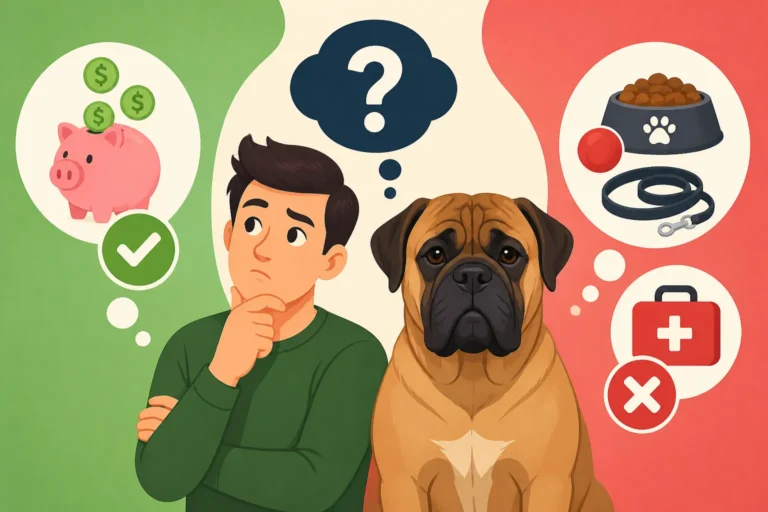
Let's talk money, because for all the love and joy, owning a Bullmastiff comes with significant financial responsibilities. And when it comes to vet care, the costs are almost always higher for a giant breed.
Large Breed, Large Bills: The Reality of Vet Care for a Bullmastiff
It’s no secret that everything for a big dog costs more. A hundred-and-thirty-pound Bullmastiff needs larger doses of medication, which means higher costs for every pill or injection. Anesthesia for surgery is calculated by weight, so a Bullmastiff's sedation and monitoring during a procedure like What Bloat Surgery Involves on a Bullmastiff will be considerably more expensive than for a smaller dog. Surgical supplies, sutures, and even the time required for a veterinary surgeon to operate on a larger patient can increase the overall bill.
Consider orthopedic surgeries, which can be devastatingly common for a breed prone to hip and elbow issues or cruciate ligament tears. A single surgery for a condition like a torn cruciate can easily run into the thousands. Without insurance, these are costs you'd have to pay entirely out of pocket, often with little warning. Having a policy from early on means that should these issues arise after your waiting periods, a significant portion of these immense bills will be covered, making treatment decisions much less stressful.
Peace of Mind for the Unexpected
Beyond the chronic, inherited conditions, life with a Bullmastiff puppy is full of potential for sudden, unexpected emergencies. Imagine your eight-week-old puppy, in its boundless curiosity, decides to chew on something it shouldn't, leading to a trip to the emergency vet for suspected foreign body ingestion. Or perhaps a sudden, severe bout of gastroenteritis requires hospitalization and intravenous fluids. These aren't minor expenses; emergency veterinary care can quickly climb into the hundreds or even thousands of dollars.
Pet insurance acts as a financial safety net, giving you the peace of mind to say "yes" to necessary diagnostics and treatments without immediately panicking about how you're going to pay for them. Providers like Healthy Paws are known for their comprehensive coverage, which can be invaluable when facing an unforeseen crisis. While no one ever wants to use their pet insurance, knowing it's there allows you to prioritize your Bullmastiff's health and well-being above all else. Whether a Bullmastiff's Cancer Is Covered is another major consideration, as cancer is a leading cause of death in the breed, and treatment costs are astronomical.
Choosing the Right Policy and Provider for Your Bullmastiff Puppy
With the "why" firmly established, the next step is navigating the "how." Choosing the right pet insurance policy for your Bullmastiff puppy requires careful consideration to ensure you're getting the best coverage for their specific needs and your budget.
Key Considerations When Selecting a Plan
When you start looking at policies, you'll encounter a few main components: the deductible, the reimbursement percentage, and the annual limit. The deductible is the amount you pay out of pocket before your insurance plan begins to reimburse you. You might find plans with deductibles ranging from a few hundred dollars to over a thousand. A lower deductible usually means a higher monthly premium.
The reimbursement percentage is the portion of the vet bill (after your deductible) that the insurance company will pay. Common percentages are 70%, 80%, or 90%. For a large breed like a Bullmastiff, facing potentially enormous bills, opting for a higher reimbursement percentage, if your budget allows, can make a huge difference. Finally, the annual limit is the maximum amount the insurance company will pay out in a single policy year. Given the high cost of specialized care or chronic condition management for Bullmastiffs, an unlimited annual payout or a very high annual limit (e.g., $10,000 or more) is often advisable. When considering What a Bullmastiff's Deductible Should Be, think about your comfort level with out-of-pocket expenses.
Researching Insurance Providers
Not all pet insurance companies are created equal, and it's essential to do your homework. Look for providers that have a good reputation for customer service, transparent policies, and a history of processing claims efficiently. You'll want to carefully read the policy documents to understand exactly what is covered and, perhaps more importantly, what is excluded. Pay close attention to waiting periods, especially for orthopedic conditions, as these can sometimes be longer than for general illnesses or accidents.
Many online platforms, like Chewy, now offer pet insurance options or allow you to compare multiple providers in one place, which can simplify your search. You might also look into companies directly, such as Healthy Paws or Ollie, to see if their plans align with your needs. Don't be afraid to call and ask specific questions about coverage for large-breed specific issues or how they handle situations where a condition is suspected but not yet diagnosed. Remember, the goal is to protect your Bullmastiff and your finances from those inevitable, costly surprises that come with pet ownership. Why a Bullmastiff Should Be Insured From Eight Weeks is all about setting yourself up for success from day one.
Disclaimer
This article is for general informational purposes only and does not constitute professional advice. Laws, prices and regulations vary by location and change over time. Consult a qualified professional for guidance on your specific situation.