How Much a Bullmastiff Weighs
It’s a common question that pops into the mind of anyone considering bringing a Bullmastiff into their home: "Just how big are these gentle giants going to get?" You've heard they're large, maybe even seen a picture or two, but until you stand next to one, it's hard to truly grasp their impressive size. This guide aims to clear up all the mystery surrounding a Bullmastiff's weight, exploring typical ranges, growth patterns, and crucial factors that influence their hefty yet magnificent build, ensuring you know what to expect and how to keep them healthy.
The Standard Bullmastiff Weight Range: What the Breed Expects
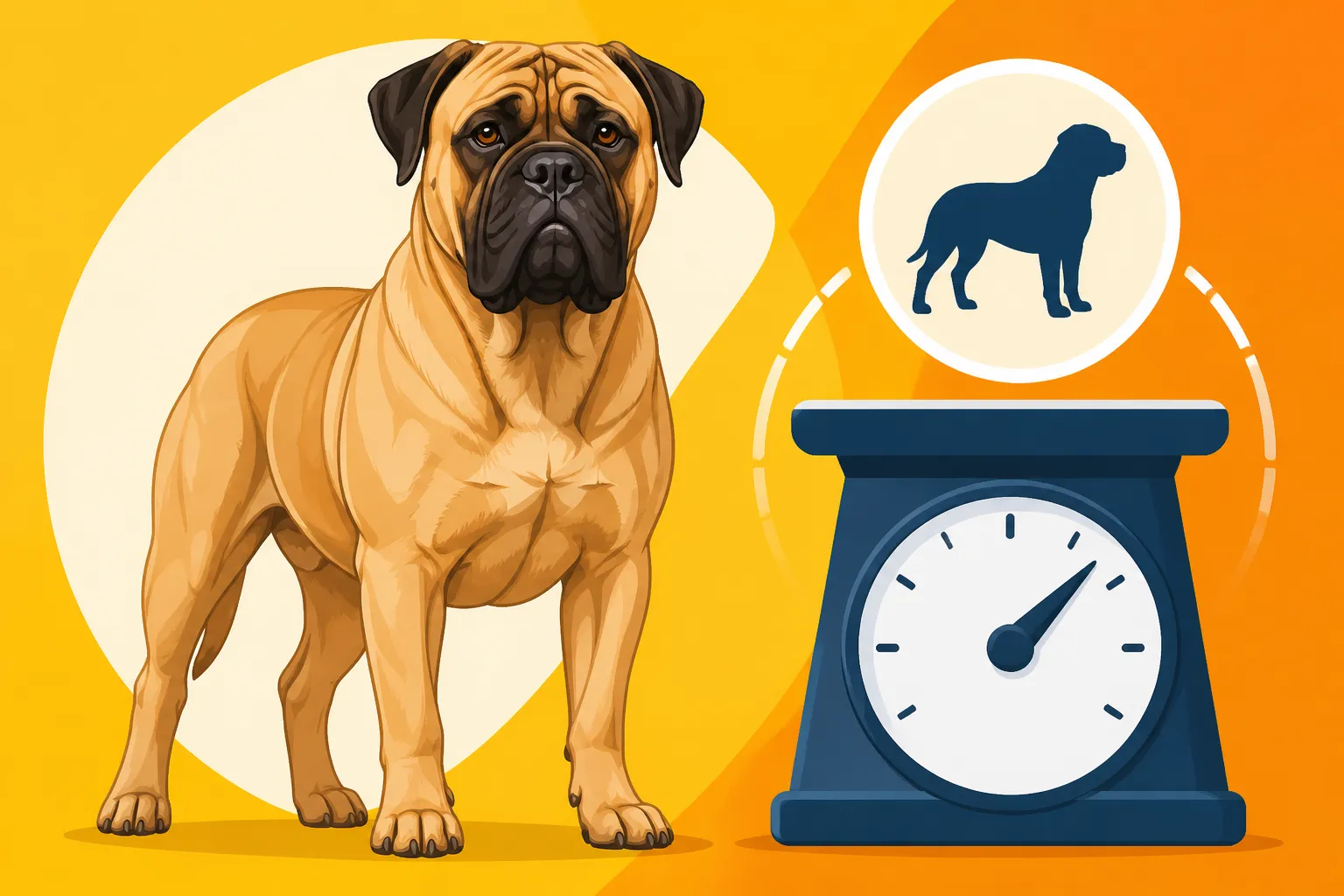
When you talk about a Bullmastiff's weight, you're really talking about a significant amount of dog. These aren't your average medium-sized pups; they are purpose-bred guardians, designed for substance and power. The breed standard sets out specific ranges to aim for, which speak to their intended function and overall structure. It’s not just about a number on the scale, but about the dog carrying that weight healthily, with strong bone and muscle.
Male vs. Female Bullmastiff Weight Differences
One of the first things you'll notice when looking at Bullmastiffs is that there's a pretty noticeable difference in size and weight between the sexes. Males typically carry more bulk and often stand a bit taller, making them quite imposing figures. It’s a natural dimorphism common in many larger breeds. While both are powerful, the male generally embodies more of that "massive" presence. For instance, a mature male Bullmastiff might weigh anywhere from 110 to 130 pounds, sometimes even a bit more, especially if they are particularly well-muscled and have a larger frame.
On the other hand, female Bullmastiffs, while still undeniably substantial, tend to be a touch lighter and slightly less massive in their build. They often fall into the range of 100 to 120 pounds. This difference isn't just about fat; it's about bone structure, muscle density, and overall proportions. A female will still be a formidable presence, but with a subtly more refined, though still powerful, physique. This twenty-pound difference between the sexes, give or take, is standard. Understanding Why a Male Bullmastiff Outweighs a Female by Twenty Pounds is key to appreciating the breed's standard.
Understanding the Breed Standard's Guidelines
The breed standard for Bullmastiffs isn't just some arbitrary set of numbers; it's a blueprint designed to ensure the dogs retain the characteristics necessary for their original job and overall health. The weight ranges are paired with height guidelines to describe a dog that is powerful and athletic enough to track and hold a poacher, but not so heavy as to be cumbersome or prone to immediate exhaustion. The standard emphasizes a well-balanced dog, robust and symmetrical. It's about proportion and solid construction, not just sheer pounds. A healthy Bullmastiff should appear powerful and active, not sluggish or overly heavy. It’s important to remember that these are guidelines, and slight variations can exist. What's crucial is that the dog is healthy and moves well for its size. We’ll delve more into what a healthy Bullmastiff looks like in terms of body condition later, but for now, know that the standard provides an ideal A Hundred and Thirty Pounds of Bullmastiff, Measured for what a prime adult should embody.
Growth Spurts and Stages: When Your Bullmastiff Reaches Full Weight
Watching a Bullmastiff puppy grow is truly astonishing. They go from being adorable, pudgy little bundles to formidable, statuesque adults in what feels like the blink of an eye. However, this growth isn't a straight line; it's a process with distinct stages, each vital for their long-term health. Understanding these phases helps you manage their care, especially their diet and exercise, to support healthy development.
Puppyhood: Rapid Gains and Healthy Growth Rates
Bullmastiff puppies are born tiny, but they don't stay that way for long. In their first few months, they experience incredible growth spurts. It’s not uncommon for them to double or even triple their weight in a matter of weeks. This rapid development is both exciting and a little concerning for new owners, because you want to ensure they grow strong, not just big. The key during this phase is slow and steady growth. While it might seem counterintuitive for such a large breed, allowing them to grow too quickly can put immense strain on their developing bones and joints, predisposing them to issues like hip and elbow dysplasia down the line.
Your breeder and veterinarian will likely advise feeding a high-quality, large-breed puppy food specifically formulated to manage growth. These foods typically have a balanced calcium and phosphorus ratio and moderate protein and fat levels to prevent overly rapid weight gain. You'll want to monitor their weight regularly. For example, What a Bullmastiff Puppy Should Weigh by Month is a good benchmark, but always consult your vet. Don't be tempted to overfeed or add supplements to try and make them "bigger" faster; that's actually the opposite of what's healthy for a Bullmastiff.
Adolescence to Maturity: Filling Out and Reaching Peak Weight
Once your Bullmastiff moves past the initial puppy growth phase, typically around 6-12 months, their growth pattern shifts. While they might reach most of their adult height by 12-18 months, they won't be fully "filled out" yet. This adolescent period is where they start to gain significant muscle mass and broaden in the chest and skull. They're still growing, but it’s less about vertical gains and more about adding substance and density. It’s during this stage that their impressive Bullmastiff physique really starts to take shape.
Most Bullmastiffs won't reach their full adult weight and physical maturity until they are about two to three years old. This slow maturation period is characteristic of giant breeds. During these later stages, consistent, moderate exercise and a continued diet of appropriate large-breed adult food are essential. You'll observe their bone structure becoming more robust and their musculature defining further. Patience is key; don't expect a fully developed Bullmastiff at one year of age. They need that time to mature properly, both physically and mentally. This gradual filling out contributes to The Age a Bullmastiff Reaches Working Weight.
Factors Influencing a Bullmastiff's Weight Beyond Genetics
While genetics certainly lay the groundwork for a Bullmastiff's potential size and build, they aren't the only players in the game. What you feed your dog, how much exercise they get, and even decisions like spaying or neutering can significantly impact their final weight and overall body condition. It's a holistic approach to maintaining a healthy, powerful companion.
Diet and Nutrition: Fueling a Growing Giant
The food your Bullmastiff eats is perhaps the most significant non-genetic factor affecting their weight. These are big dogs with big appetites, but providing the right kind of fuel is paramount. Overfeeding, especially with calorie-dense or inappropriate foods, can lead to excessive weight gain that puts undue stress on their developing joints and organs. Conversely, underfeeding can stunt growth and lead to an underweight, unhealthy dog.
For puppies, as mentioned, a large-breed puppy formula is essential to promote slow, controlled growth. Once they transition to adulthood, a high-quality adult large-breed dog food is usually recommended. Pay close attention to the feeding guidelines on the food packaging, but remember these are just starting points. Your dog’s individual metabolism, activity level, and age will dictate their specific caloric needs. For example, How Much an Adult Bullmastiff Eats can vary quite a bit from one dog to another. Regular check-ins with your vet can help fine-tune their diet. Reputable brands that you might find on Chewy, for instance, often provide detailed nutritional information and support to help you make informed choices.
Exercise Levels and Their Impact on Muscle Mass and Fat
Despite their imposing size, Bullmastiffs are not endurance athletes. They are powerful sprinters and agile for their bulk, but prolonged, intense exercise isn't what they were bred for, nor is it good for their joints, especially when young. However, they do need consistent, moderate exercise to maintain muscle tone and prevent excess fat accumulation. Regular walks, playtime in a securely fenced yard, and mental stimulation are crucial.
A sedentary Bullmastiff is an unhealthy Bullmastiff. Lack of exercise combined with overfeeding is a fast track to obesity, which can exacerbate existing health issues and shorten their lifespan. Proper exercise helps build and maintain the strong musculature that supports their heavy frame, keeping them fit and active. Even as puppies, controlled exercise is important; The Exercise Limit for a Bullmastiff Puppy should be carefully observed to protect their growing bones. Finding that balance between enough activity to stay fit and not too much to cause injury is key.
Spaying/Neutering and Potential Weight Changes
The decision to spay or neuter your Bullmastiff can also have an impact on their weight. Hormonal changes that occur after these procedures often lead to a decrease in metabolism and an increased propensity for weight gain. It's a common issue across many breeds, and Bullmastiffs are no exception. Owners of spayed or neutered dogs often find they need to adjust their dog's food intake or increase their exercise slightly to compensate.
It's not that spaying or neutering causes obesity, but it can make it easier for dogs to put on extra pounds if their diet and exercise routines aren't adapted. This is a conversation you should have with your veterinarian, who can provide guidance on appropriate calorie intake post-procedure. Monitoring your Bullmastiff's weight and body condition closely in the months following their surgery is a good practice to prevent unwelcome weight creep.
Keeping Your Bullmastiff at a Healthy Weight: Why It Matters So Much
Maintaining an ideal weight for your Bullmastiff is one of the most proactive things you can do for their health and longevity. Given their predisposition to certain orthopedic conditions and their overall giant size, every extra pound they carry places additional stress on their bodies. It's not just about aesthetics; it's fundamentally about their quality of life.
The Dangers of Being Overweight for a Bullmastiff
An overweight Bullmastiff faces a cascade of potential health problems. Their large frame already puts strain on joints like hips and elbows, and excess weight significantly amplifies this, worsening conditions such as Hip Dysplasia in a Bullmastiff and Elbow Dysplasia in a Bullmastiff. It can also accelerate the onset and severity of arthritis, leading to pain and reduced mobility earlier in life.
Beyond orthopedic issues, obesity in Bullmastiffs contributes to other serious health concerns:
- Heart Strain: The heart has to work harder to pump blood to a larger body mass, increasing the risk of cardiovascular problems.
- Respiratory Issues: Extra fat around the chest and neck can impede breathing, especially given their somewhat brachycephalic (short-muzzled) structure, making them even more susceptible to overheating.
- Diabetes: Just like in humans, obesity is a significant risk factor for developing diabetes in dogs.
- Decreased Lifespan: Studies consistently show that overweight dogs live shorter lives than their leaner counterparts.
- Reduced Quality of Life: An overweight Bullmastiff is less energetic, less playful, and generally less comfortable. They struggle to move, stand, and even breathe, impacting their enjoyment of life.
It's a stark reality, but ensuring Keeping a Bullmastiff Lean Is the Best Thing You Can Do for them is crucial for their well-being.
How to Assess Your Bullmastiff's Body Condition
So, how do you know if your Bullmastiff is at a healthy weight? It's not always about hitting an exact number on the scale, as individual variations exist. Instead, veterinarians use a "Body Condition Score" (BCS) which is a visual and tactile assessment. You can learn to do a basic version of this at home:
- Rib Check: Gently run your hands along your Bullmastiff's sides, over their rib cage. You should be able to feel their ribs without pressing hard, but they shouldn't be visibly prominent or "poky" through the skin. If you can't feel them easily, your dog might be carrying too much weight. This is a great way to How to Feel a Bullmastiff's Ribs.
- Waistline: Look at your Bullmastiff from above. They should have a discernible waist, an inward curve, just behind their rib cage. If they look like a solid rectangle or their sides bulge out, they are likely overweight.
- Abdominal Tuck: View your Bullmastiff from the side. Their abdomen should tuck up slightly from their chest to their hind legs, rather than hanging low or appearing distended.
- Overall Energy: A healthy weight Bullmastiff should have good energy for their age and breed. If they are lethargic or struggle with normal activity, weight could be a contributing factor.
If you're unsure, or if you notice Signs a Bullmastiff Is Overweight, a visit to your veterinarian is always the best course of action. They can provide an accurate BCS and help you develop a weight management plan if needed.
| Body Condition | Appearance (Ribs) | Appearance (Waist/Tuck) | Implications |
|---|---|---|---|
| Underweight | Ribs, spine, and pelvic bones easily visible from a distance. | Exaggerated abdominal tuck. | Insufficient fat reserves, potential nutritional deficiencies. |
| Ideal Weight | Ribs easily felt, but not visible. | Distinct waist when viewed from above, abdominal tuck when viewed from side. | Healthy, good muscle mass, minimal health risks. |
| Overweight | Ribs difficult to feel under fat layer. | Waist absent or barely visible, abdomen may sag. | Increased risk of joint problems, heart disease, diabetes. |
| Obese | Ribs not palpable under thick fat layer. | No waist, obvious abdominal distension. | Severe health risks, significantly reduced quality of life. |
Addressing Underweight Concerns and When to Seek Vet Advice
While obesity is a common concern for many Bullmastiffs, being underweight can be just as serious a health indicator. A Bullmastiff that is too thin might not be getting adequate nutrition, or it could be a sign of an underlying medical condition that requires immediate attention. It's important to approach weight gain thoughtfully and always under veterinary guidance.
Identifying an Underweight Bullmastiff
Just as with assessing an overweight Bullmastiff, identifying an underweight one involves a combination of visual cues and physical assessment. If you can easily see your Bullmastiff's ribs, spine, or hip bones from a distance without them being flexed or stretching, they are likely too thin. Their musculature might appear wasted or undeveloped, and their abdominal tuck could be overly pronounced, almost hourglass-like.
Beyond the physical appearance, an underweight Bullmastiff might exhibit other symptoms:
- Low Energy: They may seem lethargic, tire quickly during walks, or generally lack enthusiasm.
- Poor Coat Condition: Their coat might be dull, brittle, or shedding excessively, reflecting poor nutrient absorption.
- Frequent Illness: A compromised immune system due to poor nutrition can lead to more frequent infections or slower recovery times.
- Changes in Appetite: Paradoxically, some underweight dogs might have a reduced appetite, while others might eat voraciously but fail to gain weight, indicating a problem with nutrient absorption or an increased metabolic rate.
If you suspect your Bullmastiff is underweight, the first step should always be a visit to your veterinarian. They can rule out medical causes and help you formulate a safe and effective plan.
Strategies for Healthy Weight Gain
If your vet confirms your Bullmastiff is underweight and rules out serious medical conditions, the focus will shift to healthy weight gain. This isn't about simply feeding them more; it's about ensuring they receive appropriate nutrition to build muscle and healthy fat reserves, not just empty calories.
Here are some strategies your vet might recommend:
- Increase Food Intake Gradually: Don't suddenly double their meals. Instead, slowly increase portion sizes or add an extra small meal throughout the day. Rapid changes can upset their digestive system.
- Choose High-Quality, Nutrient-Dense Food: Sometimes, it’s not just about quantity but quality. A premium dog food formulated for active dogs or puppies (even for an adult underweight dog, under vet supervision) might be appropriate, as these often have higher calorie and nutrient content. Brands found on Chewy often offer specific formulations for various life stages and energy needs.
- Add Healthy Supplements (Only with Vet Approval): Your vet might suggest adding things like fish oil for healthy fats or specific vitamin supplements if there are deficiencies. Never add supplements without professional advice, as some can be harmful in incorrect dosages.
- Address Parasites: Intestinal worms can steal nutrients, leading to weight loss even if your dog is eating well. Your vet will likely perform a fecal test and deworm if necessary.
- Regular, Moderate Exercise: While it might seem counterintuitive for an underweight dog, appropriate exercise helps build muscle mass, which is a healthy form of weight gain, rather than just fat. It also stimulates appetite. However, over-exercising an underweight dog can worsen the problem.
- Multiple Small Meals: Some dogs, especially those with sensitive stomachs or very low appetites, do better with several small meals throughout the day rather than one or two large ones.
Remember, the goal is not just to see the number on the scale go up, but for your Bullmastiff to achieve a healthy body condition with good muscle tone and an appropriate fat covering. It's about overall vitality and well-being. Keeping an eye on their weight and knowing What a Bullmastiff Weighs at Six Months or What an Adult Bullmastiff Should Weigh will help you track their progress.
Disclaimer
This article is for general informational purposes only and does not constitute professional advice. Laws, prices and regulations vary by location and change over time. Consult a qualified professional for guidance on your specific situation.