Signs a Bullmastiff Is Overweight
It can be incredibly disheartening to look at your beloved Bullmastiff and wonder if they're carrying a little too much weight. These gentle giants are naturally substantial, often leading us to second-guess whether their robust build is healthy or if they're creeping towards an unhealthy weight. This guide is here to help you cut through that confusion, providing clear, practical ways to identify if your Bullmastiff is overweight, so you can take proactive steps to support their long-term health.
Why It's Tricky to Spot Weight Gain in a Bullmastiff
Let's be honest, Bullmastiffs aren't exactly svelte, delicate creatures. Their very nature is one of impressive bulk and power, which can make it genuinely challenging to distinguish between a healthy, well-muscled physique and a dog carrying extra pounds. Many owners find themselves looking at their impressive dog and struggling to apply general "rib test" advice often given for leaner breeds.
The Bullmastiff's Naturally Stocky Build
From their broad chest to their powerful hindquarters, Bullmastiffs are built like tanks. They were bred for a specific purpose – to guard estates and hold poachers – which required immense strength and a formidable presence. This means they are inherently thick-set, with deep chests and substantial bone structure. When you compare them to, say, a Greyhound or even a Labrador, the visual cues for weight can be dramatically different. It’s easy to dismiss a rounded appearance as simply being "built like a Bullmastiff," when in reality, it might be the first sign of creeping weight gain.
Many people, especially those new to the breed, might look at a full-grown Bullmastiff and think they're supposed to be quite heavy and round. This misconception can unfortunately lead to owners overlooking crucial early signs of excess weight. They might compare their dog to pictures of incredibly heavily muscled show dogs, or even just poorly conditioned Bullmastiffs online, and develop an inaccurate idea of what a healthy weight looks like for their individual dog.
How Loose Skin Masks Early Weight Gain
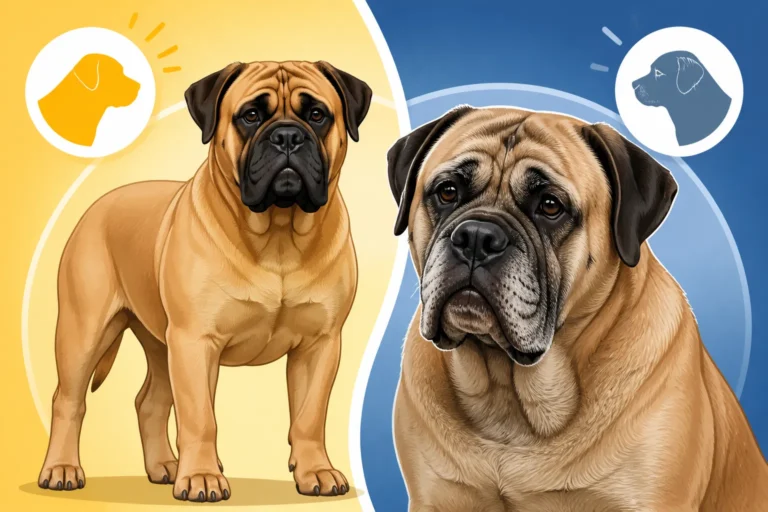
One of the defining characteristics of a Bullmastiff is their wonderfully loose skin, particularly around the neck, chest, and jowls. While this gives them their distinctive, stoic appearance, it also serves as a brilliant camouflage for weight gain. A little extra fat can easily disappear into those generous folds, making it difficult to feel changes in body condition underneath. You might be petting your dog and feeling the soft give of their skin, mistakenly attributing it to their breed type rather than recognizing the subtle cushioning of fat developing beneath.
This loose skin means that the visual cues that work so well for other breeds – like a taut belly or prominent hip bones – are often absent or much harder to discern in a Bullmastiff. It requires a more tactile approach and a keen eye to notice when those folds are becoming a little too substantial, or when the overall shape is starting to lose its underlying muscular definition. Don't fall into the trap of thinking "it's just their skin" when your hand tells you otherwise.
The Illusion of "Big Boned"
It’s a phrase we hear often: "Oh, he's just big boned!" While Bullmastiffs certainly have a heavy bone structure, this isn't an excuse for excessive weight. The bone structure provides the framework, but fat layers accumulate on top of that, not within it. Believing a Bullmastiff is simply "big boned" can be a convenient way to rationalize away a dog that is, in fact, overweight. This can prevent owners from taking necessary action until the weight gain becomes more pronounced and harder to manage.
A truly "big boned" dog will still have clear muscle definition and a body condition where ribs are palpable without excessive fat cushioning. The term "big boned" often hides the reality of a diet too rich or a lack of adequate, consistent exercise. Understanding the difference is crucial for your Bullmastiff's health, as an extra twenty or thirty pounds on an already large breed like this can put immense strain on their joints and internal organs.
The Hands-On Rib Test: Your First Line of Defense
Visual inspection alone is rarely enough for a Bullmastiff. You absolutely need to get your hands on your dog to accurately assess their body condition. This isn't just a casual pat; it's a deliberate, methodical check that gives you direct feedback on their fat reserves. It’s a skill every Bullmastiff owner needs to master. You might find this test covered in more detail in resources like How to Feel a Bullmastiff's Ribs.
How to Perform the Rib Check Correctly
The rib check is simple but requires consistency. Start by placing both hands flat on your Bullmastiff's sides, just behind their shoulder blades, and gently run your fingers along their rib cage. You should apply a light, consistent pressure, similar to how you might feel for coins in your pocket. Don't press so hard that you hurt them, but firm enough to get past the surface layer of skin and fur.
As you run your hands over their ribs, pay attention to the sensation. You're trying to feel for the individual ribs themselves. This isn't about seeing them, which would indicate severe underweight, but about feeling them with relative ease. Make this a regular part of your grooming or petting routine, so you become familiar with what a healthy condition feels like. It’s much easier to spot a subtle change if you're regularly checking.
What You Should Feel and What You Shouldn't
Ideally, you should be able to feel each individual rib with mild pressure, almost like feeling the knuckles on your hand when your palm is flat. There should be a thin layer of fat and muscle covering them, but no thick cushion. If you have to press firmly to distinguish the ribs, or if you can't feel them at all and it just feels like a soft, squishy surface, then your Bullmastiff is likely overweight. Conversely, if the ribs feel sharp and prominent with no cushioning, your dog might be underweight.
A useful analogy is feeling the back of your own hand. If you hold your hand flat, you can easily feel your knuckles with light pressure. This is what your dog's ribs should feel like. If you make a fist, the knuckles become harder to feel, and the skin tauter; this would be like an underweight dog. If you have a layer of fat on the back of your hand, and the knuckles are harder to discern, that's akin to an overweight dog. It's all about that subtle cushioning.
Beyond the Ribs: Checking the Spine and Tail Base
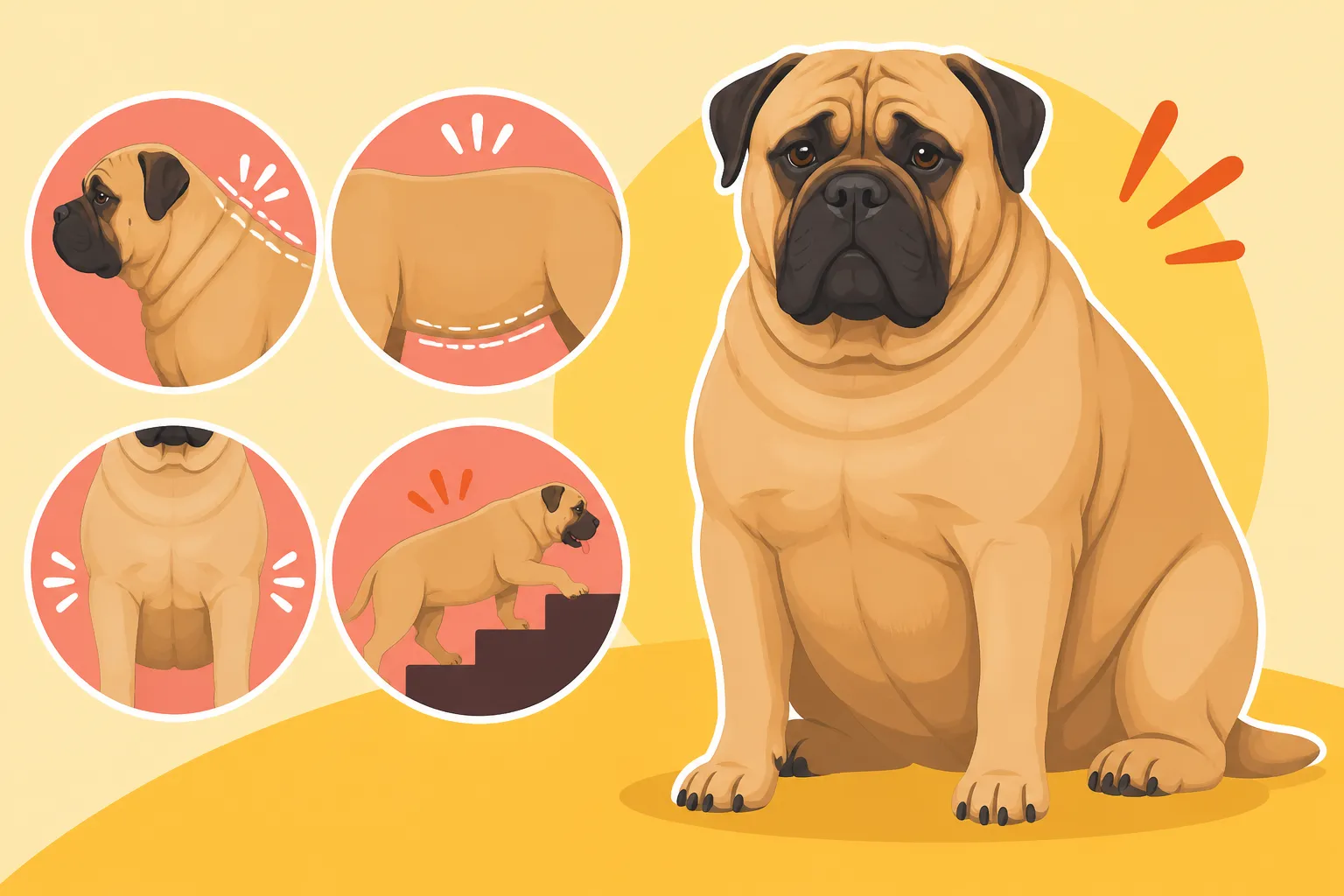
Don't stop at the ribs! The spine and the base of the tail are also excellent indicators of body condition. Run your hands down your Bullmastiff's back, along their spine. Similar to the ribs, you should be able to feel the individual bumps of their vertebrae with light pressure. If the spine feels like a continuous, smooth ridge or is completely hidden beneath a layer of fat, that's another sign of excess weight.
The base of the tail is another common spot for fat deposits. Feel around the area where the tail meets the body. In a healthy Bullmastiff, this area should feel relatively lean, with minimal padding. If it feels thick, spongy, or you notice obvious fat rolls developing around it, it's a strong indicator that your Bullmastiff is overweight. These areas are often the first to accumulate fat and the last to lose it, making them excellent diagnostic points.
Observing Your Bullmastiff's Body Shape and Silhouette
While the hands-on test is paramount, visual cues still play a role once you know what to look for beyond superficial bulk. When viewed from above and from the side, a healthy Bullmastiff should have a discernible shape, not just a solid block. Getting into the habit of regularly evaluating your dog from these angles can help you catch subtle changes.
The Absence of a Tucked Waist
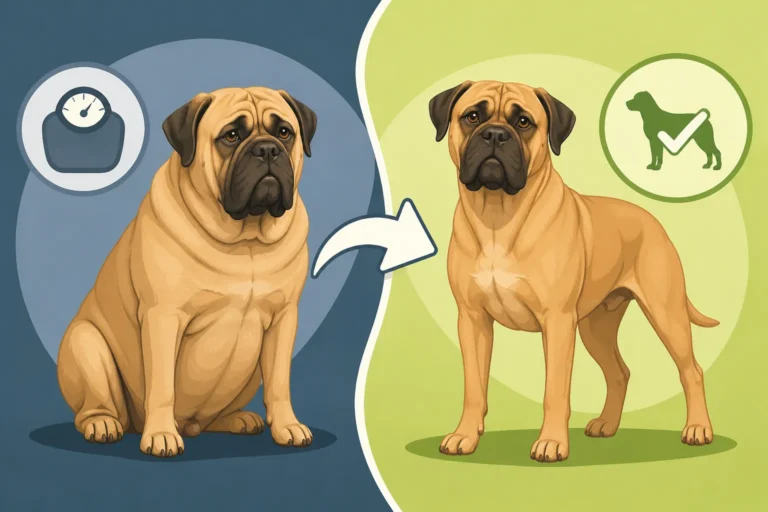
A healthy Bullmastiff, despite its size, should still have a noticeable "tuck-up" or waist when viewed from above and the side. This doesn't mean a dramatic indentation like a sighthound, but there should be a gentle narrowing of the body behind the rib cage and before the hindquarters. When viewed from above, their body should ideally form a subtle hourglass shape. If your Bullmastiff looks like a solid rectangle or oval from above, with no distinction between the chest and abdomen, it's a clear sign they're carrying too much weight.
From the side, the belly should also show a slight upward slope from the bottom of the rib cage to the groin, rather than hanging low or being parallel to the ground. An overweight Bullmastiff will often have a straight or even sagging topline and an abdomen that appears full or distended, losing that subtle athletic curve. The absence of this waistline is one of the most common visual indicators that a Bullmastiff is overweight.
A Broadening Back and Shoulders
When a Bullmastiff starts to gain weight, the fat doesn't just settle around their middle; it also distributes across their back and shoulders. You might notice that their shoulders appear wider or more rounded than usual, losing the strong, defined musculature. The breadth of their back, particularly just behind the neck, can also increase, giving them a more barrel-like appearance rather than a powerful, tapering build.
This can be particularly deceiving because Bullmastiffs are supposed to have broad shoulders and powerful backs. However, there's a difference between muscle definition and fat deposits. If those broad areas feel soft and lacking firm muscle tone, or if the overall profile seems to be getting wider and less athletic, it's time to consider a weight check. This subtle broadening can often be overlooked until it becomes quite pronounced.
The Appearance of a "Wider" Stance
An overweight Bullmastiff may subtly change their posture and stance to accommodate their increased bulk. They might stand with their legs slightly wider apart, particularly their hind legs, to better support their heavier frame. This wider stance can also be an indicator of underlying discomfort or joint issues, which are often exacerbated by excess weight. You might also notice their gait becoming less fluid, with a heavier, more labored walk.
Observe your Bullmastiff when they are standing naturally. Do they look sturdy and balanced, or do they seem to be spreading out to gain stability? Are their legs appearing shorter relative to their body because their frame is wider? These subtle shifts in how they hold themselves can be early visual cues that their weight is beginning to impact their physical structure. For a breed already prone to issues like Hip Dysplasia in a Bullmastiff and Elbow Dysplasia in a Bullmastiff, this added strain is particularly concerning.
Monitoring Movement and Behavior Changes
Weight gain isn't just about appearance; it profoundly impacts a dog's physical capabilities and overall well-being. Behavioral changes often manifest before the visual signs become obvious to the untrained eye, offering another critical diagnostic tool for owners. Pay close attention to how your Bullmastiff moves and behaves throughout their day.
Decreased Stamina and Reluctance to Exercise
One of the most telling signs that your Bullmastiff is becoming overweight is a noticeable drop in their energy levels and a growing reluctance to engage in physical activity. While Bullmastiffs are not high-energy dogs by nature and don't need excessive exercise – you can learn more about their needs in What a Bullmastiff Needs Every Day, Which Is Less Than You Think – they should still enjoy their daily walks and playtime. If your dog, who once eagerly greeted the leash, now moves more slowly, lags behind, or cuts walks short, it could be due to carrying extra weight.
They might opt to lie down more frequently during walks or playtime, showing less enthusiasm for games they once loved. Climbing stairs might become a greater effort, or they may struggle to jump into the car. These aren't necessarily signs of aging if your dog is still relatively young; they are often indicators that their body is working harder than it should be just to move around. Ignoring these changes can lead to a vicious cycle, where reduced activity leads to more weight gain, which further reduces activity.
Increased Panting and Breathing Difficulties
Overweight Bullmastiffs often experience increased panting and difficulty breathing, even with minimal exertion or in moderate temperatures. The extra fat around their chest and abdomen can restrict lung capacity, making it harder for them to take deep breaths. Their natural brachycephalic (short-nosed) tendencies already make them more prone to overheating, and excess weight compounds this risk significantly. You might notice they pant more heavily after a short walk, or even while just lying around.
Keep a close eye on their breathing patterns. Do they sound labored? Is their panting excessively loud or frequent compared to what's normal for them? This is especially crucial in warm weather, as an overweight Bullmastiff can overheat much faster than a lean one. If you notice signs of distress, it's an urgent matter. Why a Bullmastiff Overheats So Easily explains more about their predisposition.
Changes in Sleeping Patterns and Overall Lethargy
An overweight Bullmastiff might also exhibit changes in their sleeping patterns and an overall sense of lethargy. They might sleep more during the day, or conversely, struggle to find a comfortable position at night due to their bulk, leading to restless sleep. Snoring might become louder or more frequent, potentially indicating sleep apnea exacerbated by excess weight and their brachycephalic airway.
Beyond just sleeping, an overweight dog often seems generally less engaged with their surroundings. They might show less interest in family activities, seem less alert, or simply appear more "tired" than usual. This lethargy isn't just about being lazy; it's often a sign that their body is under stress, struggling with the added burden of extra weight, which affects their overall vitality and zest for life.
Understanding the Health Risks of an Overweight Bullmastiff
It’s not just about aesthetics; allowing your Bullmastiff to be overweight can have severe, long-lasting consequences for their health and significantly impact their quality of life and lifespan. For a breed that already has a shorter median lifespan, every effort to maintain optimal health is crucial.
Exacerbated Joint Problems and Arthritis
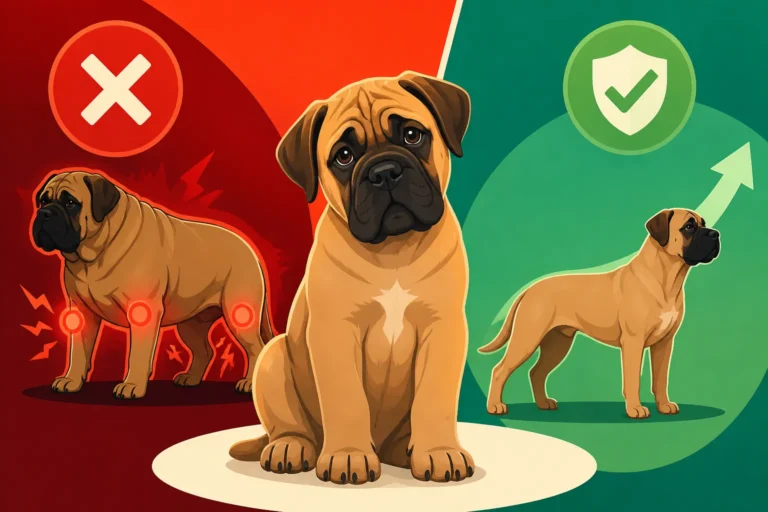
Bullmastiffs are predisposed to various joint issues, including hip and elbow dysplasia, which are common in large and giant breeds. Carrying extra weight places immense, unnatural stress on their joints, accelerating the degeneration of cartilage and leading to more severe pain, inflammation, and earlier onset of arthritis. A lean Bullmastiff might manage mild hip dysplasia with minimal discomfort, but an overweight one will likely suffer greatly. You might find your dog showing signs that their hips hurt, as covered in Signs a Bullmastiff's Hips Hurt.
This added strain can turn a manageable condition into a debilitating one, requiring more aggressive pain management, anti-inflammatory medications, and potentially even costly surgeries. The long-term impact on their mobility and comfort is devastating. Keeping your Bullmastiff lean is arguably the single most important thing you can do for their joint health. You can read more about proactive measures in Keeping a Bullmastiff Lean Is the Best Thing You Can Do.
Increased Risk of Heart Disease and Diabetes
Just like in humans, excess weight in dogs significantly increases the risk of serious metabolic and cardiovascular diseases. Overweight Bullmastiffs are more prone to developing conditions like diabetes, where their body can no longer properly regulate blood sugar, and various forms of heart disease. The heart has to work much harder to pump blood through a larger body with more fatty tissue, putting it under constant strain.
These conditions often require lifelong medication, special diets, and frequent veterinary visits, significantly impacting both your dog's well-being and your finances. Preventing these diseases through weight management is far preferable to treating them. Obesity is a major contributing factor to the overall decline of an aging Bullmastiff's health.
Shortened Lifespan and Reduced Quality of Life
The most sobering reality of an overweight Bullmastiff is the significant reduction in their lifespan and overall quality of life. Studies consistently show that lean dogs live longer and healthier lives than their overweight counterparts. For a breed like the Bullmastiff, which already faces challenges with a median lifespan around The Median Bullmastiff Lives Eight and a Half Years, every additional healthy year is precious.
An overweight dog isn't just less active; they're often less happy. They may experience chronic pain, discomfort, and a reduced ability to engage in activities they once enjoyed. Their breathing can be difficult, their joints ache, and their energy levels plummet. Ultimately, carrying too much weight leads to a life filled with more health problems, veterinary visits, and less joyous, active time with their family. It's a preventable tragedy that responsible ownership can avert.
Next Steps: Confirming and Addressing Weight Concerns
If you've gone through these signs and suspect your Bullmastiff might be overweight, don't panic! The good news is that weight management is largely within your control. The key is to take decisive, informed action.
Consulting Your Veterinarian for a Professional Assessment
Your first and most important step is to schedule a visit with your veterinarian. They can provide an objective, professional assessment of your Bullmastiff's body condition score (BCS) and confirm if your suspicions are correct. They'll also be able to rule out any underlying medical conditions that might contribute to weight gain, such as Hypothyroidism in a Bullmastiff, or those that might make weight loss more challenging.
Your vet can help you establish a target weight and develop a safe, personalized weight loss plan tailored to your Bullmastiff's specific needs, age, and existing health conditions. They can recommend appropriate food types and portion sizes, which is crucial for a breed that needs to avoid growing too quickly as a puppy and remaining lean as an adult. Remember, for a giant breed, even a small amount of weight loss can make a significant difference. Regular wellness exams, as discussed in How Often a Bullmastiff Needs a Wellness Exam, are key to monitoring this.
Adjusting Diet and Food Portions Responsibly
Once your vet has given you guidance, it’s time to tackle the food bowl. This is often the biggest piece of the puzzle. It's easy to overfeed a Bullmastiff, even by accident, especially when relying on generic feeding guidelines that don't account for individual metabolism or activity levels. Your vet might recommend reducing portion sizes of their current food or switching to a specialized weight-management formula.
It’s critical to measure food accurately – don't just eyeball it. Use a kitchen scale or a precise measuring cup. Cut back on high-calorie treats and instead offer healthier alternatives like plain green beans or small pieces of carrot. If you're using chews, factor those calories into their daily intake. Some owners find success with feeding services like Ollie, which provides pre-portioned, fresh food tailored to your dog's needs, or by finding specific weight management foods through online retailers like Chewy or Amazon, comparing ingredients and nutritional content carefully. Remember to transition food slowly to avoid digestive upset. For insights on appropriate food amounts, check out How Much an Adult Bullmastiff Eats.
Incorporating Safe and Effective Exercise
Diet is usually 80% of the weight loss battle, but appropriate exercise plays a vital supporting role. For an overweight Bullmastiff, "appropriate" is key – you don't want to overdo it and strain their joints. Start slowly with short, gentle walks and gradually increase the duration and intensity as their fitness improves. Focus on consistent, low-impact activities. Swimming can be an excellent option as it’s easy on the joints.
Avoid high-impact activities or long runs, especially in the early stages of weight loss. Monitor their breathing and energy levels closely, particularly if you're dealing with warm weather, as detailed in What Temperature Is Dangerous for a Bullmastiff. Aim for multiple short sessions throughout the day rather than one long, strenuous one. Consider investing in a good quality orthopedic bed, perhaps from Amazon, for your Bullmastiff to support their joints during rest, as an overweight dog will put more pressure on these areas. Consistency and patience are your best friends in helping your Bullmastiff regain a healthy, active lifestyle.
Disclaimer
This article is for general informational purposes only and does not constitute professional advice. Laws, prices and regulations vary by location and change over time. Consult a qualified professional for guidance on your specific situation.