How to Dry a Bullmastiff After a Bath
Drying a Bullmastiff after a bath can feel like trying to mop up a small lake with a napkin. These magnificent, bulky dogs have a way of holding onto water in their thick coats and deep skin folds, leaving you with a soggy, shivering giant and a potentially damp house. But don't despair! This guide is here to walk you through how to properly dry your Bullmastiff, ensuring they're comfortable, healthy, and your home stays a little less wet.
The Challenges of Drying a Bullmastiff
Let's be real, drying a Bullmastiff isn't like towel-drying a Chihuahua. Their sheer size, coat type, and unique skin features present a few hurdles that every Bullmastiff owner quickly learns to navigate. It's not just about getting rid of the wetness; it's about doing it effectively to prevent discomfort and potential health issues.
Their Sheer Size and Coat Type
First off, you're dealing with a large animal. A typical adult Bullmastiff can easily weigh over a hundred pounds, and that bulk comes with a lot of surface area to get wet. Their coat, while short, is incredibly dense and surprisingly good at trapping water right down to the skin. You might look at their sleek, short fur and think, "Oh, that'll dry fast!" but you'd be mistaken. That dense undercoat can hold a surprising amount of moisture.
Imagine trying to dry a very thick, plush carpet with a small hand towel – that's often what it feels like. The water just seems to cling, and rubbing vigorously with a regular towel can often just spread the water around or irritate their skin. Plus, because they're often relatively low-slung for their mass, a wet Bullmastiff can easily splash water everywhere just by shaking their head, turning your bathroom into a miniature indoor rainstorm. This makes the initial towel-drying stage critical, as you want to absorb as much of that excess water as possible before they decide to give a full-body shimmy.
Dealing with Skin Folds and Wrinkles
Ah, the charming wrinkles and folds of a Bullmastiff's face and neck! While they add character, they are also prime locations for moisture to get trapped after a bath. We're talking about their jowls, the folds around their muzzle, sometimes even rolls on their neck or chest. These areas are dark, warm, and humid when wet, creating a perfect breeding ground for bacteria and yeast. This can quickly lead to painful, itchy skin fold infections.
It's not just about comfort; it's about preventative care. Many Bullmastiffs are prone to Skin Fold Infections on a Bullmastiff if these areas aren't kept meticulously dry and clean. Simply letting these spots air dry isn't an option, as the moisture will linger for too long, causing problems. You need to be deliberate and thorough in reaching into every crevice, ensuring no dampness remains. This attention to detail is crucial for their overall skin health and prevents issues that can be uncomfortable for your dog and costly to treat.
Avoiding Post-Bath Chills and Hot Spots
Proper drying is also vital for your Bullmastiff's general well-being. A large, damp dog, especially in a cooler room or during colder months, can easily get a chill. While Bullmastiffs are robust, prolonged dampness can make them uncomfortable, and no one wants a shivering, unhappy giant. More importantly, leaving any part of their dense coat or skin folds damp can lead to the dreaded "hot spot."
Hot spots, or acute moist dermatitis, are angry, red, inflamed skin lesions that can appear seemingly overnight. They are often triggered by moisture getting trapped against the skin, leading to bacterial overgrowth. Your dog will then lick or chew at the area, making it worse and creating a vicious cycle. Preventing these post-bath hot spots is a huge part of the drying process. You want their coat completely dry, right down to the skin, to minimize any chance of skin irritation or infection. This is especially true for areas where skin rubs together, like armpits or inner thighs, and, of course, those adorable but problematic facial folds.
Essential Tools for Effective Bullmastiff Drying
Tackling a wet Bullmastiff requires more than just a single towel and good intentions. Having the right tools at your disposal will make the process much more efficient, effective, and less stressful for both you and your big dog.
Absorbent Towels: Your First Line of Defense
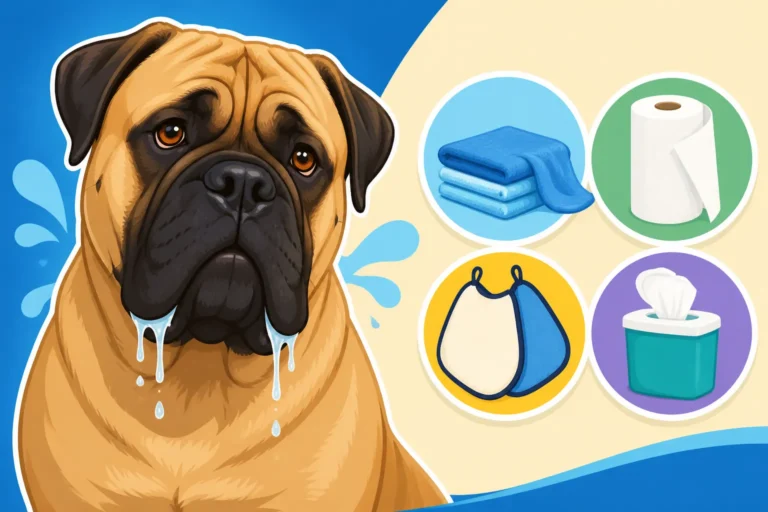
You can never have too many towels when drying a Bullmastiff. Regular cotton bath towels are fine, but for maximum absorbency and quicker drying, I highly recommend investing in a stack of microfiber pet towels. These are designed to soak up significantly more water than traditional towels, cutting down on drying time and reducing the amount of physical effort you need to expend.
Think about it: you want to remove as much standing water from their coat as possible before moving on to other drying methods. Microfiber towels excel at this because of their fine, dense fibers. They'll quickly wick water away, making the initial wipe-down much more effective. Plan on having at least three to four large towels for an adult Bullmastiff. One or two will become saturated almost immediately, so having fresh, dry ones on hand is key. You can find excellent quality microfiber pet towels on Amazon or through pet supply retailers like Chewy, often in multi-packs, which is perfect for a big dog like ours.
The Power of the High-Velocity Dryer
This is, hands down, the game-changer for drying a Bullmastiff. Forget your human hairdryer – it doesn't have the power, can get too hot, and frankly, isn't designed for a dog's dense coat. A high-velocity pet dryer (also known as a force dryer) blows a strong stream of unheated or low-heat air. The force of the air, not high heat, is what effectively pushes water out of the coat and off the skin.
The benefits are numerous:
- Speed: It significantly reduces drying time compared to towel-drying alone.
- Thoroughness: The powerful airflow reaches right down to the skin, even through a thick undercoat, ensuring complete dryness. This is crucial for preventing those nasty hot spots and skin infections.
- Healthier Skin and Coat: By blowing out dead undercoat and loose hair, it can help reduce shedding and stimulate circulation.
- Safety: Most force dryers have adjustable speeds and low-heat settings, so you can control the temperature and intensity, making it safe for your dog.
If you're serious about keeping your Bullmastiff's coat and skin healthy, especially if they love baths or get dirty often, a high-velocity dryer is an investment worth making. You'll find a range of options on sites like Amazon or specialized grooming supply stores. Just remember to introduce it slowly to your dog, as the noise and sensation can be a bit startling at first.
Grooming Wipes and Drying Mitts
While high-velocity dryers are fantastic for the body, you need a more delicate approach for those sensitive facial folds and specific areas. This is where specialized grooming wipes and drying mitts come in handy.
- Grooming Wipes: For those deep facial wrinkles, around the muzzle, and even under the tail, pet-safe grooming wipes can be incredibly useful. Look for wipes designed for sensitive skin, ideally fragrance-free or with a very mild, natural scent. They help absorb residual moisture and clean out any debris that might have been missed during the bath. Brands like Ollie might offer pet-specific grooming wipes that are gentle and effective. Having a pack of these on hand allows for precise cleaning and drying in areas that are hard to reach with a towel or where a dryer might be too intense.
- Drying Mitts: These are essentially small, super-absorbent microfiber gloves that you wear. They allow you to get into nooks and crannies with greater dexterity than a bulky towel. They're excellent for gently blotting the inside of ears, around the eyes (being very careful, of course), and ensuring those deep skin folds are truly dry. They offer a softer touch than directly using a dryer on sensitive spots and are perfect for a final buff to ensure complete dryness.
Step-by-Step Guide to Drying Your Bullmastiff
Now that you're equipped with the right tools, let's break down the drying process into manageable steps. The key is to be methodical, patient, and thorough, especially with a breed prone to certain skin issues.
Initial Towel Dry: The Squeeze and Blot Method
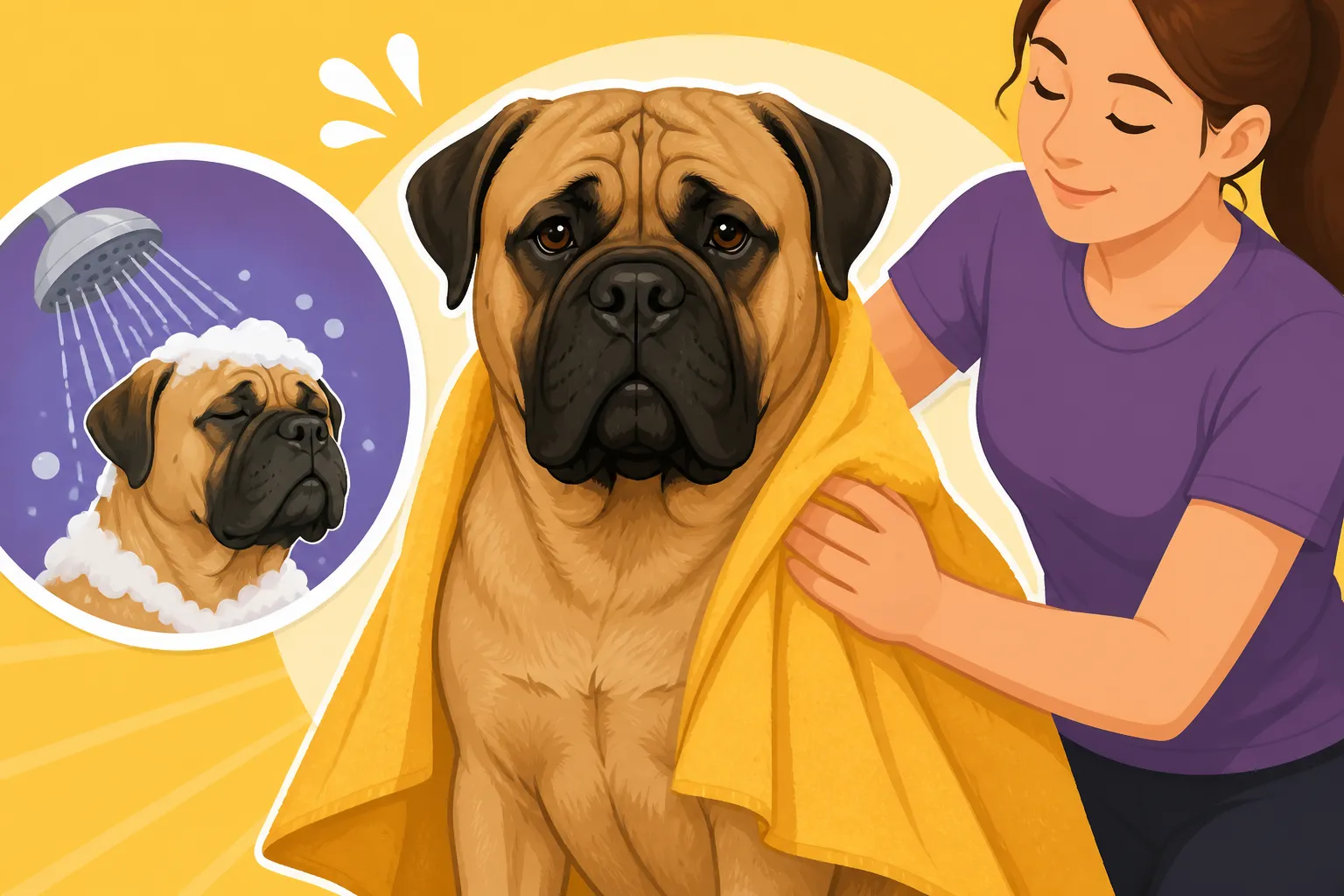
Immediately after the bath, before your Bullmastiff decides to shake and redecorate your bathroom, get those absorbent towels ready. This first step is crucial for removing the bulk of the water.
Instead of rubbing vigorously, which can tangle the coat, irritate the skin, or just push water around, focus on a "squeeze and blot" method.
- Start with the Head and Ears: Gently cup their head in a towel and squeeze excess water from their ears. Pay attention to the floppy parts of their ears, ensuring they are dabbed dry. Be careful around their eyes.
- Move to the Body: Lay a large, dry towel over their back. Gently press down and squeeze the towel against their fur. Work in sections – back, sides, chest, belly, and legs. Replace wet towels with dry ones as needed. Your goal here is to literally squeeze the water out of the coat and into the towel.
- Lift and Dry Legs: Lift each leg individually and towel dry, paying special attention to the paws and between the paw pads.
- Tail and Underside: Don't forget their tail and the underside of their belly. These areas can retain a lot of water.
This initial towel-off should remove most of the dripping water, making the subsequent steps much more effective and preventing water from being slung around when they inevitably shake. A good initial towel dry also helps prevent Bloat in a Bullmastiff if they've ingested a lot of water during their bath and are now trying to gulp air by shaking.
Targeting the Folds: Gentle and Thorough
This step is arguably the most important for Bullmastiffs, given their predisposition to skin fold issues. You need to be meticulous here.
- Face Folds: Gently lift each fold on their muzzle and around their eyes. Using a clean, dry corner of a towel or a specialized pet grooming wipe, gently blot and wipe inside each fold. Ensure you get right into the deepest parts. You might even use a cotton ball or a soft, dry cloth for the most delicate areas. Look for any moisture, dirt, or debris and carefully remove it.
- Neck and Chest Wrinkles: Some Bullmastiffs have pronounced wrinkles on their neck or chest. Again, lift these folds and carefully dry inside them.
- Under the Tail (if applicable): If your Bullmastiff has any skin folds or a "pocket" under their tail, gently lift the tail and ensure that area is thoroughly dried as well.
It cannot be stressed enough: trapped moisture in these folds is a recipe for infection. Take your time, be gentle, and ensure every crevice is completely dry. You should aim for a feeling of dry, clean skin, not just dry fur. Consider using a separate, smaller towel or dedicated drying mitt for these areas to ensure maximum cleanliness and prevent cross-contamination from the rest of their body. You can also finish these areas with a light dusting of cornstarch-based powder (check for pet-safe varieties) to further absorb moisture, but ensure they are completely dry first.
Using a High-Velocity Dryer Safely and Effectively
Once the bulk of the water is off and the folds are addressed, it's time for the high-velocity dryer to do its magic. Remember, introduce this tool slowly if your Bullmastiff isn't used to it. Start with a low setting and allow them to get accustomed to the noise and sensation.
- Prepare the Area: Ensure you're in a well-ventilated, warm room, preferably one where you don't mind a little dog hair flying around. Having a non-slip mat for your dog to stand on will make them more secure.
- Start with the Body: Begin on their rear or side, away from their face. Keep the nozzle moving constantly to avoid concentrating air in one spot, which can be uncomfortable or cause skin irritation. Hold the nozzle a few inches from their coat.
- Work in Sections: Systematically work your way across their body, lifting sections of fur with the airflow. You'll see water literally blowing off the coat. Focus on the densest areas first.
- Keep Air Cool/Lukewarm: Never use high heat. The force of the air is what dries, not extreme temperatures, which can burn their skin. Most high-velocity dryers have a "no heat" or "cool" setting, which is usually sufficient.
- Sensitive Areas: For their legs, paws, and underside, use a lower setting if possible. Avoid pointing the dryer directly into their ears, eyes, or nose. You can cup your hand over their ears to protect them from the noise and direct blast of air.
- Paws and Pads: Make sure to dry between their paw pads thoroughly. This is another area where moisture can get trapped and lead to issues.
- Watch for Discomfort: Observe your Bullmastiff for signs of stress or discomfort. If they seem overly agitated, take a break, offer a treat, and try again. How a Bullmastiff Tolerates Chemotherapy gives a good sense of how important it is to keep things calm and stress-free when dealing with medical procedures or even just baths.
The Final Check: Ensuring Complete Dryness
You might think you're done, but a final, thorough check is crucial. This step is about confirming that every inch of your Bullmastiff's coat and skin is bone-dry.
- Run Your Hands Over Their Coat: With clean, dry hands, run them against the direction of the fur all over their body. Feel for any dampness at the root of the hair, especially in thicker areas, under the neck, armpits, and groin.
- Check Folds Again: Re-check all those facial and body folds. They should feel completely dry and clean.
- Sniff Test: Believe it or not, your nose is a good indicator. Damp fur can have a slightly musty or "doggy" smell. If you detect any lingering dampness, go back with your dryer or a clean, dry towel.
- Examine Paws: Lift each paw and feel between the toes and pads. These areas are notorious for trapping moisture.
- Brush Through: A final quick brush-through can help separate the hairs and expose any last bits of dampness, while also ensuring their coat lies smoothly. This is also a good opportunity to check for any mats or tangles that might have developed, though with a Bullmastiff's short coat, this is less common than with longer-haired breeds.
Only when you are confident your Bullmastiff is completely dry should you allow them full freedom. This complete dryness is the best defense against skin issues and ensures they remain comfortable and healthy.
Tips for a Stress-Free Drying Experience
Baths and subsequent drying don't have to be a battle. With a little planning and patience, you can turn this necessary chore into a more positive, or at least tolerable, experience for your Bullmastiff.
Acclimation and Positive Reinforcement
For many dogs, especially large ones like Bullmastiffs, the sound and sensation of a high-velocity dryer can be intimidating. Early exposure and positive reinforcement are key to making it a routine part of their life.
- Start Young: If you have a Bullmastiff puppy, introduce them to the dryer's sound and feel early on. Start with the dryer on a low setting, far away, while they are engaged in something positive, like eating a meal or chewing a favorite toy. Gradually move it closer.
- Gradual Introduction: Even with an adult dog, take it slow. Turn the dryer on in another room so they hear the sound. Then, bring it into the same room, but don't point it at them. Reward calm behavior with high-value treats.
- Short Sessions: Keep initial drying sessions very short, just a minute or two, focusing on one area. End on a positive note, even if they're not perfectly dry. Over time, you can increase the duration.
- Treats, Praise, and Play: Associate the dryer with good things! Give treats while it's running, praise them for standing calmly, and have a quick play session afterward. If your Bullmastiff is food motivated, this can be incredibly effective. Consider a long-lasting chew or a Lickimat smeared with peanut butter to distract them during the drying process. Remember that What Motivates a Bullmastiff often comes down to food and praise from their trusted human.
- Comfort and Security: Make sure they feel secure on a non-slip surface. If they're comfortable with it, a gentle hold or a reassuring presence can make a big difference.
Managing the Mess and Maintaining Safety
Drying a Bullmastiff is not a tidy process, but you can minimize the chaos and ensure safety for both of you.
- Location, Location, Location: Choose a dedicated drying area. This might be a bathroom, a utility room, or a garage, especially if you're using a force dryer, which can make hair fly. An area that's easy to clean is a huge plus.
- Non-Slip Mats: Always use non-slip mats in your drying area. A wet Bullmastiff on a slick tile floor is an accident waiting to happen, both for their joints and for your ability to keep them still. This is critical as their heavy build makes them prone to Hip Dysplasia in a Bullmastiff and Elbow Dysplasia in a Bullmastiff, so preventing slips is paramount for joint health.
- Secure Area: Keep them contained in your chosen drying spot. You don't want a half-wet Bullmastiff running through your house, tracking water and dirt everywhere. A sturdy crate or a leash attached to a secure anchor point can help.
- Ear Protection: While most force dryers aren't excessively loud, some dogs are more sensitive to noise. Consider using dog-specific ear muffs or cotton balls gently placed in their ears (remember to remove them!) to reduce noise discomfort, especially when drying around their head.
- Eye Protection: The force of the air can be irritating to eyes. Keep the nozzle away from their face as much as possible, and if necessary, use a towel to shield their eyes when drying near their head.
When to Seek Professional Help
Sometimes, despite your best efforts, drying your Bullmastiff at home can be overwhelming or simply not feasible. There's absolutely no shame in seeking professional help.
- Overwhelmed Owners: If your Bullmastiff is particularly anxious about the dryer, or if you find yourself struggling with their size and strength, a professional groomer can be a lifesaver. They have specialized equipment, experience with large breeds, and techniques to make the process smoother.
- Difficult Temperaments: Some Bullmastiffs just do not tolerate drying, no matter how much positive reinforcement you try. For these dogs, a groomer, perhaps one who uses gentle handling techniques or a veterinary groomer, might be the best option to ensure they stay clean and healthy without causing undue stress.
- Skin Conditions: If your Bullmastiff has recurring skin issues, like persistent hot spots or skin fold infections, a professional groomer can offer expert advice and ensure their coat and skin are dried perfectly to prevent future flare-ups. They can also recommend specific shampoos or conditioners that might help. A groomer might also be the first to spot new lumps or bumps, which is important for a breed with a high risk of Mast Cell Tumors and the Lumps on a Bullmastiff.
- Time Constraints: Let's face it, life gets busy. If you simply don't have the hour or more it takes to thoroughly bathe and dry a Bullmastiff, regular trips to a groomer can ensure your dog's hygiene doesn't suffer.
Here's a quick comparison of popular drying methods:
| Method | Pros | Cons | Best For |
|---|---|---|---|
| Absorbent Towels | Inexpensive, quiet, good for initial water removal | Labor-intensive, not thorough for dense coats, slow | Quick spot drying, initial water removal |
| High-Velocity Dryer | Fast, thorough, reaches skin, prevents hot spots | Can be noisy, initial cost, dog acclimation required | Full-body drying, dense coats, preventative skin care |
| Air Drying | No equipment needed, no cost | Extremely slow, high risk of hot spots/chills, unpleasant | Not recommended for Bullmastiffs |
| Grooming Wipes/Mitts | Gentle, precise, good for folds/sensitive areas | Not for full-body drying | Facial folds, paws, quick touch-ups |
| Professional Groomer | Expert care, specialized equipment, stress-free | Costly, requires appointments | Anxious dogs, complex coats, time-pressed owners |
Drying your Bullmastiff properly after a bath is more than just aesthetics; it's a vital part of their health and hygiene routine. By using the right tools, following a careful process, and prioritizing your dog's comfort, you can ensure your big companion stays clean, happy, and healthy, without turning your home into a swamp!
Disclaimer
This article is for general informational purposes only and does not constitute professional advice. Laws, prices and regulations vary by location and change over time. Consult a qualified professional for guidance on your specific situation.