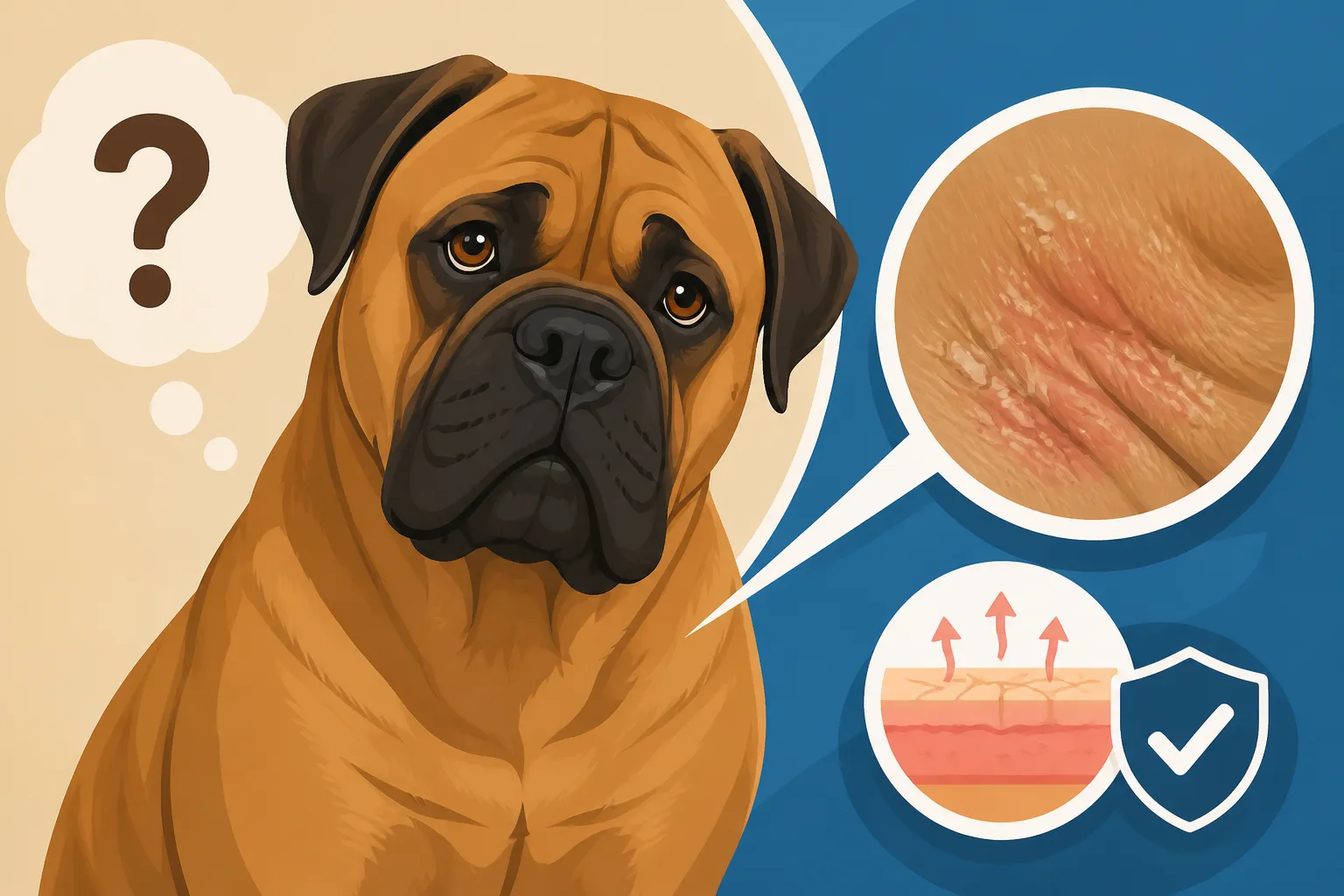
Whether a Bullmastiff Gets Dry Skin
It's a common worry among Bullmastiff owners, seeing their beloved giants struggle with dry, flaky, or itchy skin. Many wonder if dry skin is just "part of the breed" or a sign of something more serious. This guide will walk you through the nuances of Bullmastiff skin, explore the real reasons behind dryness, and give you actionable steps to bring relief and comfort to your gentle giant.
Understanding Your Bullmastiff's Skin and Coat
Bullmastiffs have that iconic short, dense, and protective coat, designed to withstand the elements without being overly fluffy or high-maintenance. However, this doesn't make their skin immune to problems. In fact, their sheer size, powerful musculature, and even their characteristic wrinkles can all play a role in how their skin behaves and its susceptibility to dryness.
The Unique Characteristics of Bullmastiff Skin
A Bullmastiff's skin is generally thick and resilient, offering good protection, but it's also quite sensitive to changes both internally and externally. Unlike breeds with thick double coats, a Bullmastiff's short hair provides less insulation and less of a barrier against irritants or dry air. This means what's happening on the skin is often more visible and can be affected more directly by the environment. Many owners find themselves frequently checking their dog's coat, wondering What a Bullmastiff's Coat Should Feel Like, and if a rough texture indicates a problem.
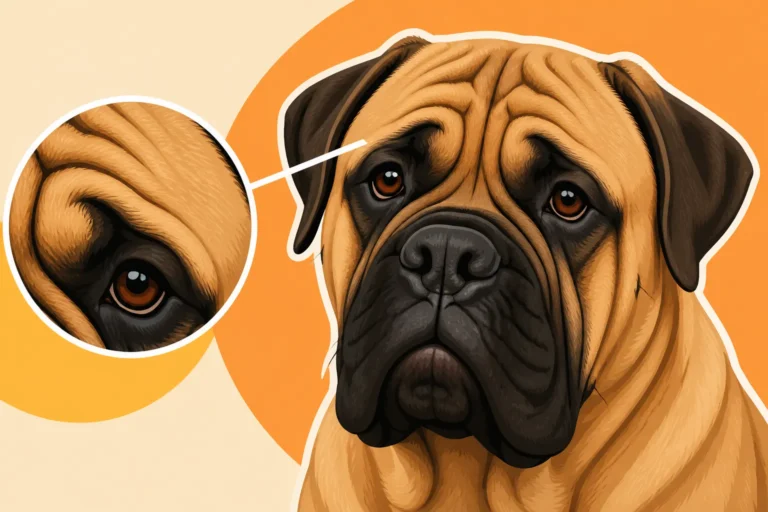
Their skin, particularly around the jowls and face, also forms those wonderful, expressive folds. While these folds are part of their charm, they can also become pockets where moisture, dirt, or irritants gather, leading to irritation that can spread and manifest as dry patches. Even without obvious infections, constant dampness or friction within these folds can compromise the skin's natural barrier, making it prone to dryness.
Why Dry Skin Isn't "Normal" for Any Dog
Let's be clear: while some dogs might have a predisposition to certain skin sensitivities, truly dry, flaky, or itchy skin is not "normal" or something you should just accept. It's often a sign that something is out of balance, whether it's their diet, their environment, or an underlying health issue. Just like in humans, healthy skin should be supple, smooth, and free from irritation. A Bullmastiff's coat, when healthy, should feel quite sleek and firm. If you notice persistent flaking, redness, or your Bullmastiff constantly scratching, licking, or rubbing against furniture, it's time to investigate.
Ignoring these signs can lead to a vicious cycle. Persistent itching can cause your Bullmastiff to scratch themselves raw, leading to secondary bacterial or yeast infections, which only exacerbate the discomfort and the dryness. It's a frustrating situation for both dog and owner, but thankfully, many cases of dry skin are manageable with the right approach.
Common Causes of Dry Skin in Bullmastiffs
When you notice your Bullmastiff's skin looking a bit parched, it's natural to immediately wonder what's causing it. Dry skin in Bullmastiffs can stem from a variety of factors, ranging from simple environmental culprits to more complex dietary or health-related issues. Pinpointing the exact cause often requires a bit of detective work and sometimes, the help of your veterinarian.
Environmental Factors
The environment your Bullmastiff lives in plays a significant role in their skin health. Dry air, especially during colder months when indoor heating is running constantly, can strip moisture from their skin and coat. Think about how your own skin feels in winter – it’s a similar effect for your dog. Low humidity can lead to dull coats, flaky skin, and an increase in static electricity when you pet them. This kind of dryness often affects the entire body rather than localized patches.
Exposure to harsh cleansers, either in their bedding, on your floors, or even in shampoos not formulated for canine skin, can also be a culprit. Bullmastiffs are usually quite clean dogs, but if they spend a lot of time on carpets treated with strong chemicals, or their favorite bed isn't cleaned with a gentle, pet-safe detergent, it could be contributing to skin irritation and subsequent dryness. Even contact allergies can present as dry, irritated skin in some cases.
Dietary Deficiencies and Allergies
What goes into your Bullmastiff's bowl has a profound impact on their skin and coat health. A diet lacking in essential fatty acids, particularly Omega-3 and Omega-6, is a common reason for dry, dull skin. These fatty acids are crucial for maintaining the skin's natural oil barrier, keeping it hydrated and protected. If your Bullmastiff is on a diet of lower-quality kibble, it might not be providing enough of these vital nutrients. You might find yourself asking Whether a Bullmastiff Needs Fish Oil if their coat starts to look lackluster.
Food allergies are another major contributor to skin issues, including dryness, redness, and intense itching. Common allergens include certain proteins like chicken, beef, dairy, or grains like corn and wheat. When a Bullmastiff has a food allergy, their immune system overreacts, leading to inflammation that often manifests as skin problems. This can cause widespread itching, flaking, and even secondary infections as they scratch. Identifying food allergies usually involves a process of elimination diet, which can be a lengthy but ultimately rewarding endeavor. Brands like Ollie, known for their fresh, limited-ingredient recipes, can be a great option for trying an elimination diet under veterinary guidance.
Underlying Health Conditions
Sometimes, dry skin is merely a symptom of a larger health concern. Hypothyroidism, a condition where the thyroid gland doesn't produce enough hormones, is a common culprit in Bullmastiffs. Hypothyroidism in a Bullmastiff can lead to a host of symptoms, including dry, brittle hair, thinning coat, excessive shedding, and flaky skin, often accompanied by weight gain and lethargy. A simple blood test can diagnose this condition, and medication can manage it effectively.
Other health issues such as parasitic infestations (fleas, mites), fungal infections (ringworm), or even autoimmune diseases can also present with dry, irritated skin. While fleas are often associated with intense itching, their bites can also cause localized dryness and scabbing. Mites, invisible to the naked eye, can cause severe skin irritation, hair loss, and dry, crusty patches. It's always best to rule out these medical conditions with your veterinarian, especially if the dry skin is persistent, worsening, or accompanied by other symptoms.
Recognizing the Signs of Dry Skin
It might seem obvious, but sometimes the signs of dry skin in a Bullmastiff can be subtle at first, especially with their short, dense coat. Being attuned to small changes in their behavior and appearance can help you address the issue before it escalates into something more uncomfortable or serious for your big pal.
Visual Cues: Flakes, Redness, and Dullness
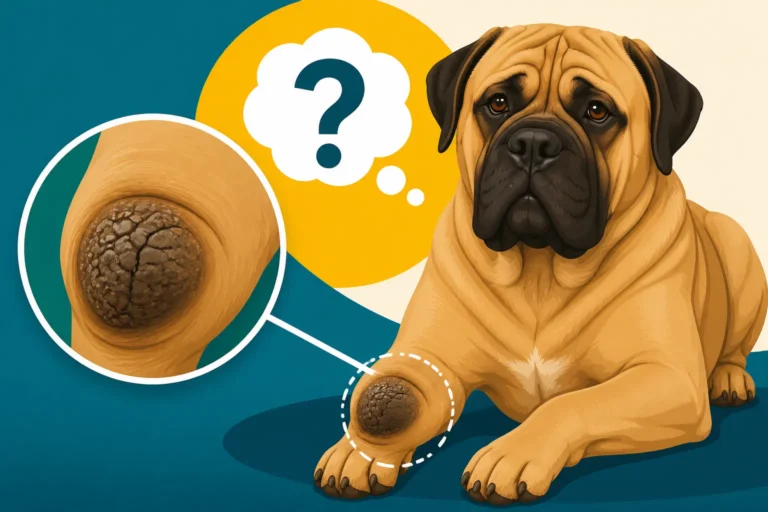
The most common visual sign of dry skin is, of course, flakes. These can range from fine, dust-like particles that look like dandruff, scattered throughout their coat, to larger, more noticeable scales. You might spot these flakes more easily on their back, flanks, or around the base of their tail. Sometimes, the skin itself can appear tight, less elastic, and even a bit rough to the touch.
Beyond flakes, look for any areas of redness or inflammation. Dry skin is often irritated skin, and irritation can quickly lead to a pink or reddish hue, especially in areas where your Bullmastiff might be scratching or licking. The skin might also appear duller than usual, losing its natural sheen. A healthy Bullmastiff's coat typically has a subtle luster, but dry skin can make the fur look lackluster and even brittle. In some cases, prolonged dryness and irritation can lead to secondary issues like Skin Fold Infections on a Bullmastiff, which manifest as deep redness, odor, and moist lesions within the wrinkles.
Behavioral Indicators: Itching and Discomfort
Your Bullmastiff's behavior will often be the first and most telling sign that their skin is bothering them. Increased scratching is a dead giveaway. While all dogs scratch occasionally, persistent, intense, or frantic scratching, especially in specific areas, warrants attention. They might use their back paws to scratch their flanks or face, or rub their body against furniture, carpets, or even your legs in an attempt to relieve the itch.
Excessive licking or chewing, particularly on their paws, legs, or belly, is another common behavioral indicator. This licking can sometimes lead to wet, matted fur and further skin breakdown, creating a hot, moist environment ripe for infection. You might also notice them shaking their head more frequently if their ears are affected, as Ear Infections in a Bullmastiff can sometimes accompany skin allergies or dryness. Any change in their usual demeanor, such as restlessness, difficulty settling down, or an unusual amount of grooming attention paid to one area, could all point to skin discomfort.
Hair Loss and Secondary Infections
In more severe or prolonged cases of dry skin, you might start to see hair loss. This can range from thinning patches to bald spots, often in areas where they've been scratching or licking excessively. The constant trauma to the hair follicles from scratching can cause the hair to break or fall out. This hair loss can also be a direct symptom of underlying conditions like hypothyroidism, where the coat quality declines. When you are petting your Bullmastiff, you might also find that How Much a Bullmastiff Sheds suddenly increases, which can also be a sign of poor skin health.
The broken skin barrier from dryness, coupled with relentless scratching, creates an open invitation for secondary bacterial or yeast infections. These infections will often manifest as more intense redness, pustules, crusts, a foul odor, and even more pronounced itching and discomfort. At this point, veterinary intervention is crucial, as these infections usually require specific medications to resolve. If you notice any of these more severe signs, don't hesitate to contact your vet.
Effective Strategies for Managing and Preventing Dry Skin
Once you've identified that your Bullmastiff is indeed struggling with dry skin, the good news is that there are many effective strategies you can employ to bring them relief and prevent future occurrences. A multi-pronged approach often works best, addressing both external care and internal health.
Optimizing Bathing and Grooming Practices
How you bathe and groom your Bullmastiff can make a huge difference. First and foremost, avoid over-bathing, which can strip essential oils from their skin. When you do bathe them, use a gentle, moisturizing shampoo specifically formulated for dogs with dry or sensitive skin. Look for ingredients like colloidal oatmeal, aloe vera, or ceramides. Many pet supply stores, including Chewy, offer a wide selection of these specialized shampoos. Always rinse thoroughly to ensure no residue is left behind, as this can be irritating.
After bathing, gently towel-dry your Bullmastiff. If your dog is tolerant, a low-heat hairdryer can help ensure their skin, especially within their The Wrinkles and Folds on a Bullmastiff's Face, is completely dry to prevent moisture-related issues. Regular, gentle brushing with a soft brush can help distribute natural skin oils and remove loose hair and flakes. You might be surprised at how much What an Aging Bullmastiff's Coat Looks Like benefits from consistent, gentle grooming as they get older, too.
Environmental Adjustments
Since dry air is a common culprit, consider adding a humidifier to your home, especially in the rooms where your Bullmastiff spends the most time. This can significantly increase ambient moisture and help hydrate their skin and coat from the outside in. Aim for a humidity level between 40-60%.
Evaluate the cleaning products you use in your home. Opt for pet-safe, non-toxic cleaners for floors and bedding. Ensure your Bullmastiff's bed is clean and made of breathable materials; you can find excellent orthopedic beds on Amazon that offer comfort while also being easy to clean. If possible, provide soft bedding rather than letting them lie directly on hard, cold floors for extended periods, as this can also impact skin health.
Dietary Changes and Supplements
A high-quality diet is paramount for healthy skin. Ensure your Bullmastiff is eating a complete and balanced food that contains good sources of protein and healthy fats. If you're feeding kibble, consider one that is specifically formulated for large breeds or sensitive skin. For those exploring fresh food options, Ollie offers customized meal plans that emphasize whole ingredients, which can be fantastic for overall health, including skin and coat condition.
Supplementing with Omega-3 fatty acids, like fish oil, can be incredibly beneficial. These anti-inflammatory powerhouses help support skin barrier function and reduce dryness and itching. Always consult your vet for the correct dosage based on your Bullmastiff's weight and individual needs. Other supplements like coconut oil (applied topically or added to food in small amounts) or probiotics can also contribute to skin health by supporting a healthy gut microbiome, which is often linked to skin conditions.
Veterinary Care and Treatment
If your Bullmastiff's dry skin is persistent, severe, or accompanied by other concerning symptoms, a trip to the vet is essential. Your veterinarian can rule out underlying medical conditions such as hypothyroidism, allergies, or infections. They might perform diagnostic tests like skin scrapings, blood work, or allergy testing to get to the root cause.
Depending on the diagnosis, treatment could include:
- Medicated Shampoos: Stronger formulations to treat specific fungal or bacterial infections.
- Topical Treatments: Sprays, creams, or balms to soothe irritated skin and provide moisture.
- Oral Medications: Antihistamines for allergies, antibiotics for bacterial infections, antifungals for yeast, or thyroid hormone replacement for hypothyroidism.
- Allergy Management: This might involve prescription diets, specific allergy medications, or even immunotherapy (allergy shots) for severe environmental allergies.
A Bullmastiff's health, including their skin, is a partnership between you and your vet. Don't hesitate to seek their expertise when home remedies aren't cutting it or if you suspect a more serious issue. By being proactive and attentive to their needs, you can help your majestic Bullmastiff enjoy comfortable, healthy skin throughout their life.
Disclaimer
This article is for general informational purposes only and does not constitute professional advice. Laws, prices and regulations vary by location and change over time. Consult a qualified professional for guidance on your specific situation.