Skin Fold Infections on a Bullmastiff
It’s a familiar, frustrating scenario for many Bullmastiff owners: you're enjoying some quiet time with your beloved dog, and then you catch a whiff of something less-than-pleasant coming from their adorable, wrinkly face. Or perhaps you've noticed a tell-tale redness or irritation peeking out from a fold you thought was clean. This isn't just an unpleasant odor; it's often the first sign of a skin fold infection, a common and uncomfortable issue for our wrinkly companions. This guide will walk you through understanding, preventing, and treating these pesky infections, helping you keep your Bullmastiff happy and healthy.
What Are Skin Fold Infections?
Skin fold infections, medically known as pyoderma or intertrigo, are essentially inflammation and infection that occur within the skin folds of a dog. Our magnificent Bullmastiffs, with their distinctive jowls and often substantial wrinkles, are particularly susceptible. These folds create warm, moist, and poorly ventilated environments – essentially, perfect breeding grounds for bacteria, yeast, and other microorganisms to flourish. It’s not just their faces, either; while facial folds are common, infections can also appear in other areas.
Why Bullmastiffs Are Prone to These Issues
The very characteristics that give Bullmastiffs their unique, beloved appearance also make them predisposed to these skin problems. Their loose skin, especially around the face, neck, and sometimes even at the base of the tail, forms deep creases. Unlike smooth-skinned breeds, air circulation within these folds is severely restricted. When moisture from tears, saliva, humidity, or even water after drinking gets trapped, it creates a damp incubator. Coupled with the natural friction of skin rubbing against skin, this constant irritation breaks down the skin's barrier, making it easy for opportunistic bacteria and yeast to move in and cause trouble. It’s not a reflection of poor hygiene on your part, but rather a breed-specific challenge that requires diligent, consistent care.
Common Locations for Fold Infections
While many people immediately think of a Bullmastiff's face, these infections can pop up in several places where skin meets skin. The most common spots include:
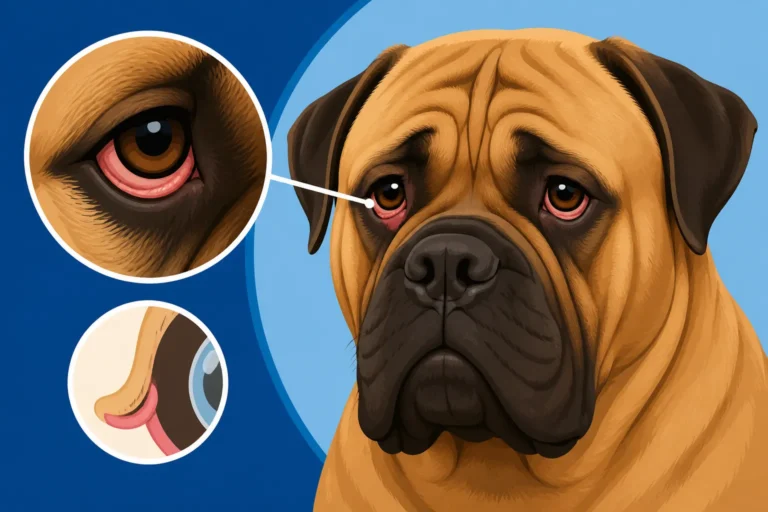
- Facial Folds: These are the classic culprit. The deep wrinkles around the muzzle, under the eyes, and along the jowls are notorious for trapping moisture and debris. Tears can run into these folds, especially if your Bullmastiff has any anatomical quirks that cause excessive tearing, exacerbating the issue.
- Lip Folds: The droopy jowls of a Bullmastiff are famous for their endearing quality, but they also create deep pockets on either side of the mouth where saliva constantly pools. This area, often wet and warm from eating and drinking, is ripe for bacterial and yeast overgrowth. You might notice a particularly strong, yeasty smell emanating from this region when an infection sets in. This is a primary reason why Why a Bullmastiff's Jowls Hold Saliva is such an important factor in their daily care.
- Tail Folds: While less common in Bullmastiffs than in certain other breeds with corkscrew tails, some individuals can have a deep fold at the base of their tail. If this area is tucked in or has a deep pocket, it can also trap fecal matter and moisture, leading to severe irritation and infection.
- Vulvar Folds: In female Bullmastiffs, particularly those who might be overweight or have a more recessed vulva, skin folds around the genital area can become problematic. Urine can get trapped, leading to chronic moisture and subsequent infection. This is another reason why Keeping a Bullmastiff Lean Is the Best Thing You Can Do is vital for their overall health.
Each location presents its own set of challenges, but the underlying principle remains the same: trapped moisture, lack of airflow, and skin irritation pave the way for infection.
Recognizing the Signs and Symptoms
Catching a skin fold infection early can make a world of difference in your Bullmastiff's comfort and the ease of treatment. It's not always obvious at first glance, especially if the fold is deep, so knowing what to look for and what common signs to pay attention to is key.
What to Look For Visually
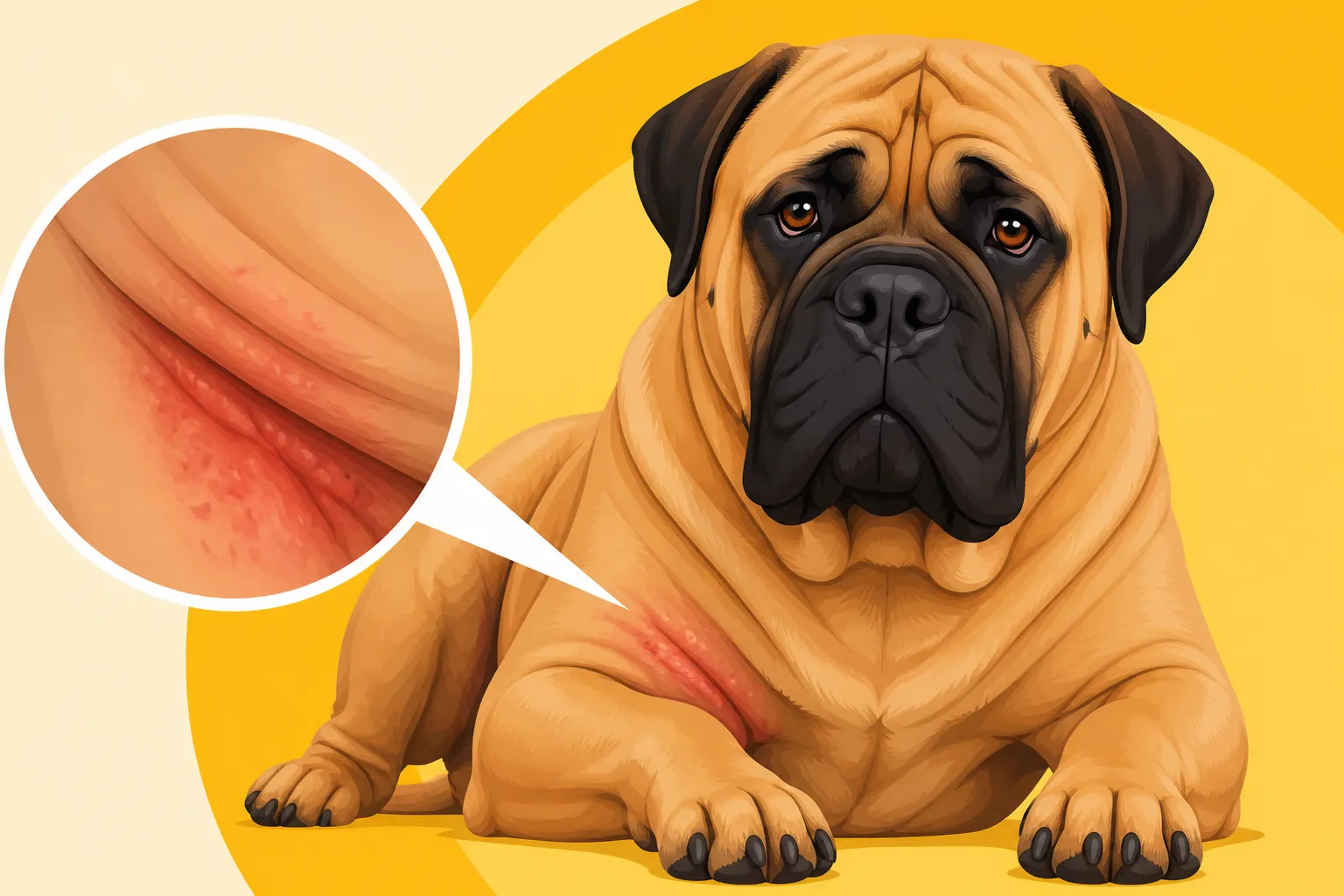
The visual cues of a skin fold infection can range from subtle to quite dramatic. Initially, you might just notice some mild redness within the fold itself. As the infection progresses, this redness can become more intense, appearing bright red or even purplish. The skin might look angry and inflamed. You could also see:
- Moisture and Discharge: The area within the fold might appear perpetually damp or even wet, especially if it's a deep infection. There could be a visible discharge, which can be clear, yellowish, or even greenish, often with a gooey or pus-like consistency. This discharge is a tell-tale sign of bacterial involvement.
- Hair Loss: The constant irritation and inflammation often lead to hair thinning or complete hair loss within and around the affected fold. The skin might look raw or shiny in these bald patches.
- Thickened Skin: Chronic inflammation can cause the skin in the folds to become thickened, leathery, and even hyperpigmented (darkened). This is the body's response to ongoing irritation and often indicates a long-standing issue.
- Crusting or Scabbing: As the infection dries and flares, you might see crusts or scabs forming on the skin surface. These can be itchy and uncomfortable for your dog.
It’s crucial to gently lift and examine all the folds on your Bullmastiff regularly, especially those deep ones that aren't easily visible. Don't be afraid to get in there and take a closer look.
The Tell-Tale Smell
Perhaps even more distinctive than the visual signs is the smell. A characteristic, often foul odor is one of the strongest indicators of a skin fold infection. Many owners describe it as:
- Yeasty: This is very common, especially if yeast (like Malassezia) is a primary contributor to the infection. It can smell like old bread, corn chips, or just generally pungent and sweet-sour.
- Pungent or Rancid: If bacterial infection is dominant, the smell can be quite strong, offensive, and even slightly sweet but rotten. It's often described as a "rotting flesh" smell, though it doesn't always reach that extreme.
- Musty: A general musty or damp smell, particularly if the area is chronically moist and has some bacterial or fungal growth.
If you notice any of these smells emanating from your Bullmastiff's wrinkles, it's a clear sign that something is amiss, even if you don't immediately see severe visual changes. Don't dismiss it as just "dog smell" – investigate!
Changes in Your Bullmastiff's Behavior
Beyond the physical signs, your Bullmastiff might exhibit changes in behavior that signal discomfort. Remember, these infections can be incredibly itchy and painful. Look out for:
- Excessive Licking or Rubbing: Your Bullmastiff might constantly try to lick the affected area, rub their face on furniture or the carpet, or scratch at the folds with their paws. This is their attempt to alleviate the itchiness or pain.
- Sensitivity to Touch: If you try to examine the infected fold, your dog might pull away, whine, or even snap if they're in significant pain. This sensitivity makes routine cleaning difficult, but it's important to be gentle and persistent.
- Depression or Lethargy: In more severe cases, or if the infection is particularly painful, your Bullmastiff might become less active, withdrawn, and generally seem unhappy. They might lose their appetite or show less interest in play.
- Bleeding: If the area is excessively scratched or rubbed, it can break the skin, leading to bleeding, which further complicates the infection and increases the risk of deeper issues.
Paying close attention to these behavioral cues, along with regular visual and olfactory checks, will help you identify a problem quickly. Remember, Signs a Bullmastiff's Fold Is Infected can often be subtle at first, so consistency is key.
Prevention and Daily Care for Healthy Folds
An ounce of prevention is worth a pound of cure, especially when it comes to Bullmastiff skin fold infections. Establishing a consistent, diligent daily care routine is your best defense against these uncomfortable issues.
The Importance of Routine Cleaning
Regular cleaning is the cornerstone of prevention. You need to remove moisture, food debris, dirt, and developing bacteria or yeast before they have a chance to take hold. Think of it like brushing your own teeth – it’s a daily necessity.
- Frequency: For most Bullmastiffs, daily cleaning of the major facial and lip folds is ideal. If your dog is particularly prone to issues or has very deep wrinkles, you might even need to clean twice a day. After meals, pay special attention to the lip folds where food and saliva accumulate.
- Cleaning Solutions: Don't just use plain water. While water helps, it doesn't kill bacteria or yeast. Opt for gentle, veterinarian-approved antiseptic wipes or solutions. Chlorhexidine-based wipes (like those from Malaseb or Douxo) are excellent choices as they are broad-spectrum antimicrobials. Witch hazel can also be used as a mild astringent to help keep the area dry, but it won't address existing bacterial issues. Always choose products designed for pets to avoid irritation from harsh chemicals or fragrances.
- Technique: Gently lift each fold and wipe thoroughly with your chosen solution or wipe. Make sure you get deep into the crease. Don't just wipe the surface; you need to clean the skin that is constantly rubbing together. Use a fresh part of the wipe for each fold, or even a new wipe entirely, to avoid spreading potential irritants or microbes.
Ensuring Folds Are Completely Dry
This step is just as critical as cleaning, if not more so. A clean but damp fold is still a perfect environment for infection. This is why Why a Bullmastiff's Folds Need Drying is such a crucial piece of advice for owners.
- After Cleaning: After you’ve cleaned the folds, use a clean, dry cloth, a cotton ball, or even a soft tissue to thoroughly dry the area. Blot, don't rub, to avoid further irritation. Make sure there is absolutely no residual moisture.
- After Eating/Drinking: Bullmastiffs are notorious for their sloppy drinking habits. Keep a dedicated "drool towel" handy and gently wipe their jowls and facial folds after every meal and drink. This simple act can significantly reduce moisture buildup.
- Powders and Barriers: For particularly deep or problematic folds, after they are bone dry, you can apply a very thin layer of a veterinarian-approved medicated powder (containing ingredients like miconazole or chlorhexidine) or a skin barrier cream. Be careful not to use too much powder, as it can cake and itself become an irritant. Your vet can recommend suitable products.
Weight Management and Diet
Maintaining a healthy weight for your Bullmastiff isn't just about joint health or preventing Bloat in a Bullmastiff; it also directly impacts skin fold health.
- Less Weight, Fewer Folds: An overweight Bullmastiff tends to have more pronounced and deeper skin folds, increasing the surface area prone to infection. Keeping them lean helps to minimize the depth of these folds and improve air circulation. Refer to What an Adult Bullmastiff Should Weigh for healthy weight guidelines.
- Dietary Considerations: While diet doesn't directly cause fold infections, some dogs with underlying allergies (food or environmental) can experience skin inflammation that makes them more susceptible. If your Bullmastiff suffers from chronic skin issues, discuss a hypoallergenic diet or allergy testing with your vet. High-quality food can also support overall skin and coat health. Brands like Healthy Paws emphasize holistic health, and while they are an insurance provider, their focus on preventative wellness aligns with ensuring your dog's diet contributes to their health.
Regular Veterinary Check-ups
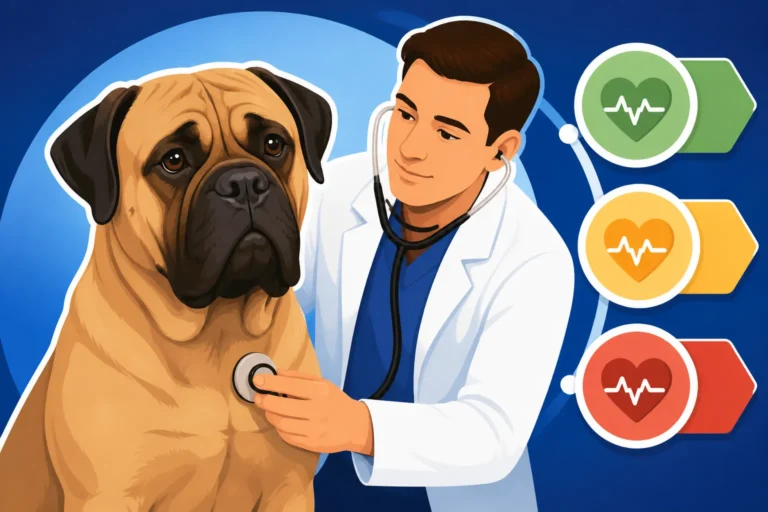
Even with diligent at-home care, regular vet visits are important. Your veterinarian can:
- Identify Early Issues: They can spot subtle signs of irritation you might miss and offer advice on your cleaning routine.
- Recommend Specific Products: They can recommend the best antiseptic wipes, cleansers, or barrier creams tailored to your Bullmastiff's specific needs.
- Address Underlying Causes: If your Bullmastiff has recurrent infections, your vet can investigate underlying allergies, hormonal imbalances (like Hypothyroidism in a Bullmastiff), or other conditions that might be contributing factors.
Treatment Options When Infection Strikes
Despite your best preventative efforts, sometimes a skin fold infection can still take hold. When that happens, prompt veterinary attention is crucial. Self-treating can often make the problem worse or delay proper healing.
When to See the Vet
Don't wait until the infection is severe and painful. Schedule a vet visit if you notice:
- Persistent Redness or Inflammation: If the redness in a fold doesn't improve within a day or two of increased cleaning.
- Foul Odor: If the smell persists despite diligent cleaning, it indicates an active infection that needs medical intervention.
- Discharge or Pus: Any visible discharge, especially if it's thick, colored, or profuse.
- Pain or Sensitivity: If your Bullmastiff is clearly uncomfortable, avoids you touching the area, or shows signs of pain.
- Lethargy or Loss of Appetite: These are signs of a more severe infection that requires immediate attention.
Early intervention means a quicker recovery and less discomfort for your Bullmastiff. If you have pet insurance, a plan from a provider like Healthy Paws can help cover the costs of these unexpected vet visits and medications, alleviating financial stress during a trying time.
Veterinary Diagnosis and Treatment
When you take your Bullmastiff to the vet for a suspected skin fold infection, they will perform a thorough examination and likely take samples for diagnostics.
- Physical Exam: Your vet will carefully examine all skin folds, not just the obvious ones, to assess the extent and severity of the infection.
- Cytology: This is a quick and simple test where your vet will take a swab or scrape of the affected skin. The sample is then examined under a microscope to identify the type of organisms present – typically bacteria, yeast, or both – and their approximate numbers. This helps the vet choose the most effective medication.
- Culture and Sensitivity (if needed): If the infection is severe, recurrent, or not responding to initial treatment, your vet might recommend a bacterial culture. This involves sending a sample to a lab to identify the specific type of bacteria and determine which antibiotics will be most effective against it. This helps avoid using antibiotics that the bacteria are resistant to, which is a growing concern.
Once diagnosed, treatment will typically involve a multi-pronged approach:
Topical Medications
Topical treatments are often the first line of defense and are usually very effective for mild to moderate infections.
- Antiseptic Wipes/Sprays: Your vet will likely prescribe stronger medicated wipes or sprays than what you use for daily prevention. These often contain higher concentrations of chlorhexidine, miconazole, or other antimicrobial agents. You'll be instructed to use these several times a day to kill the pathogens directly on the skin.
- Creams or Ointments: For localized, inflamed areas, a vet might prescribe a topical cream containing antibiotics, antifungals, and sometimes a low dose of corticosteroids to reduce inflammation and itchiness. It's crucial to apply these thinly and ensure your Bullmastiff doesn't lick them off immediately, which might require using an Elizabethan collar (cone) for a short period.
Oral Medications
For more widespread, deeper, or severe infections, oral medications are often necessary to get the infection under control from the inside out.
- Oral Antibiotics: If bacteria are present, a course of oral antibiotics will be prescribed. It's vital to administer the full course as directed by your vet, even if the symptoms improve quickly. Stopping early can lead to a relapse and contribute to antibiotic resistance. Common antibiotics include cephalexin, clindamycin, or amoxicillin-clavulanate.
- Oral Antifungals: If yeast is a significant factor, your vet might prescribe oral antifungal medications like ketoconazole or fluconazole. These are typically given for several weeks to clear the yeast overgrowth.
- Anti-inflammatory Medications: In cases of severe inflammation and pain, a short course of oral corticosteroids might be prescribed to provide rapid relief while the antibiotics or antifungals take effect.
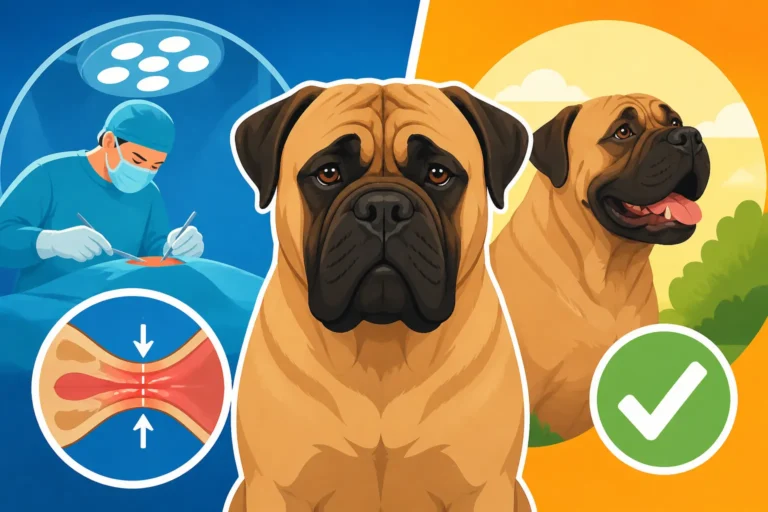
Surgical Intervention for Chronic Cases
In some severe, chronic, or anatomically challenging cases, surgical intervention might be the most effective long-term solution.
- Fold Resection (Cheiloplasty or Vulvoplasty): This procedure involves surgically removing the problematic skin fold (e.g., facial fold, lip fold, or vulvar fold) that is perpetually getting infected. By removing the excess tissue, the vet eliminates the deep crease where moisture and bacteria thrive, allowing for better airflow and easier cleaning. While it might sound drastic, for a Bullmastiff suffering from recurrent, painful infections that don't respond to medical management, it can dramatically improve their quality of life. The recovery involves careful post-operative care, including keeping the incision site clean and dry.
- Tail Fold Amputation: For severe tail fold infections, the tail itself might need to be amputated if the pocket is too deep to manage and causes constant pain and infection.
While surgery is a last resort, it can be life-changing for dogs with severe, intractable fold issues. The cost of such procedures can be substantial, but having pet insurance like that offered by Healthy Paws from an early age can provide a safety net for these kinds of necessary interventions.
Here’s a quick overview of common infection locations and typical interventions:
| Location of Fold Infection | Common Signs | Prevention Tips | Treatment Options (Vet Recommended) |
|---|---|---|---|
| Facial Folds | Redness, foul odor, discharge, hair loss | Daily cleaning with antiseptic wipes, thorough drying | Topical antiseptic washes/creams, oral antibiotics/antifungals, fold resection (severe) |
| Lip Folds | Yeasty smell, brown/yellow discharge, irritation | Wipe after eating/drinking, daily antiseptic wipe | Topical antiseptic washes/creams, oral antibiotics/antifungals, fold resection (severe) |
| Tail Folds | Redness, pus, pain, scooting, soiled fur | Keep clean and dry, regular wiping, consider weight loss | Topical medications, antibiotics, possible tail fold amputation |
| Vulvar Folds | Redness, urine scald, discharge, licking | Keep clean and dry, weight management | Topical medications, antibiotics, possible vulvoplasty (episioplasty) |
Managing skin fold infections on a Bullmastiff requires dedication, but with consistent preventative care and prompt veterinary attention when needed, you can keep your big, wrinkly friend comfortable and healthy. It's all part of the unique joy and responsibility of owning such a magnificent breed.
Disclaimer
This article is intended for informational purposes only and does not constitute medical advice. Always consult with a qualified veterinarian for any health concerns or before making any decisions about your Bullmastiff's medical care.