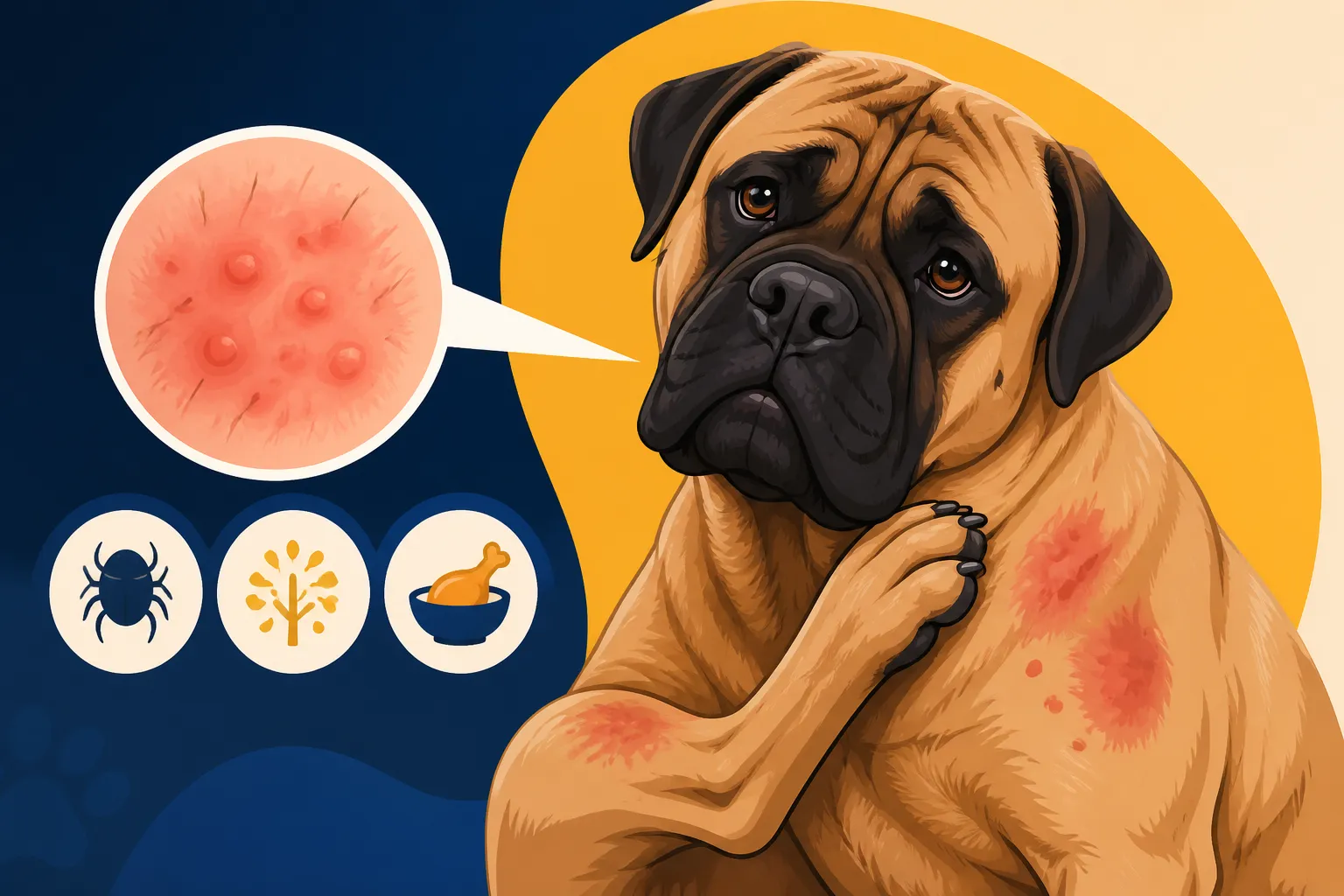
Skin Allergies in a Bullmastiff
It's utterly heartbreaking to watch your beloved Bullmastiff scratch incessantly, chew at their paws, or rub their face raw against the carpet. Skin allergies are a frustrating reality for many Bullmastiff owners, leading to endless vet visits, sleepless nights, and a constant search for relief. This comprehensive guide is here to walk you through understanding the tell-tale signs, common causes, and effective strategies for diagnosing and managing skin allergies in your majestic companion, helping you bring comfort back into their lives.
Understanding Common Skin Allergy Symptoms in Bullmastiffs
The Itch Cycle and Visible Signs
Ah, the dreaded itch. If you own a Bullmastiff, you've probably seen them do that peculiar little shimmy-shake, then go at an itch with a back leg, or worse, start relentlessly licking or chewing a spot until it’s raw. This isn't just a minor annoyance; for a Bullmastiff, it can be an all-consuming problem. Their short, dense coats can sometimes mask the early signs, but trust me, once the itch cycle sets in, it’s hard to ignore. You might notice them scratching their ears repeatedly, dragging their rear on the carpet, or even constantly licking their paws until they're damp and stained with saliva. It’s a vicious cycle where the scratching causes more irritation, which then causes more scratching, and before you know it, you're looking at a dog whose skin is angry and inflamed.
Beyond the frantic scratching, there are many visual clues that your Bullmastiff is struggling with skin allergies. Keep an eye out for redness on their belly, inner thighs, or armpits. You might see small bumps, rashes, or even hives pop up, particularly after they've been outside or had a new food. Their skin can start to look thickened and elephant-like, especially in chronically affected areas, a condition veterinarians call lichenification. Sometimes, the fur might appear sparse or start falling out in patches due to constant rubbing or scratching. And let's not forget those persistent ear infections – sometimes, the only sign of a broader allergy issue might be your Bullmastiff constantly shaking their head or scratching at their ears, indicating possible Ear Infections in a Bullmastiff. These signs aren't just cosmetic; they're your Bullmastiff's way of silently screaming for relief.
Secondary Infections to Watch For
One of the most unfortunate side effects of untreated or poorly managed skin allergies is the development of secondary infections. When your Bullmastiff's skin barrier is compromised by incessant scratching and inflammation, it becomes a welcome mat for bacteria and yeast, which are always present on the skin. A minor irritation can quickly escalate into a full-blown skin infection, making your Bullmastiff even more miserable. You might start noticing a foul odor emanating from their skin, a greasy or crusty texture to their coat, or even pustules and scabs. These are classic signs of bacterial pyoderma or yeast dermatitis.
These secondary infections are not just unsightly; they're incredibly uncomfortable and can significantly worsen your Bullmastiff’s overall well-being. A common type of secondary infection we see is the "hot spot," technically known as acute moist dermatitis. These are rapidly developing, painful, red, oozing lesions that your Bullmastiff creates by compulsively licking or chewing a specific area. They can appear almost overnight and are notoriously difficult to get under control without veterinary intervention. If you notice Where a Bullmastiff Gets Hot Spots, you know it's time to act quickly. These infections require specific treatments, often including antibiotics or antifungals, to clear them up before you can even begin to tackle the underlying allergy. Ignoring these secondary issues not only prolongs your dog's suffering but can also make the allergy much harder to manage in the long run.
What Causes Skin Allergies in Bullmastiffs
Environmental Triggers Atopy
For many Bullmastiffs, the culprit behind their persistent itching isn't something they've eaten, but rather something in the air or ground around them. This type of allergy is known as atopic dermatitis, or simply "atopy," and it's essentially hay fever for dogs. Just like people, Bullmastiffs can be allergic to a whole host of environmental allergens: pollen from trees, grasses, and weeds, dust mites living in our homes, mold spores, and even certain dander from other animals. These allergens are inhaled or absorbed through the skin, triggering an immune response that manifests as skin irritation. You might notice your Bullmastiff's symptoms are worse during certain seasons, which can offer a clue about the specific pollens they're reacting to. For example, if they're particularly itchy in spring, tree pollen might be the issue.
The frustrating part about environmental allergies is that they're often lifelong and require continuous management. You can't just eliminate pollen from the air! Bullmastiffs, with their somewhat loose skin and folds, can be particularly susceptible to these irritants settling in. Think about their facial wrinkles – these can trap moisture and allergens, exacerbating irritation. While genetics play a significant role in a Bullmastiff's predisposition to atopy, environmental factors dictate when and how severely those allergies present. It’s a constant battle to keep their environment as allergen-free as possible, which might mean more frequent vacuuming, washing their bedding regularly, and wiping down their paws after outdoor excursions. Remember, if your Bullmastiff’s skin appears flaky or dry, it could be a sign of irritation related to allergies or even Whether a Bullmastiff Gets Dry Skin.
Food Sensitivities and Their Impact
While less common than environmental allergies, food sensitivities are another significant cause of skin problems in Bullmastiffs. It's easy to jump to "chicken is the problem!" or "it must be grain-free!" but true food allergies or sensitivities are a bit more nuanced. They occur when your Bullmastiff's immune system mistakenly identifies a protein in their food as a threat, leading to an allergic reaction. Common culprits include proteins like beef, dairy, chicken, lamb, fish, chicken eggs, wheat, corn, and soy. The symptoms of food allergies often mirror those of environmental allergies, including itching, redness, ear infections, and gastrointestinal upset like vomiting or diarrhea.
Diagnosing a food allergy can be a long and challenging process, often requiring a strict elimination diet. This means feeding your Bullmastiff a novel protein (one they've never eaten before, like duck or venison) or a hydrolyzed protein diet (where the proteins are broken down so the immune system doesn't recognize them) for at least 8-12 weeks. During this time, absolutely no other treats, table scraps, or flavored medications can be given – consistency is key! If symptoms improve on the elimination diet, then individual ingredients are slowly reintroduced to identify the specific allergen. This takes patience, but it's the most reliable way to pinpoint the problematic food. Investing in high-quality food, and potentially discussing a tailored diet with your vet, is a crucial step if you suspect food sensitivities are at play.
Contact Dermatitis and Other Irritants
Sometimes, your Bullmastiff's skin reaction is a direct result of coming into contact with an irritating substance. This is known as contact dermatitis, and it’s usually localized to the area that touched the irritant. Imagine your Bullmastiff lying on a freshly treated lawn or rubbing against a plant in your garden – if they're sensitive to pesticides or certain botanical compounds, a rash or irritation might pop up on their belly, paws, or muzzle. Common culprits include certain cleaning products, chemicals in carpets, topical flea treatments, certain types of bedding material, or even harsh shampoos.
Identifying contact dermatitis often involves a bit of detective work on your part. Think about what new things your Bullmastiff has been exposed to recently. Have you changed laundry detergents for their blankets? Sprayed for weeds in the yard? Bought a new plastic bowl? The reaction is typically confined to where the contact occurred, unlike the more generalized itching of atopy or food allergies. For example, if their chin is constantly irritated, it might be their food bowl. If their belly is red, consider where they lie down. Pinpointing and removing the offending agent is the primary treatment. Once the irritant is gone, the skin usually clears up relatively quickly. However, sometimes these irritants can open the door for secondary bacterial or yeast infections, similar to what we see with chronic scratching. Remember those classic Skin Fold Infections on a Bullmastiff? These can sometimes be exacerbated by irritants trapped within the folds.
Diagnosing and Managing Your Bullmastiff's Skin Allergies
Working With Your Veterinarian
When your Bullmastiff is an itchy mess, your veterinarian is your most important ally. It's tempting to try over-the-counter remedies or home solutions, but without a proper diagnosis, you might just be masking symptoms or, worse, making the situation more complicated. The first step is always a thorough physical examination. Your vet will look for characteristic signs of allergies, check for secondary infections, and discuss your Bullmastiff's history, including when the itching started, if it's seasonal, and what food they eat. They might take skin scrapings or hair plucks to rule out parasites like mites, or perform cytology (examining cells from the skin or ears under a microscope) to identify bacterial or yeast overgrowth.
Don't be surprised if your vet suggests a multi-pronged approach. Diagnosing allergies isn't always a quick fix, and it often involves ruling out other conditions. For environmental allergies, they might recommend intradermal skin testing (a referral to a veterinary dermatologist) or blood tests to identify specific allergens. These tests don't diagnose atopy, but they identify what your Bullmastiff is reacting to, which can guide immunotherapy options. For suspected food allergies, as mentioned, an elimination diet is the gold standard. This diagnostic journey can feel frustrating, and the costs can add up. Understanding What a Bullmastiff's Annual Checkup Costs and how those costs can increase with allergy workups is important. This makes a good pet insurance plan like those offered by Healthy Paws a wise consideration, as it can significantly help with unexpected and chronic veterinary bills. Being honest and detailed about your Bullmastiff's symptoms and history will provide your vet with the best information to formulate a diagnostic plan.
Treatment Approaches Medications and Therapies
Once your veterinarian has a clearer picture of what's causing your Bullmastiff's discomfort, a tailored treatment plan can be put into place. For immediate relief from severe itching and inflammation, veterinarians often prescribe corticosteroids (like prednisone) or antihistamines. However, these are typically short-term solutions due to potential side effects, especially in a large breed. For long-term management of environmental allergies, newer, targeted medications like Apoquel (oclacitinib) and Cytopoint (lokivetmab injection) have revolutionized allergy treatment. Apoquel works by blocking specific itch pathways, while Cytopoint is an injectable antibody that targets a key protein involved in the itch sensation. Both are generally very effective and have fewer side effects than long-term steroids.
Beyond systemic medications, topical therapies play a crucial role. Medicated shampoos, conditioners, and sprays can help soothe irritated skin, reduce inflammation, and treat secondary infections. For example, chlorhexidine shampoos are excellent for bacterial infections, while miconazole is effective against yeast. Regular bathing, especially with a soothing colloidal oatmeal shampoo, can help remove allergens from your Bullmastiff's coat, reducing irritation. Your vet might also recommend omega-3 fatty acid supplements, which can improve skin barrier health and reduce inflammation. If you're wondering Whether a Bullmastiff Needs Fish Oil, for allergy-prone dogs, the answer is often yes. Consistent application and adherence to your vet's recommendations are key to seeing improvement. Remember, many of these medications can be costly, and understanding What a Bullmastiff's Medication Costs by Weight can help you budget appropriately or justify the value of pet insurance.
Long-Term Management and Prevention Strategies
Managing skin allergies in a Bullmastiff is rarely a one-time fix; it's an ongoing commitment to their comfort and health. For environmental allergies, while complete prevention isn't possible, you can minimize exposure to known allergens. This means more frequent cleaning of your home to reduce dust mites, regular washing of your Bullmastiff's bedding, and wiping their paws and coat down after outdoor activities to remove pollen. Consider an air purifier for your home. If specific pollens are an issue, adjusting walk times to avoid peak pollen counts might help. For food allergies, strict adherence to the identified diet is paramount, avoiding all trigger ingredients. This can be challenging, especially with family members or friends who might want to offer treats, but consistency is vital.
Supporting your Bullmastiff's skin barrier health is also a continuous effort. High-quality nutrition, appropriate grooming (like cleaning The Wrinkles and Folds on a Bullmastiff's Face to prevent irritation), and supplements can make a big difference. Many owners find success with adding omega fatty acids or specialized skin and coat supplements. Regular veterinary check-ups are essential to monitor their skin condition and adjust their treatment plan as needed. Chronic conditions like allergies can significantly impact your Bullmastiff's overall well-being and require consistent care. Having pet insurance, perhaps from a provider like Healthy Paws, can be a game-changer for managing the long-term expenses of chronic allergies, ensuring you can always afford the best care without financial strain. It’s a marathon, not a sprint, but with dedication, you can significantly improve your Bullmastiff’s quality of life. Even with insurance, understanding Whether a Bullmastiff's Premium Is High is key, as chronic conditions can influence future rates.
| Allergy Type | Common Triggers | Key Symptoms | Diagnostic Approach | Management Strategy |
|---|---|---|---|---|
| Atopic Dermatitis | Pollen (trees, grasses, weeds), dust mites, mold spores | Seasonal or year-round itching, redness, licking paws, ear infections | Intradermal skin test, blood test, ruling out other causes | Allergen avoidance, antihistamines, steroids, Apoquel, Cytopoint, medicated shampoos, immunotherapy |
| Food Allergy/Sensitivity | Proteins (beef, chicken, dairy, wheat, soy), grains | Non-seasonal itching, redness, ear infections, gastrointestinal upset | Strict elimination diet (novel protein or hydrolyzed diet) | Strict avoidance of identified allergens, hydrolyzed or novel protein diet |
| Contact Dermatitis | Cleaning products, certain plants, topical chemicals, bedding | Localized rash, redness, itching where contact occurred | Elimination of suspected irritant, careful observation | Avoidance of irritant, topical steroids, anti-itch creams, soothing washes |
| Flea Allergy Dermatitis | Flea saliva | Intense itching, redness, hair loss, scabs, usually around rump and tail base | Finding fleas or flea dirt, positive response to consistent flea prevention | Strict, year-round flea prevention for all pets in household |
Disclaimer
Please remember that this article is intended for informational purposes only and is not a substitute for professional veterinary advice. Always consult with a qualified veterinarian for any health concerns or before making any decisions about your Bullmastiff's medical care. They can provide an accurate diagnosis and create a personalized treatment plan for your dog.