The Wrinkles and Folds on a Bullmastiff’s Face
Those adorable wrinkles and folds on your Bullmastiff's face are undeniably part of their charm, giving them that wonderfully dignified yet slightly grumpy expression we all adore. But let's be honest, while they're cute, they're also notorious magnets for moisture, food debris, and all sorts of gunk that can lead to some really unpleasant skin issues if not properly managed. This guide is here to walk you through everything you need to know about keeping those precious folds clean, healthy, and happy, preventing those frustrating infections and smells before they even start.
Understanding Your Bullmastiff's Unique Facial Anatomy
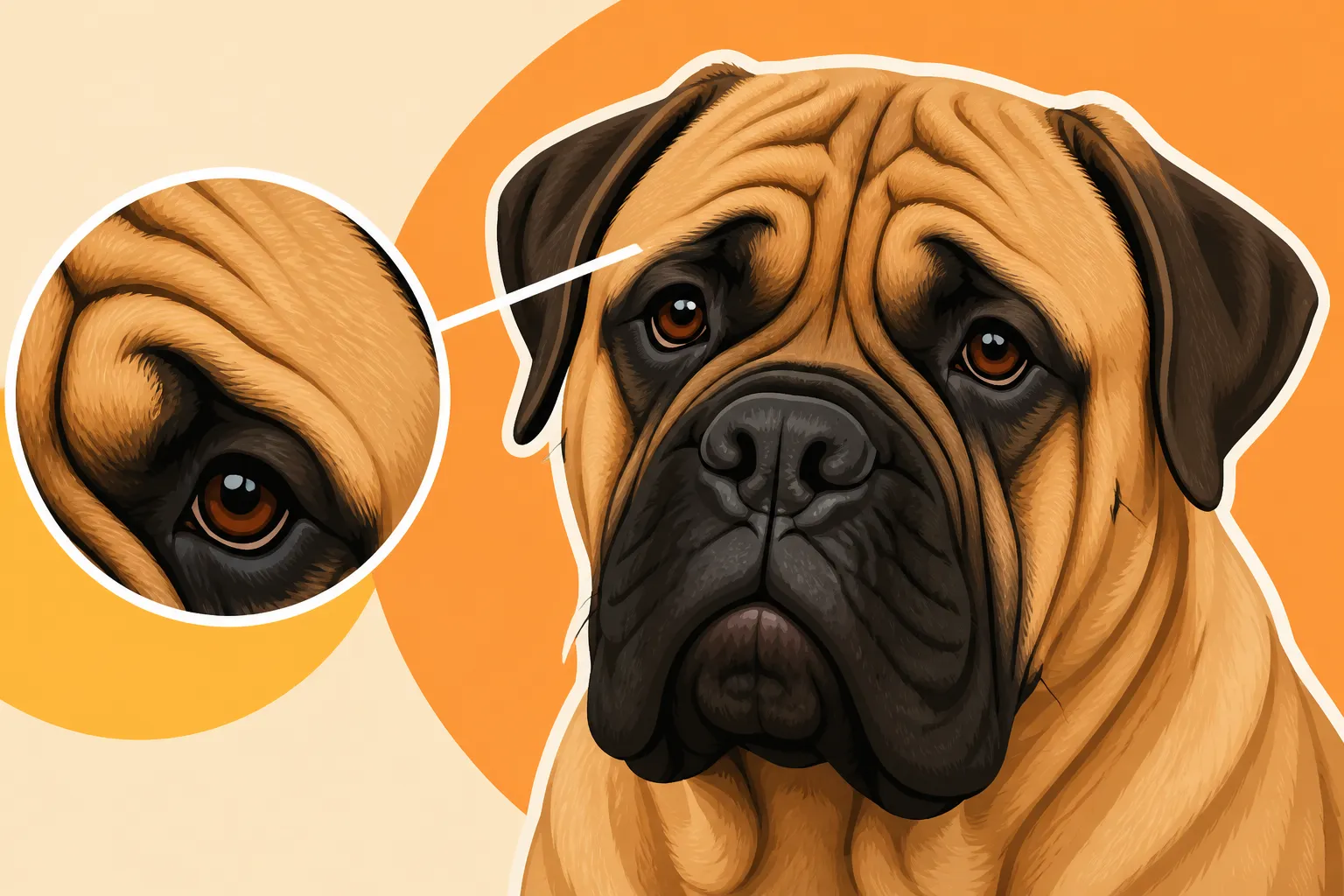
Bullmastiffs possess a distinct head, often described as broad and powerful, with a relatively short, broad muzzle. This structure, a legacy of their Bulldog ancestors, gives them those characteristic wrinkles and folds that we find so endearing. However, these features, while aesthetically pleasing, require specific attention to ensure your dog's well-being. It's not just about looks; it's about understanding the mechanics of their facial skin.
The Purpose of Wrinkles and Folds
While we might love the look, in the wild, wrinkles don't serve much of a "purpose" beyond what breeders have selectively encouraged over generations for aesthetic and breed-specific reasons. For Bullmastiffs, these folds contribute to their imposing appearance and the general "molosser" type. Historically, the loose skin and folds around the head in some mastiff breeds were thought to offer some protection during conflicts, acting as a buffer against bites, though this is less applicable to the Bullmastiff's specific history as a "gamekeeper's night dog" meant to hold, not maul. Today, for our beloved Bullmastiffs, these folds are purely a characteristic trait, one that comes with its own set of care requirements. They are simply part of what makes a Bullmastiff a Bullmastiff, and as owners, we embrace that, along with the extra effort it sometimes entails.
Common Areas Where Folds Occur
When we talk about a Bullmastiff's facial folds, we're primarily looking at a few key areas that tend to gather the most moisture and debris. The most prominent are often above the nose, forming that distinct furrowed brow that gives them such an expressive face. Then there are the jowls, those magnificent pendulous lips that contribute to their characteristic drool. These areas, particularly where skin touches skin or where gravity allows saliva and food particles to accumulate, are prime spots for problems. Don't forget the folds around the eyes or the deeper creases that can sometimes form on the side of the muzzle, extending towards the ears. Each of these spots, no matter how subtle, needs your attention.
Why Some Bullmastiffs Have More Than Others
Just like humans, individual Bullmastiffs vary in their facial structure. Some will have more pronounced wrinkles and deeper folds than others. This is largely due to genetics and the specific lines they come from. A Bullmastiff bred for a more "typey" or "cobby" head, often seen in show lines, might exhibit more extensive wrinkling than one from a slightly less exaggerated lineage. Puppyhood can also play a role; a plump puppy might have more apparent folds that stretch out a bit as they grow into their frame, though the underlying facial structure remains. It's not necessarily a bad thing to have more wrinkles, but it does mean more diligent care and a heightened awareness of potential issues. You learn quickly to assess your own dog's needs, as what works for one wrinkle-faced friend might not be quite enough for another.
The Daily Reality of Bullmastiff Face Care
Let's be frank: owning a Bullmastiff means accepting a certain level of daily maintenance, and their beautiful, wrinkled faces are at the top of that list. It's not a chore to be dreaded, but rather an integral part of responsible ownership, much like feeding them well or ensuring they get enough low-impact exercise. Skipping even a day can quickly turn a minor inconvenience into a full-blown skin issue, and believe me, you want to avoid that.
The Importance of Routine Cleaning
Imagine constantly having food, saliva, and environmental grime trapped against your skin, unable to air out properly. That's essentially what can happen in your Bullmastiff's facial folds. These warm, moist, dark crevices are the perfect breeding ground for bacteria and yeast. Without routine cleaning, these microbes can multiply, leading to skin fold dermatitis, characterized by redness, irritation, itching, and a truly unpleasant odor. It's not just about comfort for your dog; it's about preventing pain and infection. Regular cleaning keeps these areas dry and clean, disrupting the cycle of bacterial and yeast growth. It’s a proactive measure that saves you, and your Bullmastiff, a lot of discomfort and potentially expensive vet visits down the line. It's also a wonderful bonding opportunity, creating a routine of gentle handling and trust.
What to Keep on Hand for Cleaning
Being prepared is half the battle when it comes to Bullmastiff wrinkle care. You don't need a huge arsenal of specialized products, but having the right tools makes the process much smoother. Soft cotton pads or gauze squares are excellent for cleaning, as they are gentle and absorbent. Many owners swear by specific canine-safe medicated wipes designed for skin folds; these often contain ingredients like chlorhexidine or ketoconazole, which are fantastic for preventing bacterial and yeast overgrowth. However, for daily maintenance, a simple solution of diluted baby shampoo or a vet-approved gentle skin cleanser can work wonders. After cleaning, you'll need something to thoroughly dry the folds – more clean cotton pads, soft facial tissues, or even a soft, clean washcloth. Sometimes, for very deep folds, a little cornstarch or medicated powder (again, vet-approved) can help keep things extra dry, but this should be used sparingly and carefully. You can find many of these items readily available on online pet supply retailers like Chewy or Amazon, making it easy to replenish your stock. Don't forget treats! Positive reinforcement makes the whole experience much more pleasant for your Bullmastiff.
Establishing a Cleaning Schedule
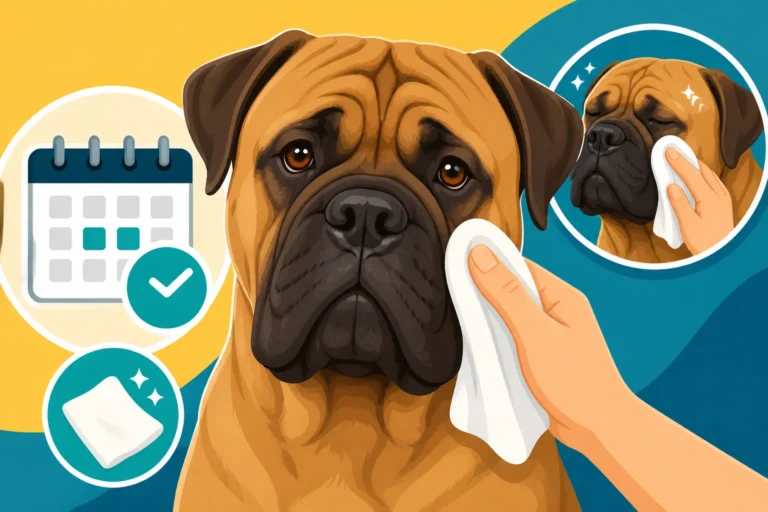
Consistency is king. For many Bullmastiffs, a quick daily wipe-down of their facial folds is sufficient. This is especially true after meals or if they've had a particularly drooly play session. However, some Bullmastiffs with deeper, more numerous folds, or those prone to skin issues, might benefit from twice-daily cleaning. Observing your dog is key: if you notice any redness, a funky smell, or excessive moisture accumulating faster, you might need to increase the frequency.
Think of it this way: your Bullmastiff just had a hearty breakfast of kibble and maybe some raw egg. Bits of food, mingled with saliva, are now nestled deep in those jowls. Waiting until bedtime to clean that up gives bacteria hours to party. A quick wipe right after eating is often the best approach. If your dog spends a lot of time outside in damp weather, an extra check-in is also a good idea. The goal is to prevent the environment inside the fold from ever becoming a haven for infection. How Often a Bullmastiff's Face Should Be Wiped really depends on the individual dog and your vigilance.
Step-by-Step Guide to Cleaning Bullmastiff Wrinkles
Alright, let's get down to the nitty-gritty. Cleaning your Bullmastiff's wrinkles might seem intimidating at first, especially with their imposing size, but with a gentle approach and the right technique, it becomes a simple, manageable part of your routine. Remember, patience and positive reinforcement are your best friends here.
Gathering Your Supplies
Before you even call your Bullmastiff over, have everything laid out and within easy reach. This prevents you from fumbling around or having to leave your dog unattended mid-clean. You'll want:
- Soft cleaning solution: This could be a specialized vet-approved medicated wipe (many owners swear by certain brands for their effectiveness against yeast and bacteria), or simply a diluted solution of gentle dog shampoo or even a mild, unscented baby wipe for very sensitive skin. Always ensure whatever you use is safe if ingested, as some residue will inevitably remain.
- Cotton pads or soft gauze: These are ideal for applying your cleaning solution and getting into those tight crevices without being too abrasive. Avoid rough washcloths that could irritate delicate skin.
- Dry cotton pads, soft tissues, or a clean, soft cloth: This is crucial for the drying step. Have plenty on hand.
- Treats: High-value treats are a must. They turn this potentially annoying experience into a positive one for your dog.
- Good lighting: You need to see what you're doing! Natural light is best, but a well-lit room is fine.
Having these items ready minimizes stress for both you and your Bullmastiff. If your dog is anxious, consider having a second person there to offer reassurance and distractions.
The Gentle Cleaning Technique
Now for the actual cleaning. Start by gently lifting and separating the folds, exposing the skin underneath. Use a cotton pad or gauze square dampened with your chosen cleaning solution. Wipe firmly but gently, moving from the inside of the fold outwards. Your goal is to remove all visible debris, moisture, and any reddish-brown discharge that might indicate yeast. Don't be afraid to get in there, but never scrub aggressively. You're cleaning delicate skin, not scrubbing a dirty floor.
Pay close attention to the deepest parts of the folds, as this is where moisture often settles. Work systematically around the entire muzzle, under the eyes, and along the jowls. If you encounter any crusty bits, dampen them gently and allow them to soften before trying to wipe them away to avoid causing pain or irritation. Replace soiled cotton pads as needed. If your Bullmastiff tends to be sensitive or has existing irritation, What to Clean a Bullmastiff's Wrinkles With might require specific vet-prescribed solutions, so always consult them first. Remember, the key is thoroughness without force. Your Bullmastiff needs to associate this with a calm, positive experience, not a wrestling match.
The Crucial Drying Step
This step is often overlooked, but it's arguably the most important. After cleaning, the skin within the folds must be completely dry. Any lingering moisture will immediately create that warm, damp environment that bacteria and yeast absolutely adore. Use fresh, dry cotton pads or soft tissues to blot away all moisture. Gently lift each fold and pat the skin until it feels dry to the touch. You might need to use several pads, especially if your Bullmastiff is particularly drooly or has very deep wrinkles.
For exceptionally deep folds, some owners even use a cool setting on a hairdryer, held at a safe distance, for a few seconds to ensure thorough drying – but only if your dog tolerates it without fear. Alternatively, a small amount of cornstarch (unscented, pure cornstarch, not talcum powder) can be lightly dusted into dry folds to absorb any residual moisture and help prevent friction, but always check with your vet before using any powders, especially if there's any broken skin. The goal is a clean, dry valley between the skin mountains. This meticulous drying process is what truly prevents the foul odors and painful infections that can arise from damp folds.
Recognizing and Preventing Common Skin Issues
Despite your best efforts, sometimes issues can still arise in those sensitive facial folds. Knowing what to look for and how to respond can make all the difference in catching problems early and preventing them from escalating into serious health concerns for your Bullmastiff.
Signs of Skin Fold Dermatitis and Infection
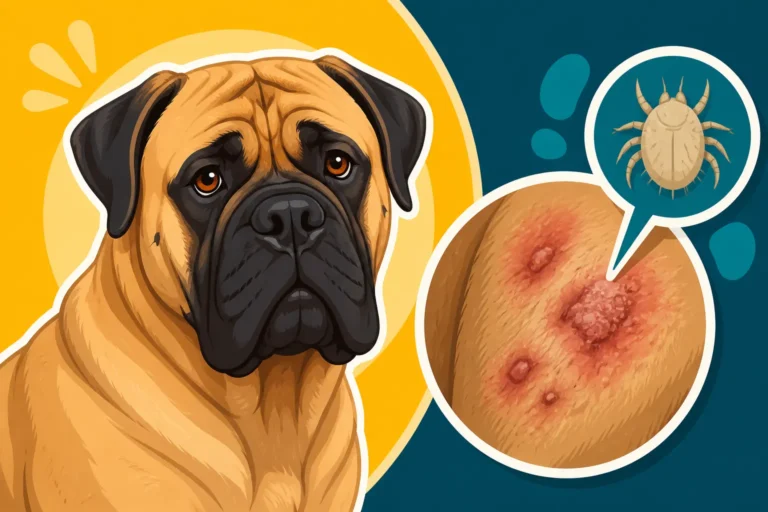
Skin fold dermatitis, also known as intertrigo, is the most common issue we see in Bullmastiffs. It's essentially an inflammation of the skin caused by friction, moisture, and microbial overgrowth within the folds. The signs are pretty tell-tale once you know what to look for. You might notice redness and inflammation deep within the creases, often accompanied by a distinct, unpleasant odor – often described as cheesy or yeasty. Your Bullmastiff might start rubbing their face more, scratching at the area, or becoming sensitive when you try to touch their muzzle. The skin itself can appear raw, moist, or even ulcerated in severe cases. Sometimes, you'll see a dark, reddish-brown discharge or crusting. If you notice Signs a Bullmastiff's Fold Is Infected, it's time to step up your care routine and potentially involve your veterinarian.
Fungal and Bacterial Infections
Those warm, moist folds are prime real estate for both bacteria and yeast (a type of fungus). Bacterial infections, often caused by staphylococcus, typically present with red, inflamed skin, pustules, and sometimes a thick, yellowish discharge. The skin might feel hot to the touch. Yeast infections, primarily caused by Malassezia pachydermatis, often result in a greasy, reddish-brown discoloration of the skin, a distinct yeasty smell, and intense itching. Chronic yeast infections can lead to thickened, leathery, and darkened skin over time. It's not uncommon for a Bullmastiff to have a combination of both bacterial and yeast infections, making treatment a bit more complex. Left untreated, these can become deeply uncomfortable for your dog, causing them constant irritation and pain.
Allergies and Irritations
Sometimes, it's not just about moisture and microbes. Bullmastiffs, like many breeds, can suffer from allergies that manifest as skin issues, including in their facial folds. Environmental allergens (pollen, dust mites, mold) or food sensitivities can cause generalized itching and inflammation, which then exacerbates issues in the already sensitive folds. You might notice your Bullmastiff licking their paws, rubbing their face on furniture, or showing other signs of itchiness alongside the fold irritation.
Certain topical irritants, such as harsh cleaning products, perfumes, or even residue from certain foods, can also cause contact dermatitis in the delicate skin of the folds. Always use gentle, canine-specific products. If you suspect allergies, a vet visit is essential to determine the underlying cause and develop a management plan. Sometimes, a change in diet, perhaps trying a limited ingredient formula or even fresh food options like those offered by Ollie, can help manage food sensitivities that contribute to skin irritation, but always discuss this with your vet first. Prevention is much easier than treating an established infection, so diligent cleaning and observation are your best defense.
When to Seek Veterinary Advice
While regular home care is fantastic for prevention, there are definitely times when you need to bring in the pros. Ignoring persistent or worsening symptoms can lead to more serious problems and prolonged discomfort for your Bullmastiff. Don't hesitate to reach out to your veterinarian if you're concerned.
Persistent Redness, Swelling, or Odor
You've been diligently cleaning, but the redness in your Bullmastiff's folds isn't going away, it's getting worse, or it just won't clear up. Or perhaps you're noticing swelling, which could indicate a deeper infection or inflammation. And that smell! If the foul, yeasty, or rancid odor persists or intensifies despite your cleaning efforts, it's a clear signal that the infection has taken hold and needs medical intervention. Home remedies and over-the-counter wipes are usually not enough to combat established bacterial or fungal infections. Your vet can accurately diagnose the specific type of infection (bacterial, yeast, or both) and prescribe targeted medications, such as medicated shampoos, topical creams, or oral antibiotics/antifungals, to get things back under control. They can also explore if underlying allergies are contributing to the persistent irritation.
Discharge and Pain
Any abnormal discharge beyond a bit of clear moisture is a red flag. If you see pus (thick, yellowish-green discharge), blood, or a very dark, waxy buildup that seems resistant to cleaning, it's time for a vet visit. These are strong indicators of a more severe infection that likely requires prescription medication. Additionally, if your Bullmastiff shows signs of pain – flinching when you touch their face, guarding their muzzle, or becoming lethargic or withdrawn – this is a serious concern. Pain means the inflammation is significant and likely impacting their quality of life. It’s not fair to let them suffer when relief is often readily available through proper veterinary care. Don't be surprised if your vet wants to perform a swab or skin scraping to properly identify the offending organisms.
Long-Term Management and Advanced Treatments
For Bullmastiffs with recurrent or severe skin fold issues, your vet might suggest a more advanced long-term management plan. This could involve stronger prescription wipes or creams, specialized shampoos, or even exploring dietary changes if allergies are suspected. In very rare, extreme cases where medical management repeatedly fails, and the folds are causing chronic, severe pain and infection, surgical intervention (called a cheiloplasty or fold resection) might be considered to remove the problematic skin folds. This is a last resort, but it can be life-changing for dogs suffering from intractable intertrigo. However, for the vast majority of Bullmastiffs, consistent cleaning and prompt veterinary attention for infections keep their adorable wrinkles healthy and trouble-free. It's a commitment, but one that ensures your gentle giant remains comfortable and happy. Remember, if you ever have doubts about your Bullmastiff's health, a call to your vet is always the best first step.
Beyond the Face: Other Wrinkly Areas to Watch
While the face is often the most prominent area for folds, your Bullmastiff's unique body structure can have other spots that require similar attention. It's important to develop a habit of checking these less obvious areas during your regular grooming or petting sessions.
Neck Folds and Chest Wrinkles
Depending on their build, some Bullmastiffs develop noticeable folds around their neck and chest. These can be particularly common in dogs that carry a bit more weight or have extra skin, which is not uncommon for the breed. Just like facial folds, these areas can trap moisture, sweat, and debris, especially if your Bullmastiff is active, enjoys rolling in the grass, or has a tendency to lean against things. You might notice these folds are more pronounced when they're lying down or in certain positions. Regular checks of these areas are crucial. During bath time or a thorough grooming session, gently lift these folds and inspect the skin underneath for any redness, irritation, or unpleasant odor. A quick wipe with a damp cloth and thorough drying can prevent issues from starting. Keeping a Bullmastiff Lean Is the Best Thing You Can Do can often help minimize the prominence of these body folds and thus reduce the risk of irritation.
Tail Pockets and Other Hidden Spots
While not all Bullmastiffs have a "tail pocket" in the way some Bulldog breeds do, some can have a deep crease at the base of their tail where it meets the body, especially if they have a slightly corkscrewed or very thick tail base. This area is notoriously difficult for dogs to clean themselves and can become a hidden reservoir for dirt and bacteria. Similarly, watch for folds in the armpits or groin area, particularly in larger or heavier dogs, where skin-on-skin friction is common. Even dewclaws, if present, can sometimes create a small, tight fold of skin that can trap dirt. During your regular check-ups, gently lift the tail, inspect the armpits, and feel around for any hidden creases that might need attention. These areas are just as susceptible to the warm, moist environment that fosters bacterial and yeast growth. What a Bullmastiff's Coat Should Feel Like is generally short and dense, which means issues in hidden folds won't be immediately visible through the fur, requiring you to be proactive with your physical checks.
General Skin Health Tips for Bullmastiffs
Beyond specific fold care, overall skin health is vital for your Bullmastiff. A balanced diet plays a significant role; look for high-quality dog foods that support skin and coat health, often rich in omega fatty acids. Some owners find that supplementing with fish oil can help maintain skin integrity and reduce inflammation. Regular bathing with a gentle, moisturizing dog shampoo is important, especially if your Bullmastiff has skin allergies, but avoid over-bathing which can strip natural oils. Ensure they are thoroughly dried after baths to prevent moisture-related problems.
Routine veterinary check-ups are also crucial, as your vet can spot early signs of skin issues you might miss, or address underlying conditions like Hypothyroidism in a Bullmastiff, which can manifest with poor coat and skin quality. Consistent flea and tick prevention is also non-negotiable, as parasites can cause intense itching and lead to secondary skin infections. Your Bullmastiff's skin is their largest organ, and maintaining its health requires a holistic approach, from diligent cleaning of the obvious folds to ensuring their overall well-being. By being proactive and observant, you can help your Bullmastiff lead a comfortable and healthy life, free from the irritations that their unique physiology can sometimes present.
Bullmastiff Facial Fold Care: At a Glance
Here's a quick overview of essential Bullmastiff facial fold care, common issues, and when to seek professional help.
| Category | Description | Key Actions | When to Consult a Vet |
|---|---|---|---|
| Daily Maintenance | Regular cleaning to prevent moisture and debris buildup. | Gently wipe folds with a damp cloth or pet-safe wipe (e.g., from Chewy or Amazon) after meals and as needed. Thoroughly dry all folds. | If redness or odor persists despite daily care. |
| Common Issues | Skin fold dermatitis, bacterial infections, yeast infections, allergies. | Observe for redness, odor, discharge, itching, or pain. Use vet-approved wipes or solutions. | Any persistent redness, swelling, foul odor, discharge (pus, blood), or signs of pain. |
| Prevention | Keeping folds clean and dry, managing overall health. | Daily checks, proper drying, high-quality diet (consider options like Ollie for sensitive stomachs), flea/tick control. Keep your Bullmastiff lean. | If you suspect allergies or if infections are recurrent. |
| Serious Signs | Raw skin, ulcerations, pustules, severe itching, lethargy, reluctance to be touched on the face. | Immediately increase cleaning frequency, apply vet-prescribed topical treatments, administer oral medications as directed. | Any of these signs warrant an immediate veterinary visit for diagnosis and treatment. |
Disclaimer
This article is for general informational purposes only and does not constitute professional advice. Laws, prices and regulations vary by location and change over time. Consult a qualified professional for guidance on your specific situation.