What an Adult Bullmastiff Should Weigh
It’s a common predicament for Bullmastiff owners: you look at your magnificent, heavy-boned companion and wonder, "Is this the right size? Are they truly at a healthy weight, or are we flirting with too many pounds?" Given their sheer mass and often misleadingly soft appearance, it can be incredibly challenging to know what an adult Bullmastiff should truly weigh for optimal health and longevity. This guide aims to clear up that confusion, moving beyond just a number on a scale to help you understand what a truly healthy body condition looks like for your Bullmastiff.
Understanding the Bullmastiff Standard Weight Range
When you first dive into the world of Bullmastiffs, you'll quickly encounter the breed standard. These standards are essentially the blueprint for what an ideal Bullmastiff should look like, and they definitely include guidelines for weight and height. But here’s the thing: these are guidelines, not absolute decrees, and they represent a range that allows for the natural variation within the breed.
Official Breed Standards for Males and Females
For Bullmastiffs, the generally accepted breed standards typically outline a weight range that distinguishes between males and females, reflecting the breed's natural dimorphism where males are usually larger and heavier.
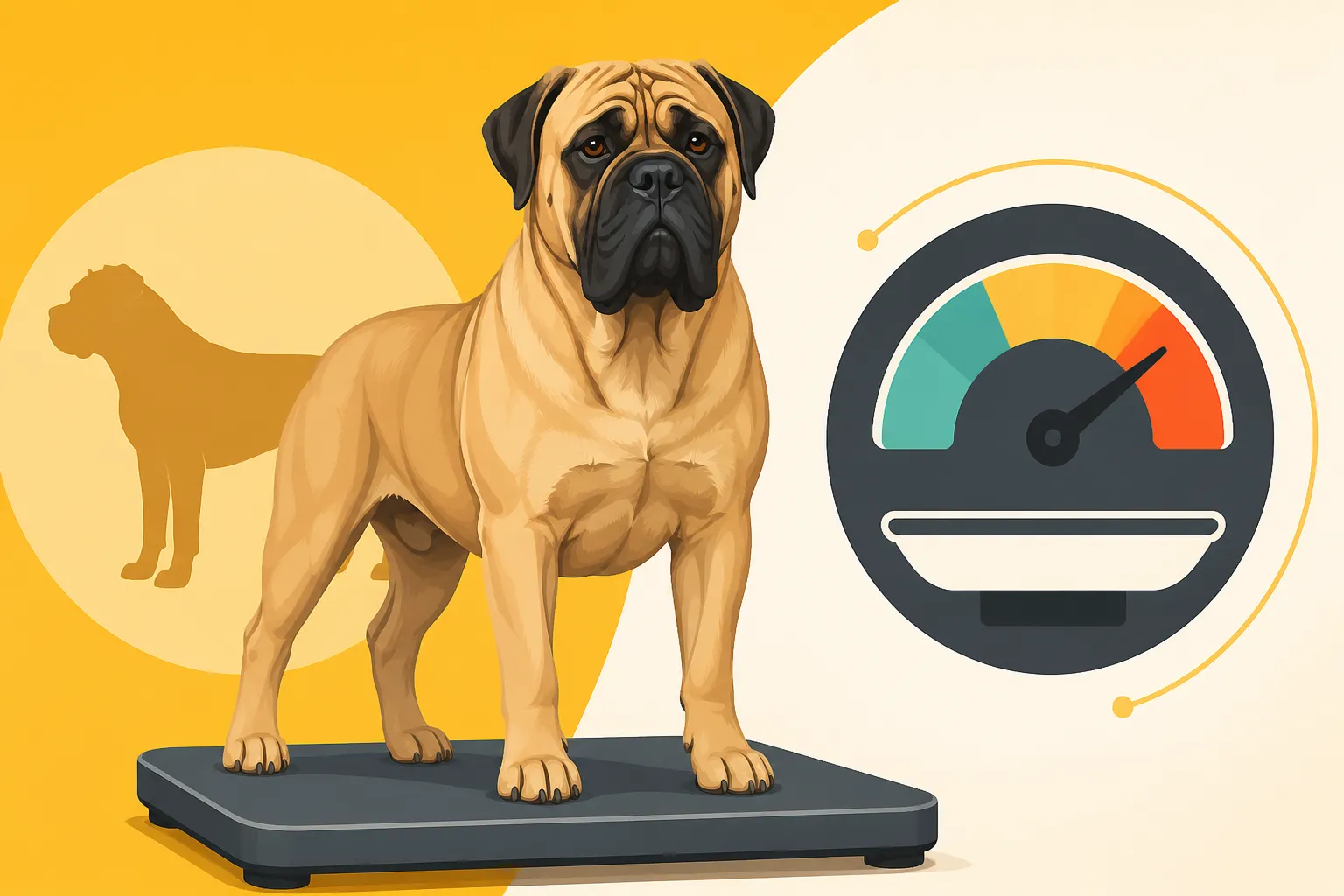
- Males: A mature male Bullmastiff usually falls into a weight range of around 110 to 130 pounds (approximately 50-59 kg). They also stand a bit taller, typically between 25 and 27 inches (63.5-68.5 cm) at the shoulder. These dogs are powerful and substantial, with a broad chest and a confident, imposing presence. The ideal is for this weight to be distributed over a muscular, well-boned frame, not carried as excess fat.
- Females: Female Bullmastiffs are typically a little lighter and shorter than their male counterparts. Their weight usually ranges from about 100 to 120 pounds (approximately 45-54 kg), and they stand between 24 and 26 inches (61-66 cm) at the shoulder. While still very substantial and powerful, females should appear distinctly feminine, without the same level of bulk as the males.
It's crucial to remember that these numbers represent a healthy, fit Bullmastiff within the standard. A dog at the higher end of the weight scale should still be lean and well-conditioned, not carrying extra fat that would indicate obesity. Similarly, a dog at the lower end should not look too slight or underweight. The standard is a target for breed type, but true health lies in the condition of that weight.
Why the Numbers Are Just a Guideline
While the breed standard gives us a useful starting point, it's vital to view these weight ranges as just that—guidelines. You could have two Bullmastiffs, both weighing 120 pounds, but one could be perfectly lean and muscular, while the other could be carrying significant excess fat, simply due to differences in bone structure and body composition.
Think of it like this: some Bullmastiffs naturally have a heavier bone structure, a broader chest, and more muscle mass. These dogs might comfortably sit at the higher end of the weight range and still be in fantastic condition. Their weight is primarily muscle and bone, which are dense and healthy. On the other hand, a Bullmastiff with a slightly finer bone structure, or one that isn't as heavily muscled, might be overweight even if they fall within the middle of the standard weight range. Their 120 pounds might consist of more fat and less muscle.
Individual differences, just like in people, mean that a single weight number doesn't tell the whole story. What truly matters is how that weight is distributed and what your dog’s body condition score tells you. A responsible owner understands that an arbitrary number on a scale isn't the sole indicator of health; rather, it’s a tool to be used in conjunction with a visual and tactile assessment of their dog’s physique.
The Dangers of Being Overweight
It's tempting to think that a little extra padding makes our big, lovable Bullmastiffs even more cuddly, but for a breed already prone to certain health challenges, those extra pounds can be incredibly detrimental. The truth is, carrying too much weight significantly escalates the risk of serious health issues and can drastically shorten their time with you. This isn't about vanity; it's about giving them the best, healthiest life possible.
Impact on Joints and Mobility
One of the most immediate and visible impacts of excess weight on a Bullmastiff is the strain it puts on their skeletal system, particularly their joints. Bullmastiffs are a large, heavy breed, and even at their ideal weight, their joints endure considerable stress. Conditions like hip and elbow dysplasia, which are already concerns in the breed, can be severely exacerbated by extra pounds.
Imagine carrying a backpack filled with bricks every single day, all day long. That's essentially what an overweight Bullmastiff is doing. Their hips, elbows, knees, and spine bear the brunt of this constant, unnatural load. This additional pressure can accelerate the breakdown of cartilage, leading to pain, inflammation, and the early onset or worsening of debilitating arthritis. A dog struggling with sore joints is less likely to want to move, creating a vicious cycle where decreased activity leads to more weight gain, which in turn causes more joint pain. This can lead to a significant reduction in their quality of life, making simple actions like rising from a nap, climbing stairs, or even enjoying a short walk a painful ordeal. Why an Aging Bullmastiff Struggles to Rise It’s a sad reality that extra weight can transform a majestic, active dog into a stiff, uncomfortable one far sooner than necessary.
Increased Risk of Other Health Issues
Beyond joint problems, the health implications of an overweight Bullmastiff stretch far and wide, affecting almost every system in their body. Obesity is a systemic issue, creating a pro-inflammatory state within the body that paves the way for a host of other serious ailments.
- Cardiovascular Health: Just like in humans, extra body fat can lead to increased blood pressure and strain on the heart. The heart has to work harder to pump blood to a larger body mass, which can contribute to heart disease down the line.
- Diabetes: Fat cells can interfere with the body's ability to use insulin effectively, increasing the risk of insulin resistance and Type 2 diabetes. This is a condition that requires lifelong management, including diet changes, medication, and sometimes insulin injections.
- Heat Intolerance: Bullmastiffs already struggle in warm weather due to their short muzzle and heavy build. Why a Bullmastiff Overheats So Easily Carrying extra insulation in the form of fat makes them even more susceptible to overheating and potentially life-threatening heatstroke. Their bodies simply aren't as efficient at cooling down when they have an extra layer of fat.
- Reduced Lifespan: Perhaps the most sobering reality is that overweight dogs, across all breeds, tend to live shorter lives. Studies consistently show a correlation between maintaining a lean body condition and an extended lifespan. Every extra pound shaves precious months, or even years, off their life. This is a particularly poignant concern for Bullmastiff owners, as the breed already has a relatively short lifespan. How Many Years an Overweight Bullmastiff Loses The desire to keep them with us for as long as possible is a powerful motivator to maintain their ideal weight.
- Other Risks: Overweight dogs can also experience compromised immune function, increased risk during anesthesia for surgeries, certain types of cancer, and even skin problems due to folds of fat.
It’s clear that seeing your Bullmastiff carry a few extra pounds isn't just a minor aesthetic issue; it's a profound health concern that warrants immediate attention and a dedicated plan for weight management.
The Importance of a Lean Body Condition
When we talk about a Bullmastiff's ideal weight, we're not just looking for a number on the scale. We're aiming for a lean, athletic body condition that supports their powerful build and ensures their long-term health. A Bullmastiff should be formidable, yes, but also agile and well-proportioned, not a fluffy, shapeless mass. Achieving and maintaining this lean state is one of the most proactive things you can do for your beloved giant.
What "Lean" Actually Looks Like on a Bullmastiff
Visual and tactile assessment is key to understanding if your Bullmastiff is truly lean and healthy. Forget the number on the scale for a moment and focus on what your hands and eyes tell you. A lean Bullmastiff isn't skinny or emaciated; they are well-muscled with a distinct athletic appearance.
Here's what to look for:
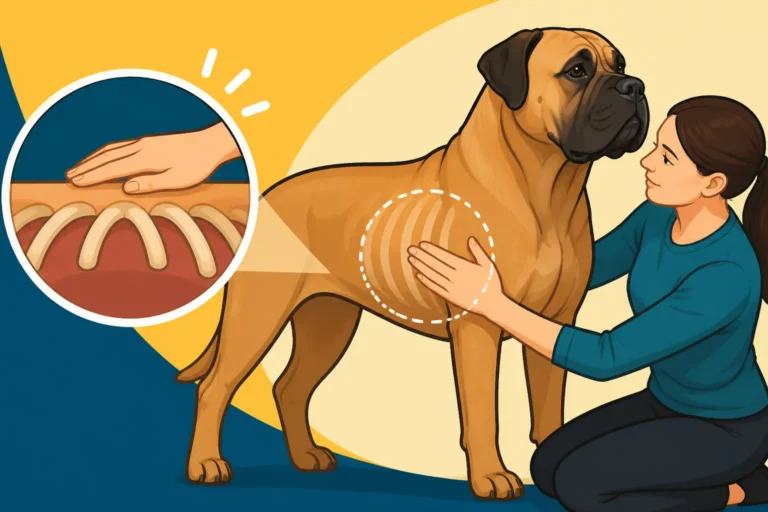
- Ribs: You should be able to easily feel your Bullmastiff's ribs with minimal fat covering them, similar to feeling the back of your hand. You shouldn't necessarily see them protruding, but they should be distinct under your fingertips without having to press hard. If you have to dig to find them, your dog is likely overweight. Conversely, if the ribs are clearly visible without palpation, they might be underweight. How to Feel a Bullmastiff's Ribs
- Waist: When you look down at your Bullmastiff from above, you should see a discernible waistline behind their ribs, before their hips. It might not be as dramatic as in a sighthound, but there should definitely be an inward curve. If your dog looks like a straight line from their shoulders to their tail, or even bulges out, they are carrying too much weight.
- Abdominal Tuck: From the side, a lean Bullmastiff should have an "abdominal tuck" where their belly slopes upward from their ribcage to their hind legs. Again, this won't be as extreme as in a very high-waisted breed, but their tummy shouldn't hang down or appear completely flat. A sagging or rounded abdomen is a tell-tale sign of excess fat.
- Muscle Definition: You should be able to see and feel good muscle mass, especially over their hindquarters and shoulders. These areas should feel firm, not squishy or soft. A Bullmastiff is a working dog, and that power should be evident in their musculature.
It takes a little practice to learn what a healthy lean Bullmastiff feels like, especially since their thick skin and short coat can sometimes hide a multitude of sins. Don't be afraid to get your hands on your dog regularly, feeling along their sides and back, to monitor their condition.
Why Lean is Healthier for This Breed
For Bullmastiffs, being lean isn't just about looking good; it's absolutely fundamental to their health, comfort, and longevity. Given their predispositions, keeping them trim is perhaps the single best preventative measure an owner can take.
- Joint Health Preservation: As discussed, Bullmastiffs are susceptible to orthopedic issues like hip and elbow dysplasia. Maintaining a lean body condition drastically reduces the stress on these crucial joints. Less weight means less wear and tear, which can delay the onset of arthritis, mitigate the severity of existing conditions, and improve their overall mobility and comfort throughout their lives. This can mean the difference between an aging Bullmastiff who can still enjoy a gentle stroll and one who struggles with every step.
- Enhanced Cardiovascular Function: A lean Bullmastiff has a more efficient cardiovascular system. Their heart doesn't have to work overtime to pump blood through an excessive amount of fatty tissue. This reduces the risk of high blood pressure and other heart-related complications, supporting a strong, healthy heart for years to come.
- Improved Heat Tolerance: With their brachycephalic tendencies (even if less pronounced than some breeds) and heavy build, Bullmastiffs are naturally sensitive to heat. Without an extra layer of insulating fat, their bodies are much better equipped to regulate temperature, reducing their risk of overheating during walks or on warm days.
- Greater Energy and Stamina: A lean Bullmastiff is typically a more active and energetic Bullmastiff. They have more stamina for their moderate exercise needs, enjoy play more, and generally have a better quality of life. They can move more freely, jump more easily (though jumping should be limited for joint protection), and engage more fully with their environment and family.
- Reduced Risk of Systemic Diseases: Beyond the obvious, leanness contributes to better overall systemic health. It helps regulate metabolism, reducing the risk of conditions like diabetes. It can also decrease the likelihood of certain cancers, which is a significant concern given that Lymphoma Kills More Bullmastiffs Than Anything Else. Simply put, a lean body is a healthier body, better equipped to fight off illness and recover from injury.
Making a conscious effort to keep your Bullmastiff lean is a profound act of care. It’s an ongoing commitment that pays dividends in their health, happiness, and the precious time you get to spend together.
How to Assess Your Bullmastiff's Body Condition
Knowing what "lean" looks like is one thing, but consistently and objectively assessing your own Bullmastiff can be tricky. It's easy to get accustomed to their current shape, or to interpret their general robustness as health, when perhaps it's a bit more than that. Thankfully, there are tools and professional guidance to help you make an accurate assessment.
The Body Condition Score (BCS) System
The Body Condition Score (BCS) is a universally recognized, objective tool that veterinarians use to assess a pet's fat reserves. It's much more useful than a simple weight measurement because it takes into account your Bullmastiff's individual build. Most commonly, a 1-5 scale or a 1-9 scale is used, with the middle score (3/5 or 4-5/9) representing the ideal body condition.
Here's a breakdown of what each end of the scale looks like for a Bullmastiff:
- 1/5 or 1-3/9 (Underweight/Emaciated):
- Visual: Ribs, spine, pelvic bones, and other bony prominences are clearly visible from a distance. There's no fat visible.
- Palpation: Bones are extremely prominent with no fat or muscle covering them. The waist and abdominal tuck are highly exaggerated. This is an unhealthy state, and a vet visit is urgently needed.
- 2/5 or 4/9 (Thin):
- Visual: Ribs are easily seen, and other bony prominences might be visible. Waist is very obvious, and abdominal tuck is distinct.
- Palpation: Ribs are easily felt with minimal fat. Muscle mass might be slightly reduced.
- 3/5 or 5/9 (Ideal/Lean): This is the sweet spot for a Bullmastiff.
- Visual: Ribs are not easily seen but are easily felt with slight fat covering. You should see a well-defined waist when viewed from above, and a discernible abdominal tuck from the side. Muscle mass is excellent.
- Palpation: Ribs are easily palpable without excess fat, feeling similar to your knuckles when you make a fist. The dog's body feels firm and muscular.
- 4/5 or 6-7/9 (Overweight): This is where many Bullmastiffs unknowingly fall.
- Visual: Waist is barely discernible or absent. Abdominal tuck is minimal or absent. Broadening of the back.
- Palpation: Ribs are difficult to feel due to a moderate fat covering. There's visible fat deposition over the loin and tail base.
- 5/5 or 8-9/9 (Obese):
- Visual: No waist or abdominal tuck. The abdomen may appear distended. Pronounced fat deposits over the chest, spine, and tail base.
- Palpation: Ribs are very difficult or impossible to feel under a thick layer of fat. Significant fat deposits are evident everywhere.
Using the BCS system consistently, perhaps once a month, can help you track your Bullmastiff's condition and make necessary adjustments to their diet and exercise before problems become severe.
Regular Vet Checks and Professional Advice
While you can certainly learn to assess your Bullmastiff's body condition at home, there's no substitute for regular veterinary checks. Your vet is trained to accurately assess BCS and identify any underlying health issues that might be contributing to weight gain or loss. They also have the benefit of seeing many different dogs and knowing what a healthy Bullmastiff should look and feel like.
During your Bullmastiff's annual wellness exams—and more frequently if you have concerns—your vet will:
- Perform a thorough physical examination: This includes palpating their ribs, spine, and hips to assess fat coverage and muscle mass.
- Take accurate weight measurements: While a single weight isn't everything, tracking it over time provides valuable data points.
- Discuss diet and exercise: Your vet can offer tailored advice on food types, portion sizes How Much an Adult Bullmastiff Eats, and appropriate exercise for your individual Bullmastiff's age, activity level, and health status. They can help you calculate a caloric intake that supports a healthy weight.
- Rule out medical conditions: Sometimes, unexpected weight gain can be a symptom of an underlying medical condition, such as hypothyroidism. Your vet can run diagnostic tests, like a thyroid panel, to ensure there isn't a medical reason for weight fluctuations. Signs a Bullmastiff's Thyroid Is Low
- Set realistic goals: If your Bullmastiff is overweight, your vet can help you create a safe, effective weight loss plan, including gradual dietary changes and a carefully calibrated exercise regimen. Rapid weight loss can be dangerous, so a steady approach is always best.
Don't hesitate to bring up any concerns you have about your Bullmastiff's weight or body condition with your vet. They are your best partner in ensuring your big dog stays healthy and happy for as long as possible.
Factors Influencing a Bullmastiff's Ideal Weight
Determining the "ideal" weight for any individual Bullmastiff isn't a one-size-fits-all equation. Many factors come into play, from their stage of life to their daily activities and even their genetic blueprint. Understanding these influences helps you fine-tune your approach to their care and nutrition.
Age and Activity Level
A Bullmastiff's weight and nutritional needs evolve significantly throughout their life, directly correlating with their age and how active they are.
- Puppyhood (Up to 18-24 months): Bullmastiff puppies grow at an astounding rate, but controlled, slow growth is crucial for proper joint development. Why a Bullmastiff Puppy Should Not Grow Fast They need appropriate large breed puppy food, but overfeeding can lead to rapid growth, increasing their risk of orthopedic problems like hip and elbow dysplasia. During this phase, they are typically quite active, but their exercise should be carefully managed to avoid stress on developing joints. Their weight will steadily increase, but the focus should be on lean growth, not chub.
- Adulthood (2-6 years): This is typically when a Bullmastiff reaches its mature weight and maintains peak physical condition. Activity levels may vary from a moderately active household companion to a more sedate "couch potato," and their diet needs to be adjusted accordingly. An adult Bullmastiff who enjoys regular walks and play sessions will naturally require more calories than one who spends most of their day lounging. It’s during these years that maintaining that lean body condition is paramount to setting the stage for healthy senior years. Many owners find their Bullmastiffs are naturally less active than they look, needing less exercise than often assumed. How Far a Bullmastiff Should Walk Daily
- Senior Years (6+ years): As Bullmastiffs age, their metabolism often slows down, and their activity levels naturally decrease due to conditions like arthritis or general slowing down. The Age a Bullmastiff Is Considered Senior It becomes easier for them to gain weight, and harder to lose it. Their diet may need to be adjusted to a lower-calorie, senior-specific formula, and joint supplements often become a necessity. Caring for an Aging Bullmastiff Maintaining muscle mass through gentle, consistent exercise is important, but preventing weight gain is even more critical for their comfort and mobility. Why an Aging Bullmastiff Struggles to Rise
It's a continuous balance, and what works at two years old won't necessarily work at eight. Regular reassessment of diet and exercise based on age and activity is non-negotiable for a Bullmastiff's health.
Diet and Nutrition
The food your Bullmastiff eats and how much of it they consume are arguably the biggest levers you have in managing their weight. It’s not just about filling their bowl; it’s about providing high-quality fuel in the right quantity.
- Quality of Food: Not all dog foods are created equal. High-quality dog food, often available through specialty pet stores or online retailers like Chewy or Amazon, provides balanced nutrition with digestible proteins, appropriate fats, and essential vitamins and minerals without unnecessary fillers. Foods with higher quality ingredients often mean your Bullmastiff feels more satisfied with less volume, and their body can utilize the nutrients more efficiently. Consider brands that focus on large-breed specific formulas, which are often formulated with joint health in mind.
- Portion Control: This is where many owners unintentionally go wrong. Even premium food can lead to weight gain if overfed. Always follow the guidelines on the food packaging, but remember these are starting points. Your dog’s individual metabolism, activity level, and current body condition should dictate the final portion size. Measuring food accurately with a kitchen scale or a standard measuring cup (not just guessing) is vital. If your dog is gaining weight, slightly reduce their portions; if they's losing, slightly increase.
- Treats and Table Scraps: These seemingly small indulgences can add up quickly. A single piece of cheese or a bite of your dinner might be a tiny portion for you, but for a dog, especially a Bullmastiff, it can be a significant caloric addition. Opt for low-calorie, healthy treats (like baby carrots or apple slices) in moderation, and always factor them into their daily caloric intake. Some owners even use portions of their dog's daily kibble as training treats.
- Specific Diets: Some Bullmastiff owners explore fresh food diets, like those offered by services like Ollie, which can provide highly digestible and palatable nutrition. Whatever the feeding method, consistency and careful monitoring are key.
It is absolutely crucial to Keeping a Bullmastiff Lean Is the Best Thing You Can Do, and that starts with careful attention to what and how much they eat.
Genetics and Individual Build
Just like people, Bullmastiffs come with their own unique genetic predispositions and individual builds. While the breed standard provides a general framework, two Bullmastiffs from the same litter can still have slightly different frames and metabolisms.
- Bone Structure: Some Bullmastiffs naturally have heavier bone and a more substantial build, meaning they might weigh more while still being perfectly lean. Others might have a lighter, more agile frame. This isn't necessarily a fault, but it means their "ideal" weight within the standard range will differ. A dog with heavier bone might comfortably sit at 125 pounds with a lean BCS, while a lighter-boned dog at 125 pounds might be overweight.
- Metabolism: Individual metabolic rates vary. Some Bullmastiffs might be naturally "easy keepers," meaning they can maintain weight on fewer calories, while others might burn through calories more quickly. This is often an inherited trait.
- Genetic Health Predispositions: Certain genetic predispositions can indirectly affect weight. For example, a Bullmastiff with a genetic predisposition to Hypothyroidism in a Bullmastiff might struggle with weight gain if the condition is undiagnosed or poorly managed. Similarly, those with severe joint issues might become less active, leading to weight gain.
Understanding your individual Bullmastiff’s heritage and observing their natural tendencies can help you tailor their care plan. This is where getting to know your dog's parents and researching lines can be helpful, though it doesn't replace careful, ongoing assessment of your own dog.
Maintaining a Healthy Weight for Your Bullmastiff
Keeping a Bullmastiff at their ideal, lean weight is an ongoing commitment, not a one-time achievement. It requires diligence, consistency, and a willingness to adjust as your dog ages and their needs change. But the rewards – a healthier, happier, and longer-lived companion – are immeasurable.
Portion Control and Meal Scheduling
The foundation of weight management for any Bullmastiff lies in strict, informed portion control and a consistent meal schedule. Free-feeding, where food is left out all day, is generally not recommended for Bullmastiffs, especially given their propensity to gain weight and the risk of bloat.
- Measure Accurately: This cannot be stressed enough. Invest in a good kitchen scale for accuracy if your kibble brand provides feeding amounts by weight, or use a standard measuring cup. "Eyeballing it" or using an arbitrary scoop can easily lead to overfeeding by hundreds of calories a day. These seemingly small excesses build up quickly in a large dog.
- Two Meals a Day: Feeding your adult Bullmastiff two distinct meals a day, usually morning and evening, is generally recommended. This helps manage hunger, supports digestion, and can potentially reduce the risk of bloat (gastric dilatation-volvulus), a life-threatening condition for large, deep-chested breeds. Meal Timing and Bloat in a Bullmastiff
- Factor in Treats: Any treats given throughout the day should be accounted for in their daily caloric intake. If you're using treats for training, choose low-calorie options or reserve a small portion of their regular kibble for this purpose. Many healthy, low-calorie treat options are readily available from pet suppliers like Chewy.
- Avoid Table Scraps: While it's hard to resist those soulful Bullmastiff eyes, feeding table scraps can quickly lead to weight gain and may introduce foods that are unhealthy or even toxic to dogs. Establishing clear boundaries around human food is crucial.
- Adjust as Needed: Monitor your Bullmastiff’s body condition regularly (weekly or bi-weekly). If you notice them getting a bit soft around the ribs, slightly reduce their meal portions. If they're looking a little too lean, a slight increase might be in order. Remember, the feeding guidelines on the bag are just a starting point; your dog’s unique metabolism is the ultimate guide.
Appropriate Exercise Routines
Bullmastiffs are often described as "couch potatoes," and while they certainly enjoy their naps, they still require regular, appropriate exercise to maintain muscle tone, joint health, and a healthy weight. The key word here is "appropriate"—their heavy build means high-impact activities should be limited, especially when they are young or aging.
- Daily Walks: A consistent routine of two moderate walks a day is usually ideal. Aim for 20-30 minutes per walk, at a brisk but comfortable pace. This provides cardiovascular benefits, burns calories, and keeps their muscles strong without overstressing their joints. Avoid extreme distances or intense running, especially on hard surfaces.
- Controlled Play: Short bursts of play in a securely fenced yard, such as a game of fetch or tug, can provide good exercise and mental stimulation. Supervise play to prevent excessive jumping or sudden, jarring movements. The Exercise Limit for a Bullmastiff Puppy
- Mental Stimulation: Mental exercise can be just as tiring as physical exercise and helps prevent boredom, which can sometimes lead to destructive behaviors or excessive eating. Puzzle toys, training sessions, or even just exploring new scents on a sniff walk are excellent.
- Swimming (with caution): If your Bullmastiff enjoys water and you have access to a safe, shallow pool or calm body of water, swimming can be an excellent low-impact exercise for joint health. Always supervise closely and consider a life vest.
- Avoid Extreme Conditions: Bullmastiffs are highly susceptible to overheating. Why Eighty Degrees Is Dangerous for a Bullmastiff In warmer months, walk early in the morning or late in the evening when temperatures are cooler. In extremely cold weather, ensure they are comfortable, though their thick coat often makes them more tolerant of the cold than heat.
- Senior Modifications: As your Bullmastiff enters their senior years, their exercise needs will change again. Caring for an Aging Bullmastiff Shorter, more frequent, and slower walks may be necessary. Focus on maintaining mobility and comfort. Gentle leash walks are usually best.
Consistency is key. A little bit of exercise every day is far more beneficial than infrequent, intense bursts.
Monitoring and Adjusting
Maintaining a healthy weight for your Bullmastiff is a dynamic process that requires ongoing vigilance and a willingness to adapt. Your dog's needs aren't static; they change with age, season, and health status.
- Regular Weight Checks: While BCS is paramount, regular weigh-ins are still valuable. You can weigh your Bullmastiff at home if you have a large enough scale (many livestock or commercial scales are available on platforms like Amazon), or during your regular vet visits. Keeping a journal of their weight and BCS can help you spot trends early.
- Monthly BCS Assessment: Make it a habit to perform a hands-on body condition score assessment at least once a month. This tactile examination is crucial for feeling subtle changes that might not be immediately visible.
- Observe Behavior: Pay attention to your Bullmastiff’s energy levels, enthusiasm for walks, and ease of movement. A sudden decrease in activity or reluctance to move could signal discomfort related to weight or an underlying health issue.
- Consult Your Vet: If you notice significant weight changes (loss or gain), or if you’re struggling to manage their weight despite your best efforts, schedule a vet visit. They can offer insights, rule out medical causes, and provide a tailored plan.
- Be Patient and Consistent: Weight management, especially weight loss, takes time. Don't expect immediate results. Consistency in diet and exercise, coupled with patience, will yield the best long-term outcomes for your Bullmastiff. Remember, What a Lean Bullmastiff Looks Like is a healthy Bullmastiff, and it's a goal worth striving for every single day.
Body Condition Score at a Glance
Here's a quick reference guide to help you assess your Bullmastiff's body condition based on the common 1-5 scale:
| Score | Description | Visual Cues (from side & above) | Palpation Cues (ribs, spine) | Action Needed |
|---|---|---|---|---|
| 1 | Emaciated | Ribs, spine, pelvic bones prominent from distance; extreme waist | Ribs, spine, pelvic bones very prominent, no fat/muscle | Urgent vet visit; significant diet increase |
| 2 | Underweight | Ribs easily visible; very obvious waist; prominent abdominal tuck | Ribs easily felt with minimal fat; bones distinct | Consult vet; increase diet gradually |
| 3 | Ideal/Lean | Ribs not easily seen but easily felt; clear waist; abdominal tuck | Ribs easily felt without excess fat, firm muscle; no bony protrusion | Maintain current diet & exercise |
| 4 | Overweight | Waist absent or barely visible; minimal to no abdominal tuck; broad back | Ribs difficult to feel due to moderate fat; fat over loin/tail base | Gradual diet reduction; increase appropriate exercise |
| 5 | Obese | Abdomen distended; no waist or tuck; extensive fat deposits | Ribs very difficult/impossible to feel; significant fat everywhere | Vet-supervised weight loss program; strict diet/exercise |
Disclaimer
This article is for general informational purposes only and does not constitute professional advice. Laws, prices and regulations vary by location and change over time. Consult a qualified professional for guidance on your specific situation.