What a Lean Bullmastiff Looks Like
One of the most common pitfalls Bullmastiff owners face is mistaking a robust, heavy build for a healthy one. It’s easy to look at these magnificent, powerful dogs and think that a bit of extra weight just adds to their impressive stature. However, carrying too much weight can significantly shorten their lives and lead to a host of painful, debilitating health problems. This guide is here to help you understand precisely what a truly lean Bullmastiff looks like, both visually and by touch, ensuring you can keep your beloved companion in optimal condition for as long as possible.
Understanding the Ideal Bullmastiff Build
It’s completely understandable why many people look at a Bullmastiff and think "the bigger, the better." They are, after all, large and imposing dogs, bred for strength and presence. But there's a crucial difference between being powerfully built and being overweight. A lean Bullmastiff isn't thin or emaciated; they are simply free from excess fat, allowing their natural musculature and underlying bone structure to be apparent. This isn't just about aesthetics; it's fundamental to their health and longevity.
Dispelling the "Bigger is Better" Myth
The idea that a large dog should always be huge, sometimes even a bit chubby, is a pervasive myth, especially with Mastiff breeds. People often associate size with majesty, and for a breed like the Bullmastiff, who can easily weigh over 100 pounds, a few extra pounds here or there might not seem like a big deal. However, for a Bullmastiff, every extra pound puts added stress on their joints, heart, and other vital organs. It's a silent killer that creeps up, often unnoticed until the damage is already done. Think about it this way: if a human athlete carries an extra 20 pounds, it impacts their performance and health significantly. For a Bullmastiff, an equivalent amount of excess weight is even more impactful given their natural predisposition to certain joint and cardiac issues.
Their breeding history also sheds light on this. The Bullmastiff Was Built to Catch Poachers in the Dark, and those early dogs needed to be agile, strong, and able to cover ground quickly. A heavy, cumbersome dog wouldn't have been effective in such a demanding role. They were powerful, yes, but also athletic for their size, capable of swift, silent movement to apprehend an intruder.
The Functional Blueprint of the Breed
The Bullmastiff standard describes a powerful, symmetrical, and active dog. "Active" is a key word often overlooked. They should possess a body that reflects their historical purpose: strength without excessive bulk, allowing for agility and endurance. This means a solid frame, well-developed muscle, but not a thick layer of fat obscuring their physique. Their deep chest provides lung capacity, and their strong hindquarters are for propulsion, but none of this works optimally if they are carrying too much non-functional weight.
Consider the short lifespan of many giant breeds, including Bullmastiffs. The Median Bullmastiff Lives Eight and a Half Years, and a significant factor in dogs not reaching even this average is often related to health complications exacerbated by excess weight. By understanding and striving for a lean, functional build, we're not just adhering to a breed standard; we're actively investing in their health and comfort.
Visual Cues: What to Look for in a Lean Bullmastiff
When you look at your Bullmastiff, what do you see? It can be tricky, especially with their loose skin and powerful musculature, to distinguish between a healthy weight and an overweight condition. But there are clear visual markers that, once you know what to look for, become quite obvious.
The Ribs and Waistline
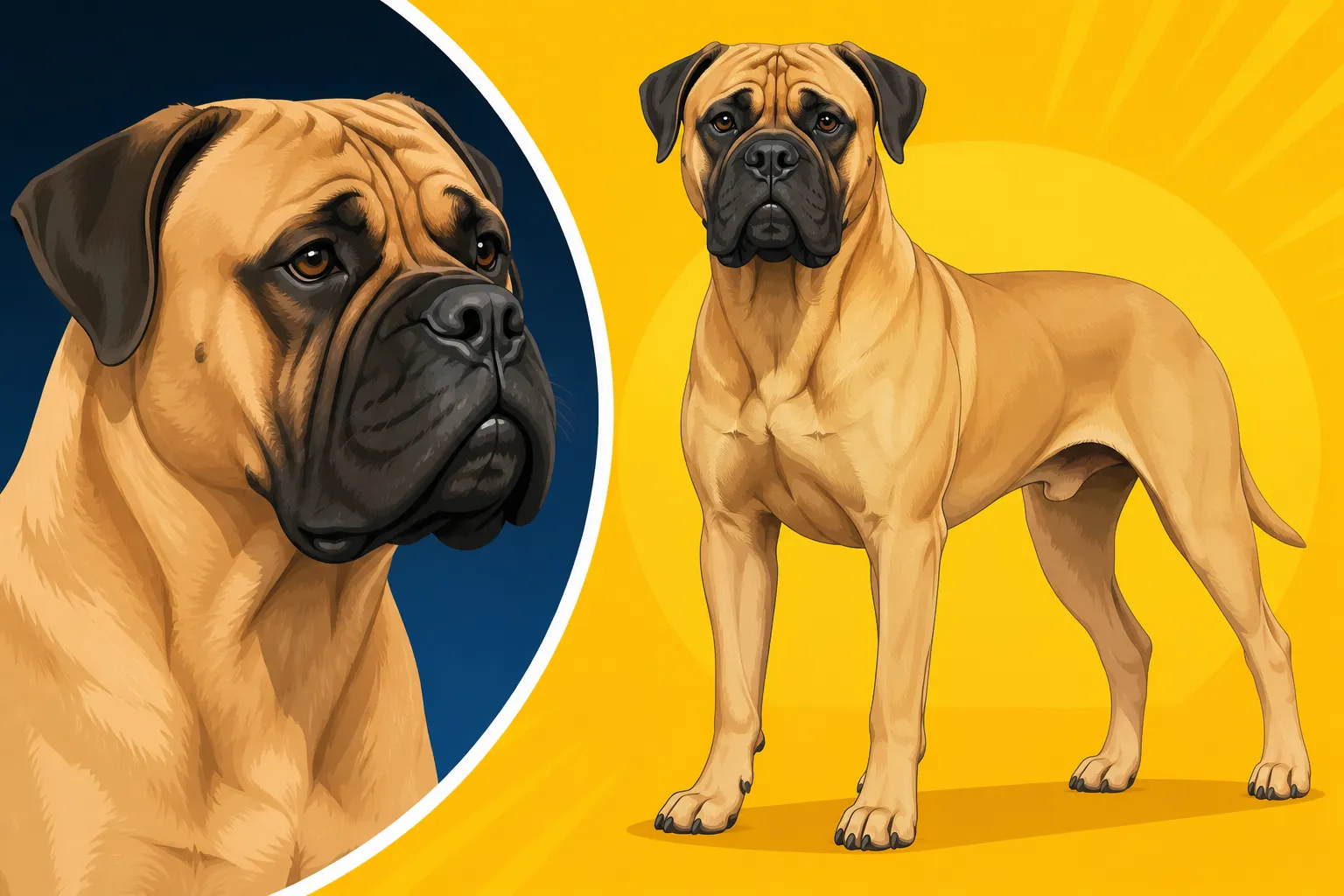
One of the first places to check visually is your Bullmastiff’s ribs. You shouldn't be able to see every rib bone protruding sharply, as that would indicate being too thin. However, you absolutely should be able to discern the outline of the last two or three ribs with ease when your dog is standing and moving. If you have to really concentrate or manipulate their coat to see them, or if you can't see them at all, that's a red flag.
Next, shift your gaze to their waistline. A lean Bullmastiff, when viewed from above, should have a noticeable tuck behind their ribs, before their hips. It won't be as dramatic as, say, a Greyhound, but there should be a distinct indentation. If your Bullmastiff looks like a straight line from their ribcage to their hips, or worse, if they bulge out, they are carrying too much weight. This waist tuck is one of the most reliable visual indicators of a healthy weight.
Abdominal Tuck and Topline
Now, let's look at their profile. From the side, a lean Bullmastiff should exhibit an abdominal tuck – meaning their belly should gently slope upwards from their chest towards their hind legs, rather than hanging low or being parallel to the ground. Again, this won't be an extreme tuck, but it should be present. A sagging belly, even if the dog otherwise looks "fine," can indicate weakened abdominal muscles or excess fat. This is especially true for those large, low-slung dogs that sometimes appear to have a deep chest that goes "all the way back."
Their topline should also be strong and level, not sagging in the middle. While a healthy topline is more about conformation and muscle tone, excess fat can certainly make a dog look soft and rounded in areas that should be firm and defined. Combined with the waistline and abdominal tuck, these visual cues paint a clear picture of a dog that's in prime condition.
Muscle Definition and Overall Proportionality
Beyond just a tucked waist, a lean Bullmastiff will show visible muscle definition. You should see the powerful muscles of their shoulders and hindquarters working as they move. Their thighs should be full and firm, not soft and wobbly. This isn't about being "ripped" like a bodybuilder, but rather having solid, functional muscle mass that isn't hidden under a layer of fat.
A well-proportioned Bullmastiff will also have their bone structure evident, particularly around their hocks and stifles. While their substantial bone is a breed characteristic, it shouldn't be obscured by fat. The overall impression should be one of strength and power, yes, but also of athletic capability, not of a lumbering, heavy dog. This often requires owners to be vigilant about Keeping a Bullmastiff Lean Is the Best Thing You Can Do from a young age, as excess weight impacts their development.
Hands-On Check: Feeling for a Healthy Weight
Sometimes, visual cues can be deceptive, especially with thick coats or specific lighting. That's why a hands-on check, or palpation, is absolutely essential. This tactile assessment provides an undeniable answer about your Bullmastiff's body condition. It's a simple, quick method that every owner should perform regularly.
The Rib Check Test
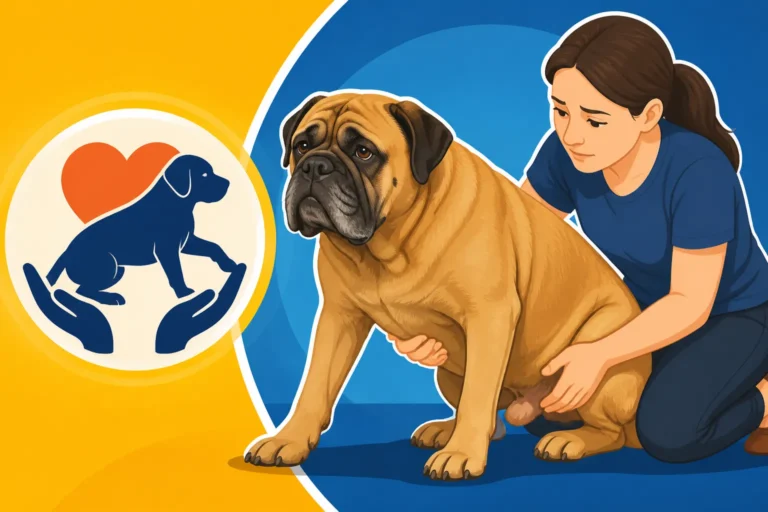
The most crucial hands-on test is the rib check. Gently run your palms along your Bullmastiff's sides, just behind their shoulders. You should be able to easily feel their ribs individually, much like feeling the knuckles of your hand with your palm. There should be a thin layer of skin and muscle over them, but no thick padding of fat.
- Too Lean: If the ribs feel sharp and prominent, with no padding at all, your Bullmastiff might be too thin.
- Ideal: You can feel the ribs distinctively without pressing hard, feeling a slight cushion of tissue.
- Overweight: If you have to press firmly to feel the ribs, or if they are completely obscured by fat, your Bullmastiff is definitely carrying too much weight.
This test is more reliable than just looking, as coat density can hide a lot. Make it a routine when you're petting your dog; it takes only a few seconds.
Spine and Hip Bone Palpation
After the ribs, move your hands along your Bullmastiff's spine. You should be able to feel the individual bumps of the vertebrae, again, with a slight covering of muscle and skin, but not fat. As you move towards their hips, you should also be able to feel their hip bones (ilieal wings) without having to dig. These shouldn't be sharp, but they shouldn't be entirely lost under a cushion either.
An overweight Bullmastiff will often have a broad, flat back where the spinal bumps are impossible to feel, and their hip bones will be completely enveloped in fat, making their rear end appear very wide and rounded. This extra weight around the hips and spine is particularly detrimental for a breed already prone to issues like Hip Dysplasia in a Bullmastiff and Elbow Dysplasia in a Bullmastiff.
Recognizing Excess Fat Padding
Beyond specific bones, get a general feel for your dog's overall body. Pinch gently at various points: over the neck, at the base of the tail, and along the back. In an ideal body condition, you'll feel a thin layer of skin and a firm, muscular layer underneath. If you can pinch a thick roll of soft, squishy fat, that's excess padding. This is a clear indicator that your Bullmastiff is overweight.
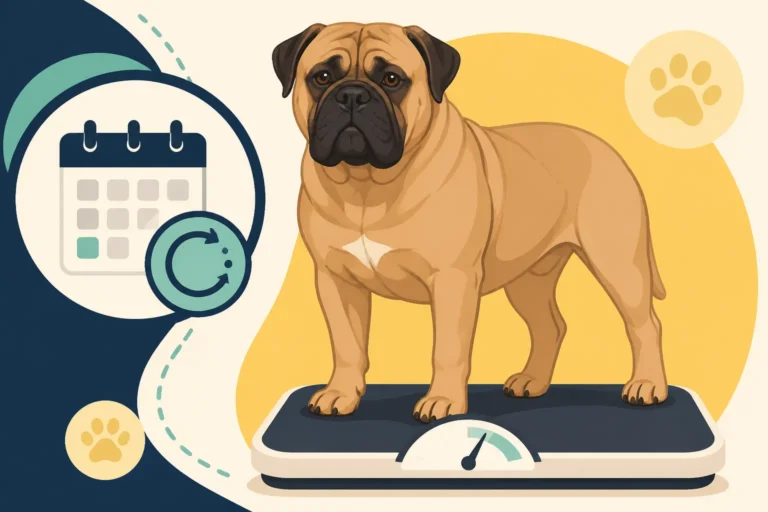
Regularly performing these checks helps you track their weight changes over time. Many owners find it helpful to use a Body Condition Score (BCS) chart, often available at vet offices or online, which provides a visual and tactile guide. This objective tool can help you identify Signs a Bullmastiff Is Overweight before it becomes a significant problem.
Here's a simplified version of a Body Condition Score to help you visualize and feel the difference:
| Score | Description (Visual) | Description (Palpation) |
|---|---|---|
| 1 | Ribs, spine, hip bones extremely prominent; severe waist tuck. | Ribs, spine, hip bones easily seen and felt with no fat cover. |
| 2 | Ribs, spine, hip bones visible; significant waist tuck. | Ribs easily felt; minimal fat; some spine/hip definition. |
| 3 | Ideal: Last 2-3 ribs discernible; clear waist tuck; abdominal tuck present. | Ribs easily felt with slight fat cover; spine/hip bones felt easily. |
| 4 | Ribs barely discernible; minimal waist tuck; abdomen flatter. | Ribs require firm pressure to feel; moderate fat; spine/hip bones difficult to feel. |
| 5 | Ribs, spine, hip bones completely covered; no waist tuck; abdomen rounded. | Ribs cannot be felt; heavy fat cover; spine/hip bones not felt; noticeable fat rolls. |
Note: A score of 3 is generally considered ideal for most breeds, including Bullmastiffs, meaning they are lean and healthy.
The Importance of a Lean Body Condition
Maintaining a lean body condition isn't just about making your Bullmastiff look good; it's arguably the single most impactful thing you can do for their long-term health and quality of life. The benefits extend across almost every bodily system, mitigating risks inherent to a large breed.
Reducing Joint Strain and Disease Risk
Bullmastiffs are heavy dogs, and their large frame naturally puts stress on their joints, even when they're at a healthy weight. Conditions like hip and elbow dysplasia are unfortunately common in the breed. How Common Hip Dysplasia Is in Bullmastiffs is a sobering statistic. Adding extra weight to this already vulnerable system is like asking a person with bad knees to carry a heavy backpack all day, every day. It exacerbates existing problems and accelerates the onset of arthritis.
When a Bullmastiff is lean, their joints experience less wear and tear. The cartilage and ligaments are under less strain, which can delay the progression of degenerative joint diseases and reduce pain. This means more comfortable walks, easier movement getting up and down, and a generally better quality of life as they age. Many owners consider starting their Bullmastiff on joint supplements early, but no supplement can truly offset the damage done by excess weight. Whether a Bullmastiff Needs Joint Medication Early is a question best addressed when they are already at an ideal weight.
To help maintain a healthy weight, look for high-quality large breed dog foods. Brands like Ollie offer fresh, customized meal plans that can help manage calories and nutrients, while places like Chewy and Amazon provide a wide range of vetted large-breed kibble options that focus on controlled growth for puppies and lean maintenance for adults. Always discuss your Bullmastiff's diet with your vet to ensure it meets their specific needs.
Preventing Other Health Complications
Beyond joint issues, an overweight Bullmastiff faces a significantly increased risk for a host of other serious health problems. These include:
- Cardiac Issues: The heart has to work harder to pump blood through a larger body mass, potentially leading to or worsening heart conditions.
- Diabetes: Excess body fat can lead to insulin resistance, making dogs more susceptible to developing diabetes.
- Respiratory Problems: For a brachycephalic (short-nosed) breed like the Bullmastiff, extra fat around the neck and chest can already impede breathing, especially in hot weather. Being overweight significantly worsens these respiratory challenges, making them more prone to Signs a Bullmastiff Has Heatstroke and general discomfort.
- Cancer Risk: Some studies suggest a link between obesity and increased cancer risk in dogs. While Bullmastiffs are already prone to certain cancers like Lymphoma Kills More Bullmastiffs Than Anything Else, maintaining a healthy weight can be one small step in overall disease prevention.
- Skin Problems: Excess folds of fat can create moist, warm environments where skin infections thrive, especially in a breed already prone to Skin Fold Infections on a Bullmastiff.
- Reduced Surgical Safety: Overweight dogs have higher anesthetic risks and slower recovery times if they ever need surgery.
It’s a cascading effect, where one problem can quickly lead to others. Addressing their weight early is preventative medicine at its finest.
Extending Lifespan and Quality of Life
Ultimately, keeping your Bullmastiff lean can directly contribute to a longer, happier life. Studies consistently show that dogs maintained at an ideal body weight live, on average, several years longer than their overweight counterparts. For a breed with an already short life expectancy, adding even one or two healthy, comfortable years is an incredible gift. How Many Years an Overweight Bullmastiff Loses is a stark reminder of the impact we, as owners, have on their longevity.
Beyond just extending their time with you, it enhances the quality of that time. A lean Bullmastiff is more energetic, more comfortable, and generally more able to enjoy their daily activities, whether it's a leisurely walk or a good romp in the yard. They'll have less pain, more mobility, and a greater overall sense of well-being, especially as they enter their senior years. Caring for a Bullmastiff Past Six becomes much easier when they are not fighting the additional burden of excess weight. By understanding what an aging Bullmastiff looks like and anticipating the changes, you can proactively ensure their comfort, and weight management is key.
This isn't always easy, as Bullmastiffs can be quite food-motivated, and their soulful eyes can make it hard to resist an extra treat. But it is an act of profound love and responsibility. Consult your veterinarian regularly for an objective assessment of your Bullmastiff's body condition and guidance on diet and exercise. They are your best partner in ensuring your magnificent companion lives their healthiest, fullest life.
Disclaimer
This article is for general informational purposes only and does not constitute professional advice. Laws, prices and regulations vary by location and change over time. Consult a qualified professional for guidance on your specific situation.